What Good U8 Soccer Drills Actually Teach: Fun, Repetition, and Ball Familiarity
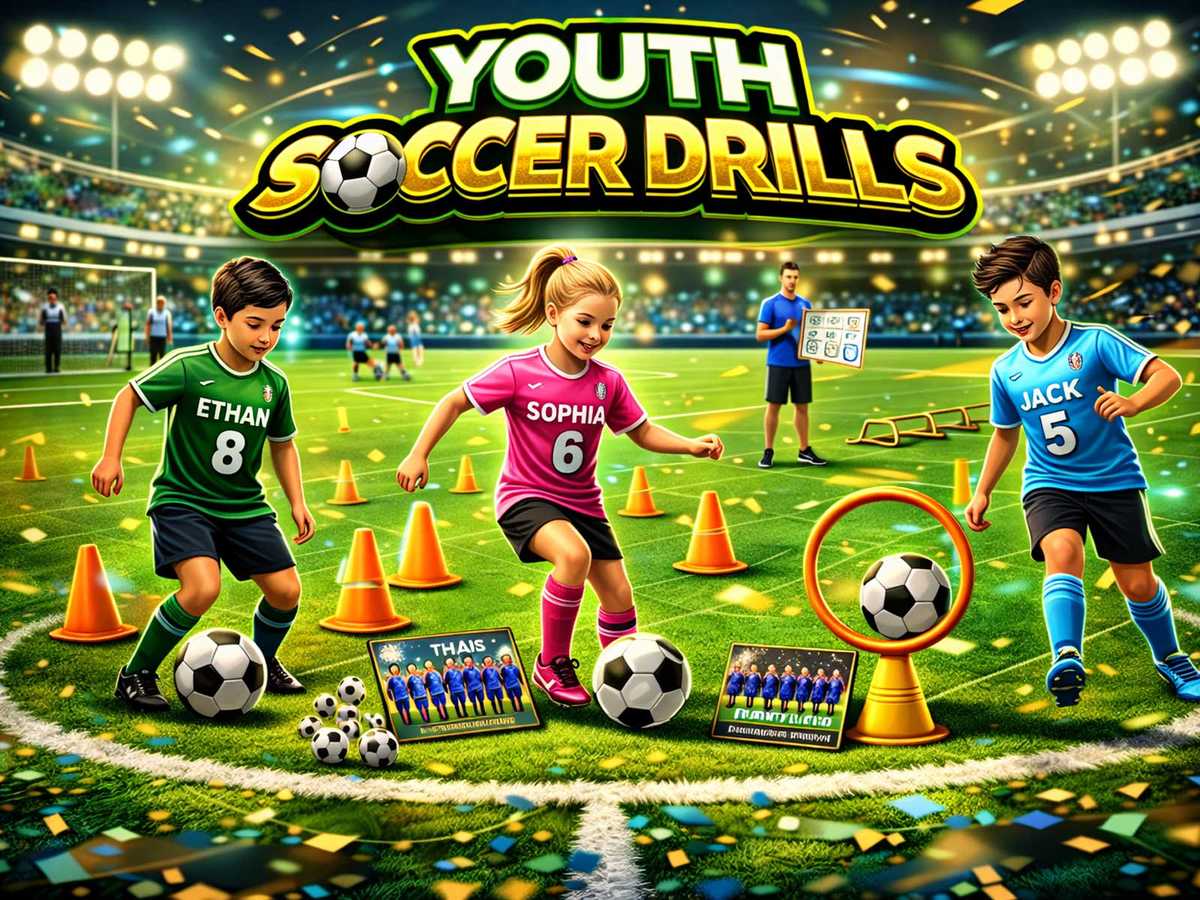
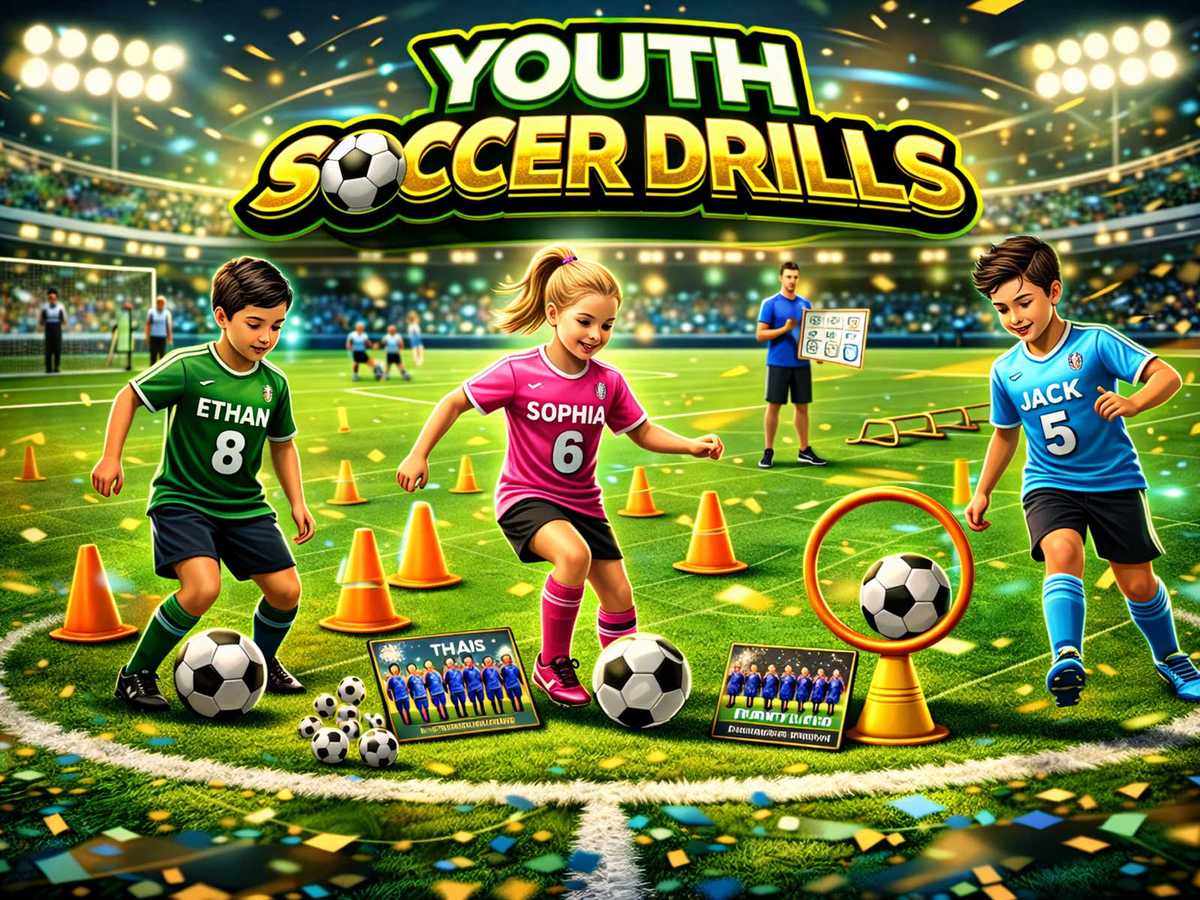
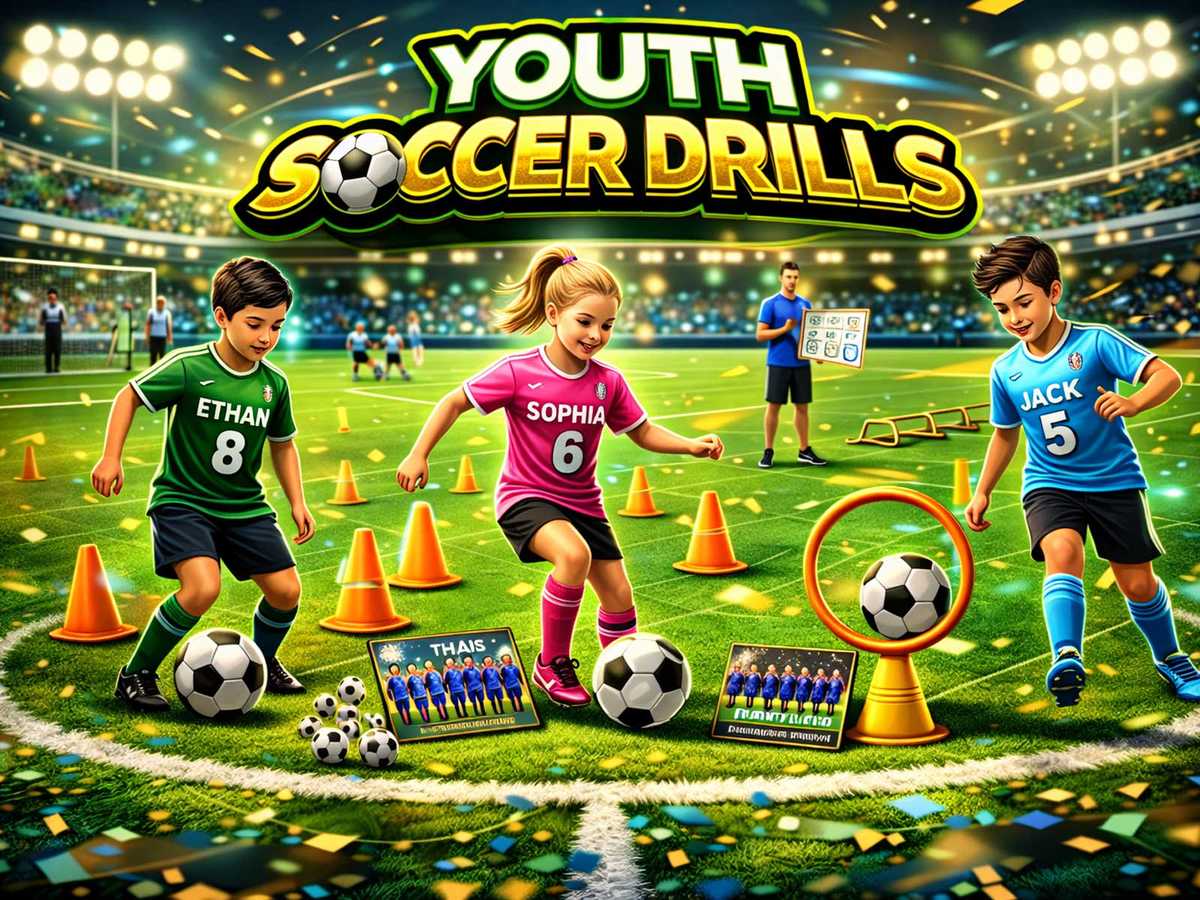
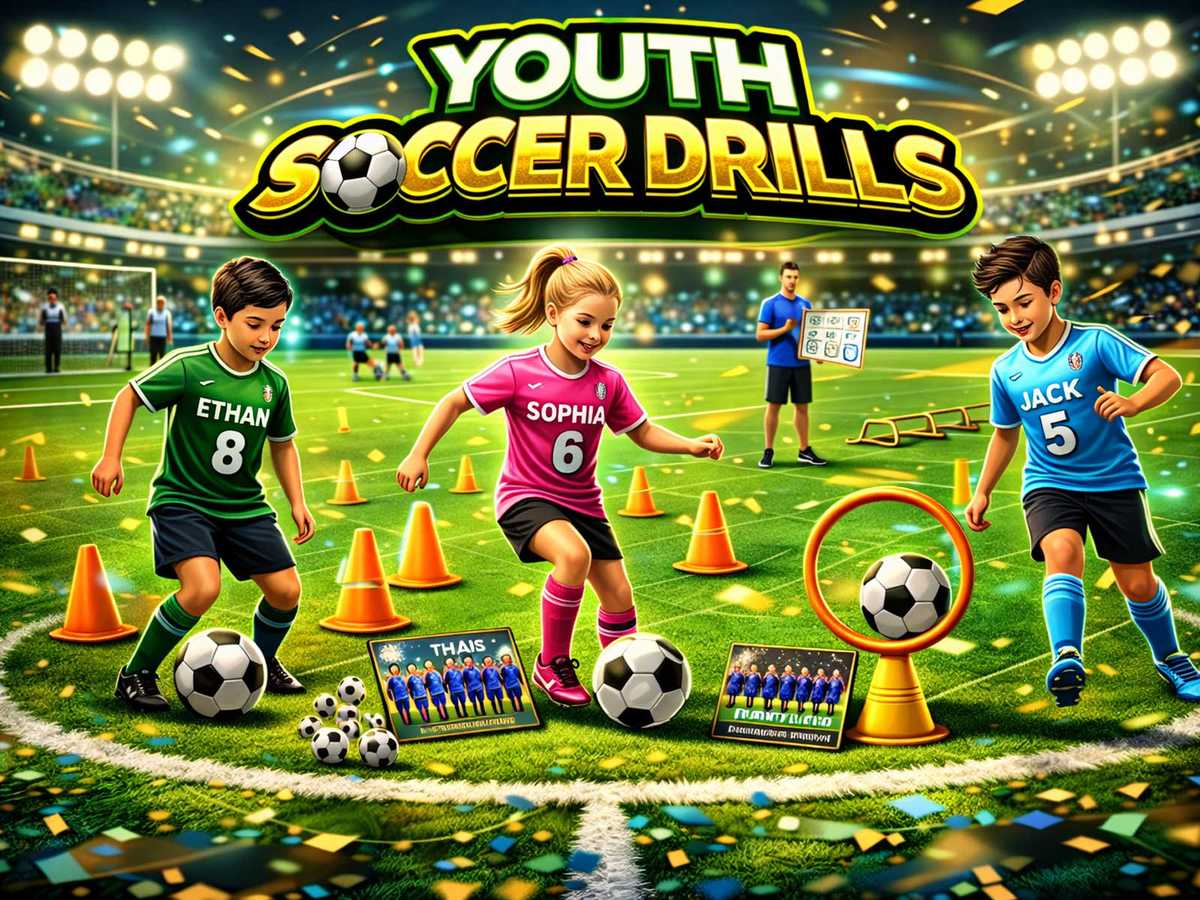
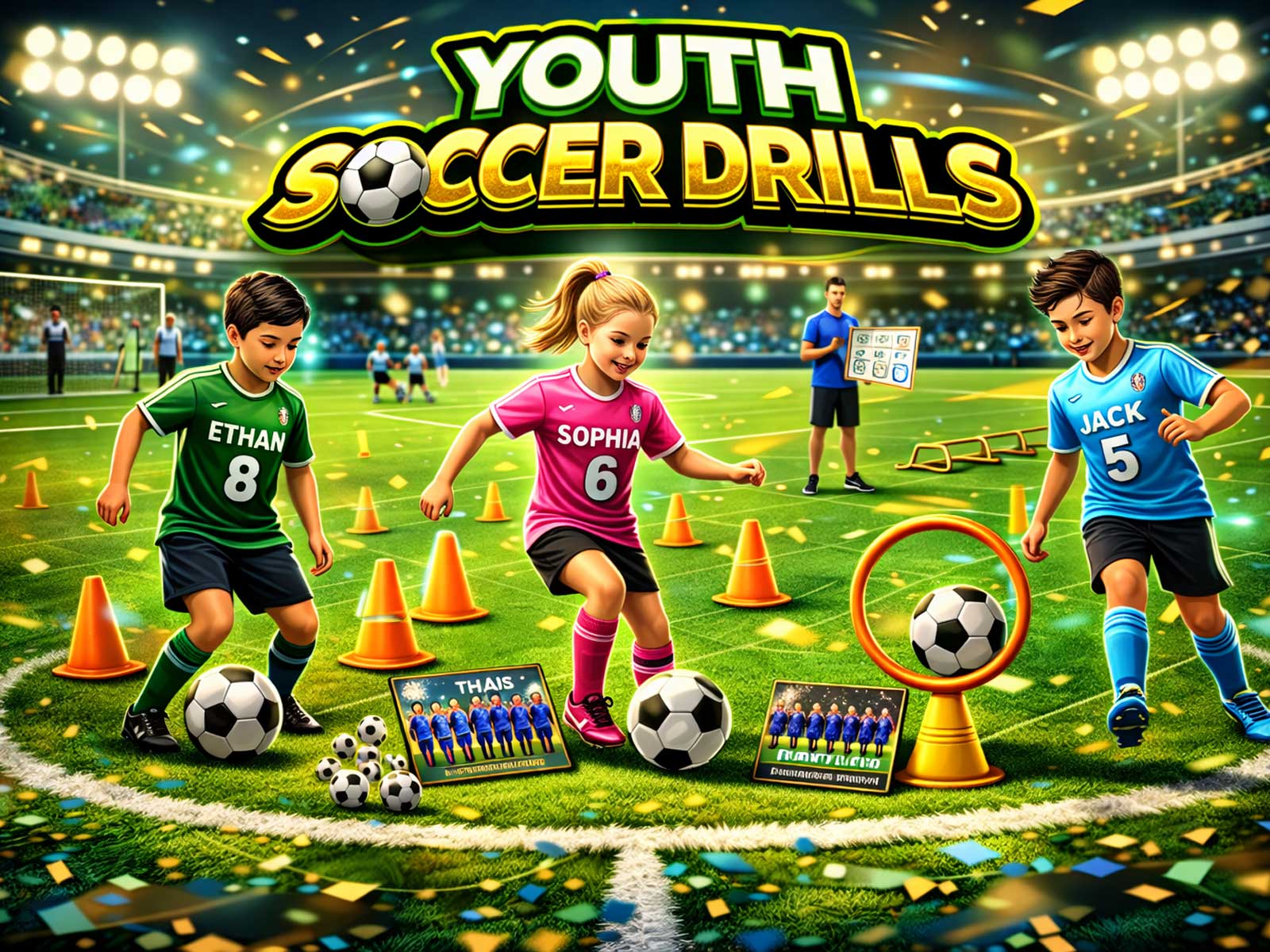
At U8 the best drills are not about complicated tactics — they are short, repeatable activities that increase ball contacts, encourage soft first touches and disguise learning inside play. This article explains what those drills actually develop, how to structure a simple session, and what coaches should watch for.
Quick answer
Good U8 soccer drills prioritise ball familiarity and high repetition of simple technical actions (dribbling, first touch, close control) delivered in short, fun formats and finished with a small-sided game.
What you will learn here
- Which player behaviours repeatable drills produce (softer first touch, more frequent contacts).
- How to organise short activities and the play–practice–play structure.
- Practical coaching cues and common mistakes to avoid.
What beginner coaching drills really need to do
Trusted youth curricula recommend that U6–U8 sessions prioritise ball familiarity, fun and simple small-sided play rather than complex tactics. That means drills should produce many ball contacts per player and rehearse only one clear technical idea at a time: controlling the ball, close dribbling, or a repeatable first touch. The coaching outcome is not precise technique perfection but repeated, game-like actions the child recognises and executes under minimal pressure.
Core skill mechanism: how repetition builds habits
Short, repeatable actions — ball mastery moves, cone slaloms, partner receiving — increase the number of touches and different receiving angles a child experiences. Repetition of small tasks helps players find a softer first touch and learn to receive into a small target zone. In coaching terms, each repetition is an opportunity to experience the correct contact, body position and ball feedback; that sensory repetition is what creates familiarity.
Session organisation and repetition without chaos
Curricula suggest short activities and a clear session shape: warm up with ball mastery, work on 1–2 technical objectives with focused repetition, then finish with a small-sided game. Keep activity blocks around 8–10 minutes to match attention spans. Use simple station setups or one shared area where the coach can give quick demonstrations and then step back so players keep moving and touching the ball.
Correction, demonstration, and coaching language
At U8 coaching cues should be brief and focused on touch quality and body position: soft first touch, control into a small space, knees bent and steady base. Demonstrate visually, then ask players to copy once or twice and let repetition do the teaching. Excessive verbal correction breaks flow; deliver one corrective cue per cycle and return players to the activity so they get more repetitions.
Fun, game-based approaches that disguise skill work
Game formats such as relay dribbling, Sharks and Minnows, and small-sided 3v3–4v4 games maintain engagement while creating decision-making opportunities that resemble match problems. These games keep players active, increase touches, and let technical habits transfer into simple competitive situations. The pedagogical benefit comes from mixing repetition with realistic outcomes: winning a race, escaping a shark, or creating space in a tiny game.
How young players actually learn early skills
Children in this age band learn through feeling and doing. They tune their first touch by experiencing different pass speeds and receiving surfaces; they learn close control by repeating dribble patterns and negotiating cones; and they develop spatial sense through many short small-sided games. Coaches should watch for observable changes: more frequent confident touches, fewer panicked clearances, and players choosing to keep the ball rather than immediately kick it away.
Common mistakes new coaches make
New coaches often overload sessions with too many objectives, give long verbal explanations, or push for power rather than control. These mistakes reduce touches and interrupt learning. Other common errors are running activities too long for the age group, adding complex tactical constraints before basic touch habits exist, and over-coaching during repetition instead of letting players discover correct feel through practice.
How to progress a drill without losing the group
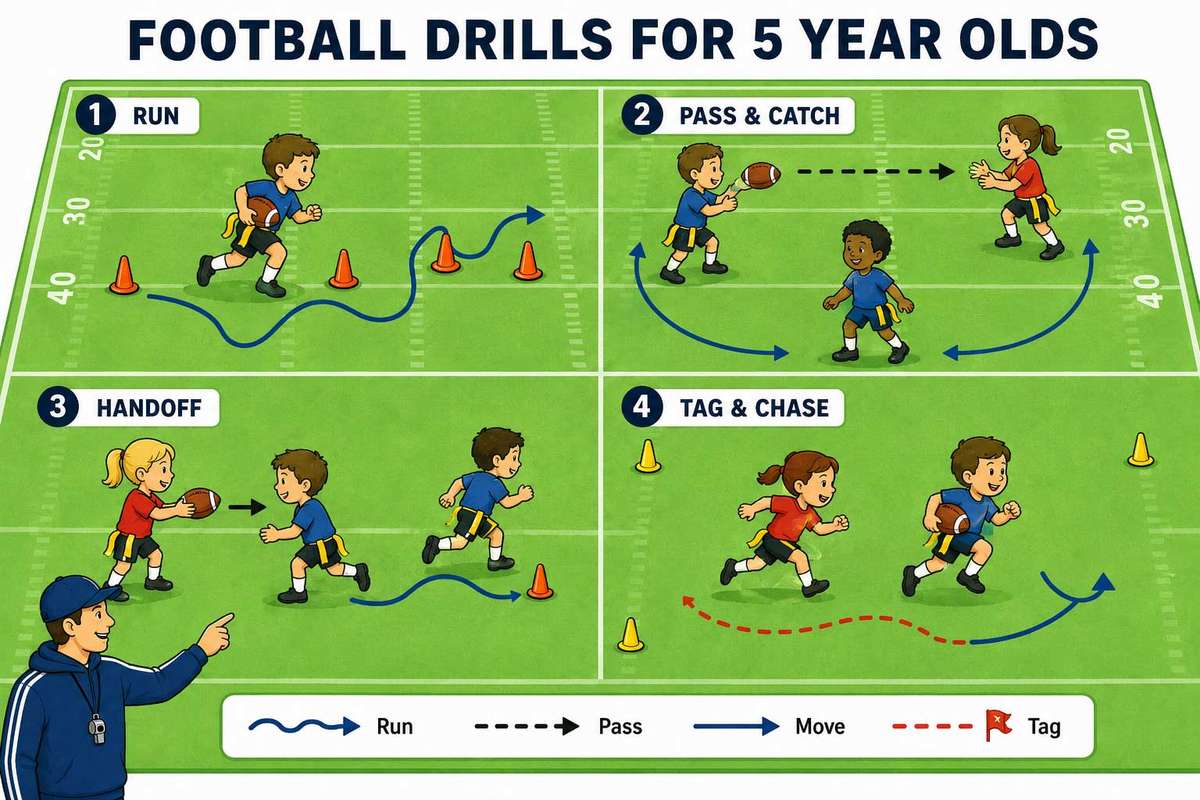
Progressions should be minimal and logical: reduce the target zone size, add a defender for a brief moment, or change the pass speed. Each progression increases the challenge slightly while preserving the original teaching point. If the group becomes noisy or disengaged, scale back to the base repetition and simplify the constraint — clarity and touch count are more valuable than forced complexity.
Foundations that transfer into real play
When a session focuses on ball familiarity and repetition, the realistic transfers are clear: players use softer first touches to keep possession, dribble with closer control in tight spaces, and make simpler decisions in small-sided games. Those are the match-level behaviours coaches want early: comfort with the ball, repeated successful touches, and basic spatial awareness in game-like contexts.
Closing interpretation
U8 soccer drills are effective when they are simple, repeatable and fun. The goal is to create many meaningful touches, teach a small set of clear cues about touch and body position, and finish with short games that reward correct actions. Coaches who prioritise repetition inside playful constraints will see observable improvements in first touch, control and willingness to play with the ball.
Author: Alex R.