Flag Football Exercises Reframed for Youth Soccer: Movement-and-Ball-Mastery…
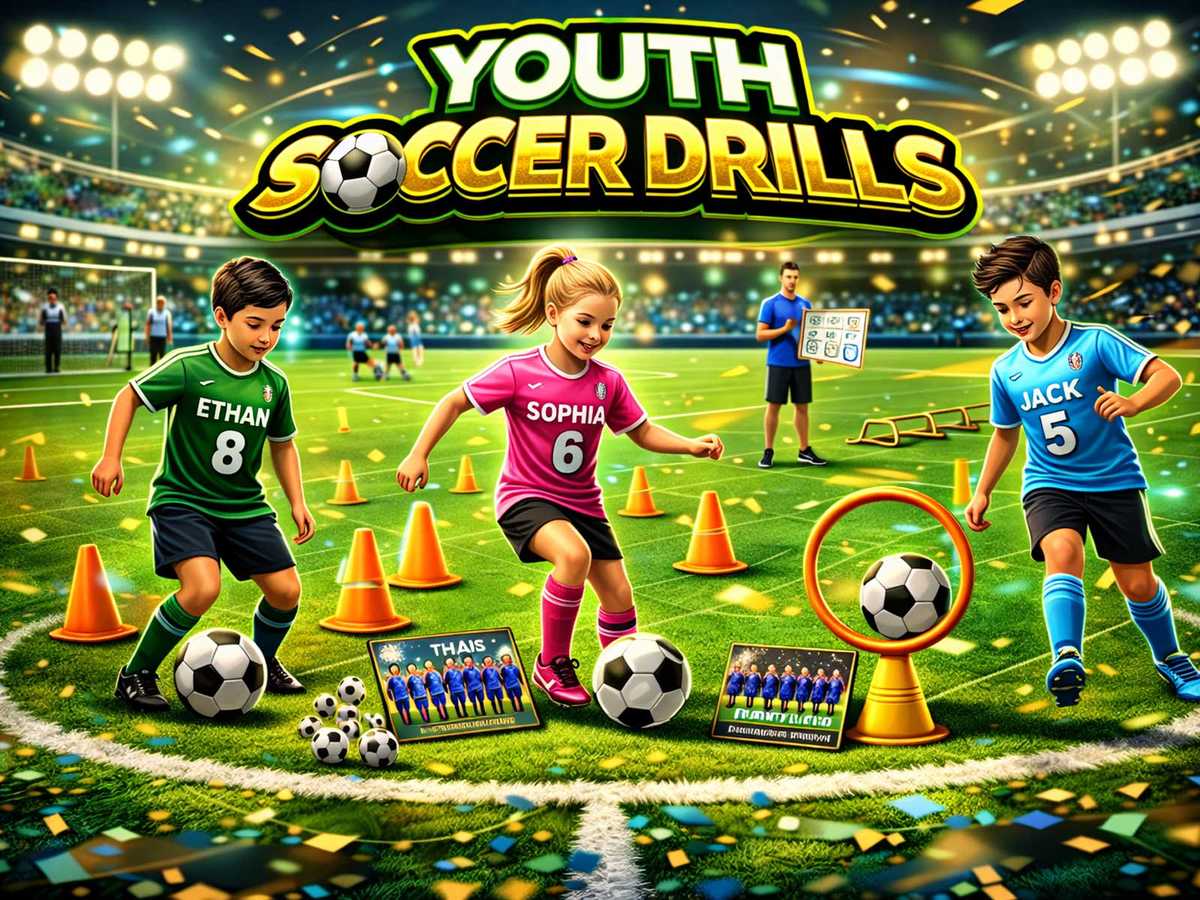
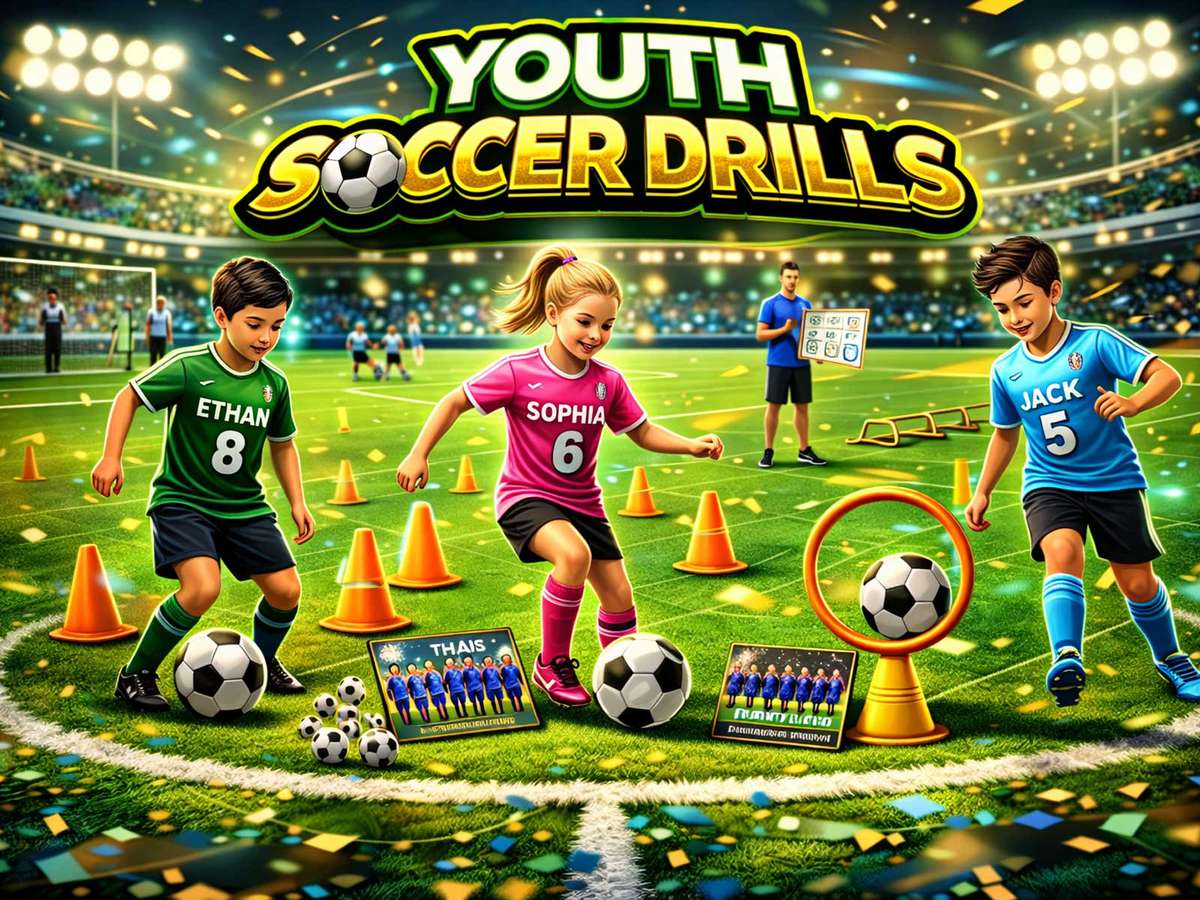
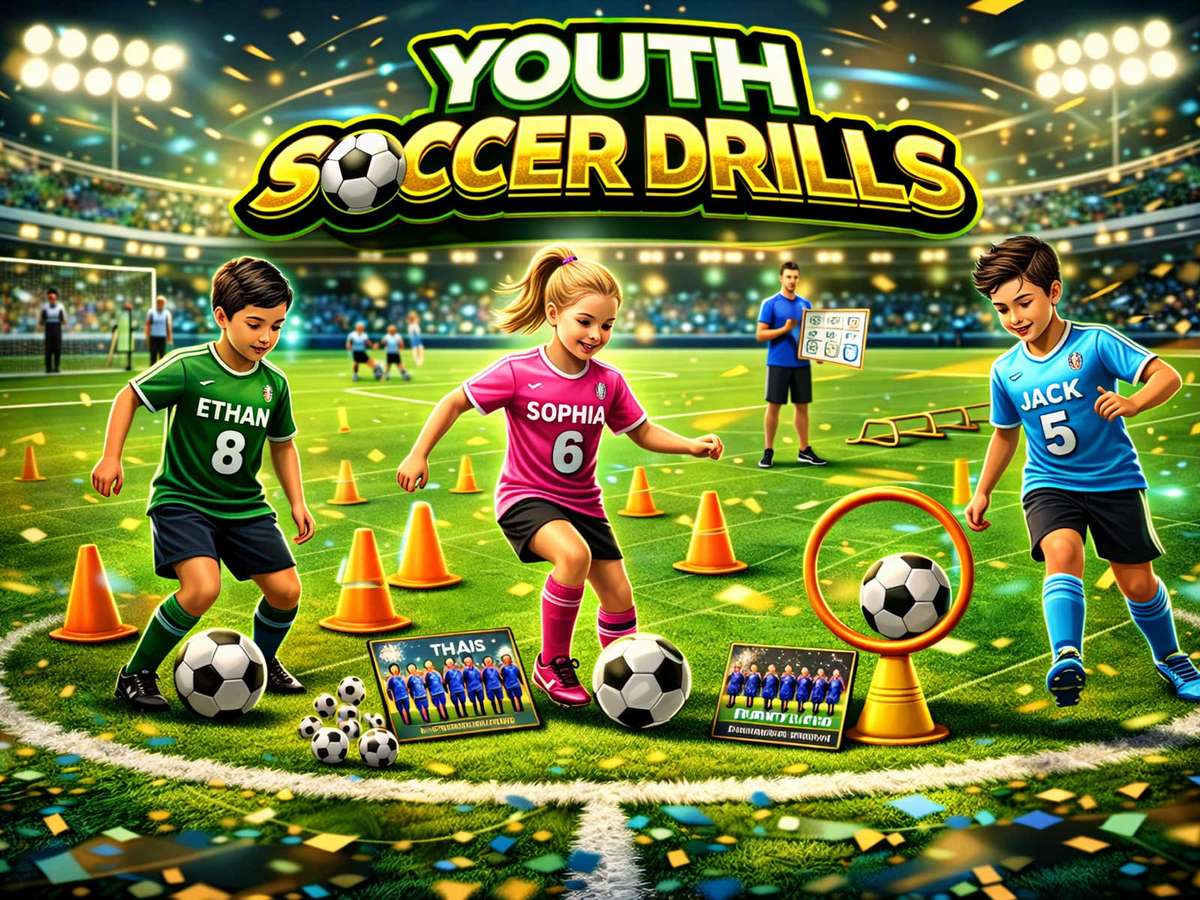
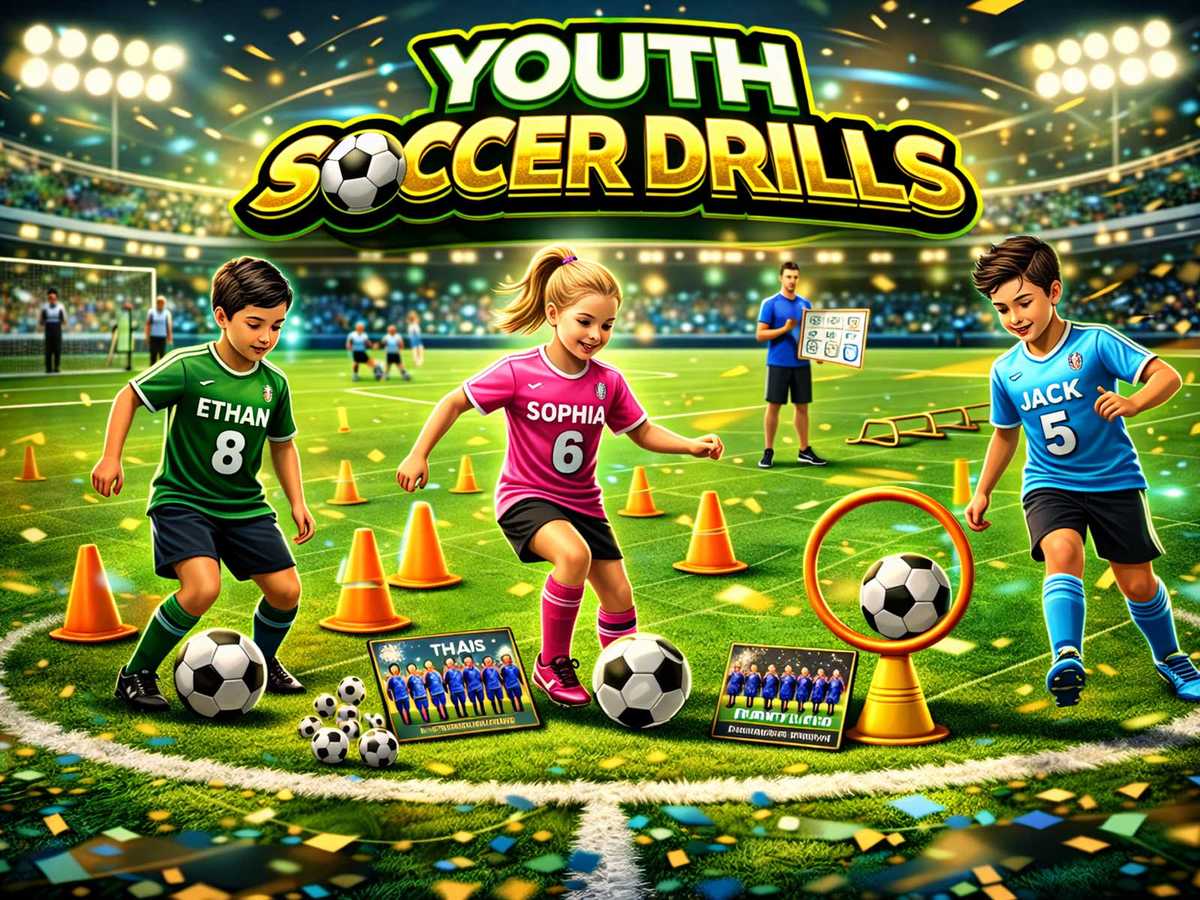
Flag football exercises — short chase games, change-of-direction tasks and simple passing or catching patterns — map neatly onto beginner soccer needs when you reframe them as movement-and-ball-mastery games. Used thoughtfully, these activities develop running mechanics, spatial awareness and continuous ball contact for ages roughly 6–12 while keeping sessions playful and high-touch.
Quick answer
Adapt flag football exercises by keeping the chase and change-of-direction element but add a ball, short touches, and ball-oriented rules so movement quality, footwork and first touch improve alongside speed and agility.
What this article explains
- Which movement qualities flag football-style drills develop for young soccer players
- How to combine tag and chase games with short ball-mastery segments
- Age-appropriate coaching points and common pitfalls to avoid
What speed, agility, and coordination drills really train
Flag football exercises emphasise short sprinting, quick turns and reactive decisions — the very physical behaviours useful to soccer when reframed correctly. For young players (U6–U10) these drills primarily train: basic acceleration, spatial awareness in a group, change-of-direction exposure, and continuous activity that builds confidence in moving quickly. The key is to see them not as pure speed work but as brief, game-like motor challenges that prepare players to move with and without the ball.
Balance, footwork, and movement control
When you add a ball to a chase or tag game, the focus shifts from raw speed to movement quality: maintaining balance while dribbling, timing touches when accelerating, and using short, accurate footwork to change direction without losing the ball. Coaching cues should prioritise low centre of mass on turns, compact steps into and out of accelerations, and keeping the ball within a player’s comfort radius — not maximal stride length or foot-tapping for its own sake.
Coordination before ball work and with ball work
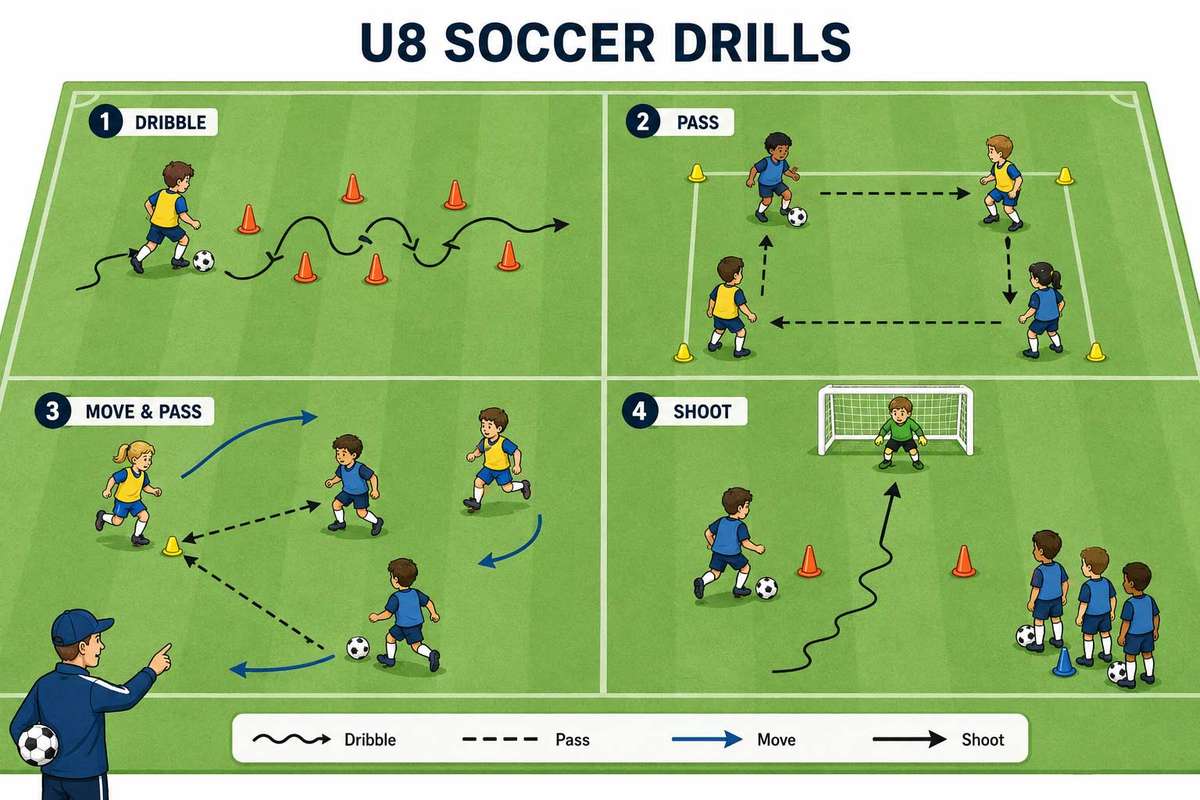
Club session plans and soccer education resources recommend short (5–15 minute) ball-mastery rotations for beginners. Start with non-ball movement versions of flag football drills to establish running patterns and spatial rules, then layer in simple ball actions: a controlled dribble around a partner, a single inside-foot pass to avoid a tag, or a short stop-and-turn while protecting a ball. This progression keeps players active and multiplies useful touches rather than treating movement and ball work as separate sections.
Reactive movement and simple decision layers
Tag-style games and sharks-and-minnows variations endorse reactive movement and spatial awareness for young children. Use simple decision layers — e.g., coach calls a colour and the dribbler must change direction towards that colour, or a defender removes a flag only after the attacker takes two touches — to create brief cognitive demands that mirror match situations without overloading technical expectations.
Age-appropriate movement demands
Municipal and flag football coaching resources emphasise drills matched to ages 6–12. For the youngest groups keep running bursts and decision windows short, focus on play that maximises touches and involvement, and avoid heavy technical complexity. Older beginners can manage slightly longer sprints and combined passing/catching tasks. Across ages, sessions that alternate 30–90 second high-engagement games with short coaching feedback work best for attention and skill retention.
How coaches can keep movement work soccer-relevant
Practical session guidance suggests adapting non-soccer games so that objects and rules support soccer behaviours. Replace cones or flags with balls when appropriate, require a ball touch before a player can be tagged, or award points for successful passes after a change of direction. Keep segments short and game-like: these adaptations preserve the continuous activity children enjoy in flag football while directing effort toward footwork, first touch and movement off the ball.
Common mistakes in youth agility practice
Two recurring problems undermine transfer to soccer. First, treating ladder or shuttle-style repetitions as busywork without clear technical aims: coordination drills must link to how a child controls the ball and moves in a game. Second, over-emphasising speed or long linear sprints for beginners; acceleration basics should be short and coached around body position and balance so players can control the ball when they move faster. Short, coached, game-like reps beat long sets of isolated drills.
Closing interpretation
Flag football exercises are valuable to youth soccer when reframed as movement-and-ball-mastery games. Use them to teach acceleration, change of direction, balance and reactive movement while prioritising ball touches and simple decision rules. Keep activities short, age-appropriate and explicitly linked to soccer actions — that practical link is what turns playful chase games into durable, transferable learning for beginners.
Author: Cynthia D.