End-of-season awards that only honor goals and clean sheets leave out the everyday work that shapes a team: grit, growth, attitude, and small acts that keep a squad together. This guide shows coaches, parents, and team organizers how to build a soccer awards program that balances playful recognition with meaningful keepsakes. The goal: awards players will be proud to display, remember, and keep.
What makes an award feel special (and not cheesy)
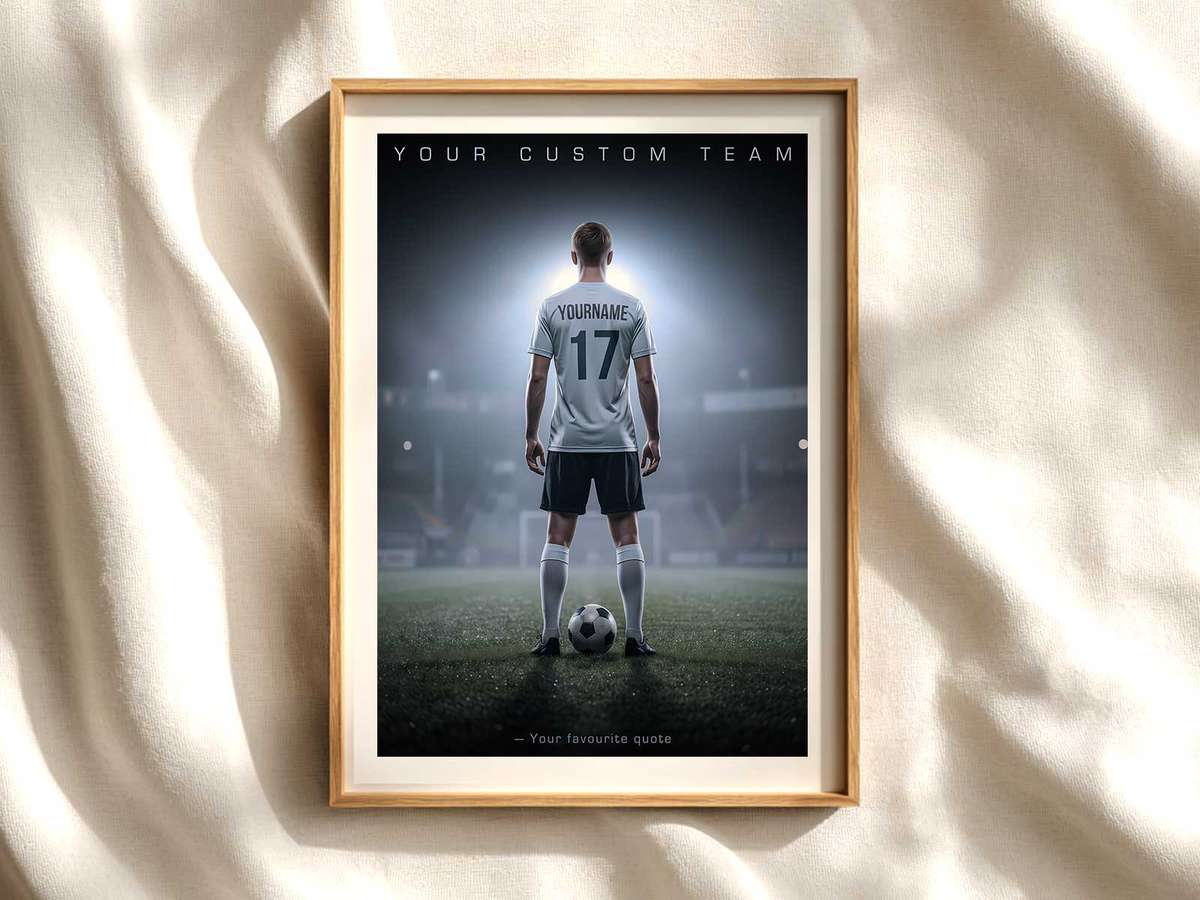
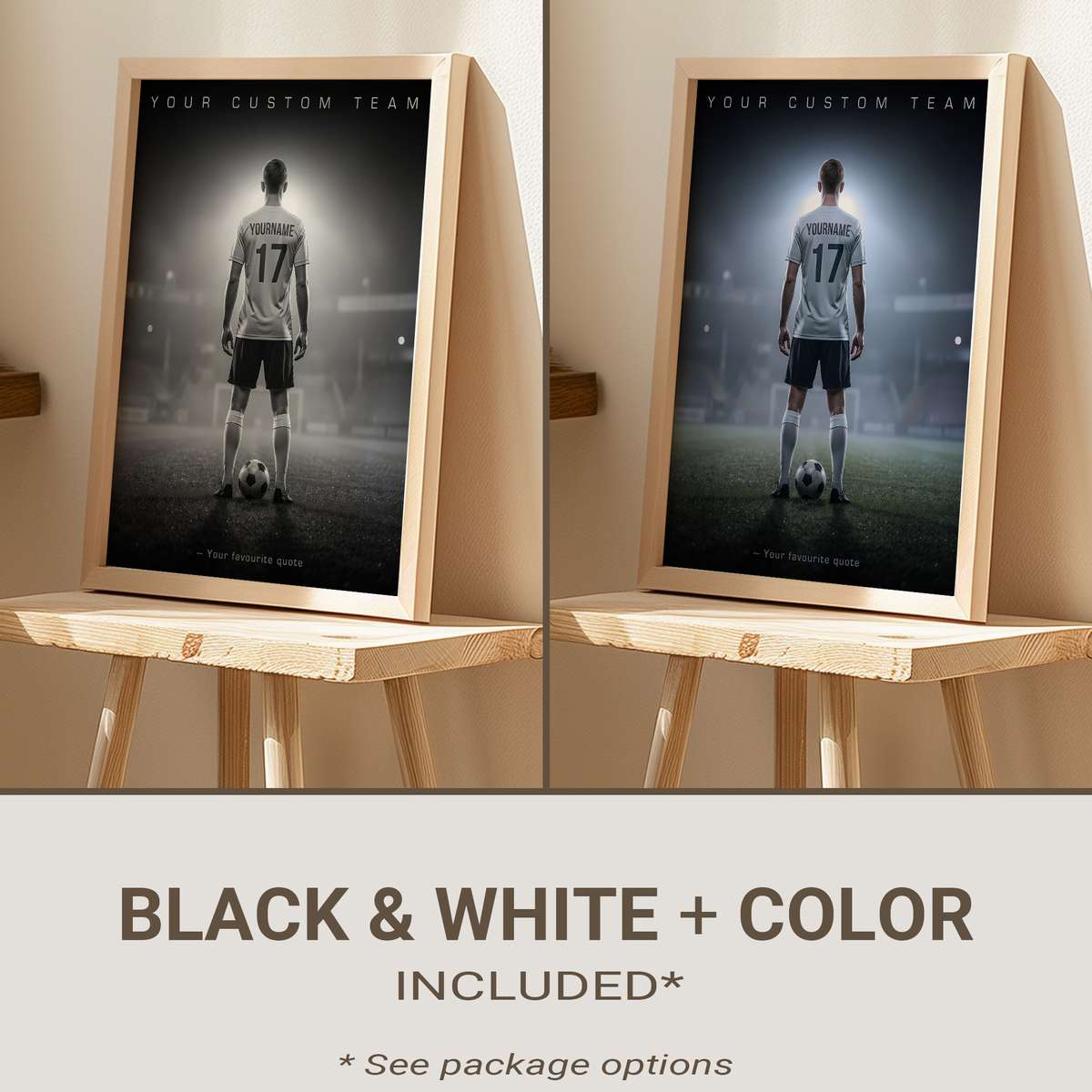
A special award is specific, personal, and visible. Specific: it names the behavior or progress ("Most Improved First Touch"). Personal: it includes the player’s name and a short line about why they earned it. Visible: it’s something the recipient can display at home or in their room. Combine a concise headline, a short anecdote or stat, and a tangible keepsake — a small plaque, framed team poster, or personalized print — and you get an award that’s both credible and sentimental.
Categories that celebrate effort and growth
Move beyond MVP-only awards with categories that reward daily habits and improvement. Examples to consider:
- Most Improved Player — cite a specific skill that improved (dribbling, first touch, positioning).
- Workhorse Award — for consistent effort in games and practice.
- Growth Mindset Award — for players who asked for feedback and acted on it.
- Practice MVP — recognizes commitment when no parents are watching.
- Best Teammate — for encouragement, positivity, and quiet leadership.
Keep descriptions short and factual. Saying “scored important goals” feels vague; “cut down 50% of missed first touches in the season” feels real and worthwhile. Even for younger teams, focus on observable behaviors: showed up early, cheered teammates, tried new positions.
Balancing funny and meaningful awards
Lighthearted categories (Golden Slide, Most Dramatic Celebration) add fun, but pair them with meaningful awards so no one feels singled out or embarrassed. Make sure humorous awards are framed as compliments and avoid labels that could sting. You can also let the team vote privately to ensure nominees understand the tone.
Age-appropriate practicalities
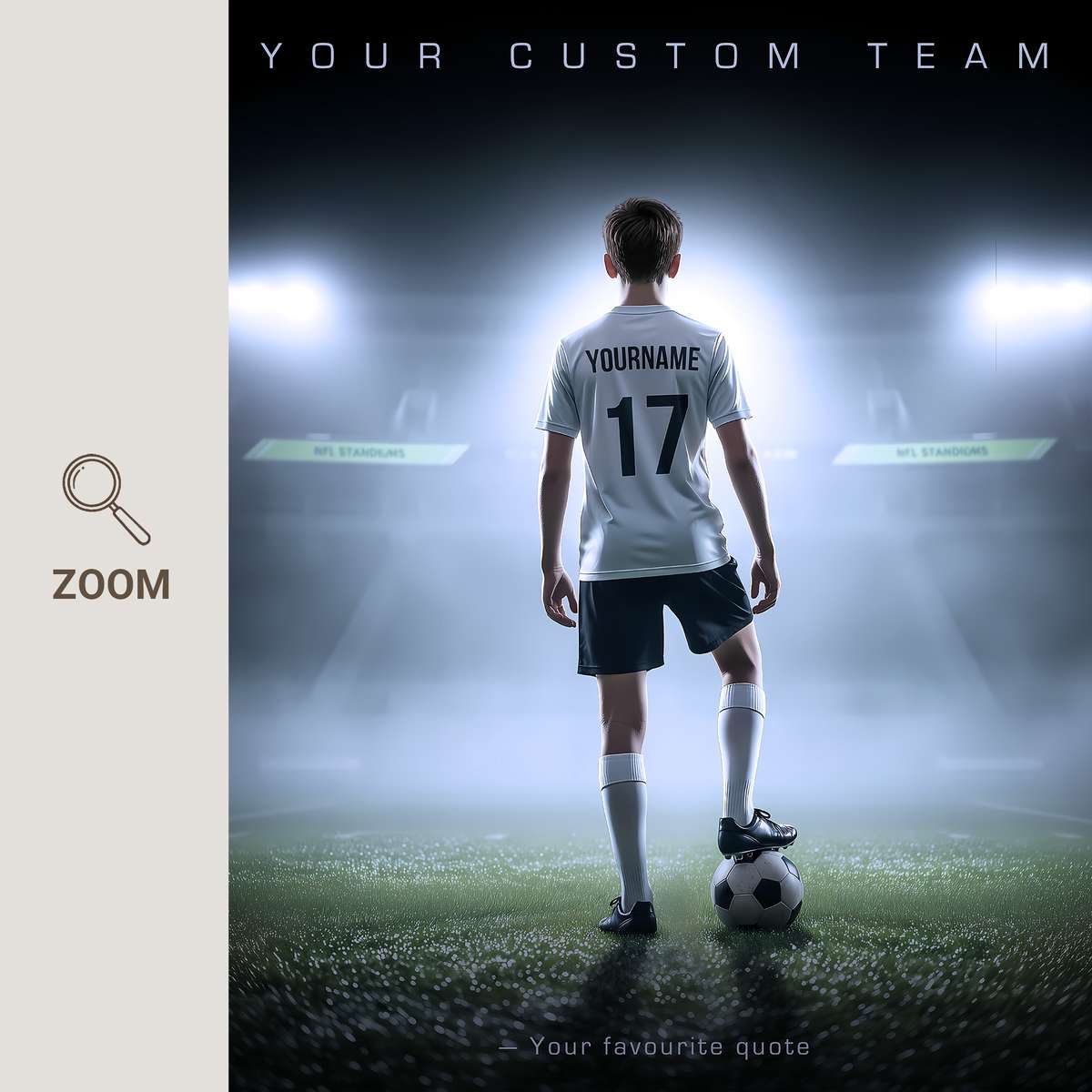
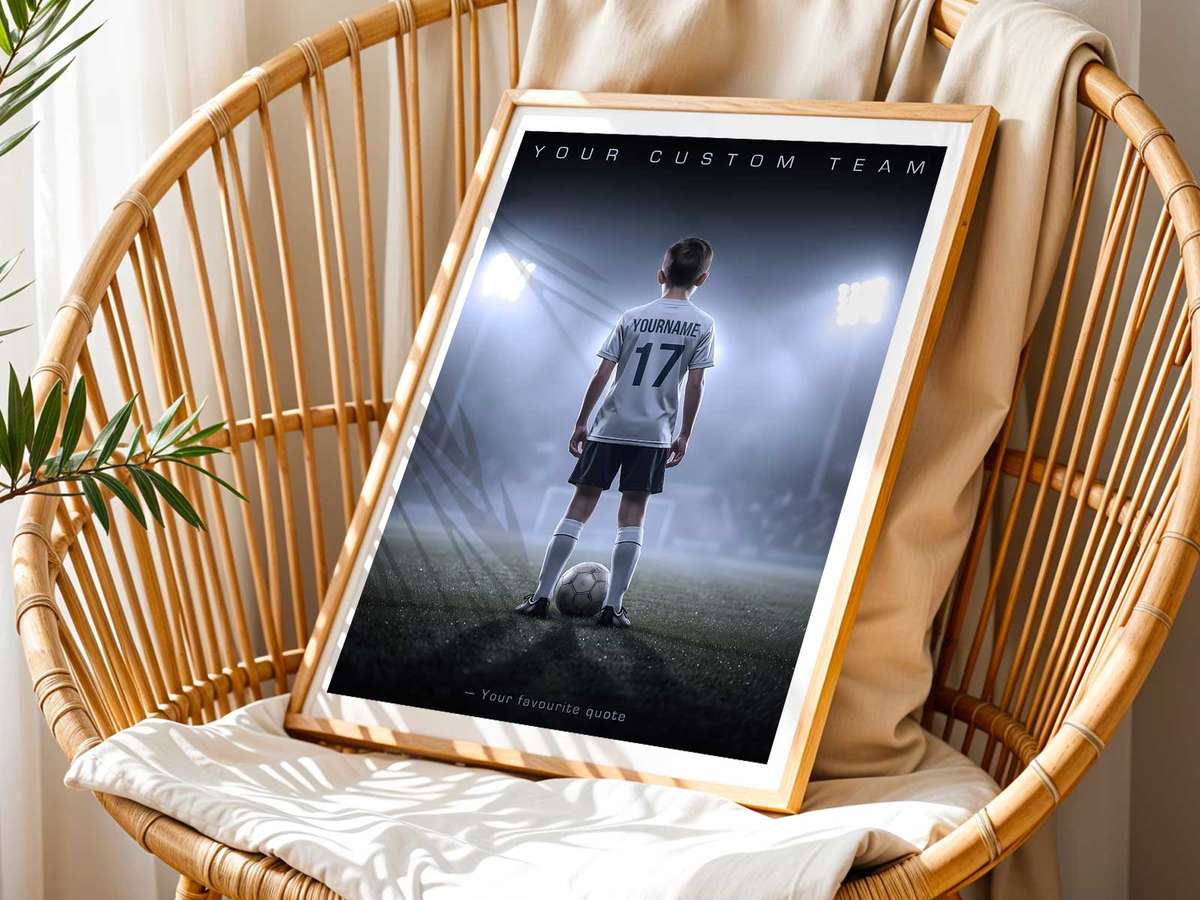
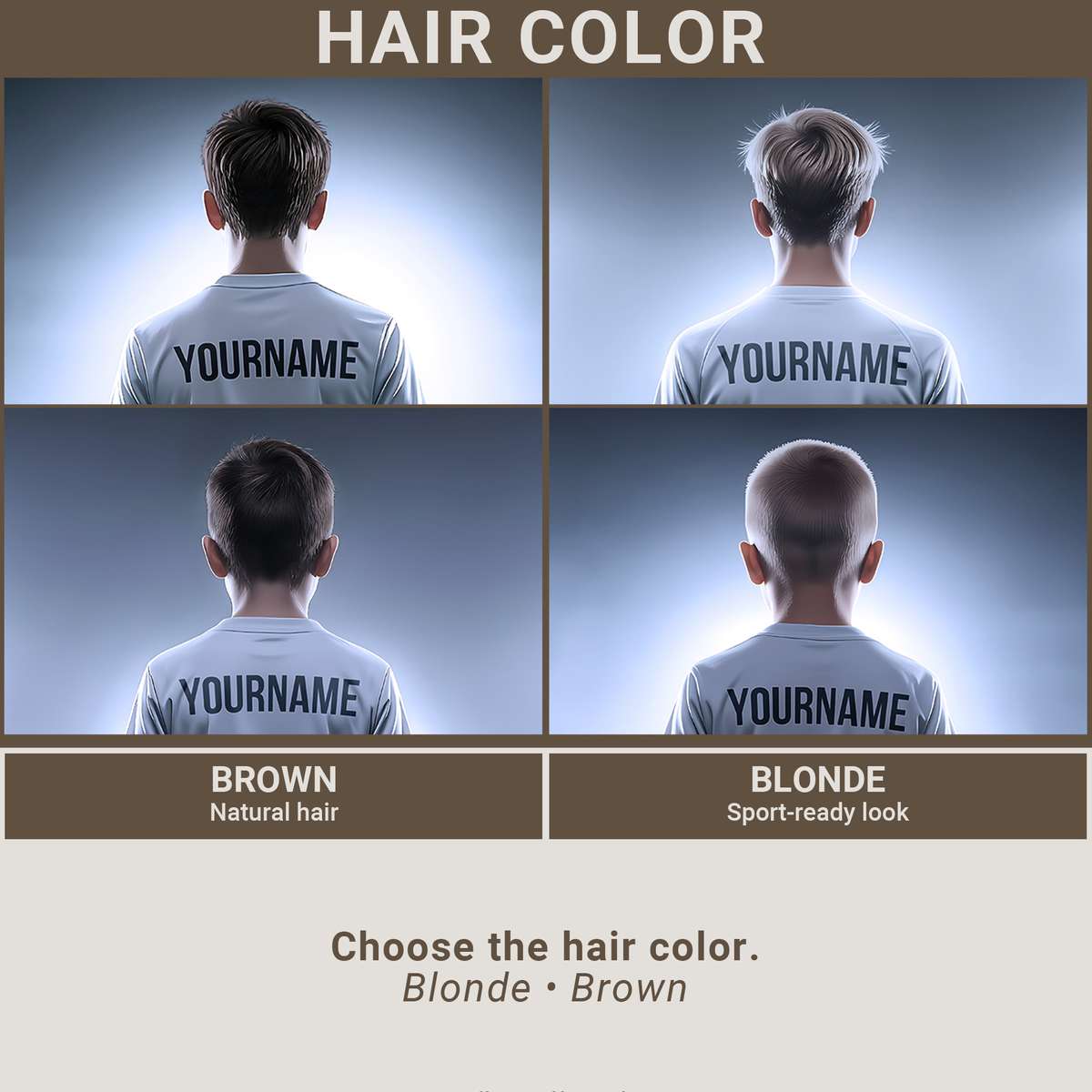
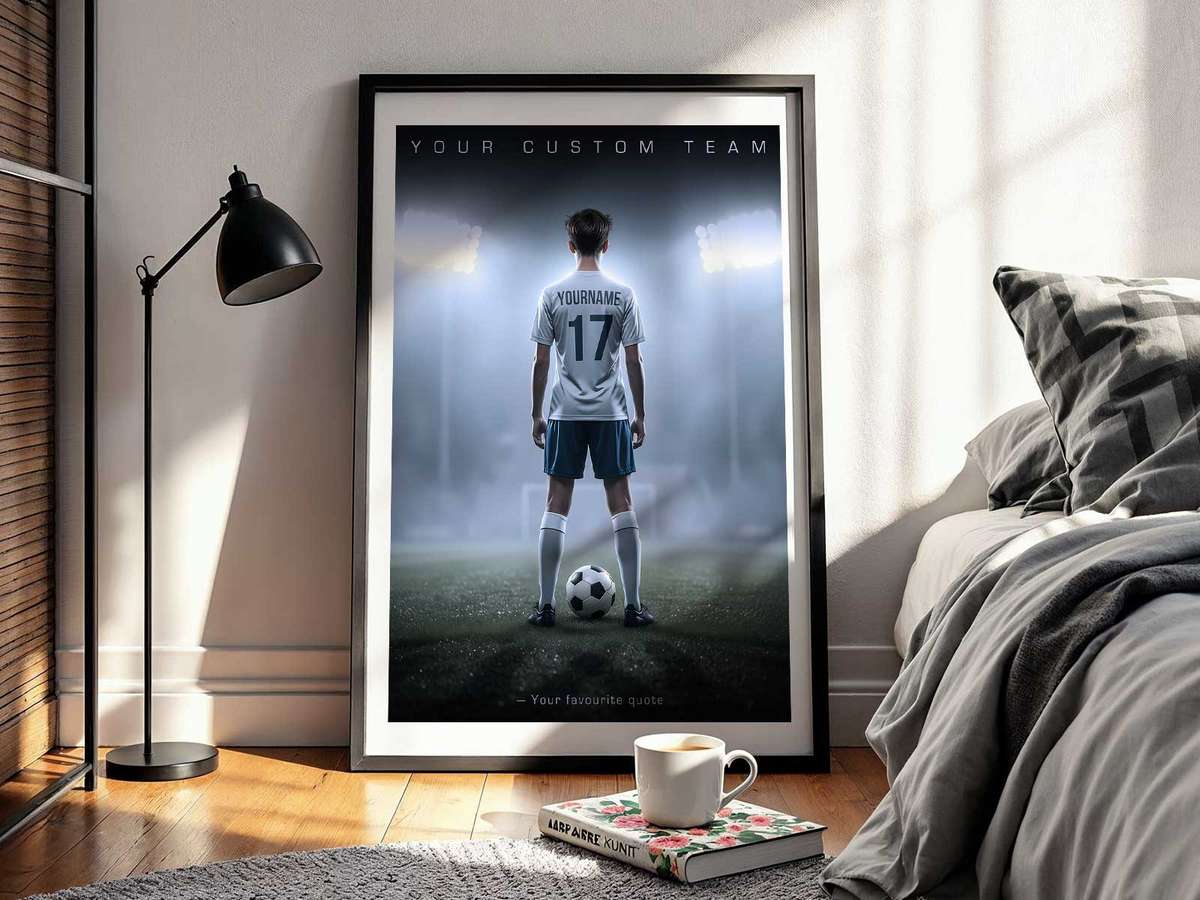
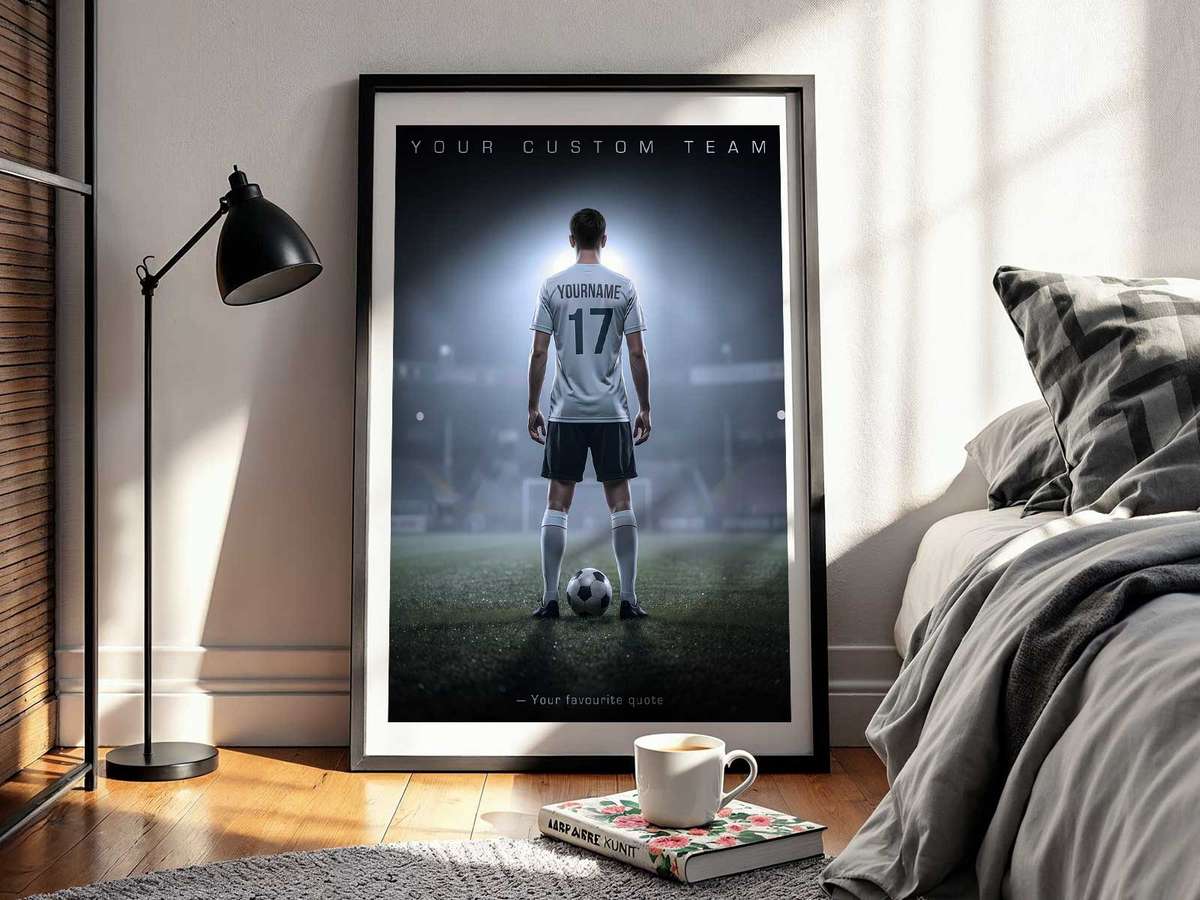
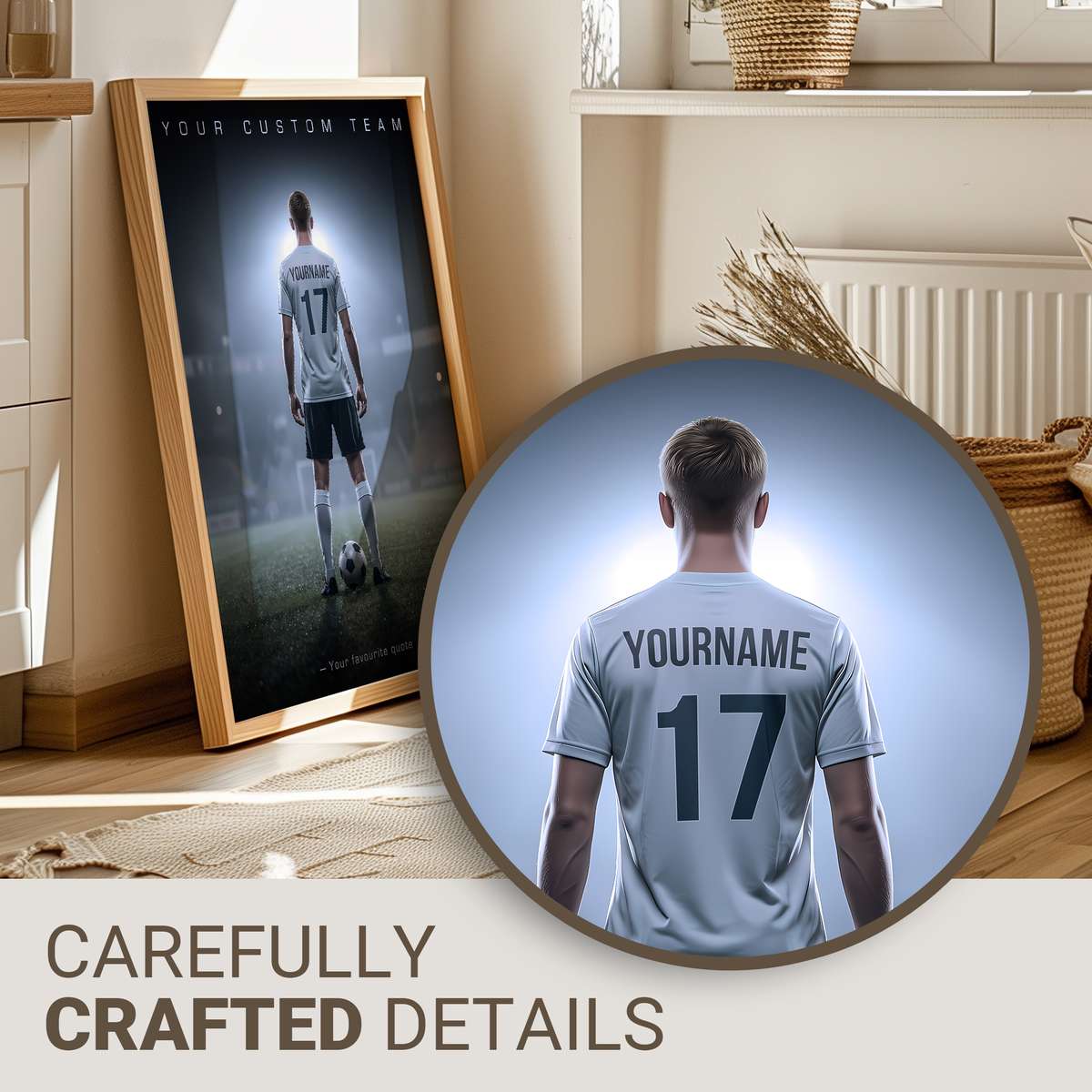
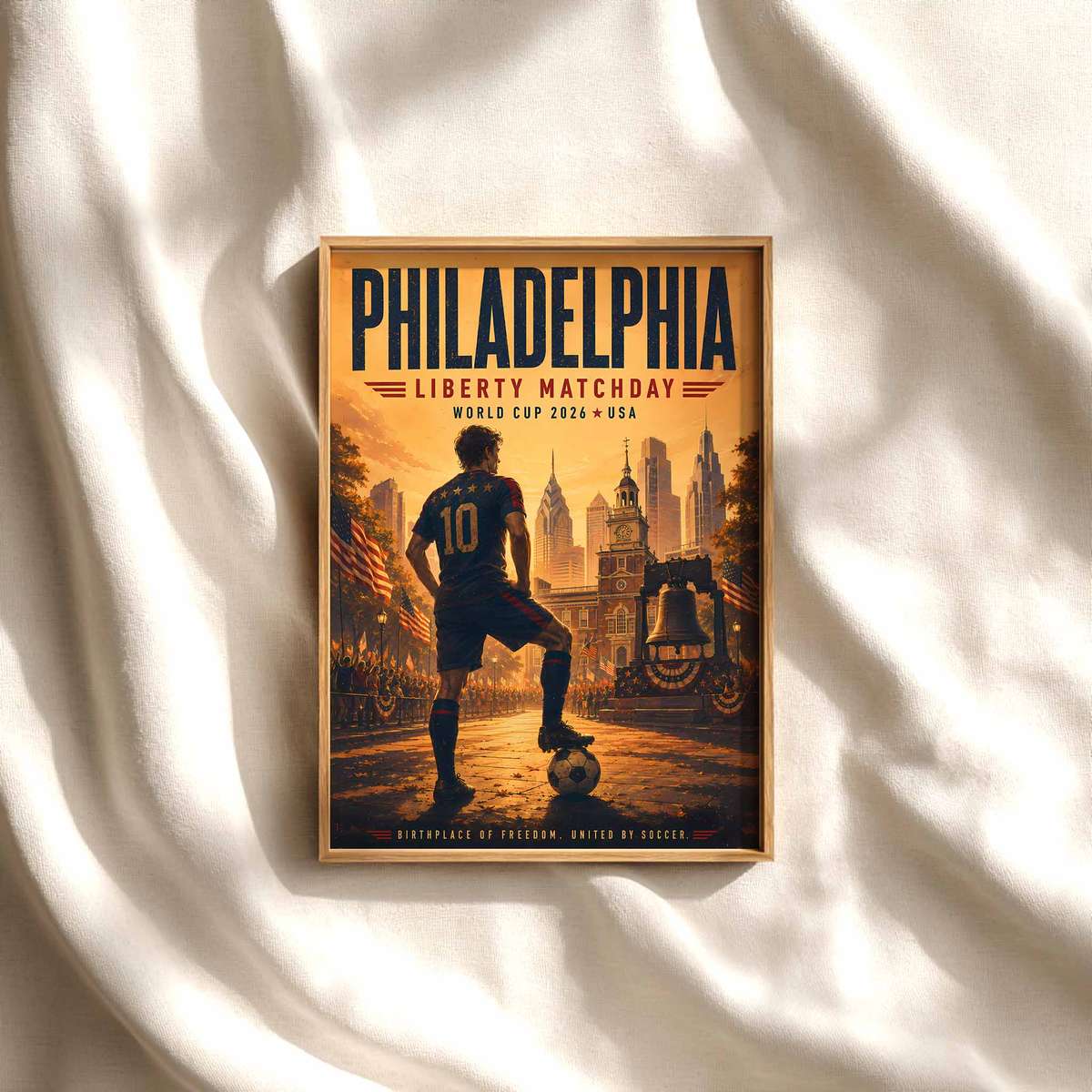
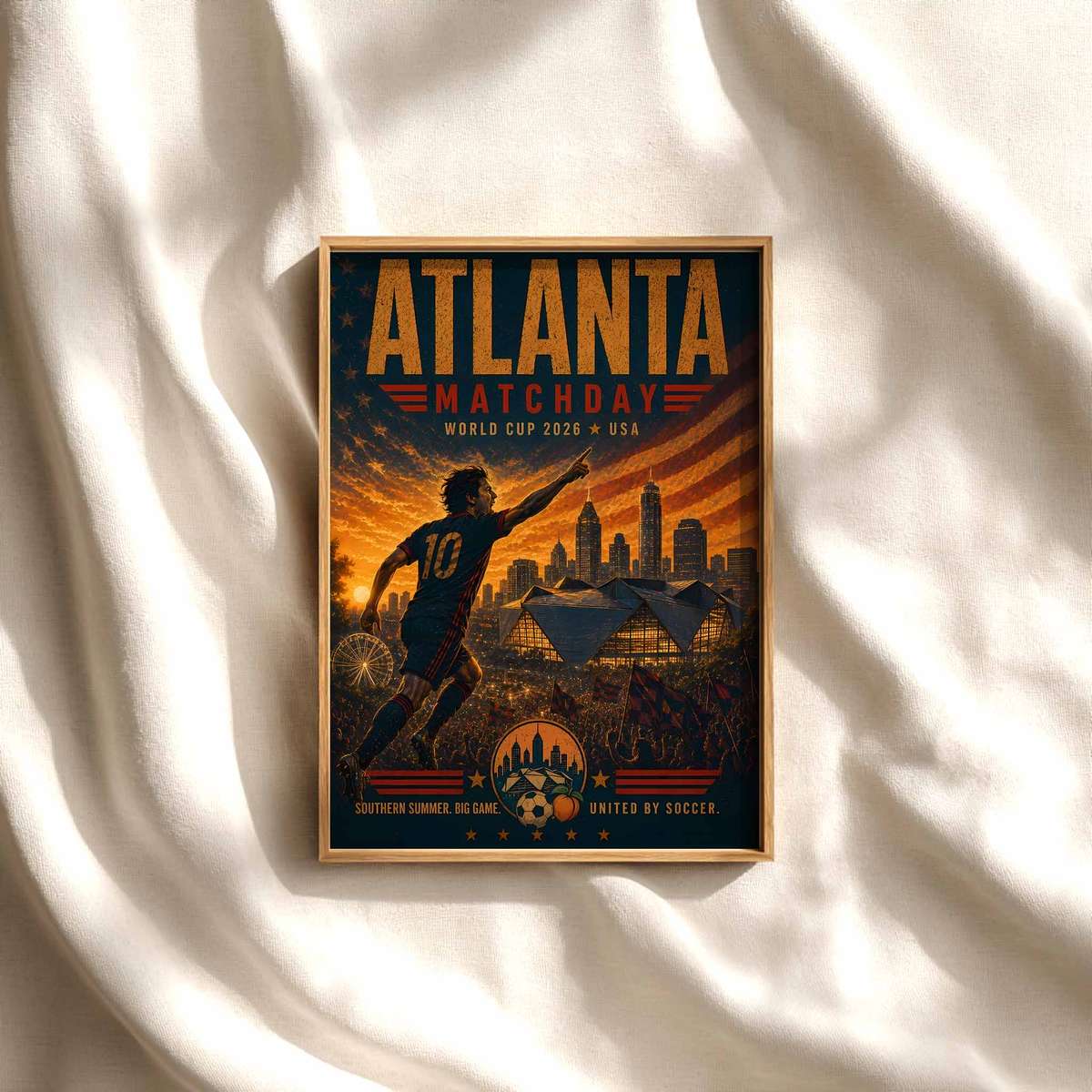
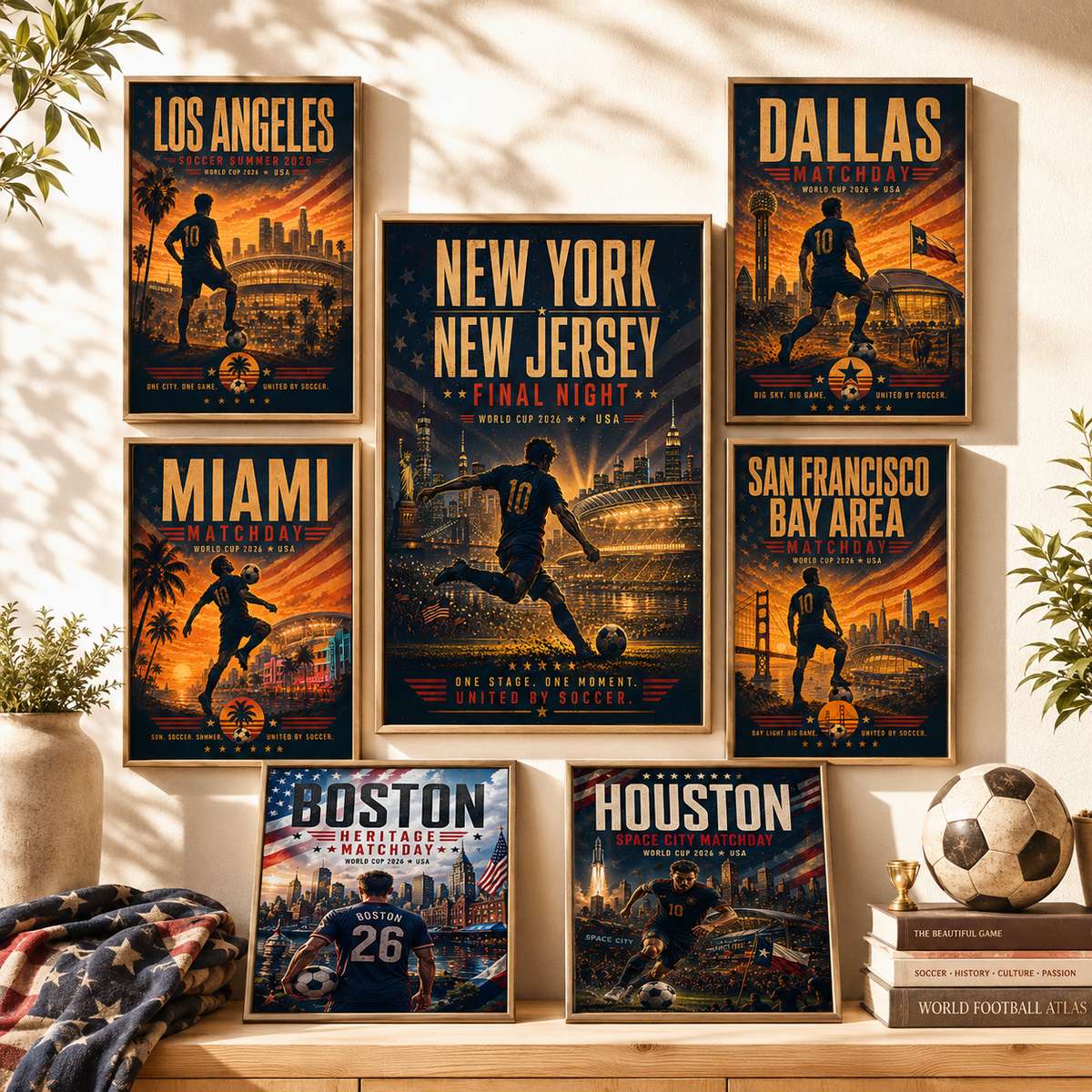
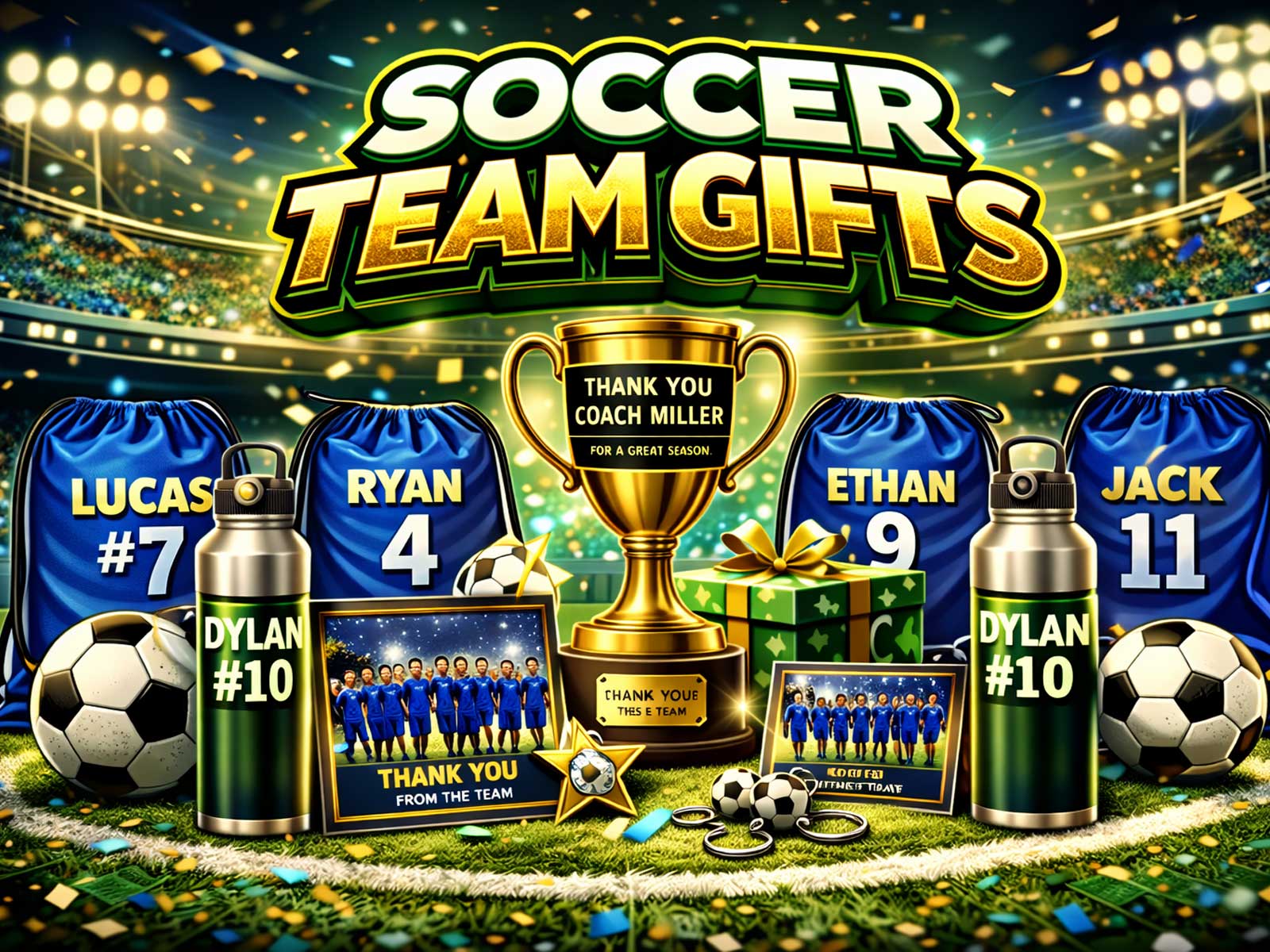
Tailor awards and keepsakes to maturity. For U8–U10, use simple badges, colorful certificates, or laminated mini-posters with team photos. For older youth, choose higher-quality keepsakes: framed action prints, custom posters showing name and season stats, or engraved medals. Younger kids value the moment; older players appreciate items that look good on a bedroom wall or in a locker.
[IMAGE_INSERT_ARTICLE_01]
Personalized keepsakes that last
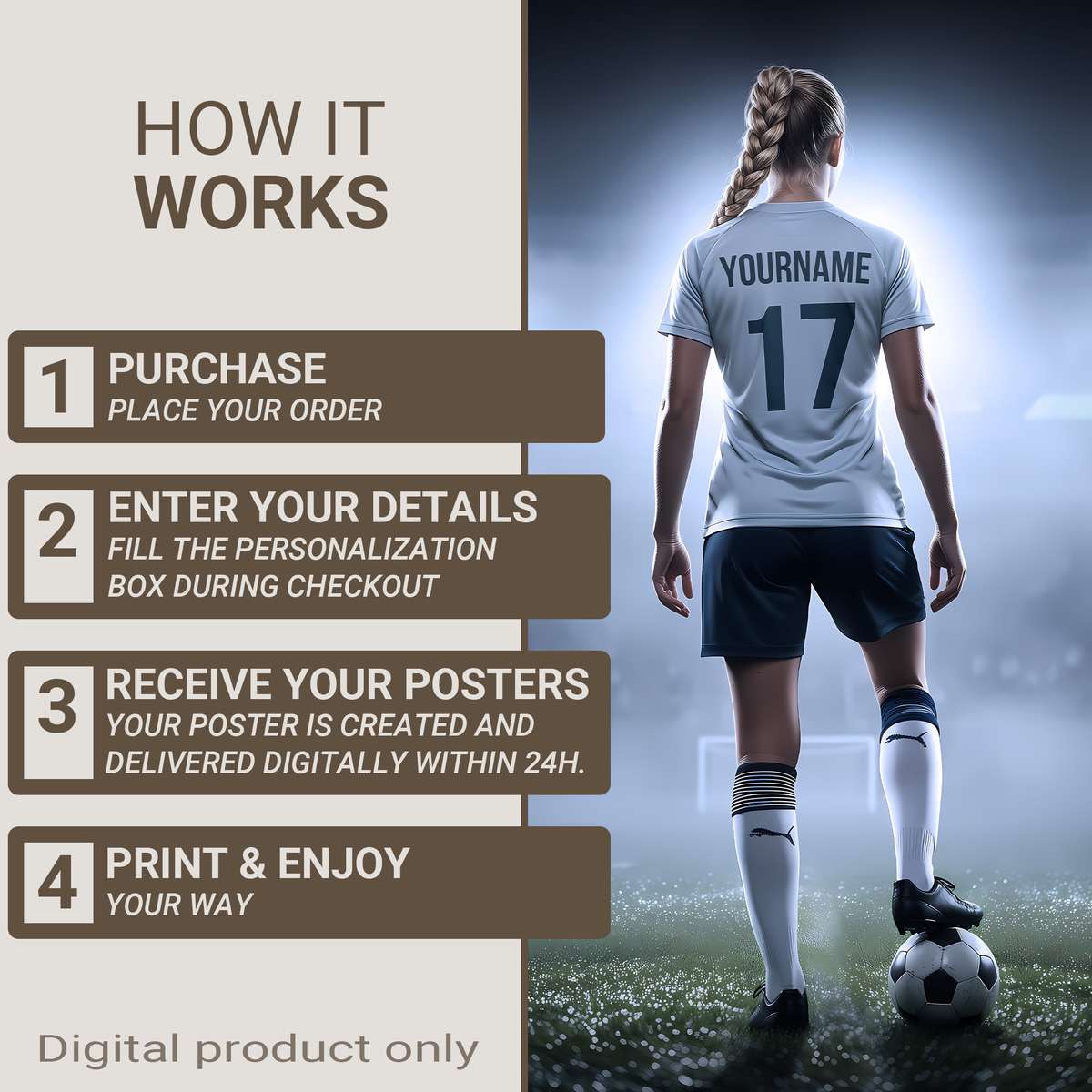
Prints and posters work well because they combine image and text: a team photo, the player’s name, a season highlight, and a brief praise line. Design choices matter — clean typography, team colors, and one crisp action shot make a print feel intentional rather than disposable. For teams who want a physical object, consider a compact plaque or a custom patch that can be sewn onto a bag.
Organizing the award night
Structure the event so each award feels earned. Announce categories ahead of time, keep remarks brief, and invite a coach or teammate to share one concrete example that explains the award. Hand each recipient their keepsake and read the short citation aloud. Finish with a team photo and a printed handout listing all awards so families have a record.
Avoiding awkwardness and fairness tips
To prevent hurt feelings: ensure every player receives something meaningful — rotate small recognitions, offer team certificates, or include a “Season Highlight” card for each child. Use objective criteria where possible and include player input through anonymous votes for categories like Best Teammate. Transparency and a positive tone make awards feel inclusive instead of divisive.
Author: