Soccer drills for 5 year olds: simple movement patterns that make beginners…
At age five coaching should focus on fun and ball familiarity: lots of touches, short activities, and simple movement patterns rather than tactical instruction. The right drills let beginners move with the ball, start and stop, and experiment without long queues or heavy correction.
Quick answer
Choose short, playful drills that maximise individual ball touches (dribble-weave, gate/maze games, snake/follow-the-leader, tag-style dribbling, and red light/green light). Use size 3 balls, small goals, and small areas so every child stays involved.
What you will learn here
- Which simple drills teach movement patterns and ball comfort at U5
- How to structure short activities to match attention spans
- Practical coaching cues, equipment choices, and common pitfalls
Quick access
Core drills to use with 5 year olds
The best beginner drills for this age are short, movement-based games that increase individual ball touches and encourage exploration. Recommended patterns include:
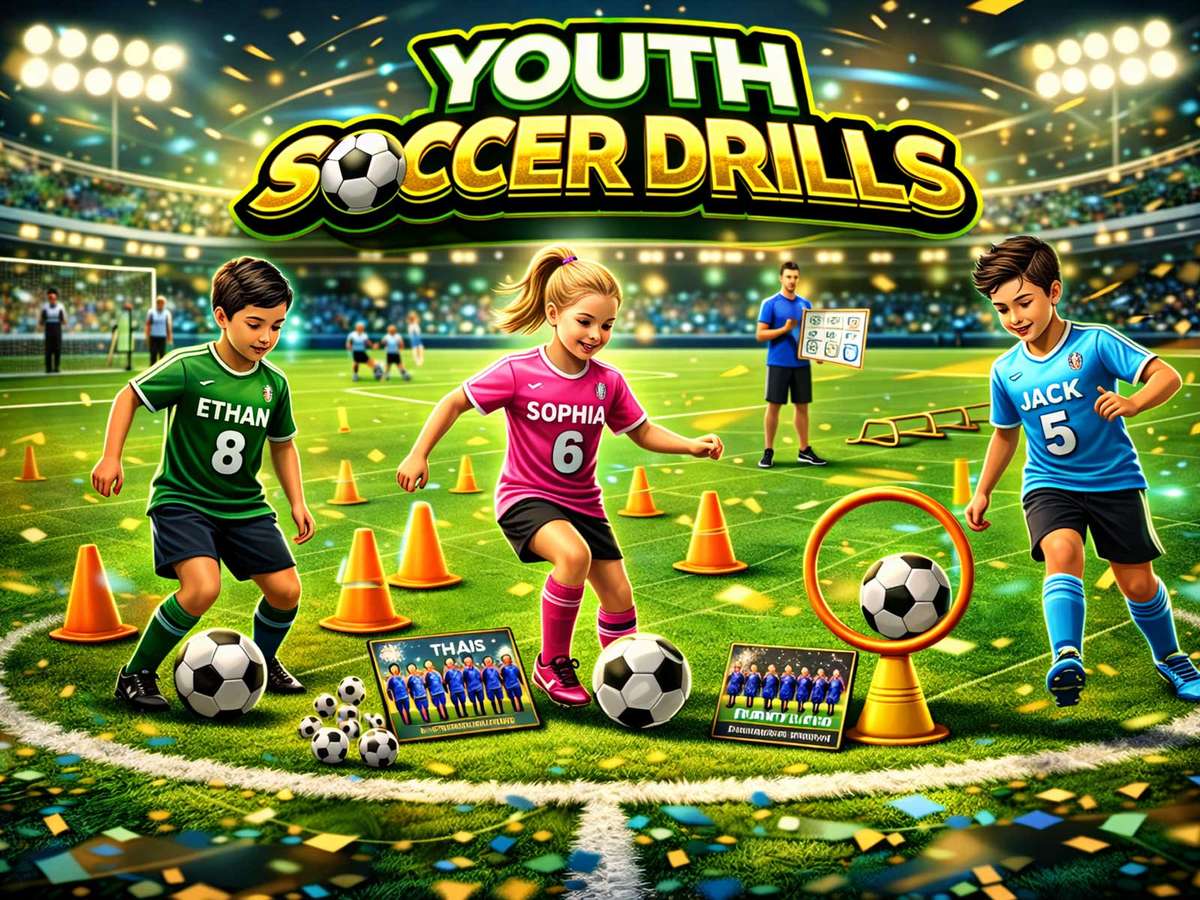
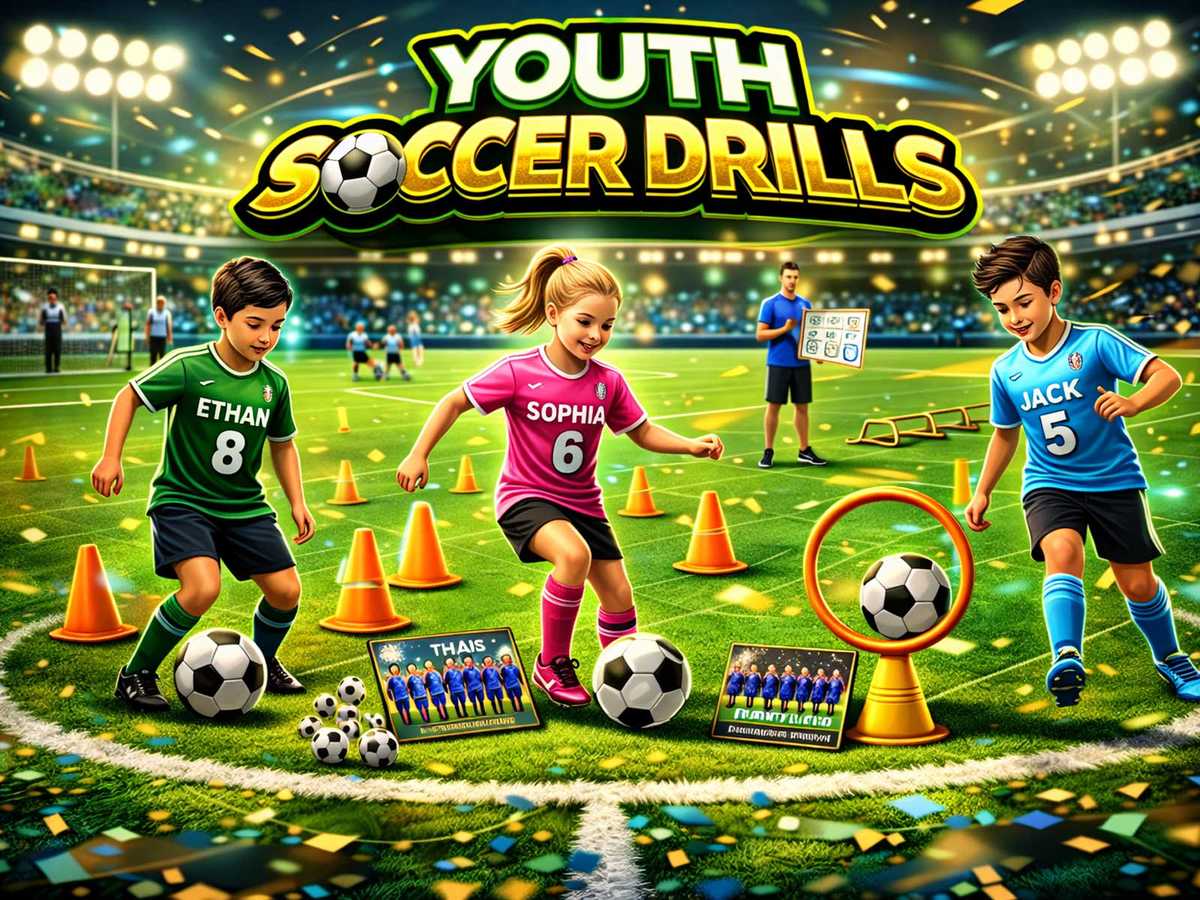
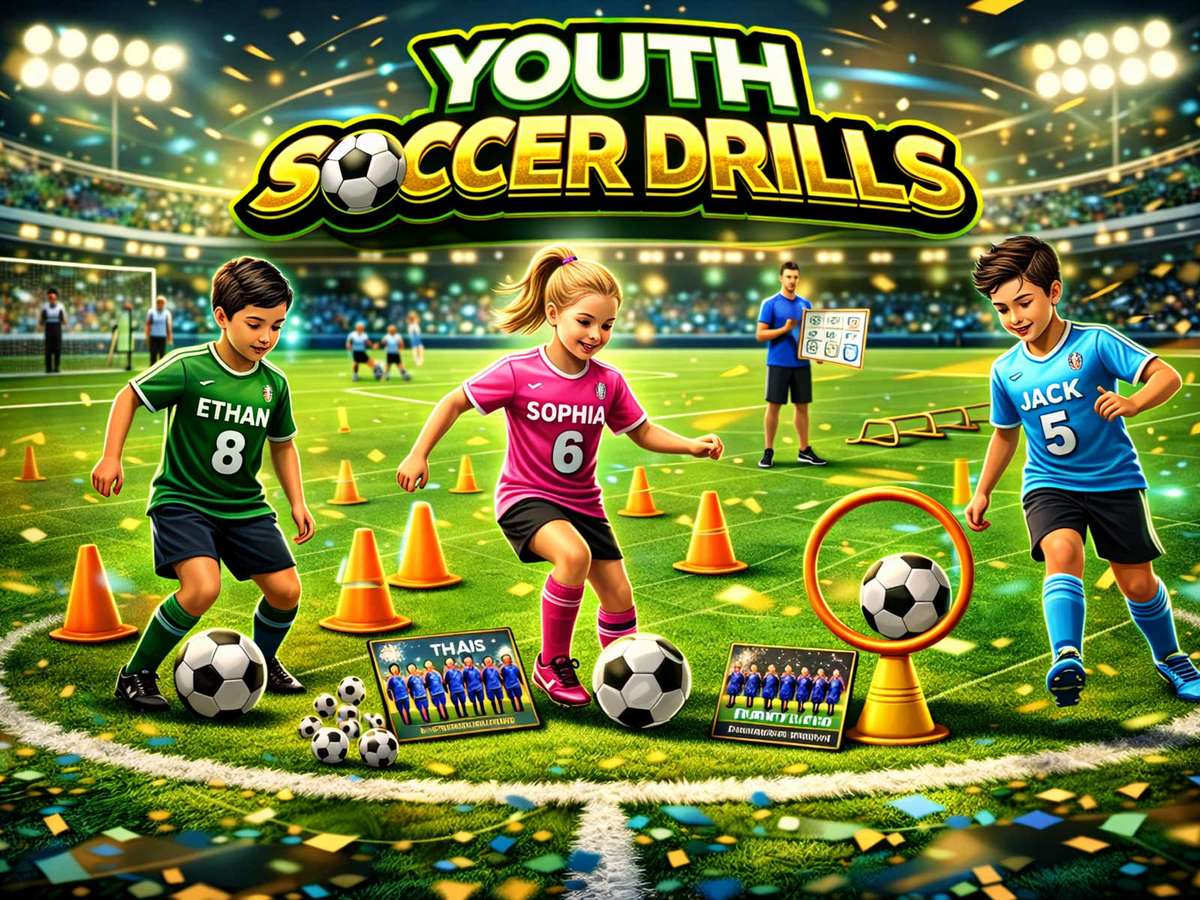
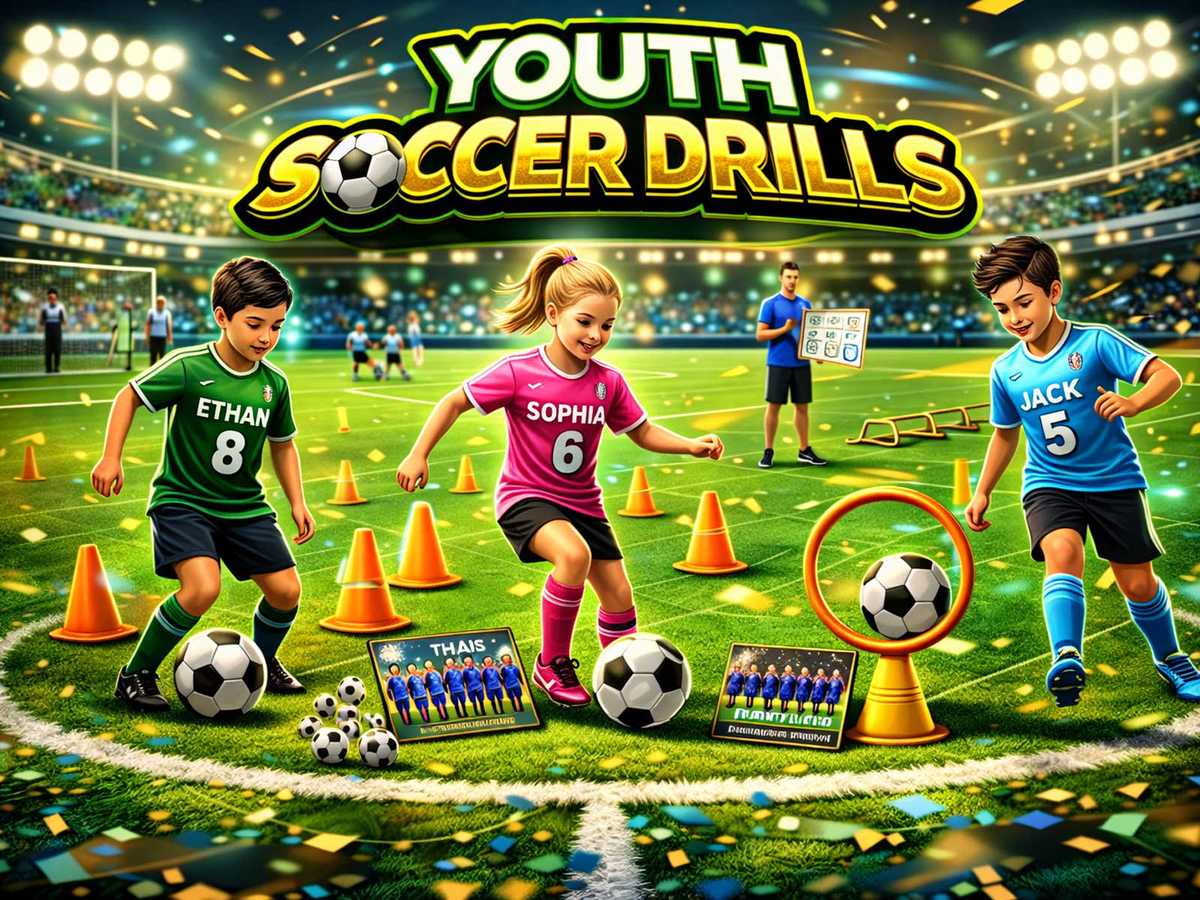
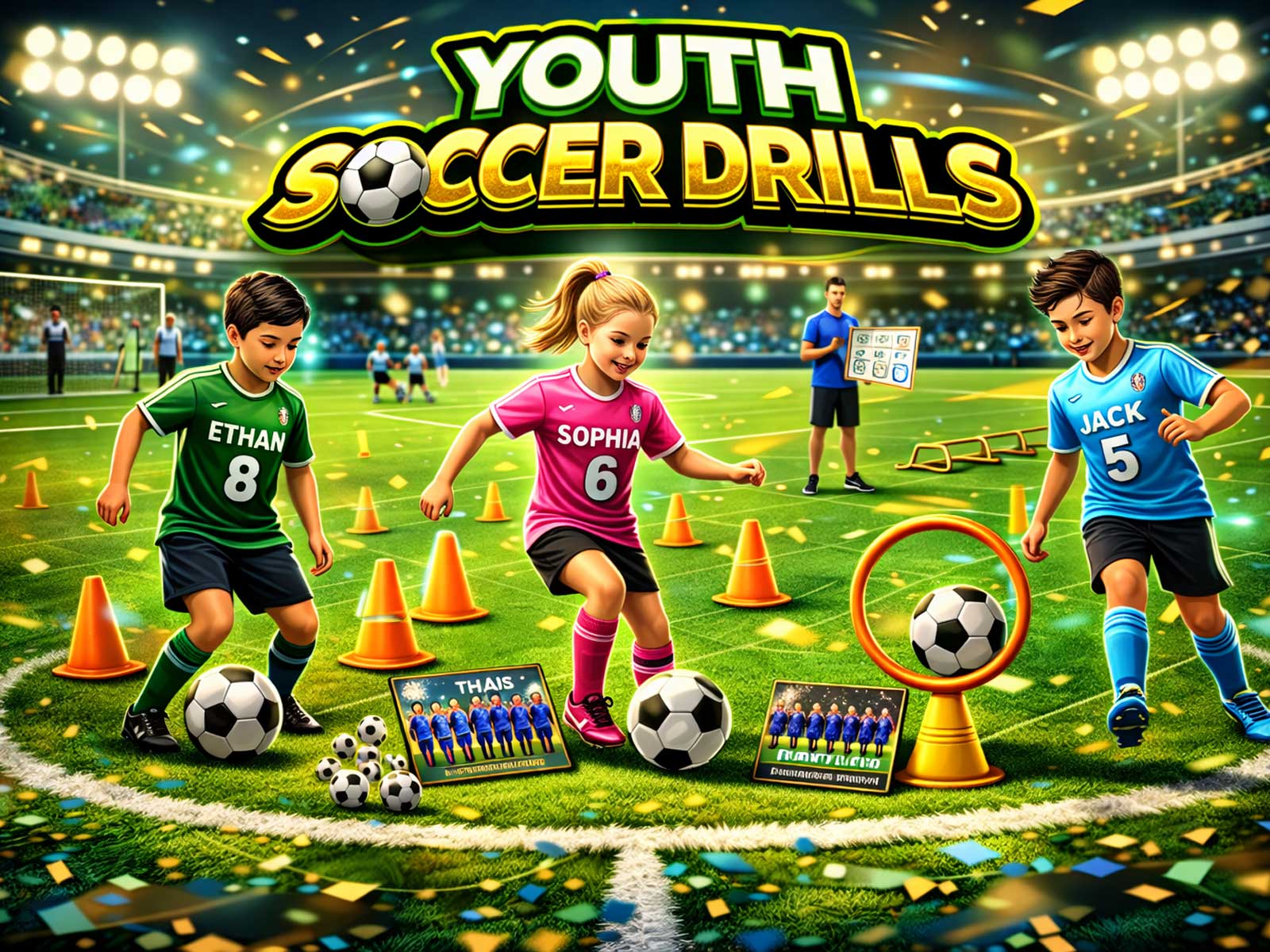
- Dribbling around cones (weaving): place cones in a line or gentle curve and ask each child to dribble through. This repeats change of direction and ball feel.
- Gates/maze games: two-cone gates scattered in a small area encourage players to choose paths, practice close control and steering.
- Follow-the-leader (snake) games: one child leads while others dribble behind, copying turns and speed changes; good for coordinated starts/stops.
- Tag-style dribbling games: everyone has a ball and tries to gently tag others’ balls or avoid being tagged, which develops awareness while keeping freedom of movement.
- Red light / green light: players dribble on green, stop the ball and freeze on red; effective for teaching stopping, starts and simple control.
Each of these drills emphasises basic movement patterns—changing direction, accelerating, decelerating and ball manipulation—while keeping the activity playful and short.
Simplicity, clarity and attention span
Five-year-olds learn best when instructions are extremely brief and activities change often. Use one short sentence and a quick demonstration before each drill: show the movement pattern, then let them try. Avoid long verbal lists of rules; instead, demonstrate and let natural play deliver the learning.
Keep station times short and eliminate queues by running multiple small activities simultaneously. Short, fast-moving activities sustain engagement and maximise ball touches, which is the primary developmental goal at this age.
Correction, demonstration and coaching language
Positive reinforcement and demonstration are the preferred methods. Give frequent praise for effort and small successes—touches, good stops, trying a turn—rather than technical perfection. Demonstrate a turn or stop yourself, or use an assistant to model. Keep correction simple: one short cue (for example, "touch it gently" or "stop the ball") and then move on. Overloading with corrections will confuse players and reduce confidence.
Session organisation and repetition without chaos
Design sessions as a sequence of multiple short activities so players are always moving and always with a ball. Use small areas and small equipment to keep things tight and active. A useful structure is 3–5 activities of 5–8 minutes each, alternating coach-led demonstrations with free-play versions of the same drill to allow creativity.
Small-sided play with small goals (for example, 3v3) should be introduced with an emphasis on having the ball, not tactics. Size 3 balls are appropriate and make ball control easier for small feet. The limited field size reduces waiting and gives each child more meaningful involvement.
How young players actually learn early skills
At five, children primarily learn through play and repeated, meaningful contact with the ball. Physical development is uneven, so drills must allow each child to experience success. Repetition should be manageable: short, frequent opportunities to perform the same movement in slightly different contexts (e.g., weave cones then weave gates) builds pattern recognition without boredom.
Creativity matters; allowing freedom within a drill helps children discover different ways to stop, turn and dribble, which supports long-term comfort with the ball.
Common mistakes new coaches make
New coaches often fall into a few predictable traps: over-instructing, creating long queues, using adult-sized equipment, and correcting too much technical detail. Each of these reduces touches and engagement. The fix is simple: shorten instructions, run multiple small activities, use size 3 balls and small goals, and prioritise encouragement over technical correction.
How to progress a drill without losing the group
Progressions at U5 should be tiny and clear. Examples include: make the weaving pattern slightly tighter, add a gentle ‘finish’ at a small goal, or introduce a friendly opponent for a brief moment. Introduce one change at a time and demonstrate it. If a progression increases confusion or queues, step back—the goal is more touches, not more complexity.
Foundations that transfer into real play
Drills that promote ball familiarity, quick starts and stops, and confidence in one-on-one movement create the bedrock for later technical and tactical learning. The simple movement patterns practiced—dribbling, stopping, turning, and spatial awareness—are directly transferable to informal games and small-sided play. Early success with the ball builds willingness to participate and try new skills as players age.
Closing interpretation
For five-year-old beginners, the right soccer drills are less about perfect technique and more about repeated, joyful contact with the ball inside short, well-organised activities. Use playful patterns—weaving, gates, snake games, tag-style dribbling and red light/green light—choose size 3 balls and small areas, keep instructions minimal, and reward effort. This combination keeps players engaged, builds fundamental movement patterns, and starts a positive relationship with the sport.
Author: Cynthia D.