Soccer drills for 6 year olds: simple control, turning and listening habits
At age six, players learn best when activities are very short, active, and clearly signalled. This article explains which beginner-friendly soccer drills for 6 year olds reliably introduce simple ball control, turning and coach-following habits while respecting short attention spans and motor development.
Quick answer
Use very short, fun activities—cone slaloms, start/stop close control, 1v1 quick-turn contests and small-sided keep-away—on small fields with a Size 3 ball. Embed listening through simple signals and games with less than 1–2 minutes of talk between activities.
What you will learn here
- Which drills teach close control and turning for U6 players.
- How to structure short, active sessions that build listening habits.
- Practical coaching cues, common mistakes and simple progressions.
Navigate this guide
What beginner coaching drills really need to do
For 5–6 year olds, the objective is not technical perfection but repeated, successful contact with the ball and simple decisions in a playful context. Drills should maximise touches, keep players moving, minimise waiting and use a Size 3 ball so the equipment matches their developing coordination. Practically, that means short tasks (often 30–90 seconds), lots of small grids or cones to limit space, and rules that reward basic control and turning rather than complex technique.
Simple drills that teach control and turning
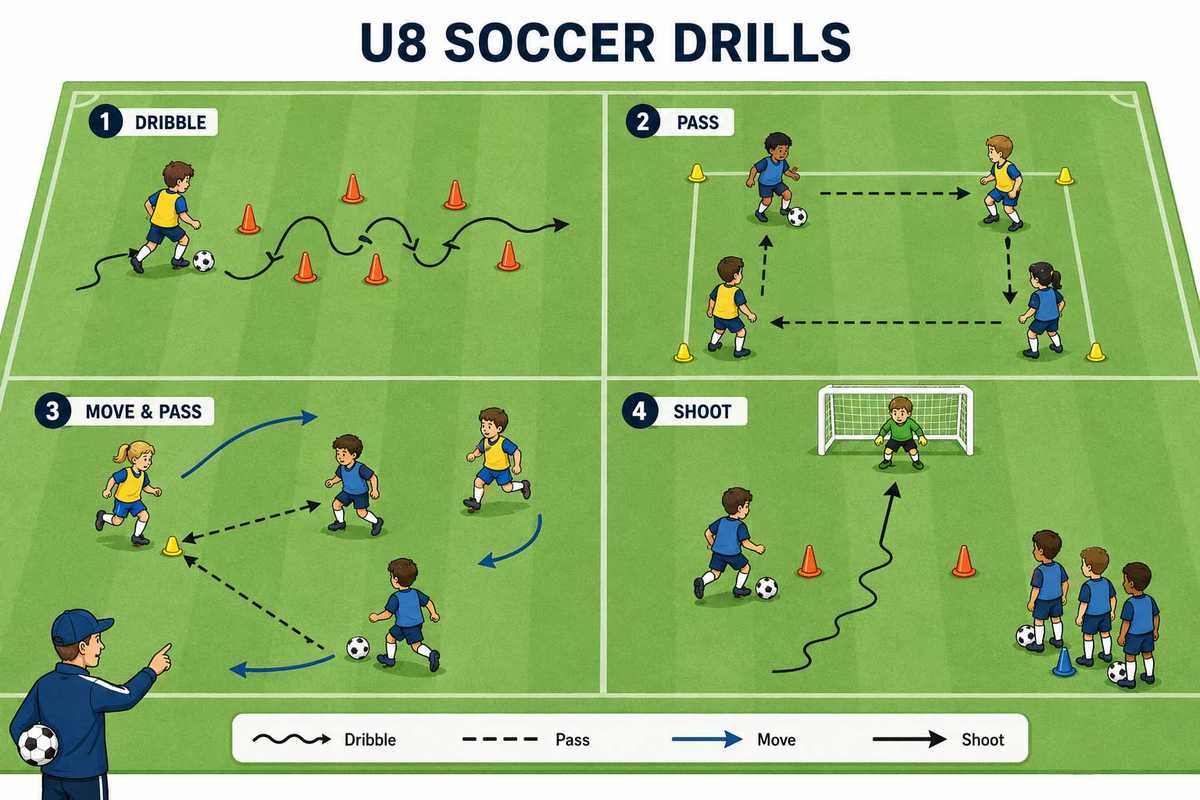
Choose a small number of clear, repeatable formats. The verified guidance highlights three categories that reliably work for U6:
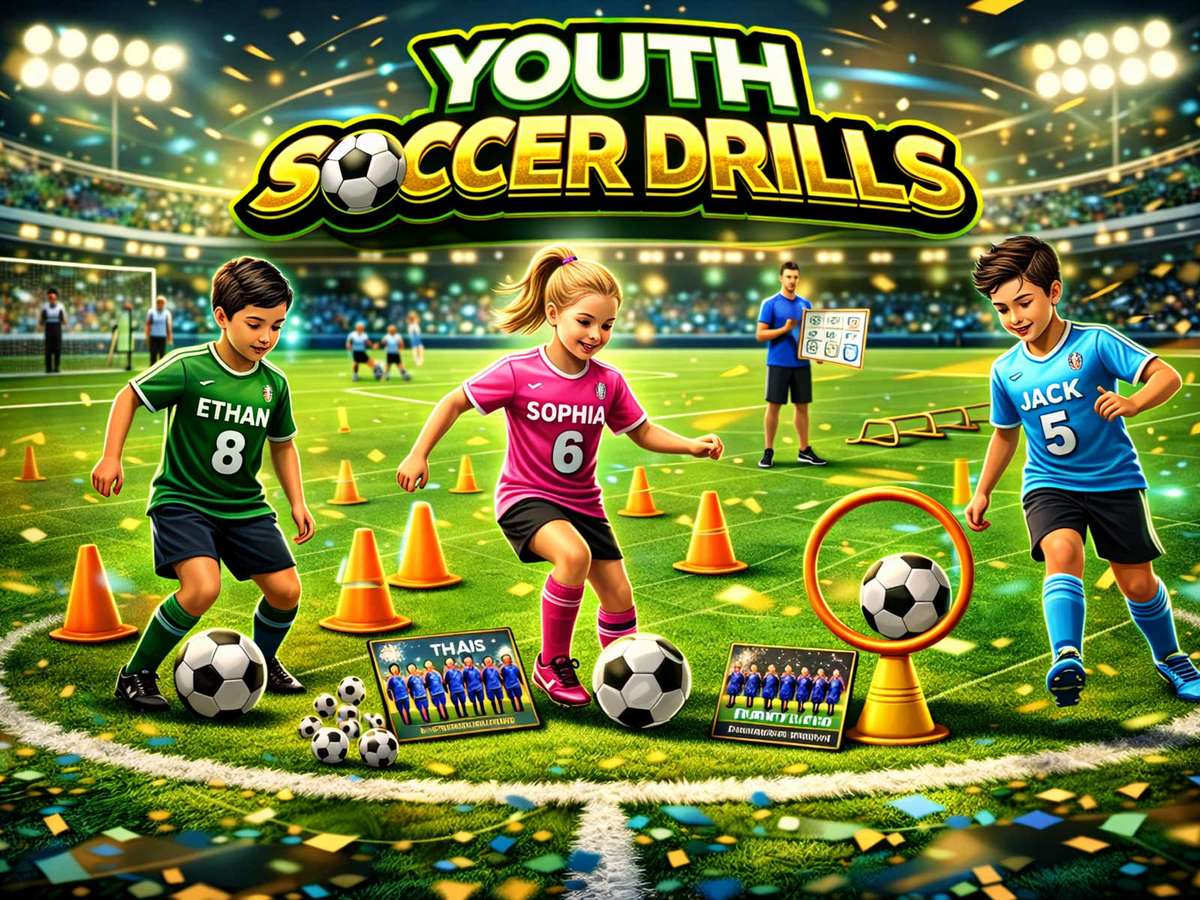
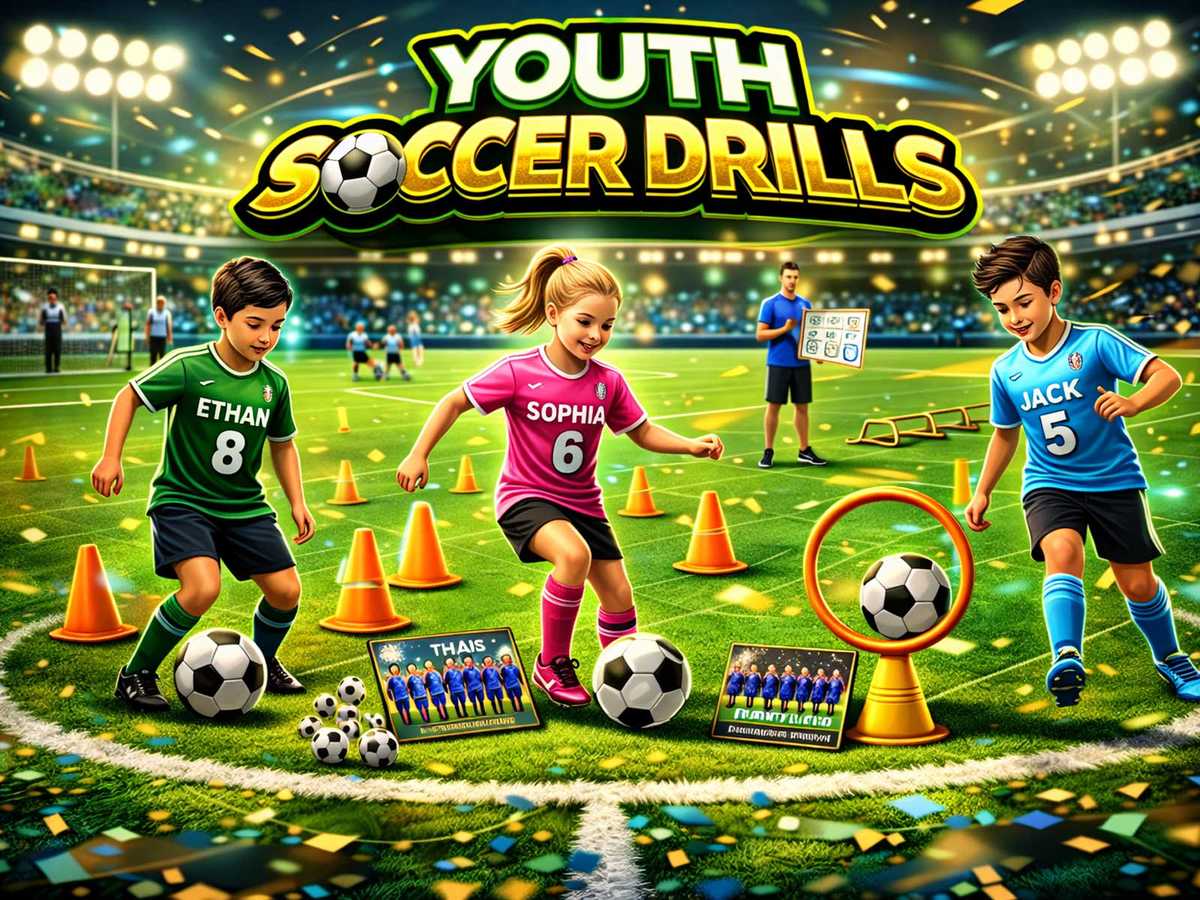
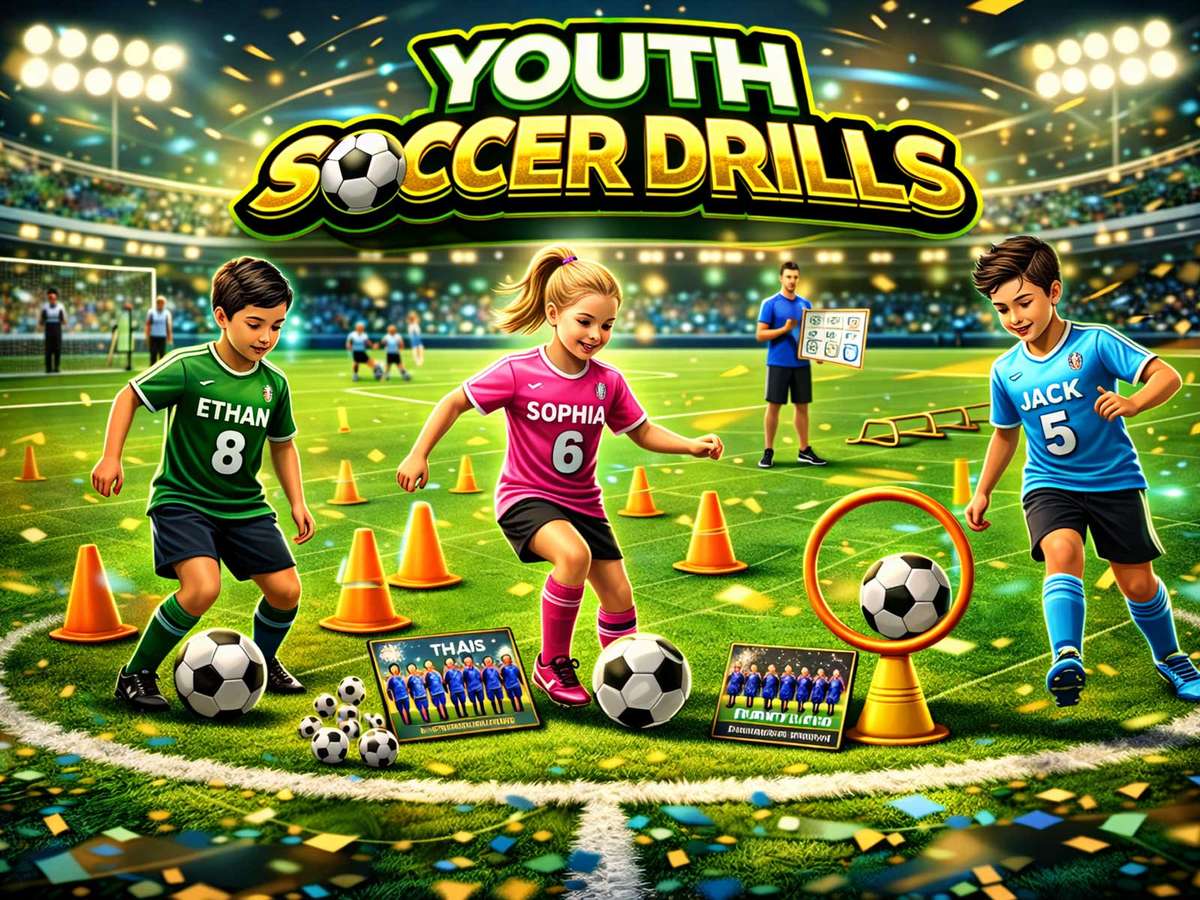
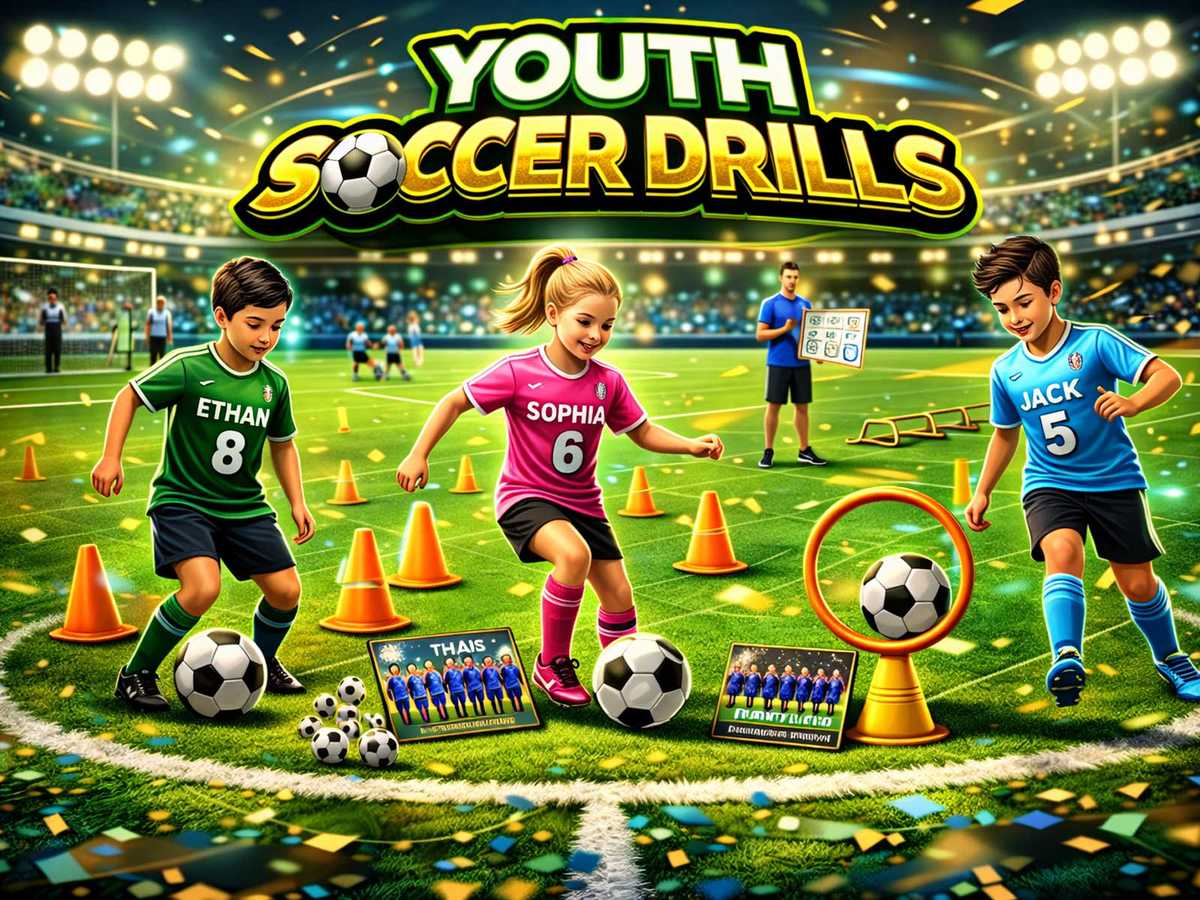
- Cone slalom (dribbling through cones): sets up straight-forward close-control practice where a child repeatedly touches the ball while moving. Keep cone spacing wide enough for comfortable touches but close enough to require direction change.
- Start/stop close-control in small grids: short runs where the coach calls “stop” and the player must use a soft first touch to trap the ball or pull it back. This reinforces touch quality and attention to signals.
- 1v1 quick-turn contests and cone turning courses: head-to-head or solo turning exercises teach how to change direction under light pressure. Small, game-like contests make turning a concrete outcome—win the race, keep the ball in the grid, or beat the defender to a cone.
Small-sided keep-away games (for example 3v3) are also recommended because they maximise touches and force players to control and turn under realistic, low-pressure conditions.
Teaching listening and coach-following habits
Listening at U6 is best embedded in the play. Use short, game-like signals (red light/green light, call-and-response cues, or simple “coach says” variants). Keep verbal instruction to under 1–2 minutes between activities and favour demonstrations or a quick player example. The goal is predictable, repeatable signal–action pairs so children learn to react quickly to the coach without prolonged lecturing.
Session organisation and repetition without chaos
Organise sessions into many short blocks: warm-up (5 minutes of active games), technical stations (3–4 activities of 60–90 seconds each), small-sided play (3v3 or 4v4) and a closing game. Stations should be spaced so there’s minimal queueing—use more balls and more coaches/helpers if available. Repetition comes from frequent, varied opportunities rather than long drills: rotate activities every minute or when attention fades.
Correction, demonstration and coaching language
Use concrete, single-point cues: “soft first touch,” “turn shoulder,” or “look up” rather than multi-step instructions. Demonstrate quickly and, when possible, ask one child to show the movement. Corrections should be immediate, short and tied to the next repetition: correct, demonstrate, and let them try again. Over-coaching kills tempo and attention; aim for one correction per player per activity at most.
Common mistakes new coaches make
New coaches often talk too long, set activities that are too complex, or allow players to wait in long lines. Other frequent errors: using full-size balls, running big-field drills that reduce touches, and failing to embed listening into playful cues. Each mistake reduces repetitions, increases disengagement and limits simple decision-making—precisely what U6 training should be maximising.
How to progress a drill without losing the group
Progressions should be minimal and clear: reduce cone spacing to increase touch frequency, add a passive defender to encourage quicker turns, or convert a solo drill into a short 1v1 contest. Limit each progression to one variable at a time and keep the new rule in place for only a minute or two before returning to the simpler format. If attention drops, simplify immediately and finish the activity on a successful attempt.
Foundations that transfer into real play
These simple drills build observable match-ready habits: more frequent touches (control), the ability to change direction (turning) and quick responses to coach signals (listening). In small-sided formats, players practise decision-making that mirrors match problems—who to beat, when to turn away from pressure, and when to pass. The training payoff comes from repeated, successful problem-solving in small spaces rather than perfect technique in isolation.
Closing interpretation
For six-year-olds, the best soccer drills are short, active and game-like. Use a Size 3 ball, structure sessions to avoid waiting, and blend cone work, start/stop close-control and very short 1v1 turning contests with small-sided keep-away. Coach with concise demonstrations, simple cues and predictable signals so listening becomes part of play. That combination gives players repeated touches, clear decisions, and early confidence without overloading their developing attention or motor skills.
Author: William L.