Under 6 Soccer Drills: Prioritise Coordination, Discovery and Ball Confidence
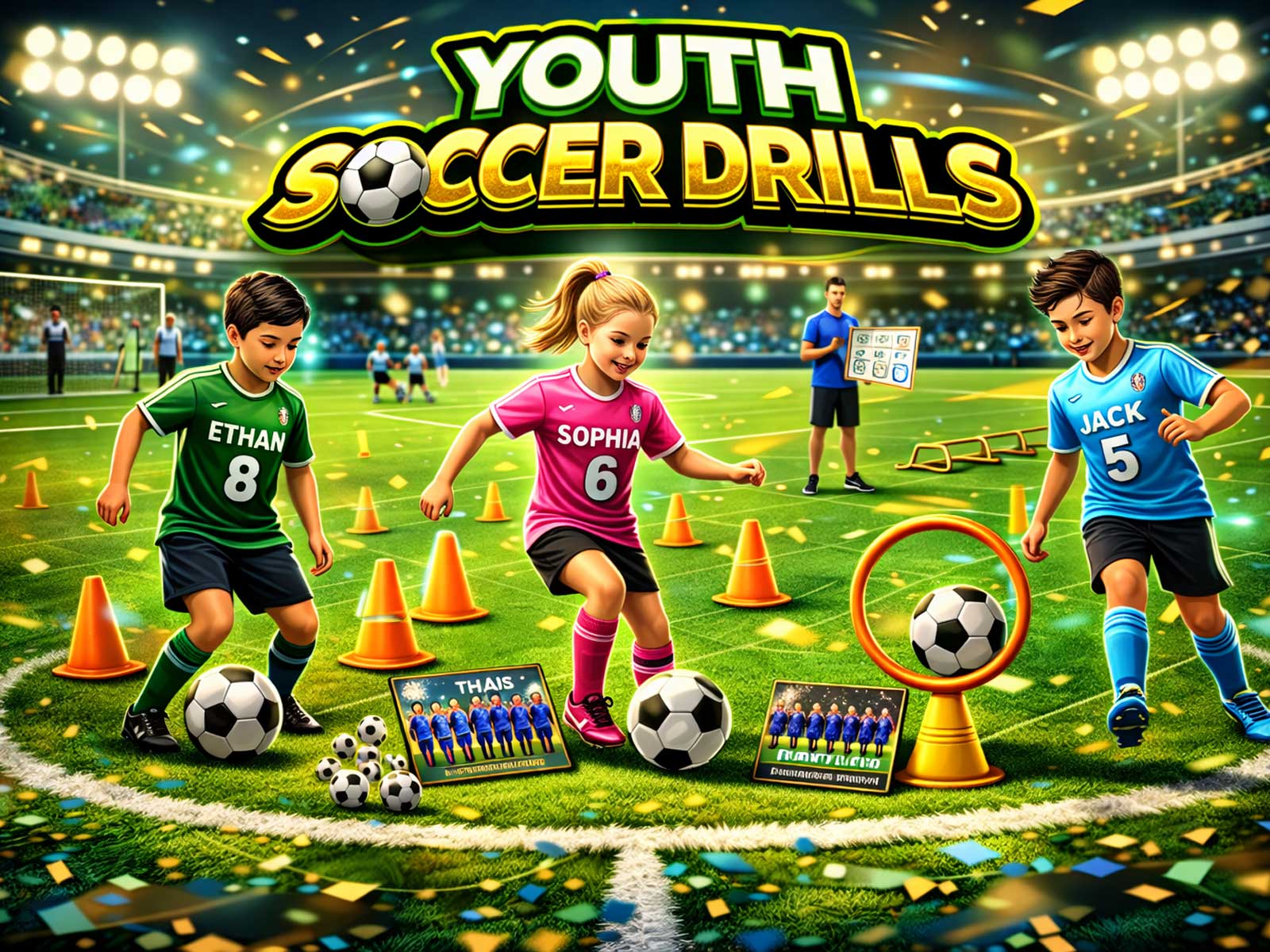
For coaches of under‑6 players, the best drills are not fancy tactics or rigid technique circuits — they are short, playful activities that grow coordination, discovery and basic ball confidence. This article explains what beginner coaching drills for U6 should actually aim to do, how to run sessions that match young attention spans, and which common coach mistakes to avoid.
Quick answer
Under 6 soccer drills should develop fundamental movement and coordination, create playful situations for ball discovery, and give children many short, successful touches to build confidence.
What you will learn here
- Why coordination and ball familiarity matter more than tactics at U6
- How to design very short, play‑based drills that keep movement and touches high
- Practical coaching language, equipment choices and mistakes to avoid
What beginner coaching drills really need to do
Verified guidance for U6 coaching prioritises fundamental movement skills — balance, running, stopping and turning — alongside making the ball feel familiar. A drill for this age should not try to teach tactics or technical perfection. Instead, it should expose children to repeated basic ball actions (dribbling, stopping, short passing) embedded in play so they practise movement and ball contact together.
Simplicity, clarity and attention span
Sessions must be short and change frequently. Young players have limited attention spans, so plan many 2–6 minute activities rather than one long drill. Use clear, simple instructions and an imaginative story or theme (for example, hunting treasure) to frame the task. This guided discovery approach keeps controls light and lets children learn by trying rather than by long verbal explanation.
How young players actually learn early skills
At U6, children learn through movement and repetition inside playful contexts. They need lots of touches on the ball with minimal queuing. Small‑sided formats and games that force constant movement produce vastly more opportunities to touch the ball and solve simple problems — both key to building confidence and coordination.
Session organisation and repetition without chaos
Design sessions that keep players active and reduce standing in line. Use multiple small activity stations or rotate quickly through short games. Size‑appropriate equipment (small goals, appropriately sized balls) and no goalkeepers in small‑sided play further increase touches and simplify tasks. Keep group sizes small where possible — formats like 3v3 or 4v4 are recommended because they maximise engagement and involvement for every child.
Correction, demonstration and coaching language
Positive, simple feedback works best. Use brief demonstrations and encourage discovery questions rather than long technical lectures. Praise successful attempts (e.g., a good touch or clever turn) and give one clear coaching point at a time. This aligns with established youth coaching principles emphasising positive encouragement and fun.
Fun, confidence and keeping players engaged
Playful drills build confidence by creating many small successes: finding space, keeping the ball close, or completing a short pass. Imaginative themes and games maintain engagement while ensuring the practice remains focused on ball familiarity. Coaches should measure success by how often players touch the ball and try new movements, not by perfect technique.
Common mistakes new coaches make
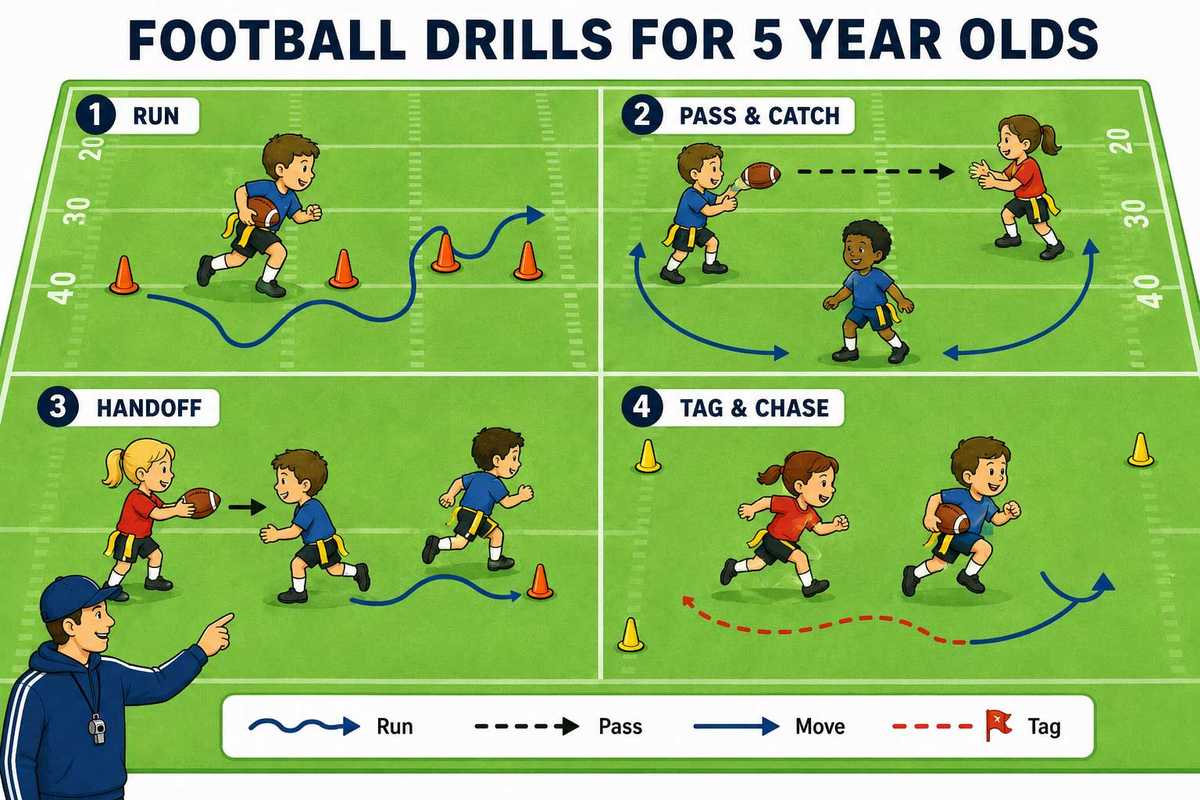
Several recurring errors reduce drill value for U6: running long technical drills, excessive verbal instruction, allowing long queues, using oversized equipment, and encouraging competition that removes the ball from less confident children. Avoid these by shortening activities, simplifying instructions, and ensuring every drill gives each child repeated ball contact.
How to progress a drill without losing the group
Progressions should be minimal and reversible. Add a small constraint (e.g., only left‑foot touches, or score by dribbling through a gate) or reduce space slightly to increase decision demands. If players become confused, remove the constraint and return to the original playful version. The aim is slight challenge, more touches, and maintained enjoyment—not immediate technical mastery.
Foundations that transfer into real play
The practical transfer from U6 drills to games is straightforward: better balance and ball familiarity make children more comfortable pursuing and keeping the ball during small‑sided play. Frequent touches and movement practice help players recognise simple options in match‑like situations. Emphasising discovery and confidence prepares players to try actions in a match rather than freeze under pressure.
Closing interpretation
Under 6 soccer drills are most effective when they combine movement, short focused repetition, and playful discovery that builds confidence with the ball. Keep activities short, equipment appropriate, instructions simple, and feedback positive. When coaches focus on coordination and ball familiarity through small‑sided, touch‑rich practice, they create the foundations young players need to enjoy the game and continue learning.
Author: Eric M.