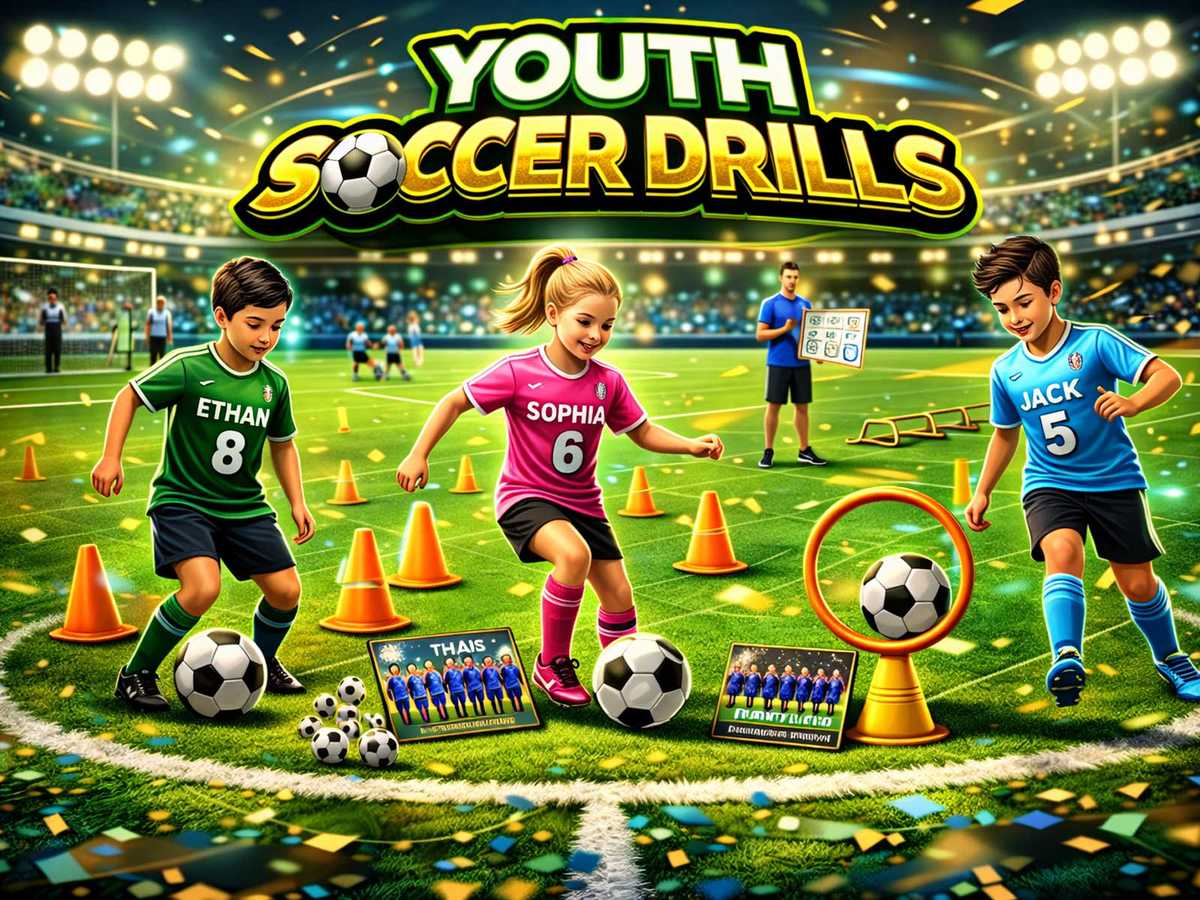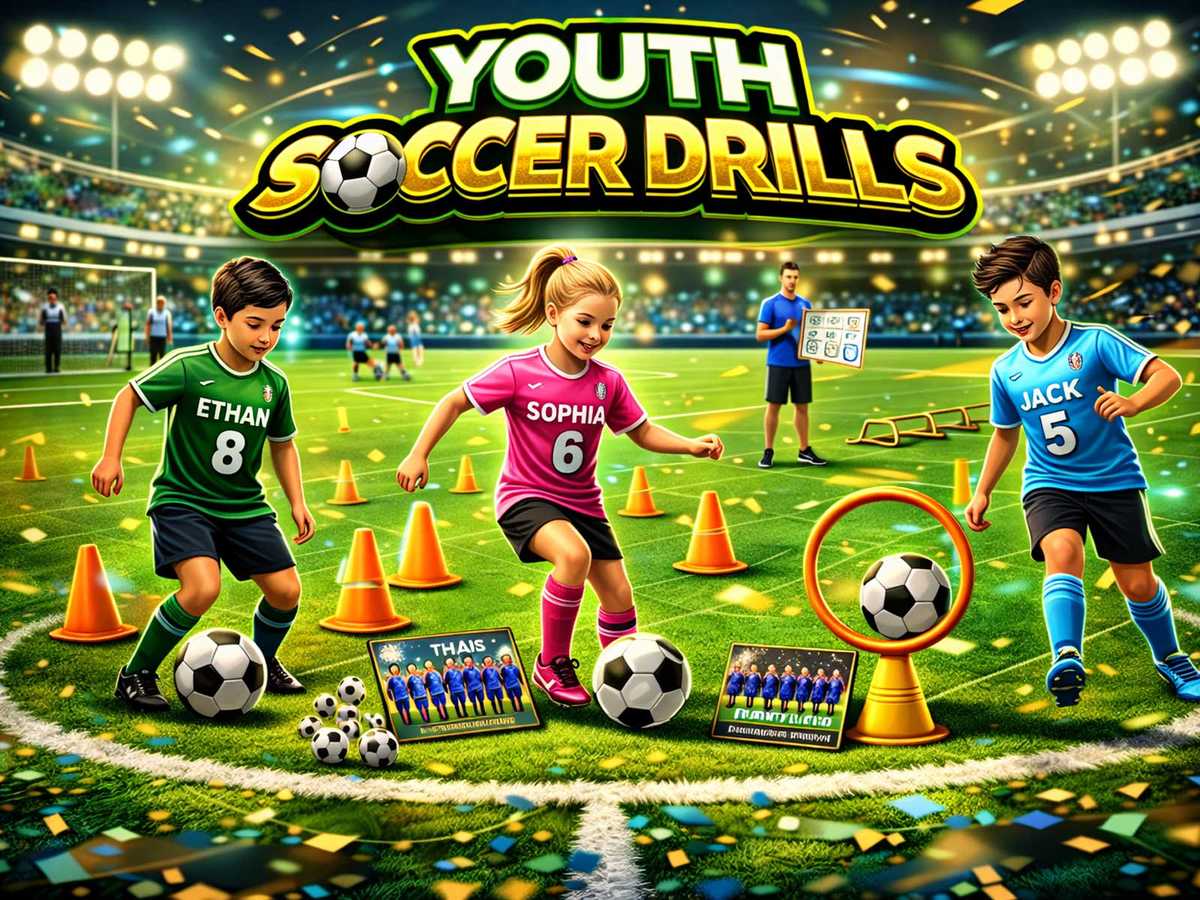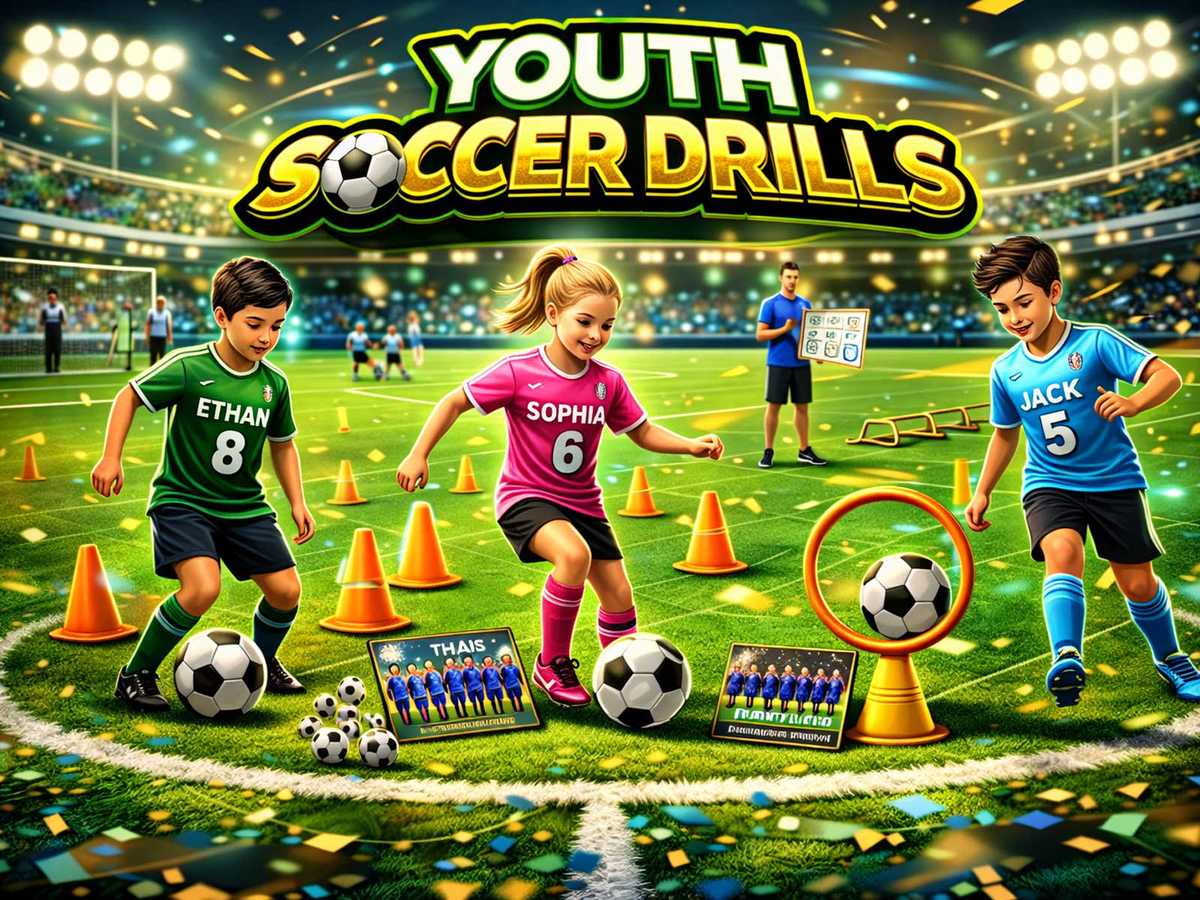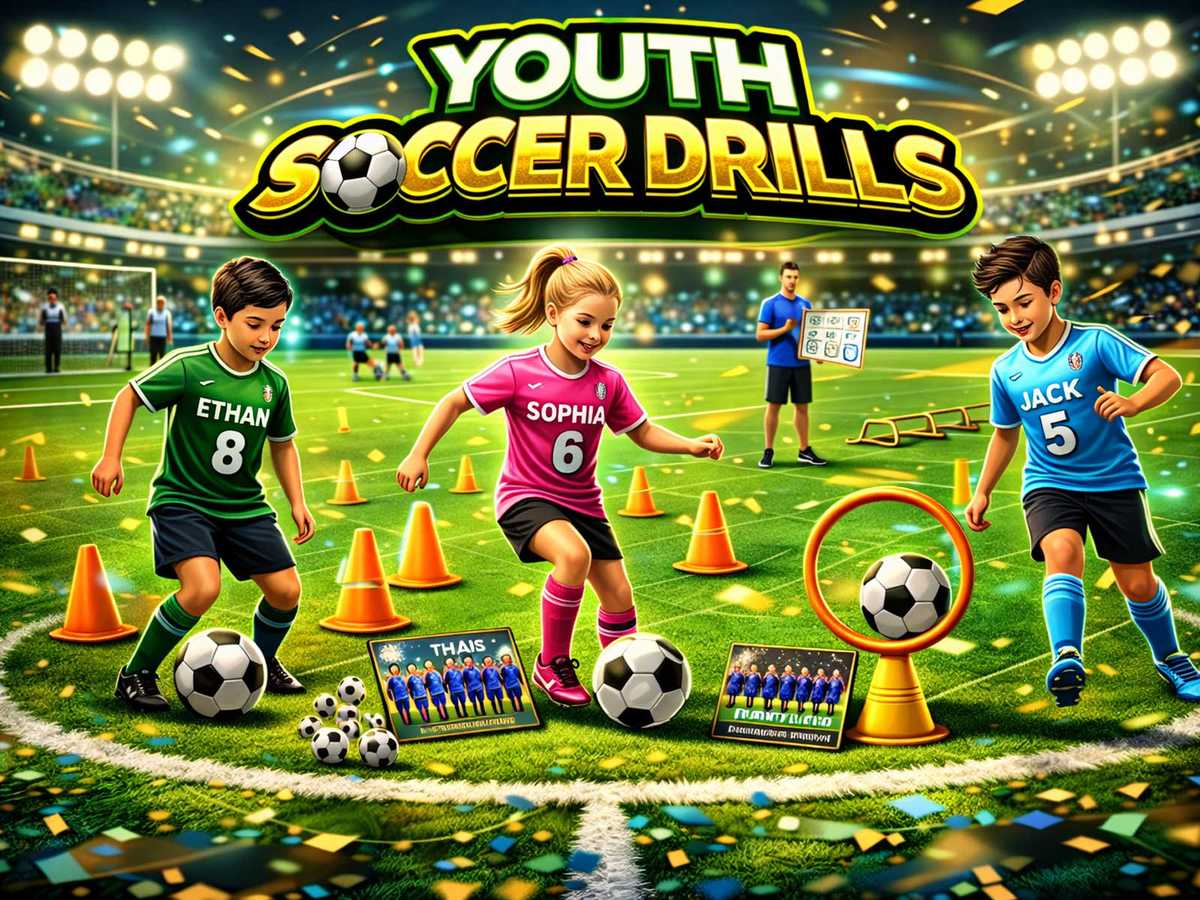
Under 8 Soccer Drills: Prioritise Ball Familiarity, Movement Quality, and…
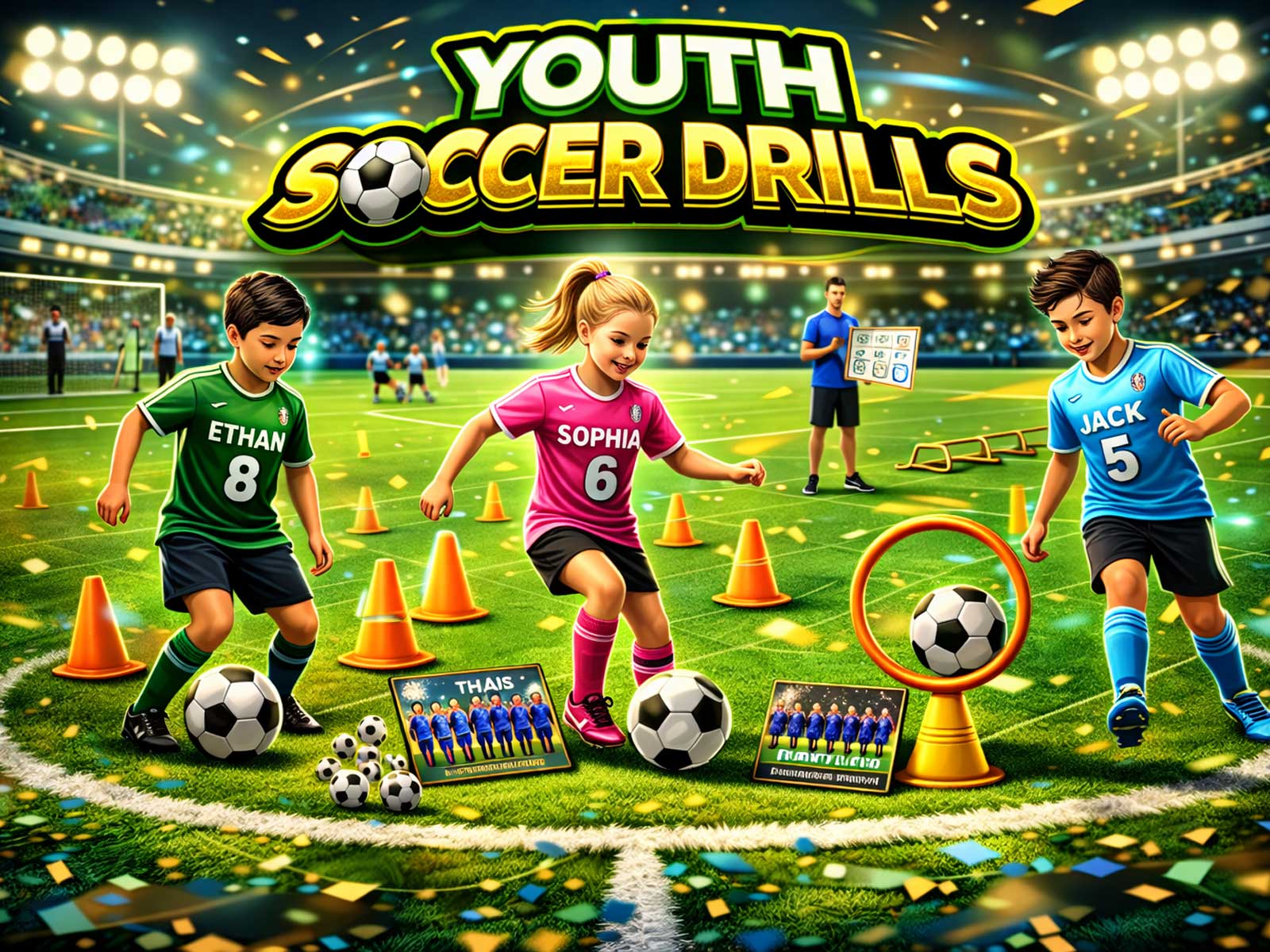
At U8 the coaching job is not tactical systems but creating repeated, enjoyable contact with the ball while building basic movement habits. Effective under 8 soccer drills give every child a ball, keep activities short and active, and move from simple touches to slightly harder choices.
Training summary
Under 8 soccer drills should maximise touches, include movement and small-sided play, and keep sessions around 45–60 minutes to protect attention and ensure frequent involvement.
What you will learn here
- Why ball familiarity beats tactical instruction at U8.
- How to structure short, game-like drills that build technique and movement.
- Common coaching mistakes and pragmatic progressions that keep the group together.
What beginner coaching drills really need to do
For U8 players drills are not mini-lessons in team tactics; they are structured opportunities for lots of ball contact, decision seeds, and movement practice. Practically, a useful drill: puts a ball with every child where possible, creates short repetitive challenges, and leads quickly into a small-sided situation where choices matter (for example 1v1 or 2v2). That combination increases touches, nurtures basic decision-making and keeps players moving rather than waiting in a queue.
Simplicity, clarity, and attention span
Sessions for this age commonly run 45–60 minutes. That limits how many concepts you can teach. Use one clear objective per activity (e.g., close ball control, passing to a target, change of direction) and explain it in a single sentence. Demonstrate once, let players try, then offer a short, specific coaching cue. Keep activity blocks short so children stay engaged and you can return to the same drill for controlled repetition.
How young players actually learn early skills
U8 learning combines motor development with ball mastery. Repeated, playful touches build comfort with the ball while movement-only tasks (balance, simple change of direction, footwork ladders done without long instruction) build the coordination that makes technical work easier. Coaches should expect uneven execution: the important observation is increasing confidence with the ball and smoother movement rather than textbook technique on the first try.
Session organisation and repetition without chaos
Organise space into small grids and rotate the group through short activities. Use multiple small-sided areas so every child is involved at once—this avoids long queues and keeps repetition high. Examples: 1v1 challenge zones, dribble-and-score squares, and 3v3 mini-games. Keep equipment simple—cones and marker goals—and plan transitions so players move quickly from one drill to the next. This preserves rhythm and maximises touches within the typical 45–60 minute window.
Correction, demonstration, and coaching language
At U8 corrections must be brief and action-based. Replace long verbal critiques with a short cue, a quick demonstration, and one player-focused reminder (for example: "soft touches" or "head up when you turn"). Use praise tied to observable behaviours—number of successful touches, positive changes in balance, or good positioning—so feedback links directly to what you asked them to do. Avoid overloading players with multiple technical cues at once.
Fun, confidence, and keeping players engaged
Playfulness is not distraction: it is the delivery method that keeps children engaged long enough to repeat useful actions. Build short challenges (time-limited races, coin-collecting dribble games, or scoring contests in small goals) that reward ball contact and movement. Ensure rules are simple and success is frequent so players experience small wins that reinforce confidence.
Common mistakes new coaches make
New coaches often default to stationary cone drills, excessive explanation, or early tactical talk. These choices reduce touches and frustrate short attention spans. Other common errors: allowing long queues, introducing many complex rules in one activity, or correcting every technical imperfection instead of celebrating partial success. The more you prioritise movement, short repetitions, and a ball for every child, the fewer of these problems will appear.
How to progress a drill without losing the group
Progressions at U8 should be small and reversible. Start with a no-pressure skill (e.g., dribble through gates), then add a mild challenge (dribble while a coach counts or under a time limit), then introduce a defender or make it 1v1. If the group struggles, step back—remove the defender or simplify the space. Progress only when a majority display the basic movement or ball familiarity the drill targets.
Foundations that transfer into real play
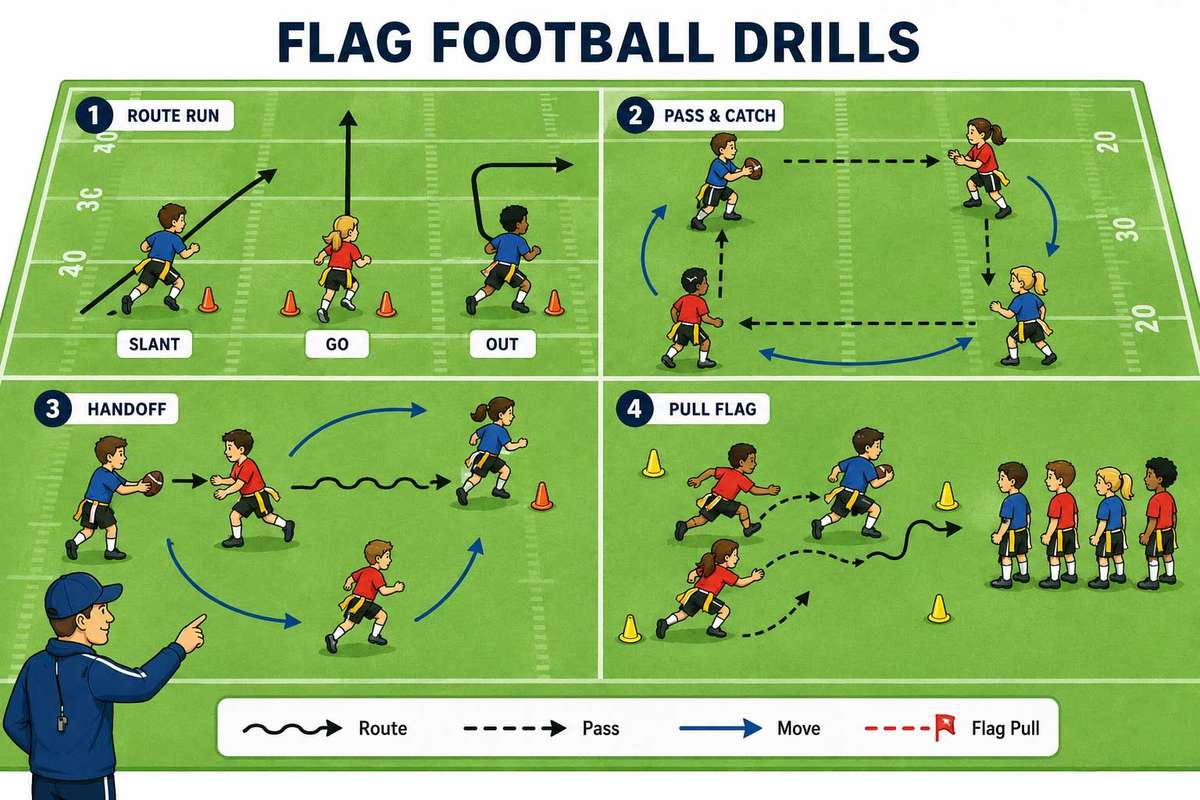
Drills that emphasise touch, quick movement, and simple decision-making transfer best to U8 matches. Small-sided games reproduce match-like problems: space management, avoiding defenders, and choosing when to dribble or pass. The transfer mechanism is straightforward—repetition of similar perceptual cues (space opening, pressure approaching) in practice makes those choices easier during a short-sided match.
Closing interpretation
Under 8 soccer drills should be judged by how much they increase touches, improve movement quality, and maintain enjoyment—not by how many tactical concepts they mention. Keep sessions short, player-centred, and game-based. Give every child a ball where possible, plan for constant activity, correct with brief cues, and use tiny progressions. Over time those simple, repeatable experiences build the confidence and basic comfort with the ball that makes later tactical learning possible.
Author: Alex R.