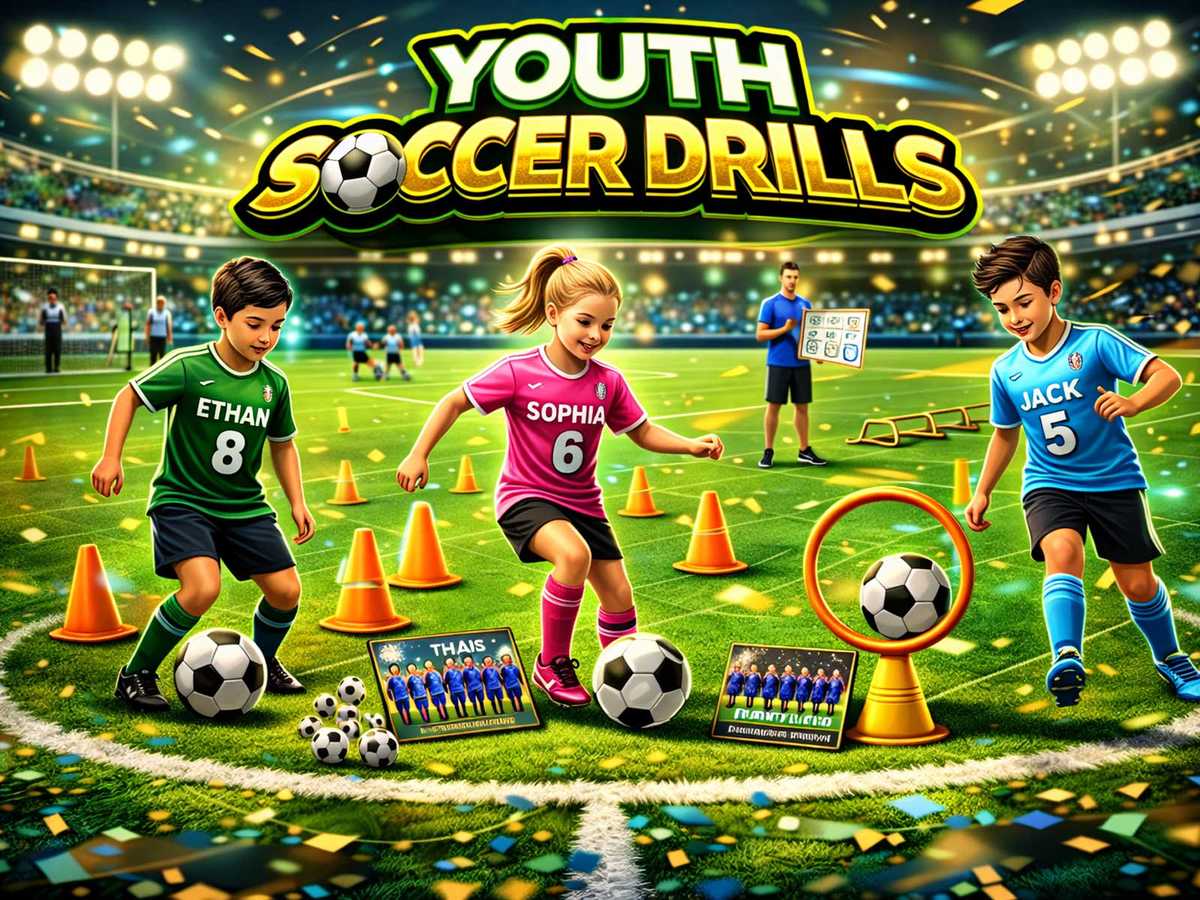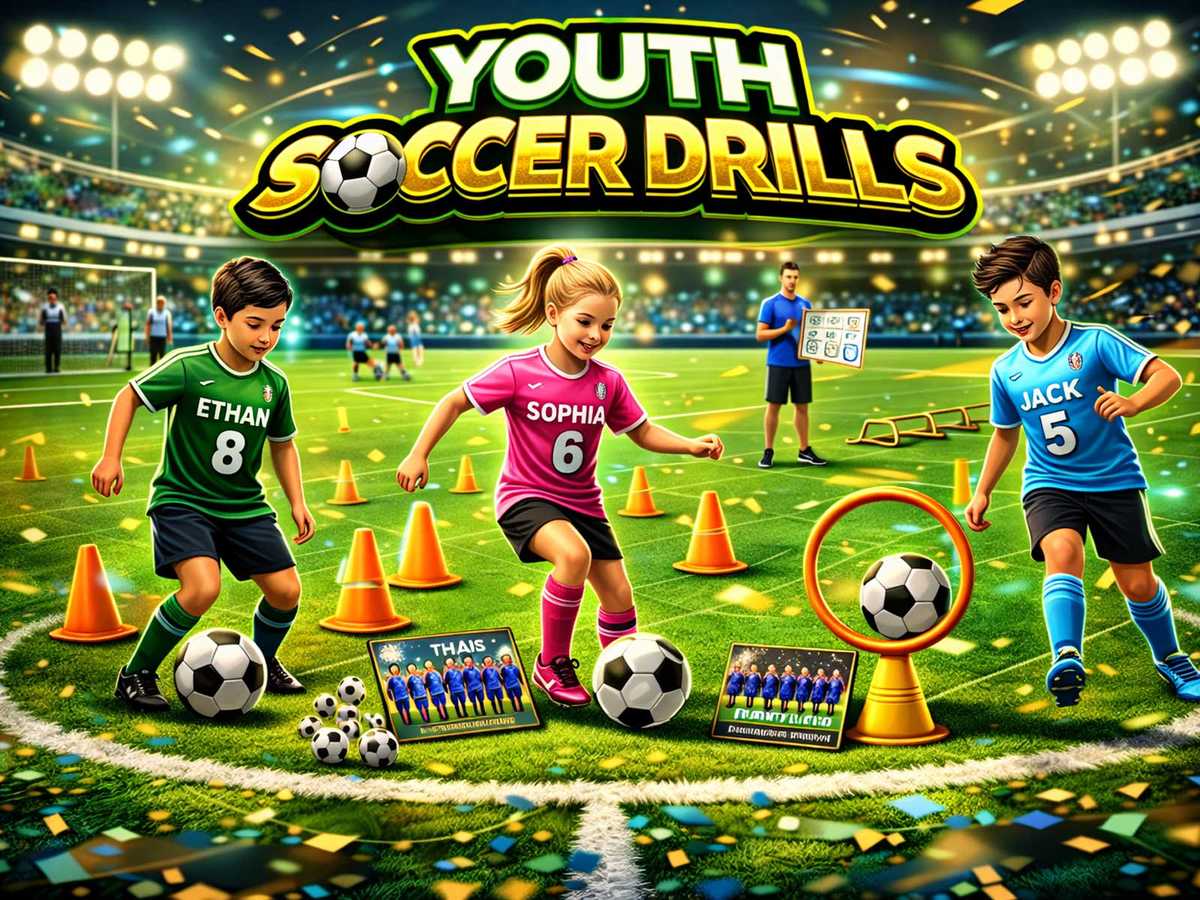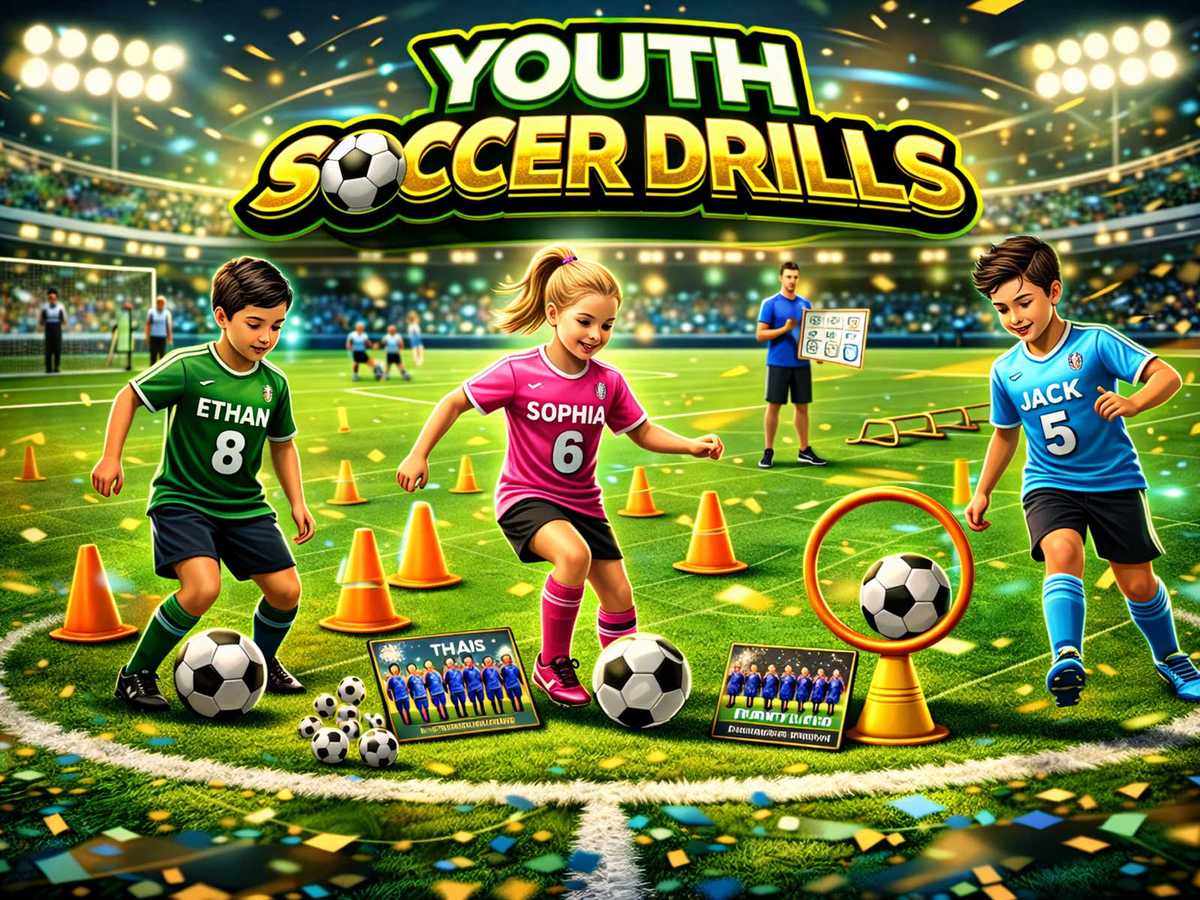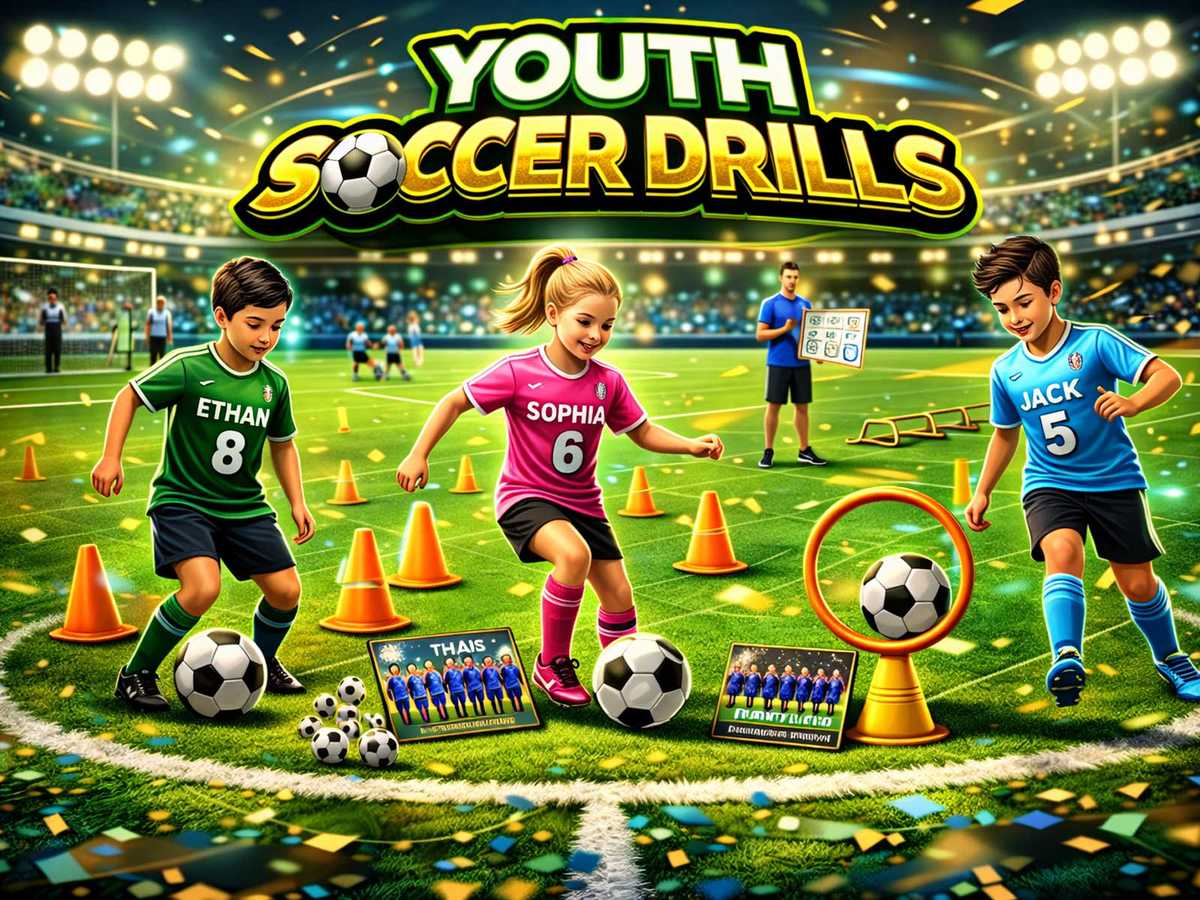
How U8 Football Training Drills Blend Coordination Games with First Touchs and…
At U8, effective training pairs the basic movement skills coaches call the ABCs (agility, balance, coordination) with lots of short, game-like ball actions. This article explains how to design drills that genuinely develop movement quality while building first-touch habits and short accelerations players use in matches.
Quick answer
U8 football training drills should mix brief coordination games with repeated first-touch opportunities and immediate 3–5 metre bursts, all kept short, fun and game-like so movement skills are learned within ball contexts.
What this guide covers
- Why integrate ABCs with ball work at U8
- Clear coaching cues and observable player behaviours
- Session placement and simple progressions
Quick access
What speed, agility and coordination drills really train
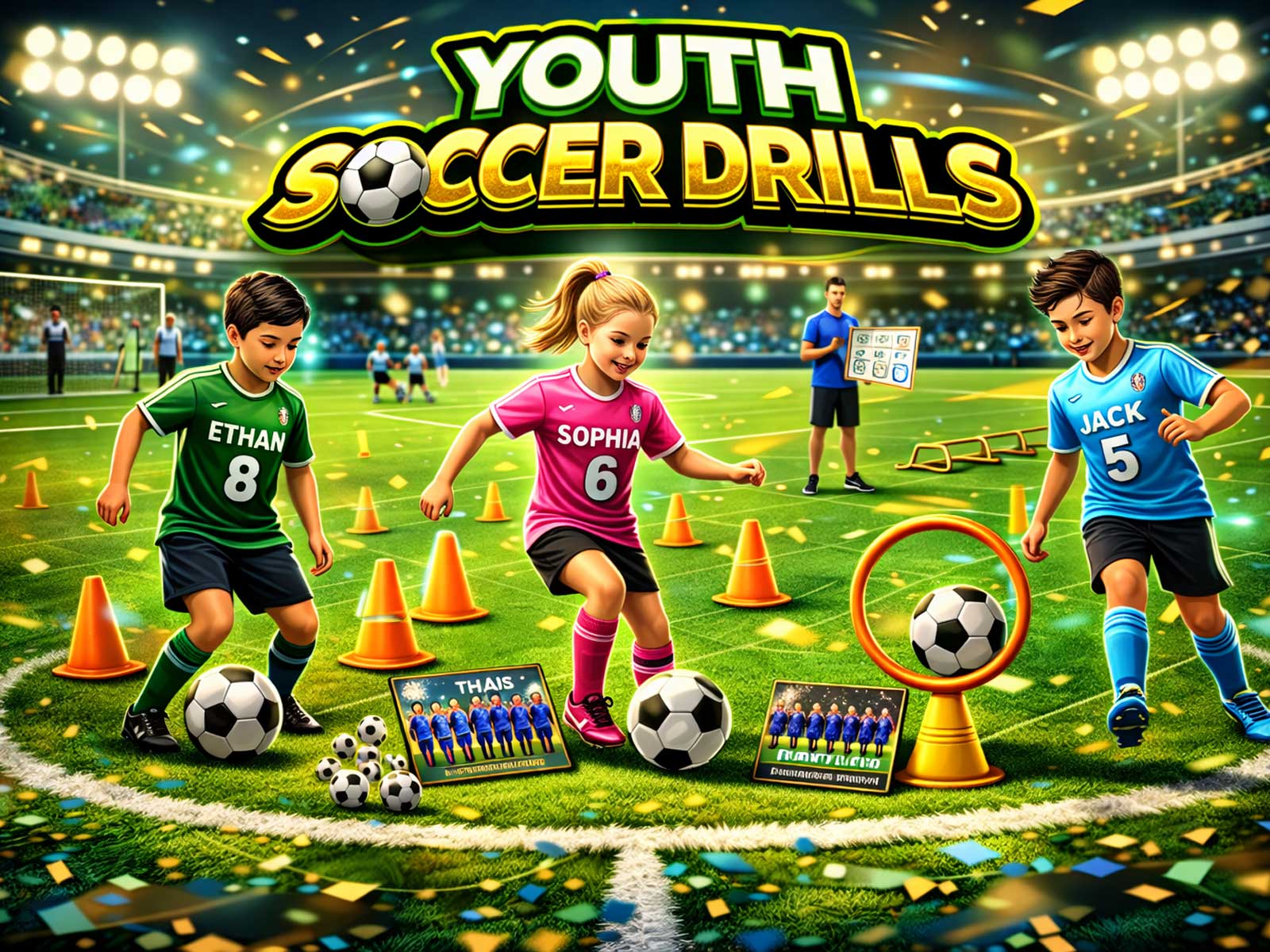
For U8 players these drills are not about building sprint mechanics or advanced conditioning. Verified coaching guidance for ages 5–11 emphasises the ABCs — agility, balance and coordination — delivered inside ball activities rather than isolated long technical drills. At this age, the training value comes from embedding simple movement demands into game-like tasks so children practise moving, receiving and reacting with the ball.
Observable player behaviours that indicate success: steady balance when receiving, quick small steps before an action, repeated clean first touches under light time pressure, and immediate short bursts (roughly 3–5 metres) after receiving. Coaches should look for these behaviours rather than distance sprint times or textbook running posture.
Balance, footwork and movement control with ball work
Coordination games for U8 can be simple relays or tag-style exercises that require varied foot contacts and body positions (side-steps, hopping, turning). The verified guidance advises combining these coordination elements with ball activities so movement skills develop alongside ball control.
Practical coaching cues: ‘‘soft knees’’ and ‘‘quick little steps’’ before receiving, ‘‘take the ball away from your body’’ for a usable first touch, and ‘‘eyes up after touch’’ when the player can manage it. Use very short tasks — partner receives, a close-control cone weave, then a pass — so each repetition is meaningful and the child gets frequent ball contact.
Acceleration, deceleration and direction change
Best practice for U8 is to introduce short accelerations as 3–5 metre bursts that follow a receiving action or first touch. These are practical because they match the typical match demands for young players and fit attention spans. Coaches should embed these bursts in small-sided sequences or relays rather than isolated sprint blocks.
Deceleration and stopping control are part of the same skill: teach players to absorb momentum with bent knees and a low centre of gravity when they must stop or change direction immediately after a touch. Keep progressions short: receive, accelerate 3–5m, stop and control. Repeat frequently within game-like drills.
Coordination before ball work and with ball work
Verified resources recommend giving players short coordination challenges both before and while they handle the ball. A coach might start with a two-minute movement relay (side shuffles, single-leg balance hops) and then flow into paired first-touch exercises that reuse similar movement patterns. This sequence helps players transfer balance and foot sequencing into their ball work.
Design tip: keep coordination activities relevant—if you want cleaner lateral movement on the ball, include side-step relays; if you want better body positioning for receiving, include spot-turn and receive drills. The key is tight repetition and variety within short time windows so each player has many attempts.
Reactive movement and simple decision layers
At U8 the decision layer should be minimal and immediate. Small-sided formats (1v1, 2v2, 3v3) or coach-led signals (hand or cone colour) create a reactive context without complex tactical demands. Reactivity trains perception-action links: children learn to move their feet and take a first touch based on a stimulus, then accelerate. Keep signal-responses simple and repeatable.
Observe whether players pause to think or move naturally. Frequent, short repetitions under light pressure help transition the movement from deliberate practice into quicker, more automatic responses that translate into matches.
Common mistakes in youth agility practice
Avoid two common errors: 1) separating movement work completely from ball work, and 2) creating ‘‘busy’’ ladder-style drills that look active but don’t transfer to match actions. Verified coaching guidance stresses integration: movement skills should be practised within ball contexts so that players learn to coordinate feet and ball simultaneously.
Other pitfalls: overly long station times that lose attention, excessive instruction rather than demonstration, and progressions that add complexity before basic movement quality is reliable. Keep activities short, coach one or two cues, and rotate players so everyone has frequent touches.
How coaches can keep movement work soccer-relevant
Session structure that aligns with verified recommendations: active warm-up with the ball (movement and ball combined), short technical stations focusing on first touch and close control, and small-sided games that force players to use those skills under light opposition. Typical U8 sessions run about 60–75 minutes with compact activities and a game to finish.
Progressions: start with coordination-only warm-ups (2–3 minutes), move to partner first-touch drills with immediate 3–5m accelerations, then create small competitive games or relays where the movement and first touch are rewarded. Simplify when players struggle; add mild pressure or competition when repetitions are clean.
Match transfer and closing interpretation
Movement work that is integrated with ball actions supports match transfer because it rehearses the real sequence players face: receive, adjust body, take a usable first touch, and move away with quick acceleration. Verified youth-coaching resources encourage this combined approach rather than isolated long technical drills.
In short: design short, varied, game-like U8 football training drills that combine coordination games, repeatable first-touch opportunities and immediate 3–5m accelerations. Keep instructions brief, maintain high ball contact per player, and finish with a small-sided game so players apply the skills in a realistic setting.
Author: Alex R.