End-of-season coach gifts are about more than thanks on paper—they are an opportunity to recognize the hours, steady coaching, and quiet leadership that shaped a season. Choosing a gift that truly reflects time, patience, and consistency means thinking about who gives it, where the coach will keep it, and how the memory is preserved without feeling forced or overdone.
Great coach gifts communicate three things: acknowledgment of effort, the team’s shared story, and a keepsake worth displaying. A coach wants to know their investment mattered—practical appreciation (a handwritten note) and visible recognition (a framed visual keepsake) together do that quietly and clearly.
Team gift versus individual family gift: when each makes sense
Deciding whether the whole team signs onto a single gift or families give small individual tokens depends on scale and intent. Use a short team-contributed item when you want a visible, lasting object that stands for the whole season—this reinforces collective gratitude. Individual gifts work best to acknowledge a personal connection: a player who improved hugely, an assistant coach who handled logistics, or a family with a special bond to the coach.
If you’re unsure, consider combining both: a communal keepsake for the season and a brief personal note or small token from individual families to add intimacy without clutter.
Why personalization matters — and how to do it well
Personalization turns a thank-you into a memory. Useful and tasteful personalization options include team name and year, a roster or coach’s name, and a short, specific line about what the season meant (for example: “For steady hands and calm words, 2025”). Keep inscriptions concise and concrete; avoid long speeches that feel generic or overly sentimental.
Powerful personalization focuses on identity and memory: the season’s record matters less than a moment or quality the coach brought—patience, persistence, or a breakthrough game. That is what will make a keepsake meaningful years later.
Visual keepsakes and where they live
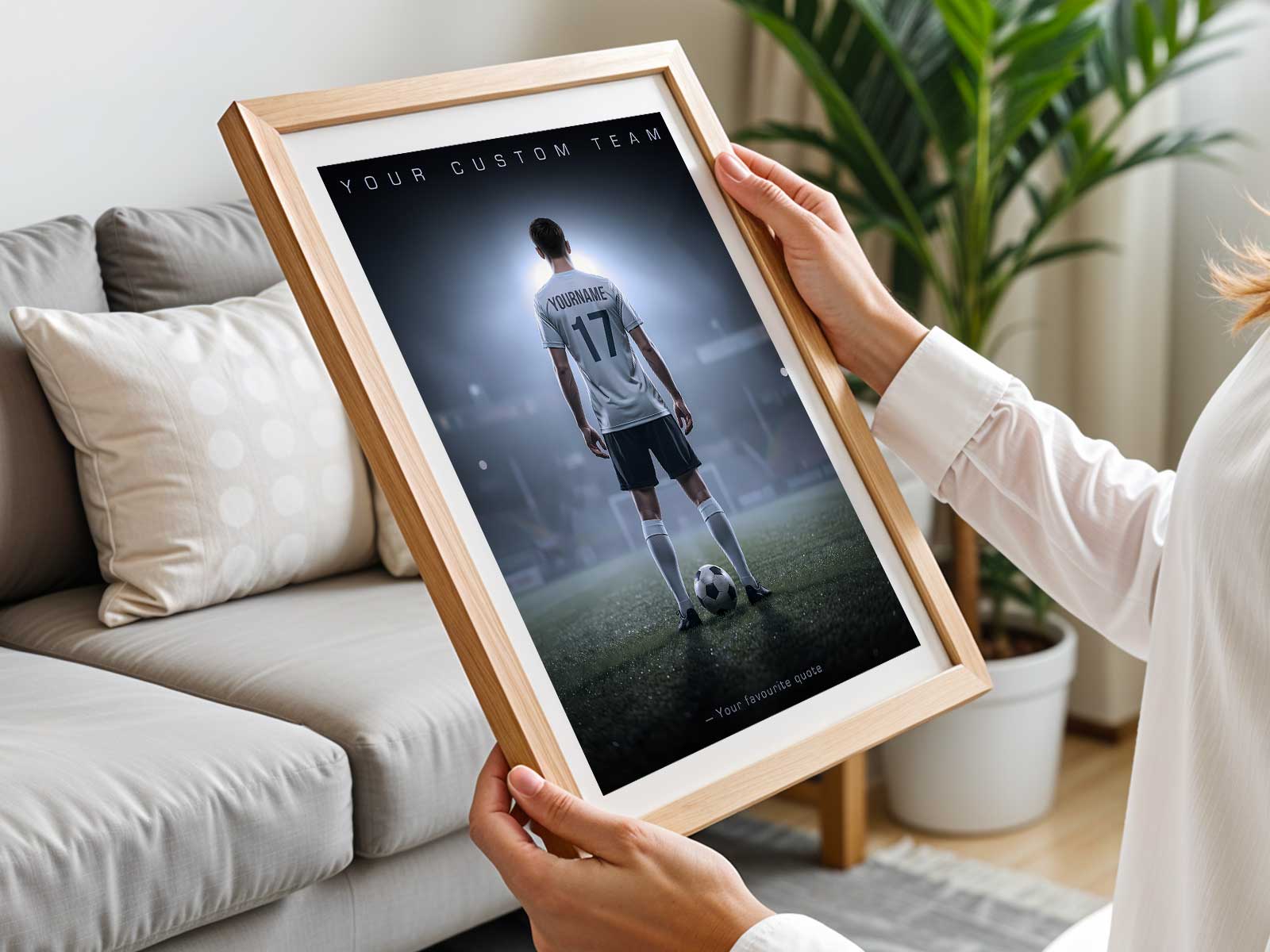
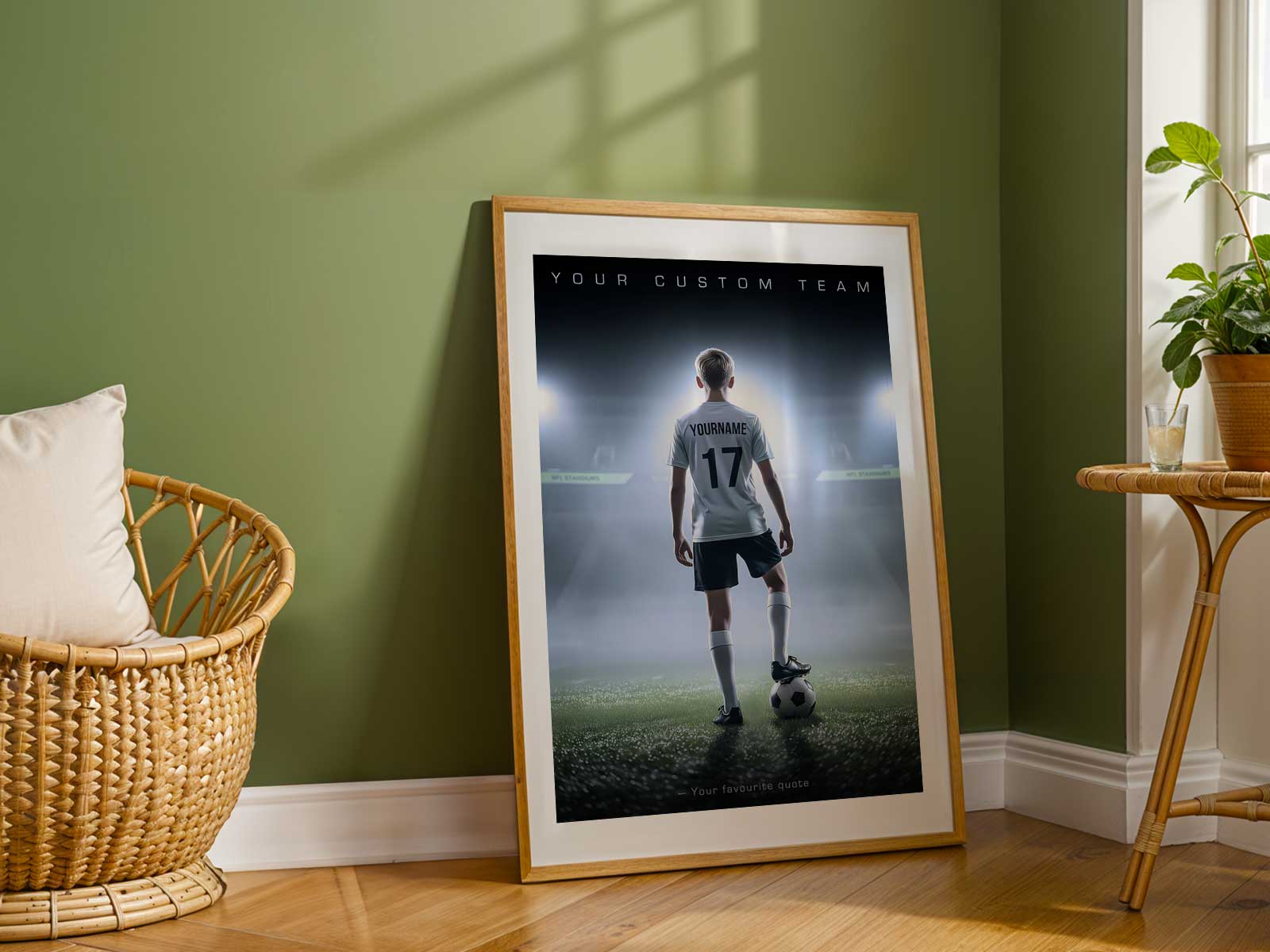
Visual keepsakes—posters, framed team photos, or custom prints—last because they are displayable. Think about where the coach is likely to put the item: an office wall, a home study, or the club room. Choose a clean, classic aesthetic that fits those spaces rather than loud novelty. A well-composed poster with the team roster, year, and a short message becomes both décor and memory, reminding the coach of the shared effort rather than serving as a trophy.
[IMAGE_INSERT_ARTICLE_01]
Keeping the tone respectful and age-appropriate
For youth teams, keep messages sincere and simple. Avoid inside jokes that may not translate beyond the season, and steer clear of gifts that could embarrass the coach. For older youth or adult teams, a slightly more playful or elaborate keepsake can work if it still centers appreciation. When in doubt, prioritize clarity: what did the coach give the team, and how did that matter?
Practical steps to make a gift feel sincere
1) Collect short, specific notes from players describing one moment or trait they appreciated. 2) Decide early whether the gift will be team-funded or individual so logistics and costs are clear. 3) Choose a visual format suited to display—simple layouts with roster, year, and a one-line message age well. 4) Present it with a brief spoken thank-you highlighting concrete examples of time and patience.
Final thoughts: lasting over flashy
A thoughtful coach gift honors the everyday labor of a season—early mornings, patient drills, and steady encouragement. Opt for a keepsake that captures identity and memory in a tasteful, display-ready form, paired when appropriate with personal notes from players. That combination communicates respect and gratitude in a way a novelty item rarely does, and it’s more likely to be appreciated and preserved for years to come.