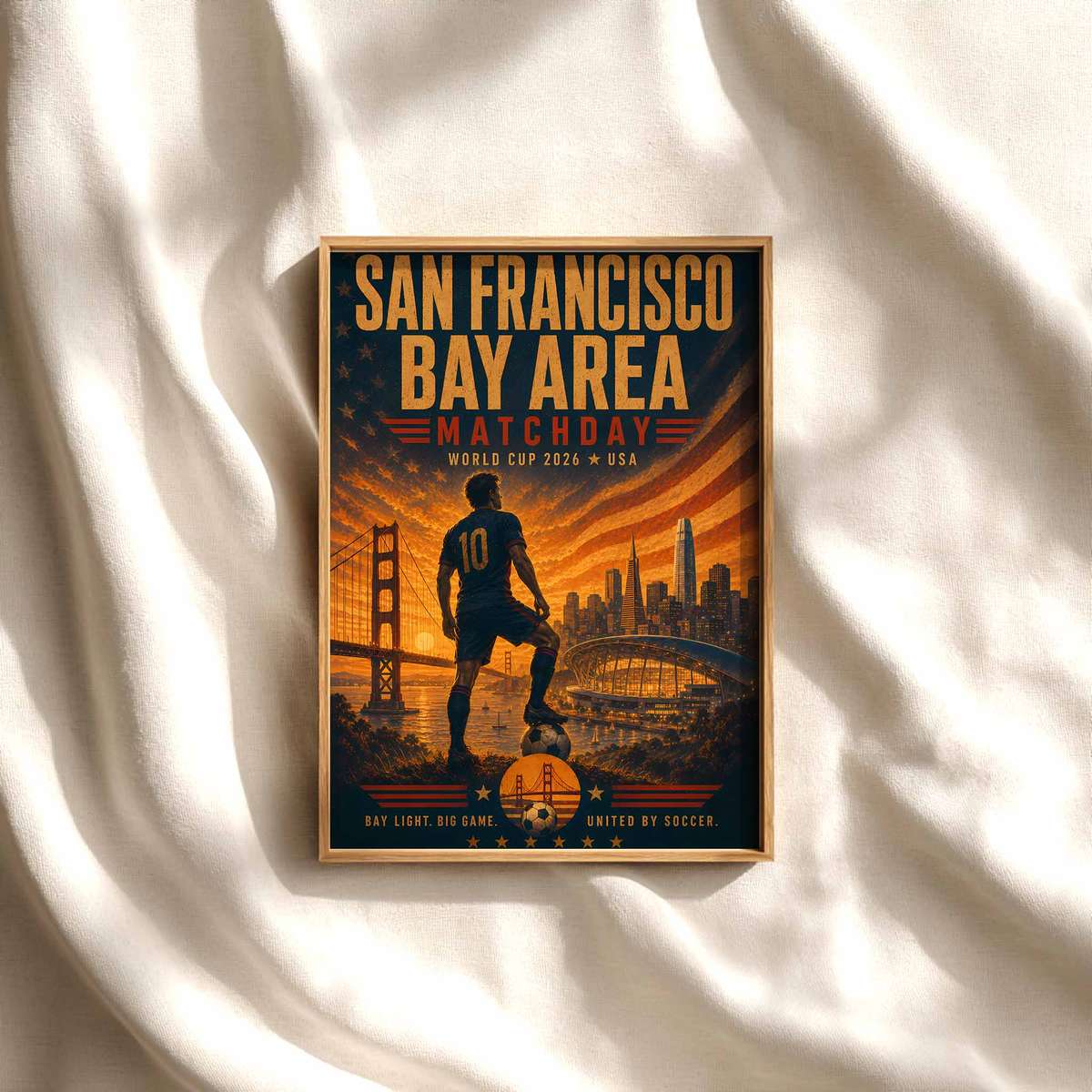
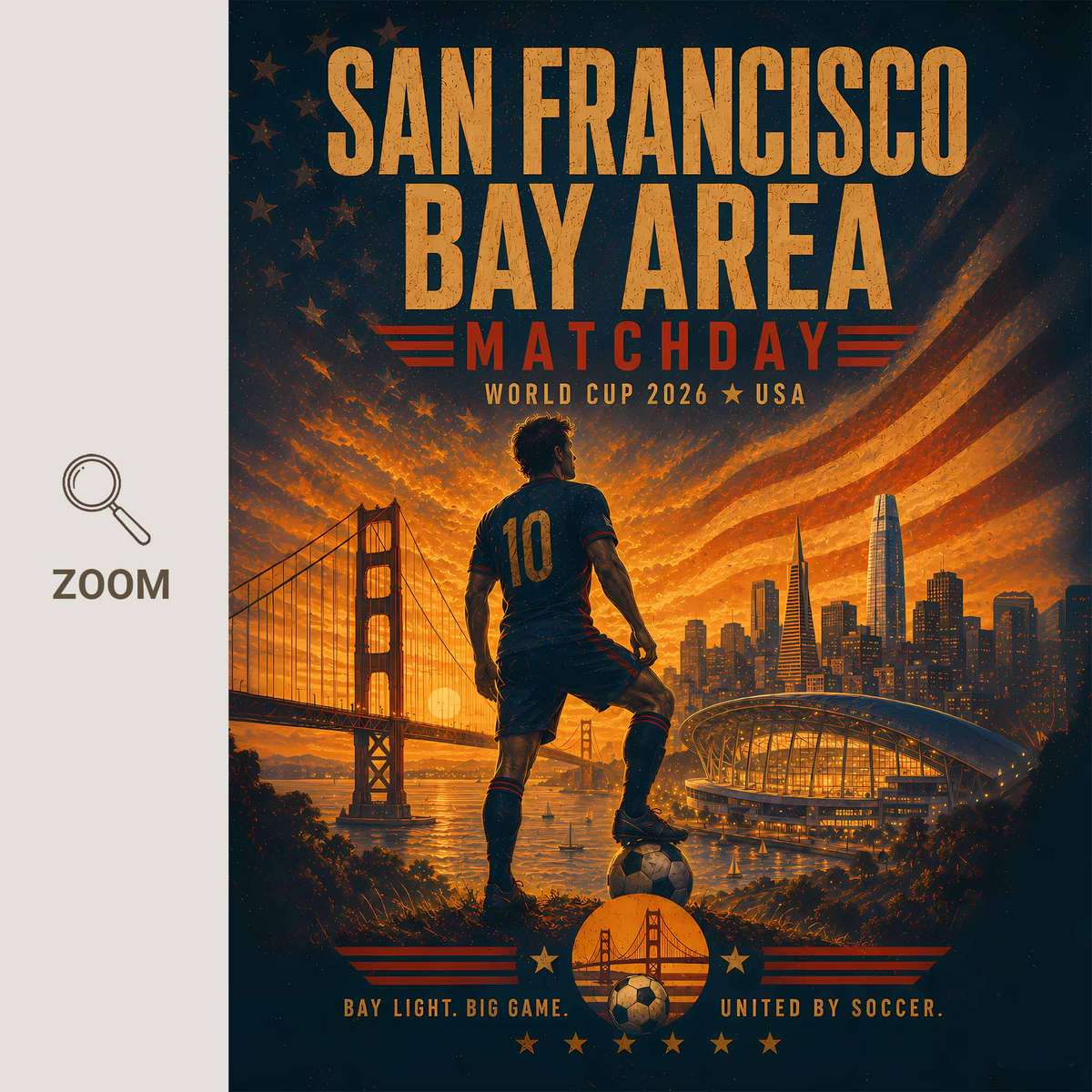
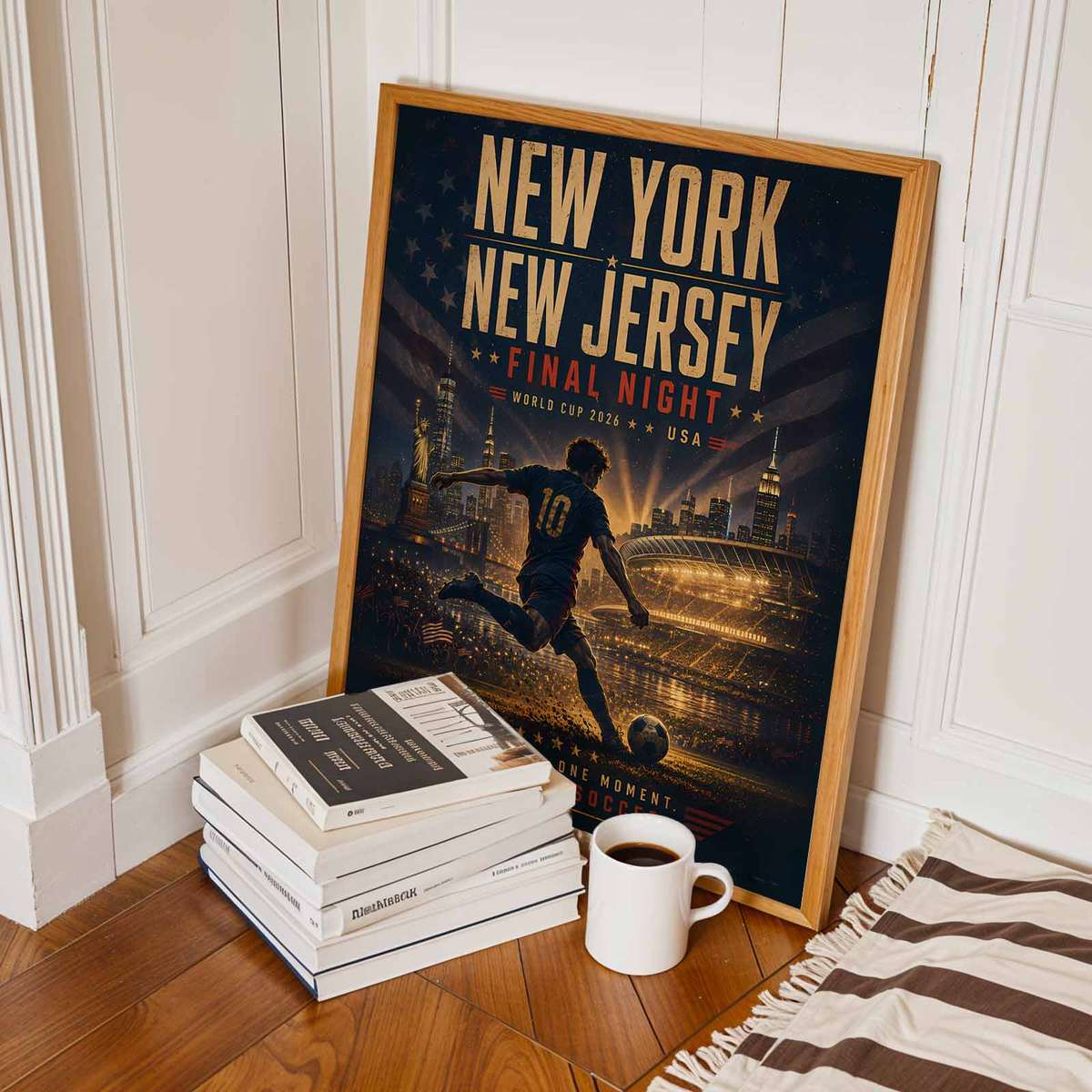
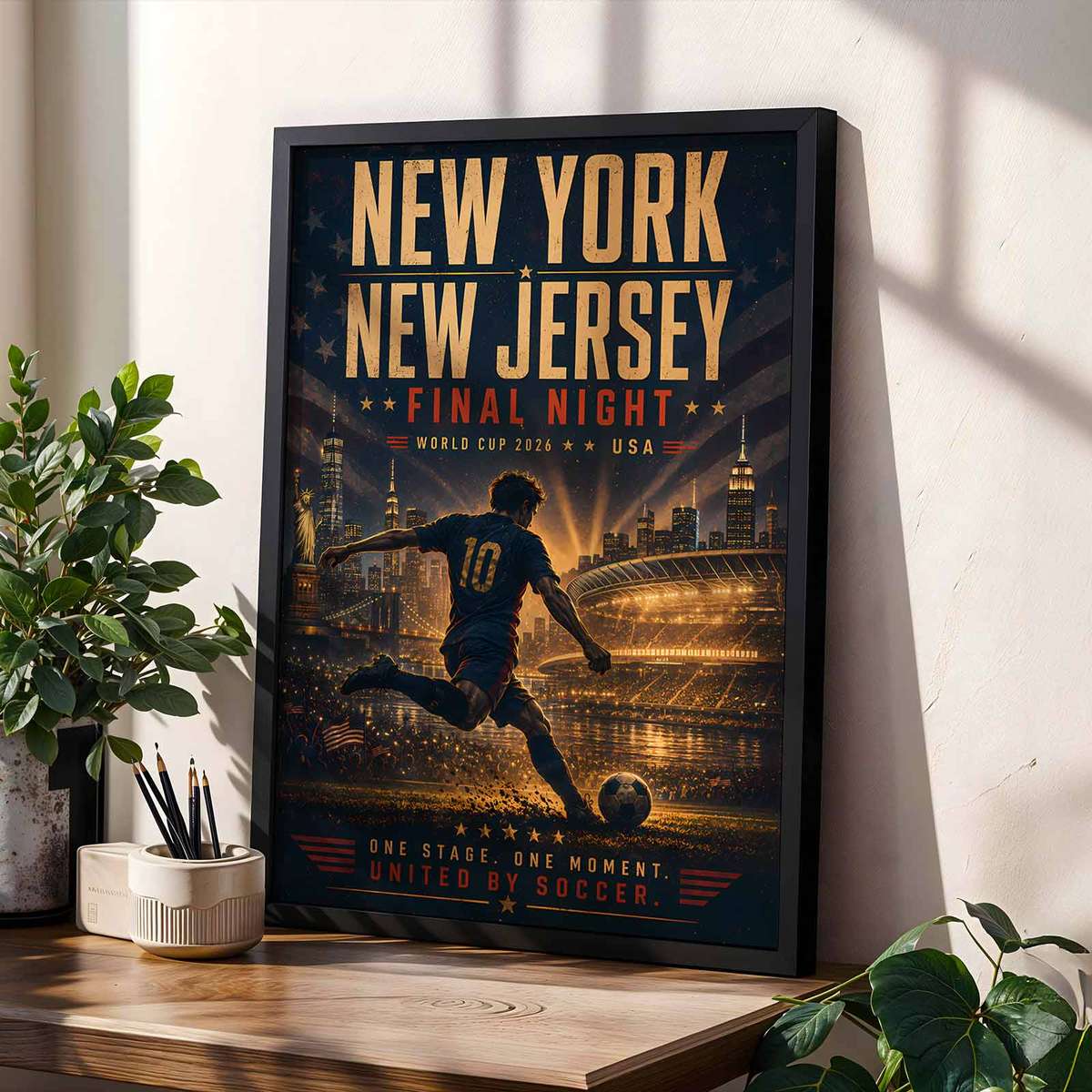
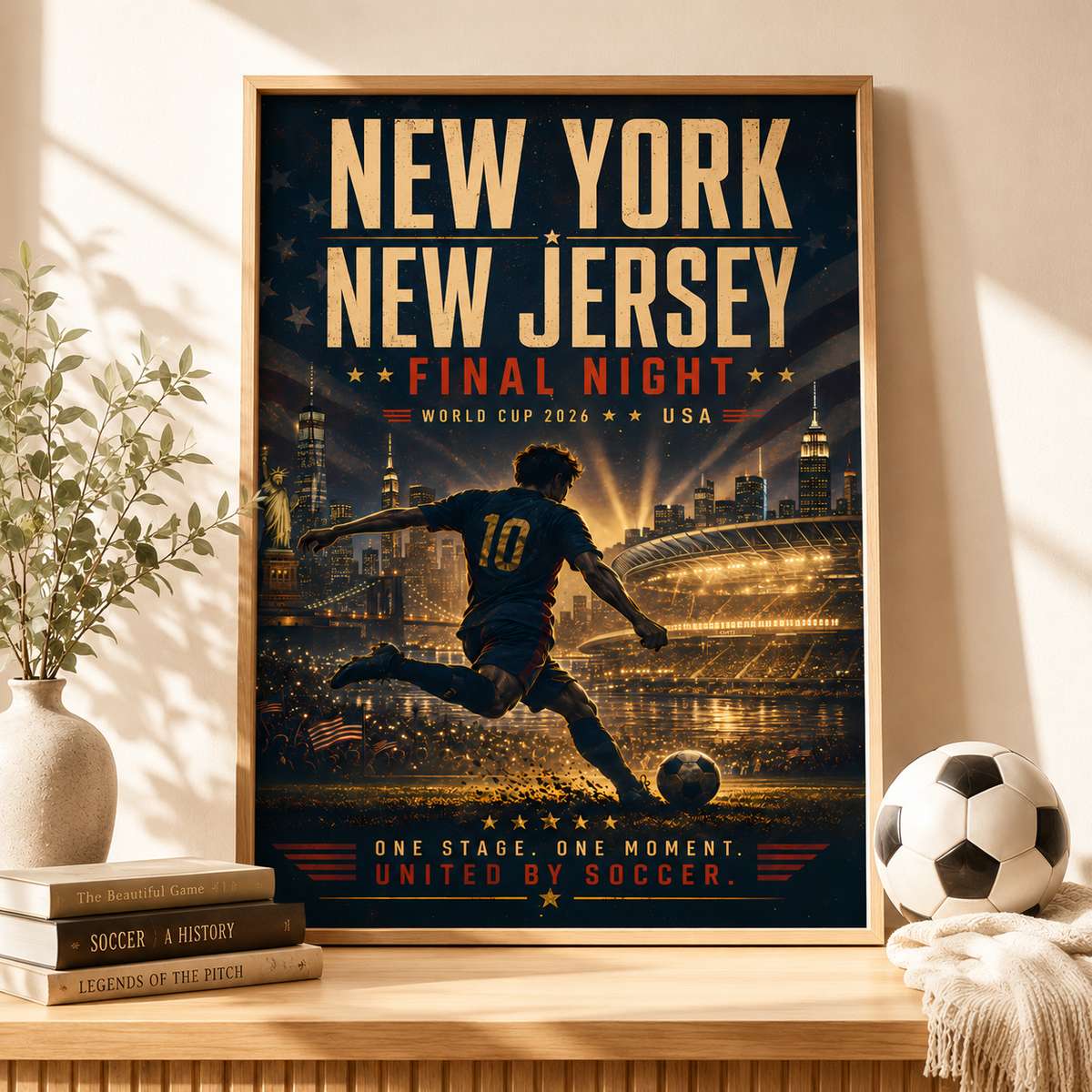
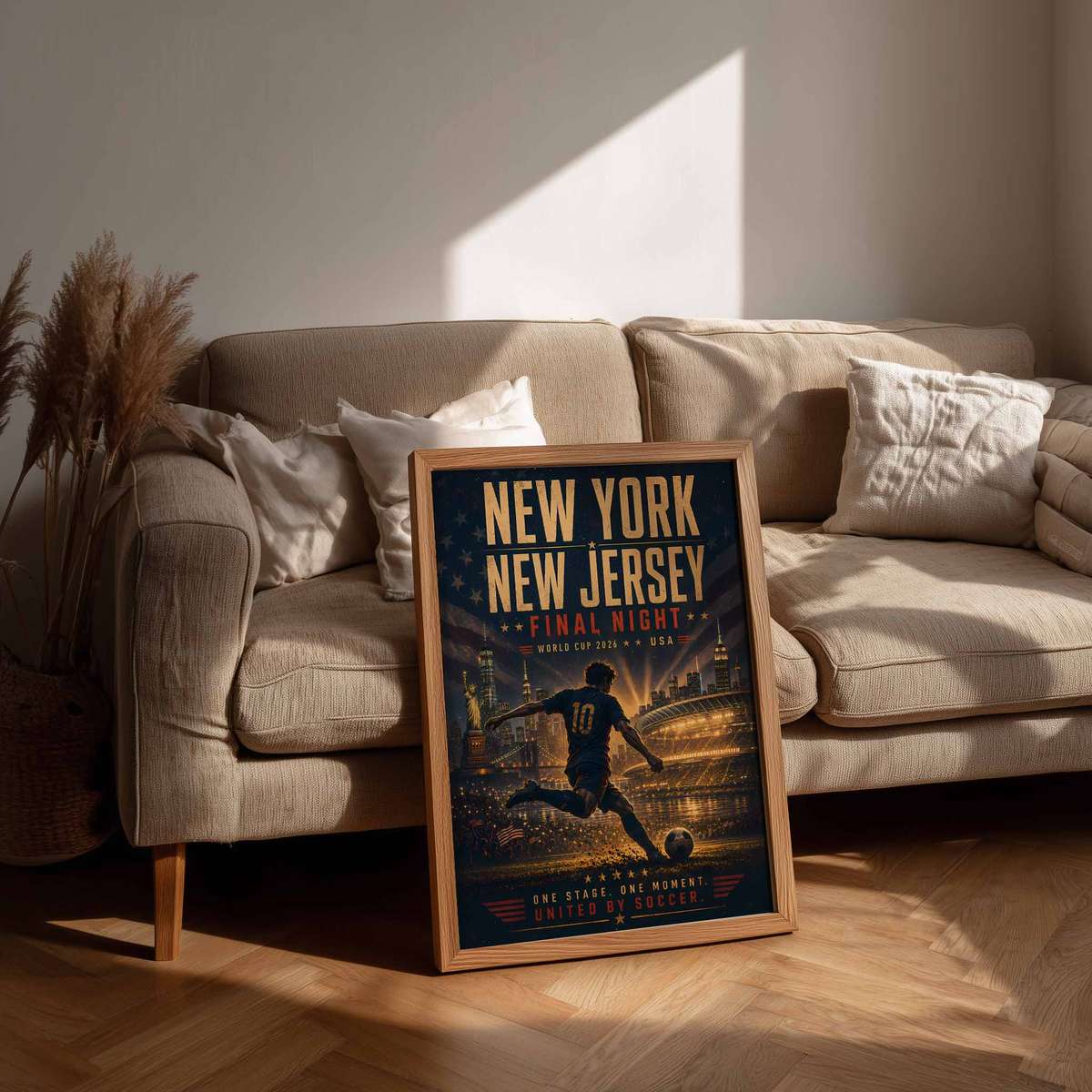
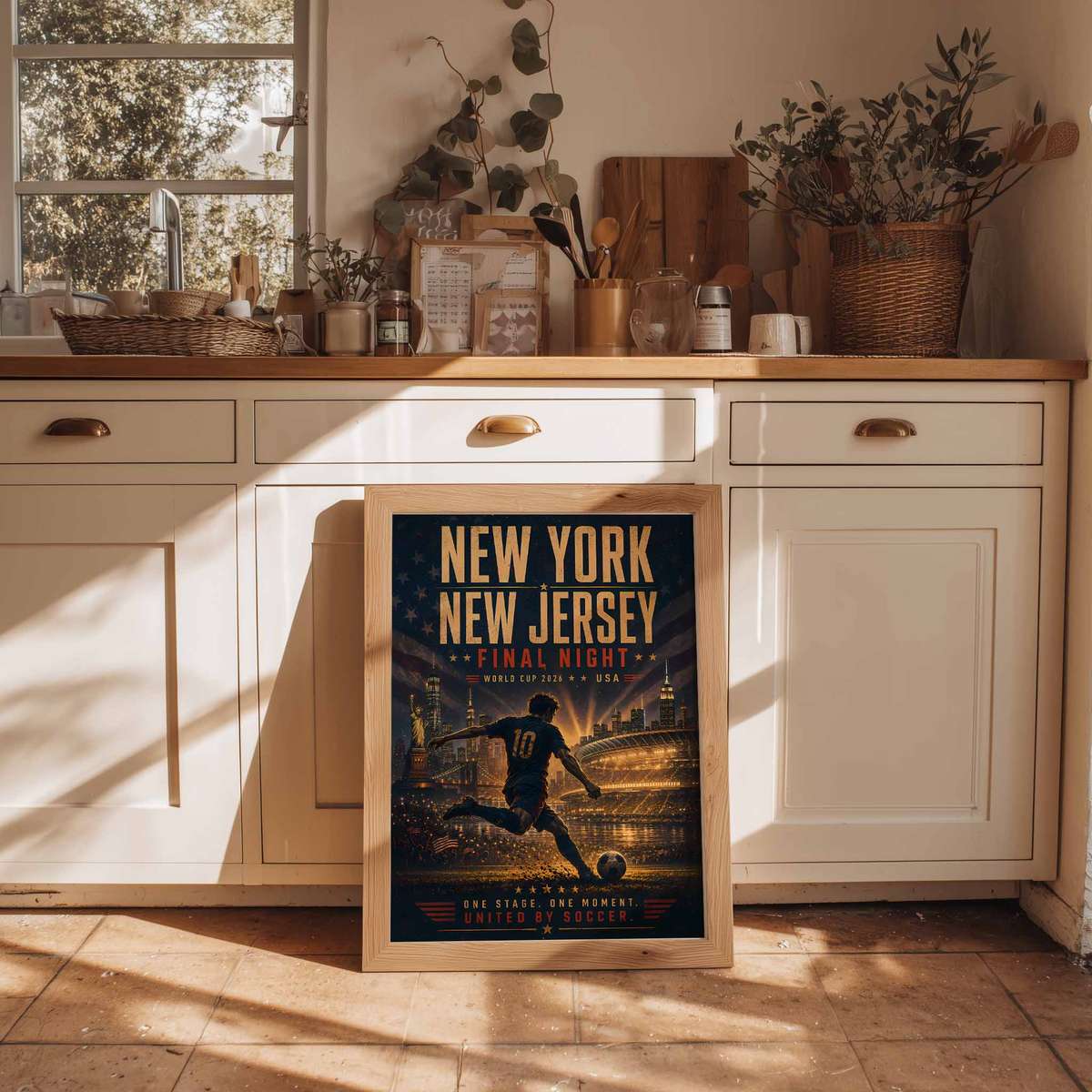
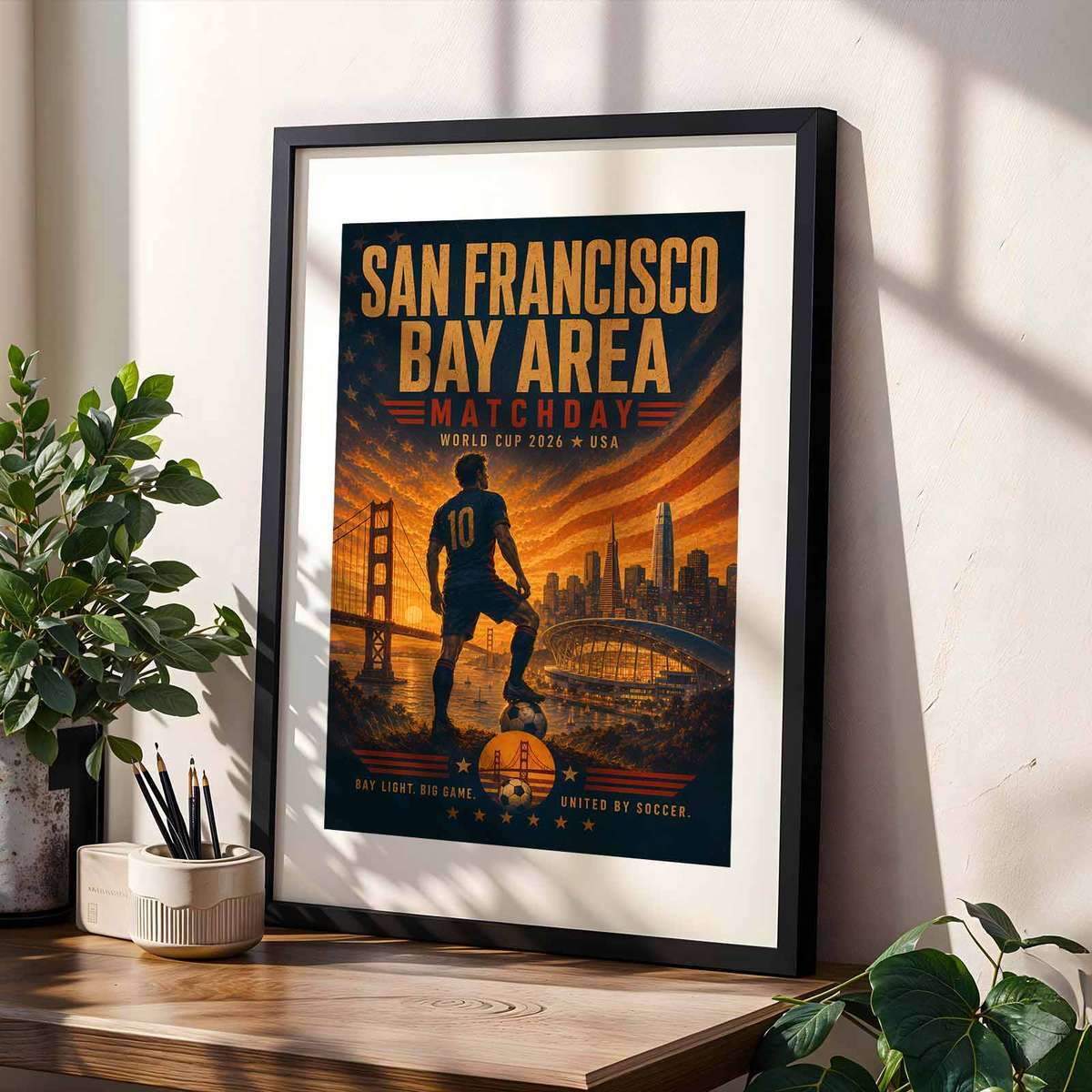
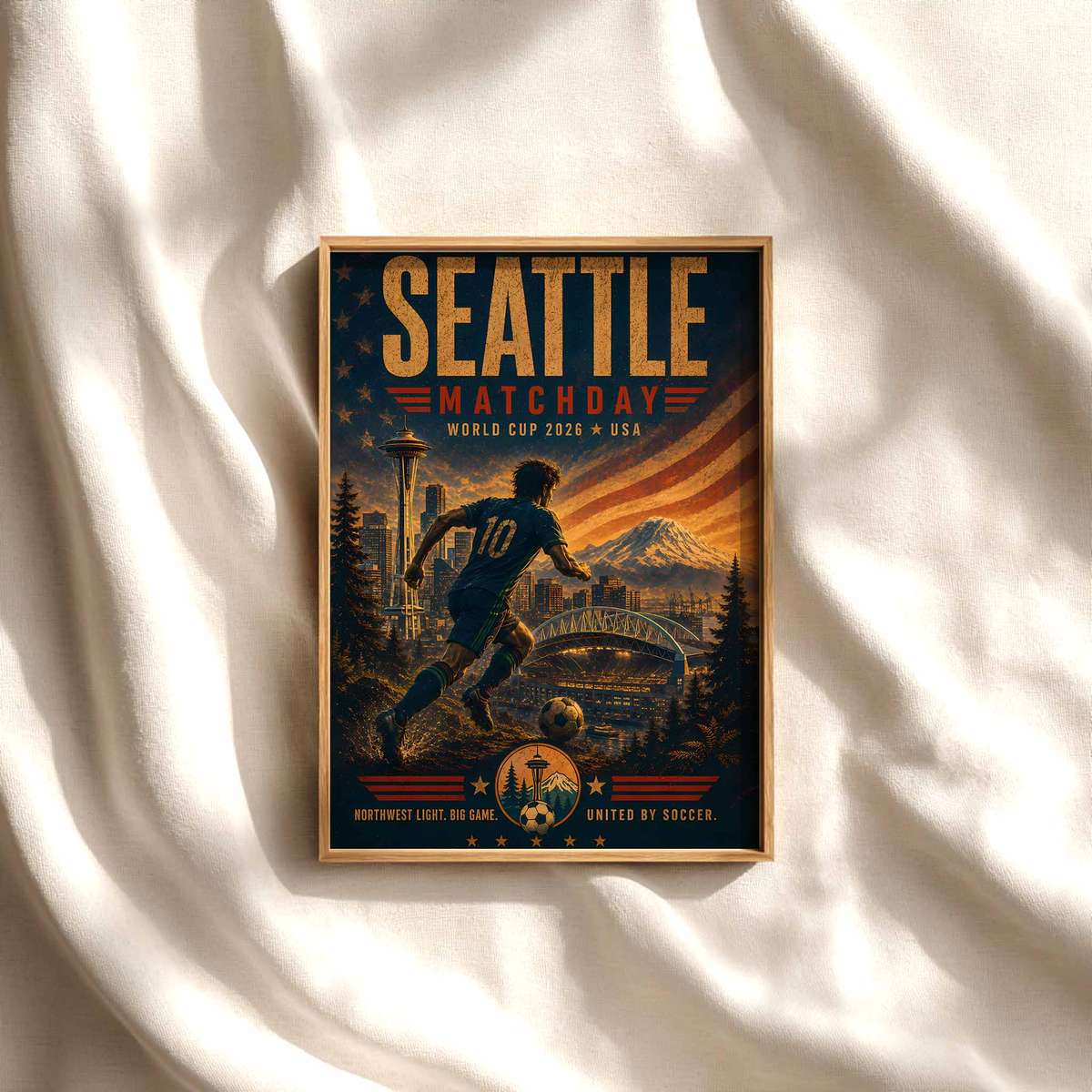
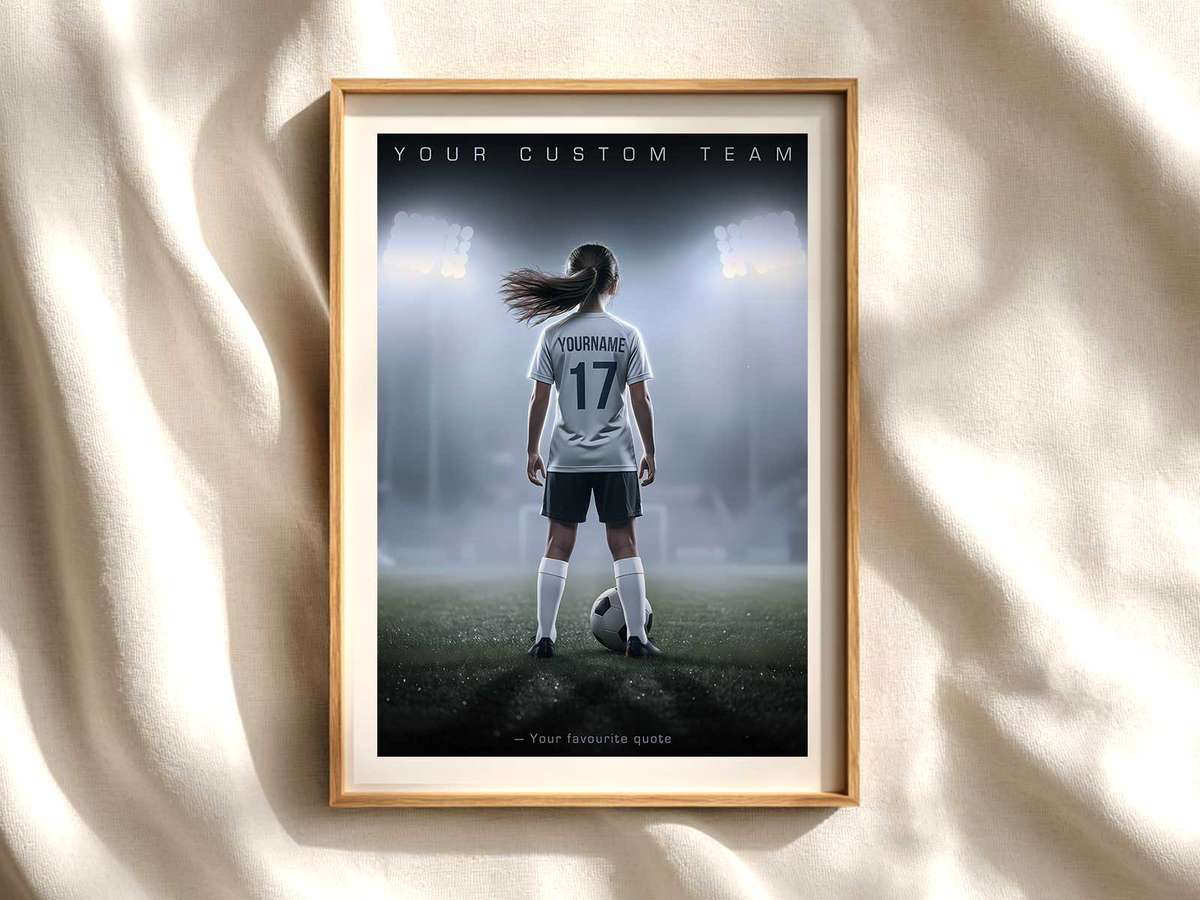
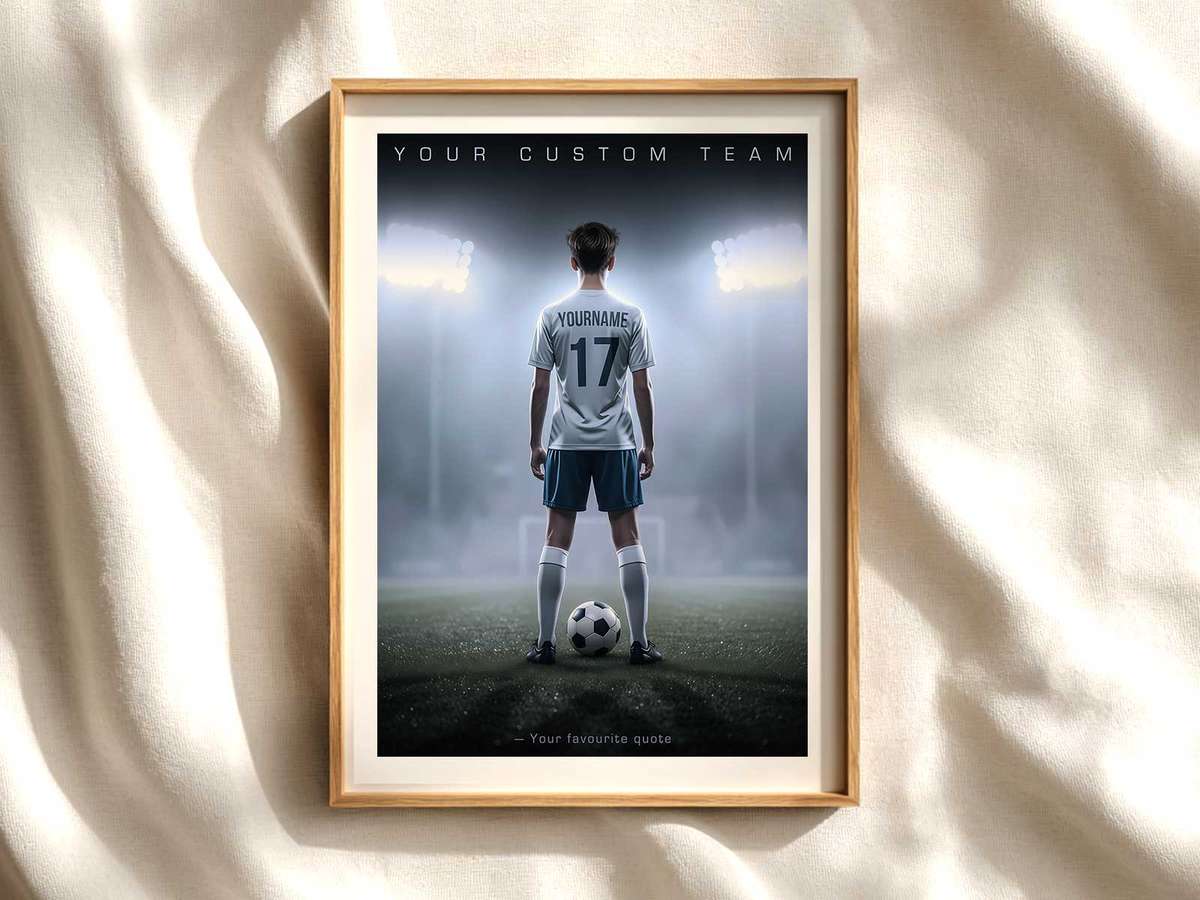
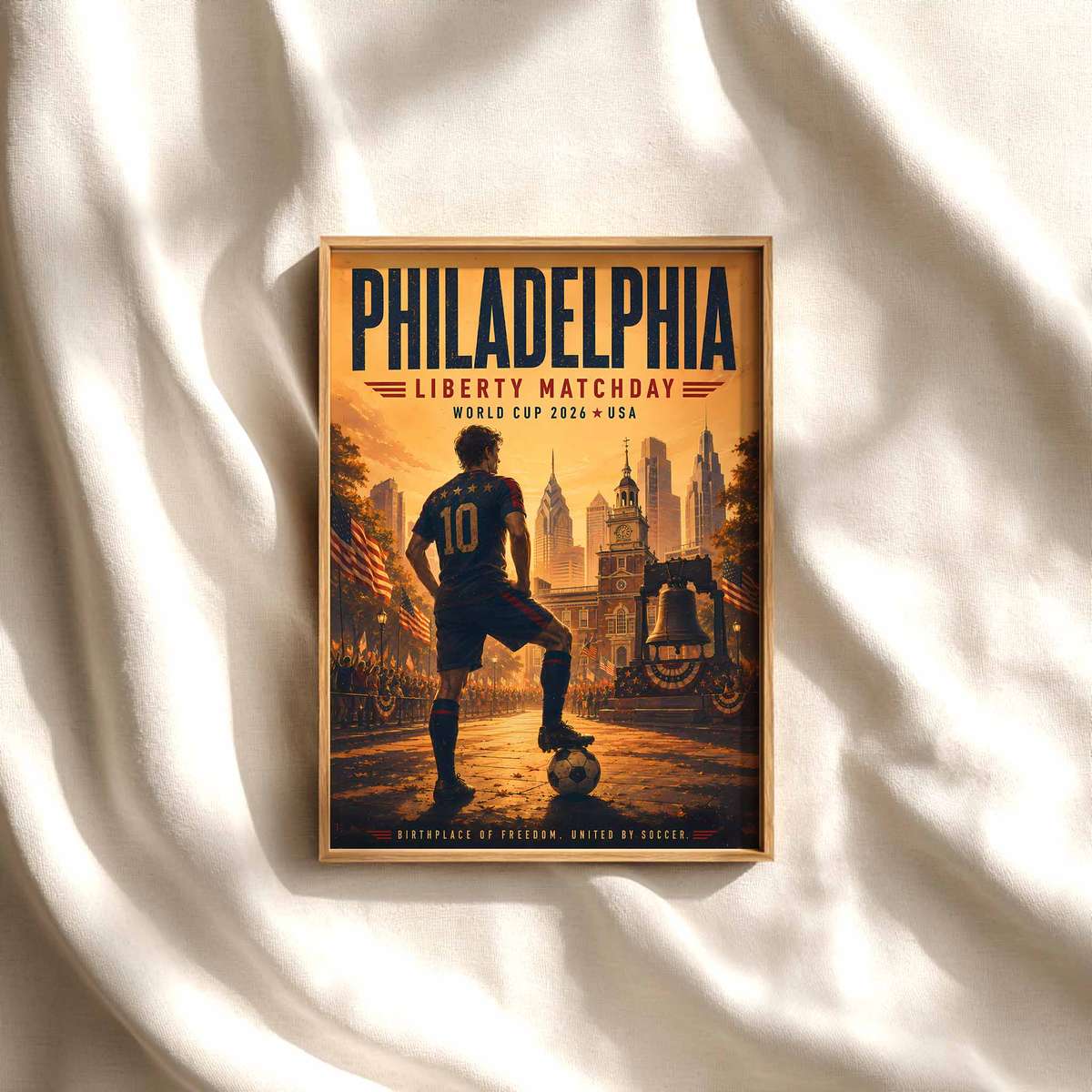
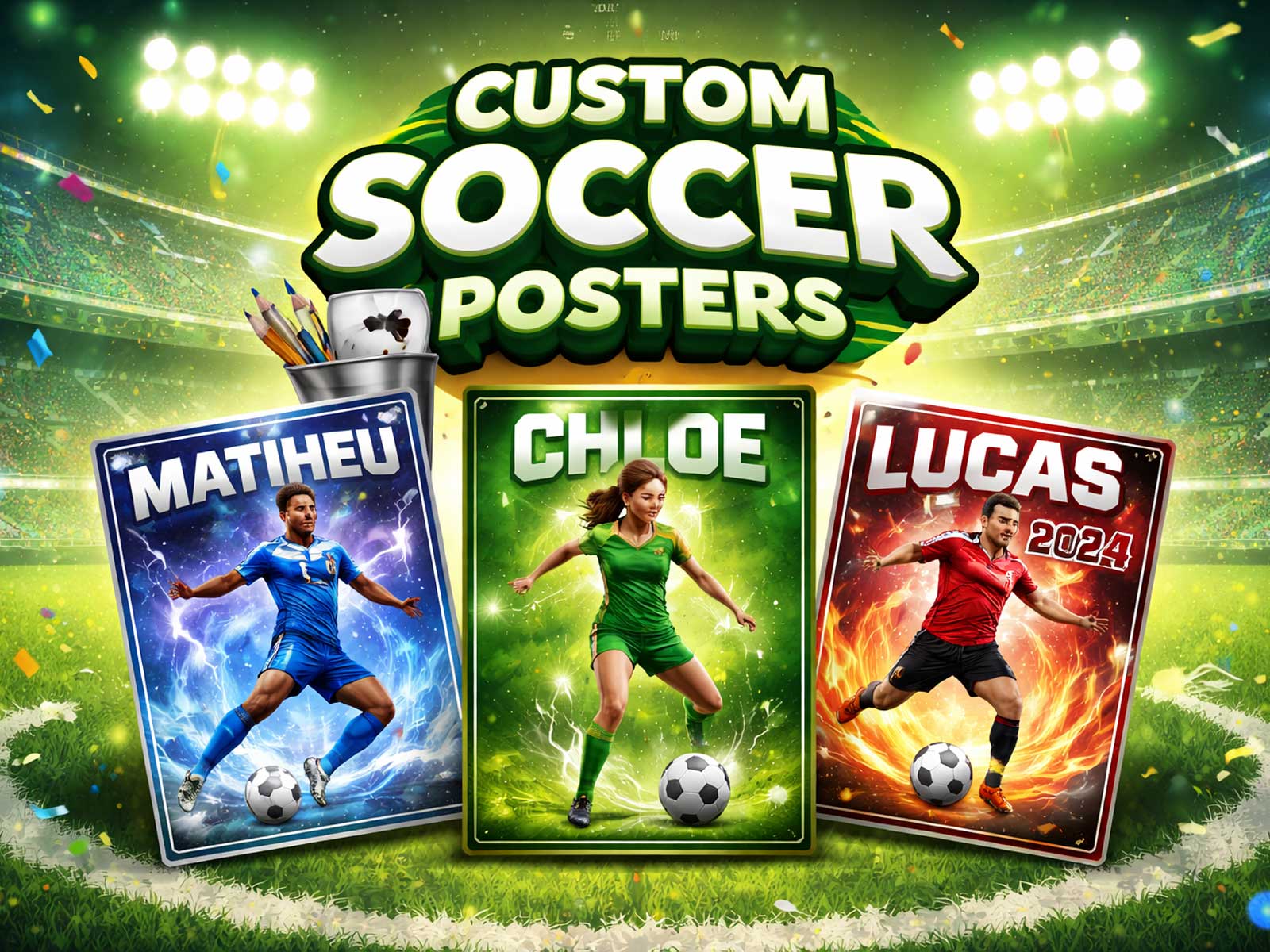
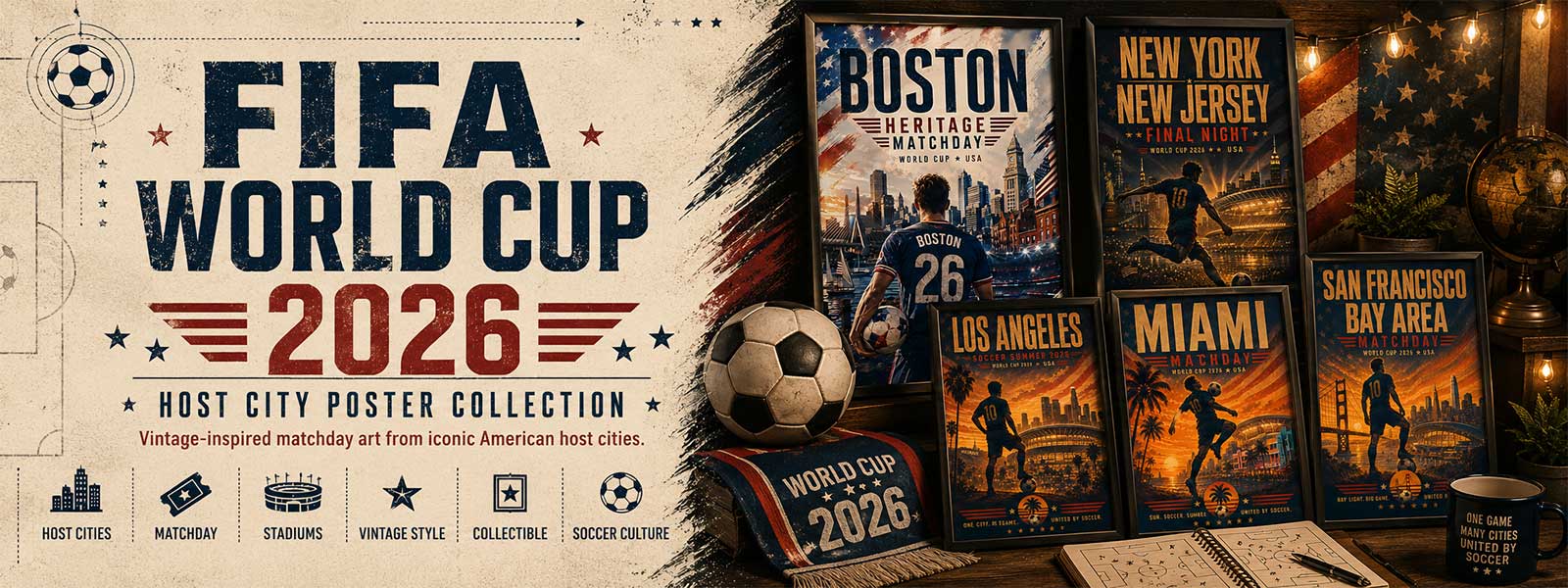
There is a particular charge to watching a major match in a city that already feels monumental. A custom World Cup 2026 poster that places a final’s light over the New York skyline takes that charge and fixes it—visually and emotionally—so a single room can hold a season’s worth of effort, a family’s weekend rituals, or a team’s landmark night. This is not simply wall decoration; it’s a freeze-frame of identity: the player’s name and number, the team colors, the season you earned them, and the city that made the occasion feel larger than life.
What makes a personalized poster different from a generic print is specificity. When a poster carries a player’s name, a match date, or a jersey number, it becomes a marker of progress and belonging. Parents see practices and rainy Saturdays; players see the moment their foot met the ball and the roar that followed. That specificity makes the piece a memory anchor—an object that pulls a story into a room so it can be revisited without scrolling through footage or digging out an old phone.
Imagine the poster above a bed, in a team room, or near a trophy shelf: New York’s skyline silhouettes the stadium lights, while a bold name and number ground the composition in personal history. In a bedroom it reads like an earned badge; in a locker area it speaks to collective pride; in a living room it signals family ritual. The same image keeps changing meaning over time. For a rising player it’s encouragement; years later it becomes a chapter in a longer athletic life.
Design choices matter because they shape how the poster reads at a glance. Clean, strong soccer visuals—an iconic pose, a clear type treatment for the name and number, and a restrained palette that echoes team colors—give the poster the clarity of a logo and the warmth of a photograph. The skyline and final-light motif supply context without clutter: you immediately sense a place and a moment, and the viewer’s eye rests on the personalized details that tell the story.
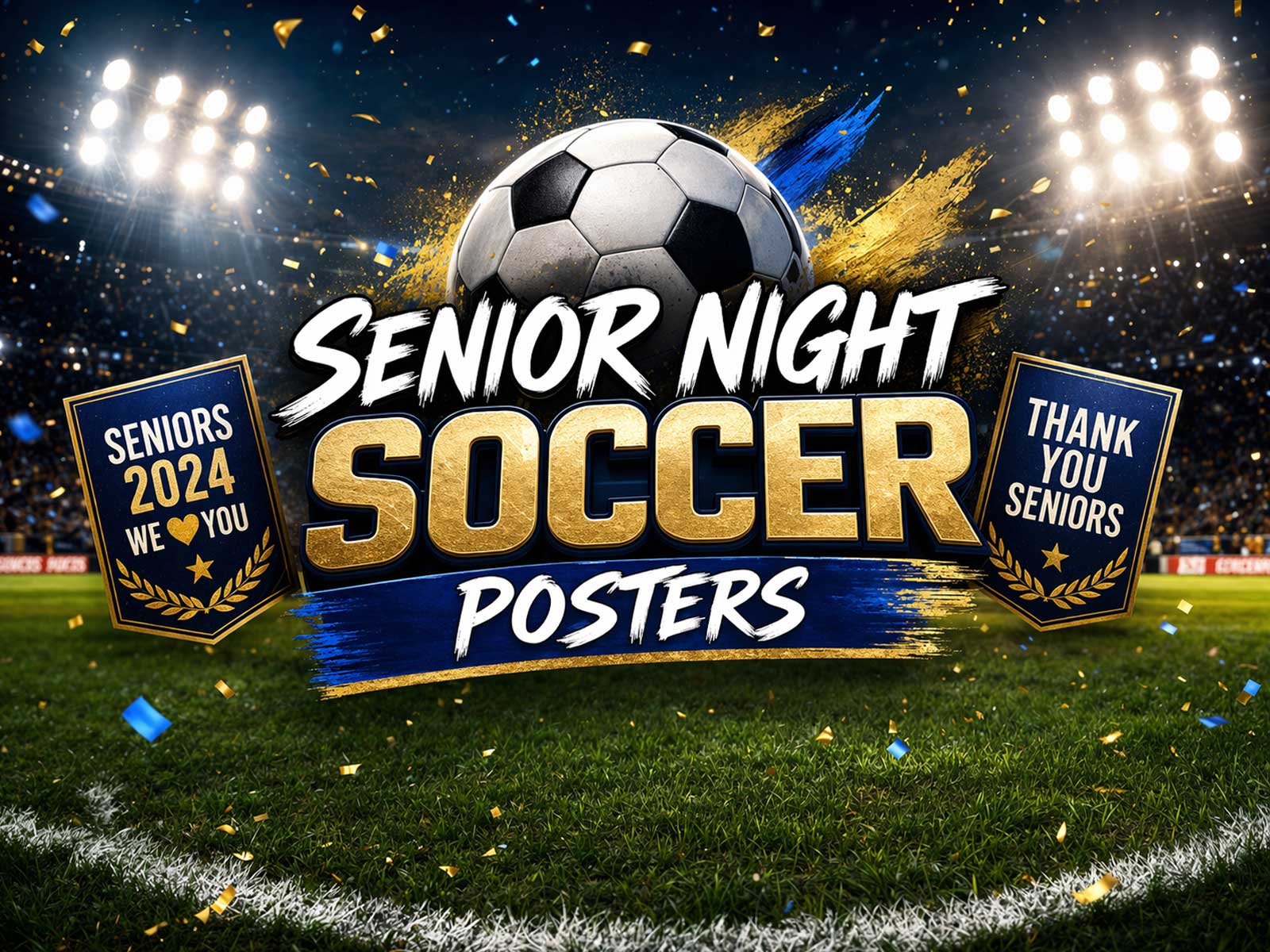
Beyond aesthetic strength, a custom World Cup 2026 poster functions as a social object. Coaches can use it as subtle recognition for a season’s captain; teammates can sign the margins after a tournament; parents can mark a senior night with a framed piece that sits in the family room. Those social uses turn the poster into a record of relationships as much as accomplishments—proof that someone saw your effort and chose to celebrate it publicly.
When choosing where to display the poster, think about the role you want it to play. A bedroom placement makes it a private motivator, a game-room wall lets it join the story of shared fandom, and a communal hallway display transforms it into a family milestone. Because the image combines a civic skyline and the intimate detail of a name or season, it can comfortably bridge public pride and personal memory.
Finally, consider how this keepsake ages with the player. Unlike trendy sports decor, a poster built around a specific match and place becomes a chapter in a longer narrative. As years pass, the piece collects meaning: a reminder of a breakthrough season, a trophy’s quieter companion, or the visual cue that restarts stories at holiday gatherings. It’s a way to keep a match’s energy alive in the way photos and anecdotes sometimes cannot—by making that energy part of the room itself.
Whether the poster marks a breakthrough moment, a final played under New York lights, or a season that shaped a player’s identity, it’s the personalization—the name, the number, the city-laced atmosphere—that turns a sporting image into a lasting keepsake.