End-of-season trophies can be more than a shiny, anonymous token. The best soccer trophy ideas combine visual identity, a thoughtful message, and a clear memory—so the award reads like a story rather than a placeholder. This article walks coaches, parent volunteers, and team managers through concrete ways to choose awards that feel personal, age-appropriate, and coherent with your team’s culture.
What makes an award feel special
There are three practical ingredients: identity, meaning, and future use. Identity ties the award to the team—colors, logo, nickname, or a memorable game. Meaning comes from the reason you’re giving it—improvement, leadership, grit, or humor—and from the wording you choose. Future use means the award is something the player will display or revisit, not stash in a drawer.
Early on, decide the purpose: are you recognizing performance, attitude, improvement, or the social glue that keeps a team together? That decision shapes material choices and the tone of the engraving or printed message.
Practical award types and when to use them
Not every team needs a glass trophy. Here are outcome-driven options with clear reasons to pick each:
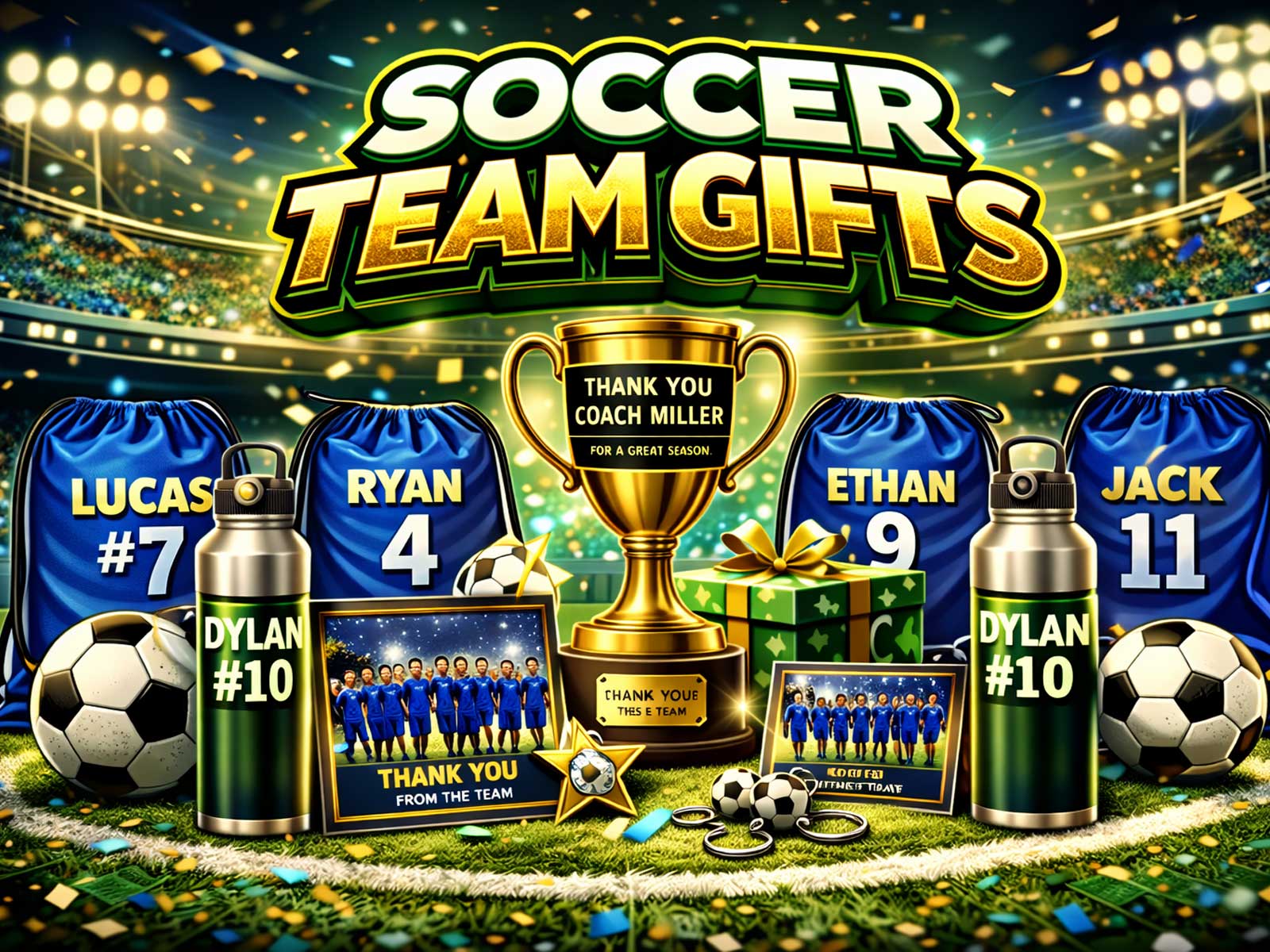
- Personalized plaques or mini-boards—Great for leaders and long-term keepsakes because they sit well on shelves and can include a season line (year, coach, team name).
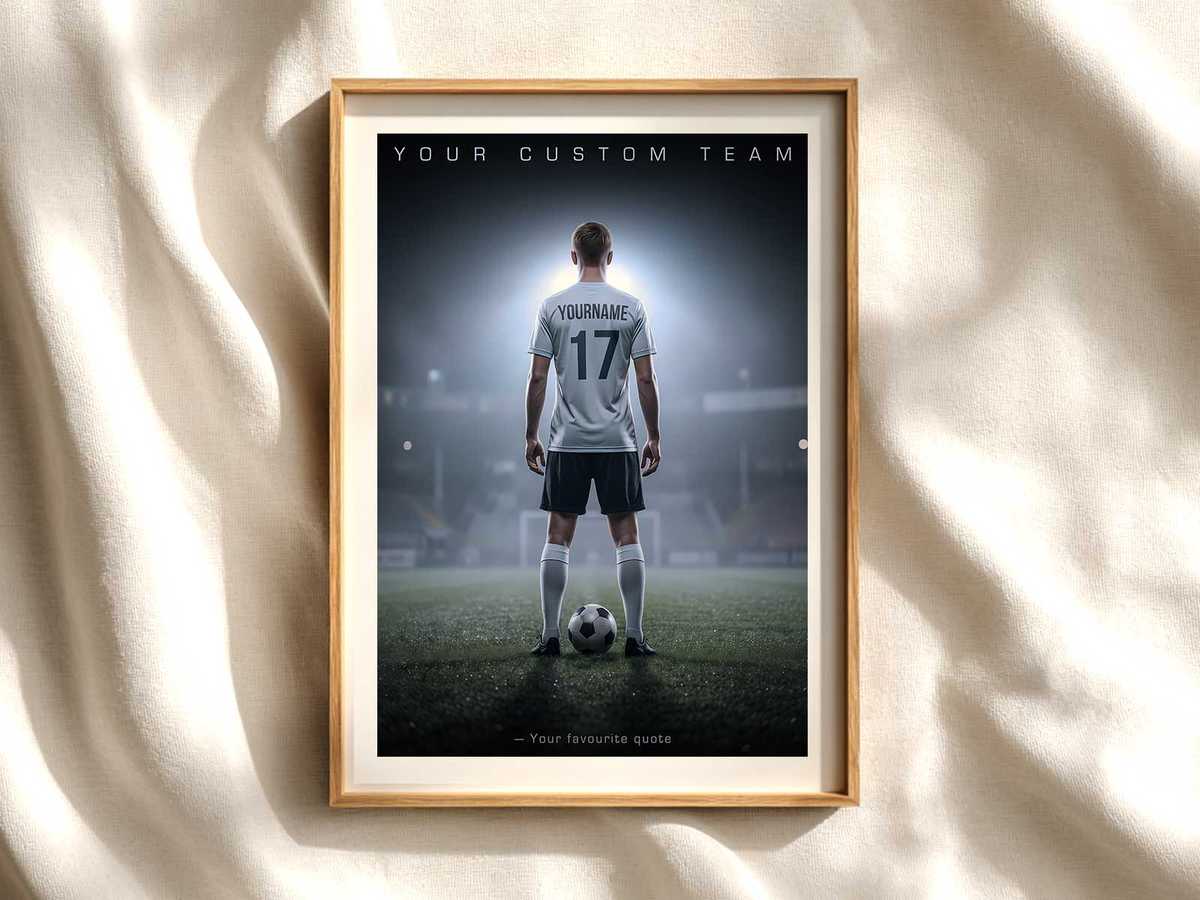
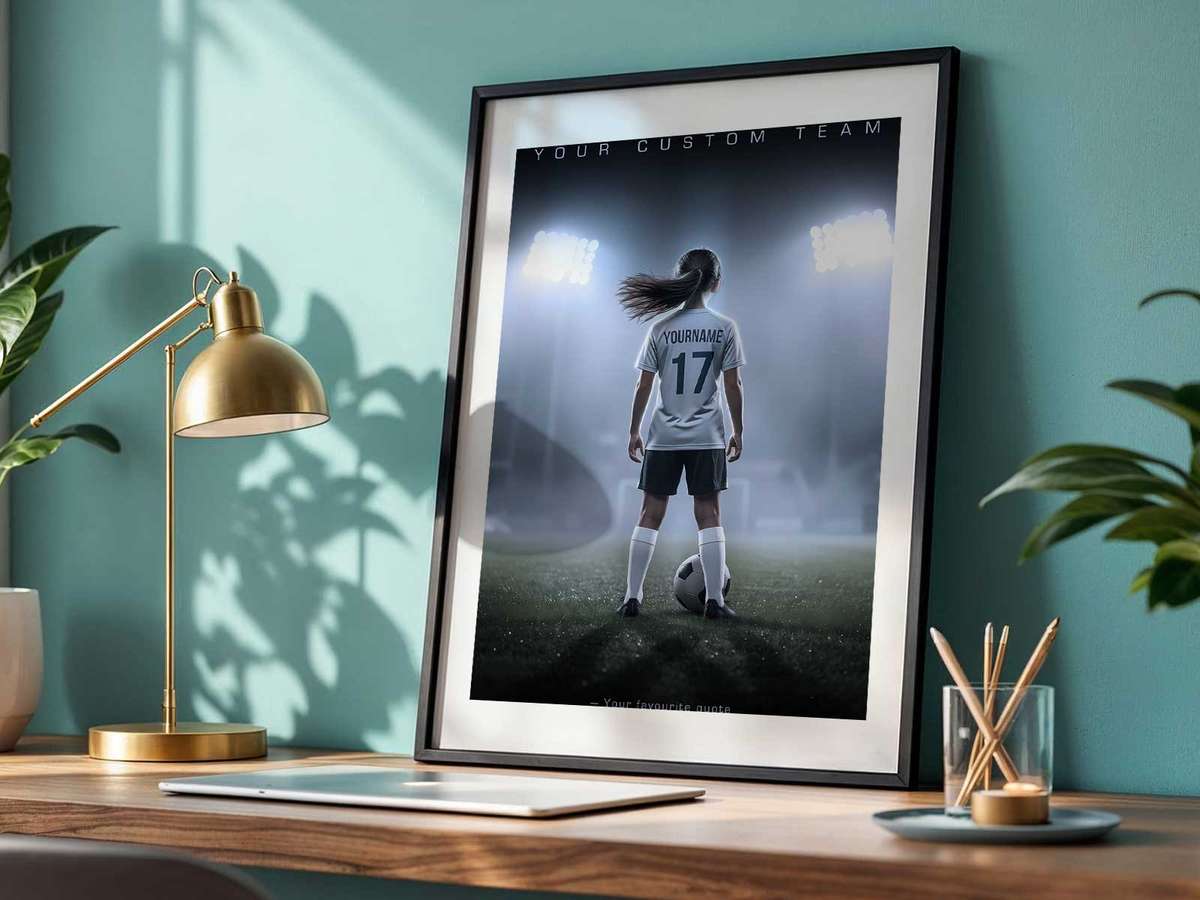
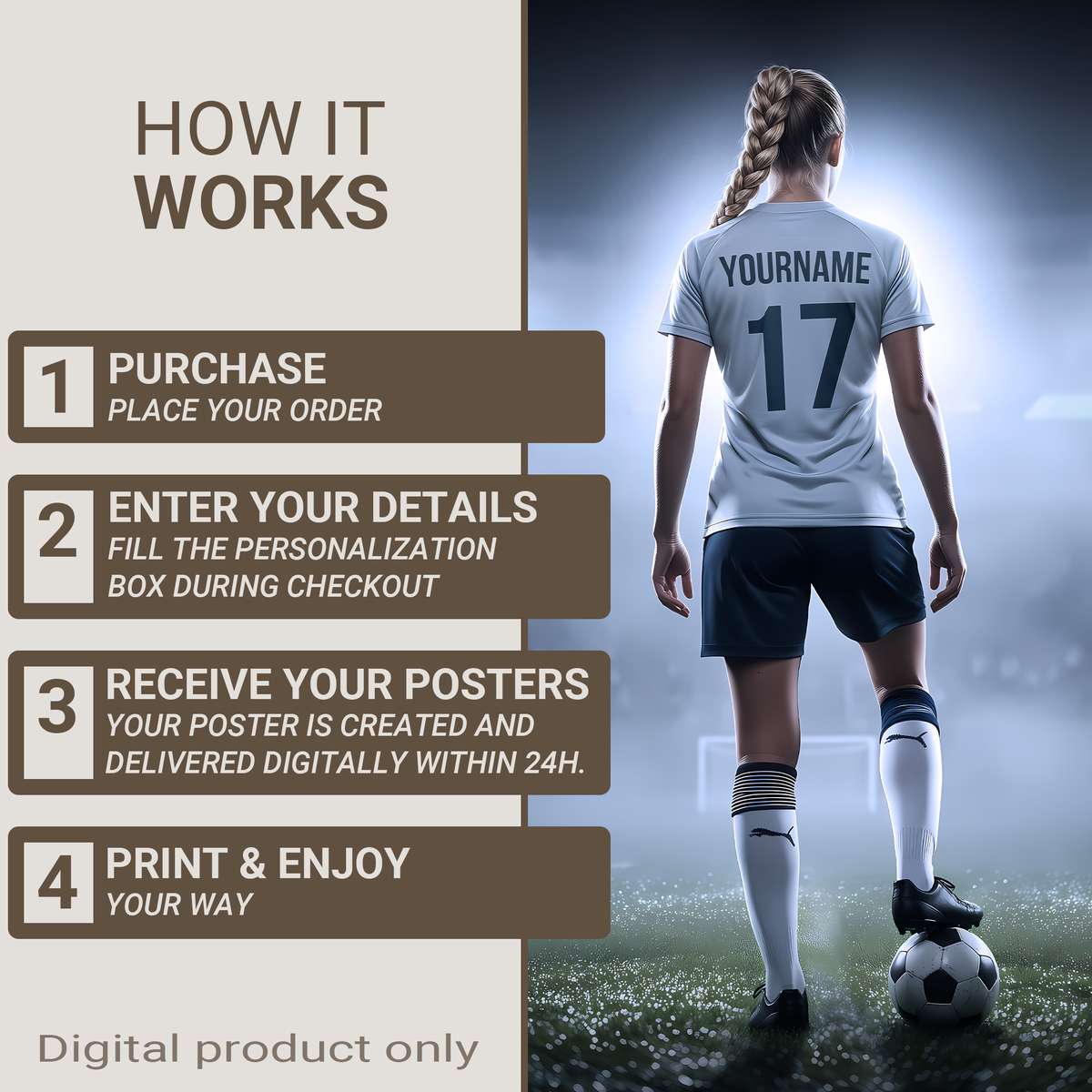
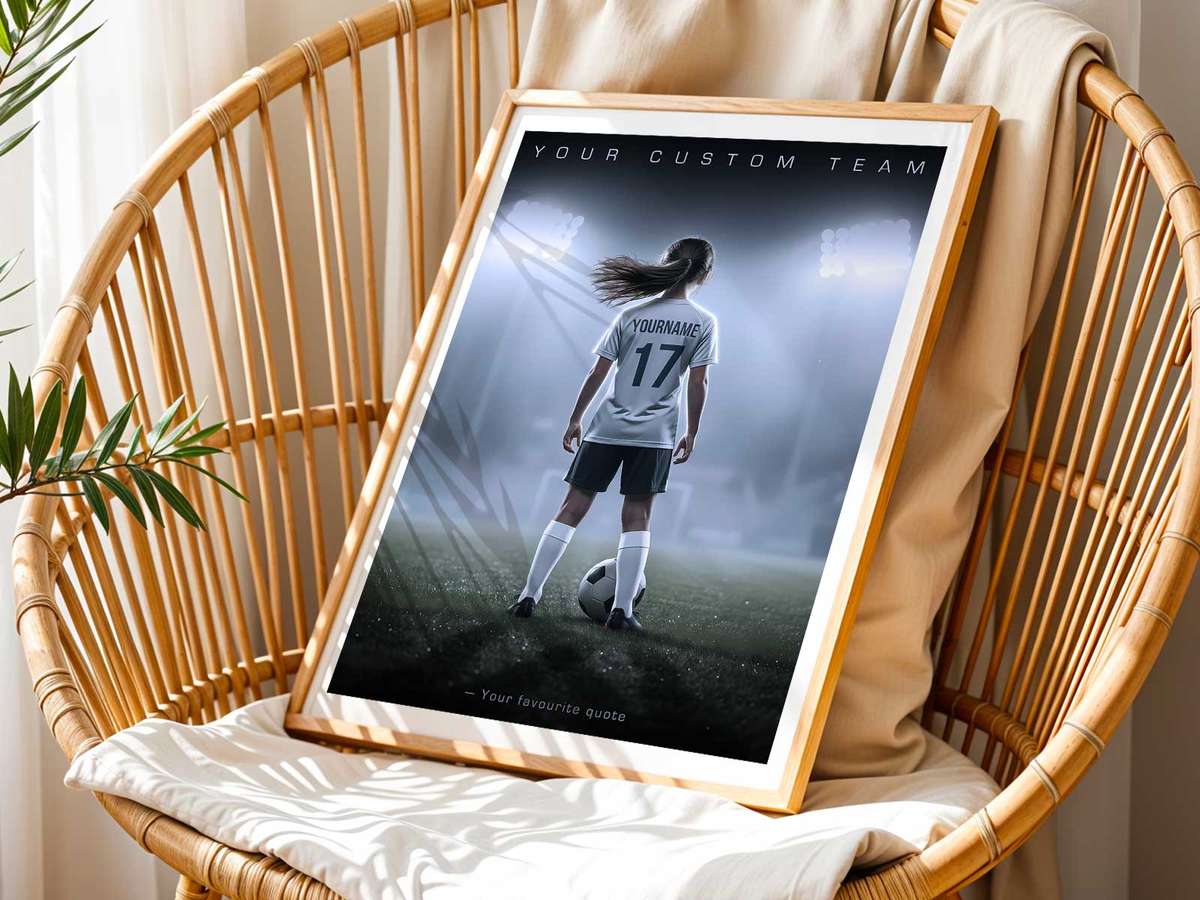
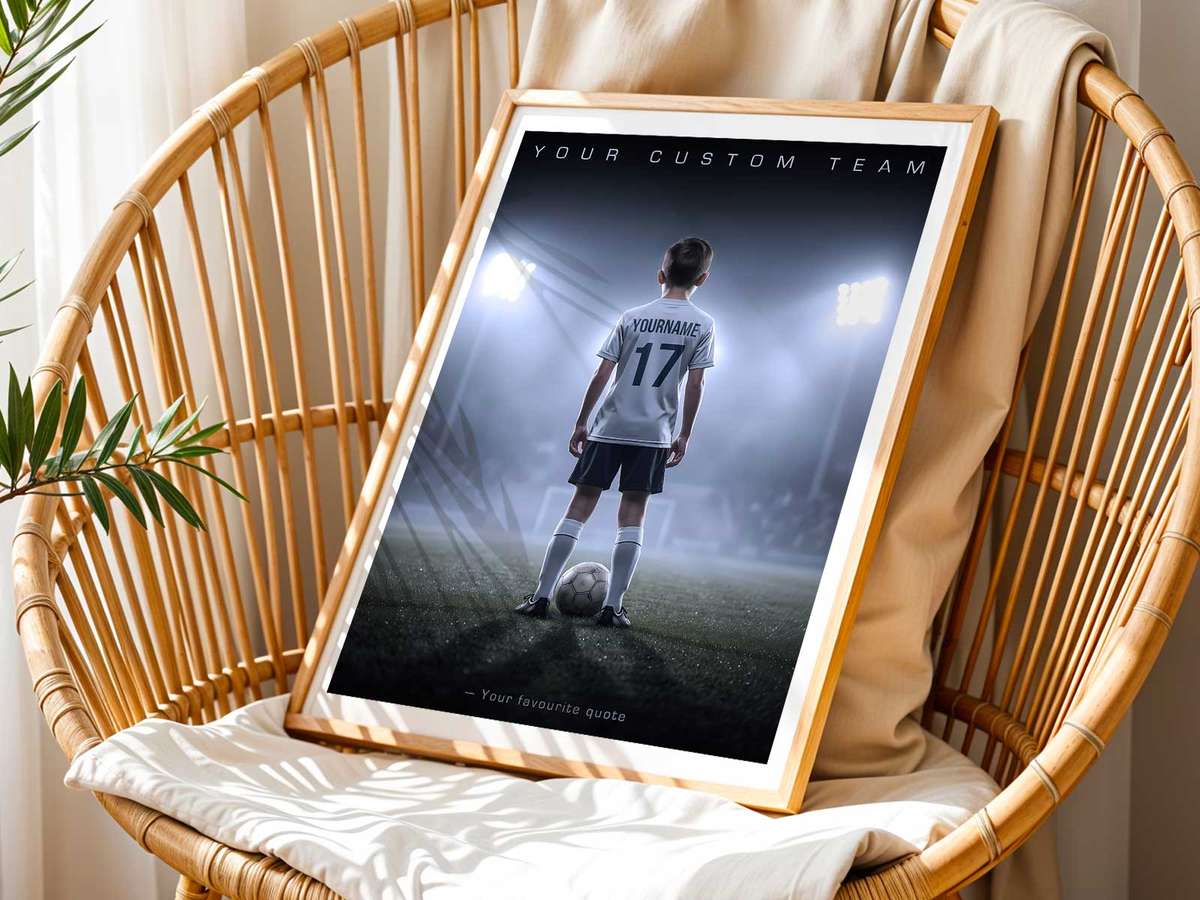
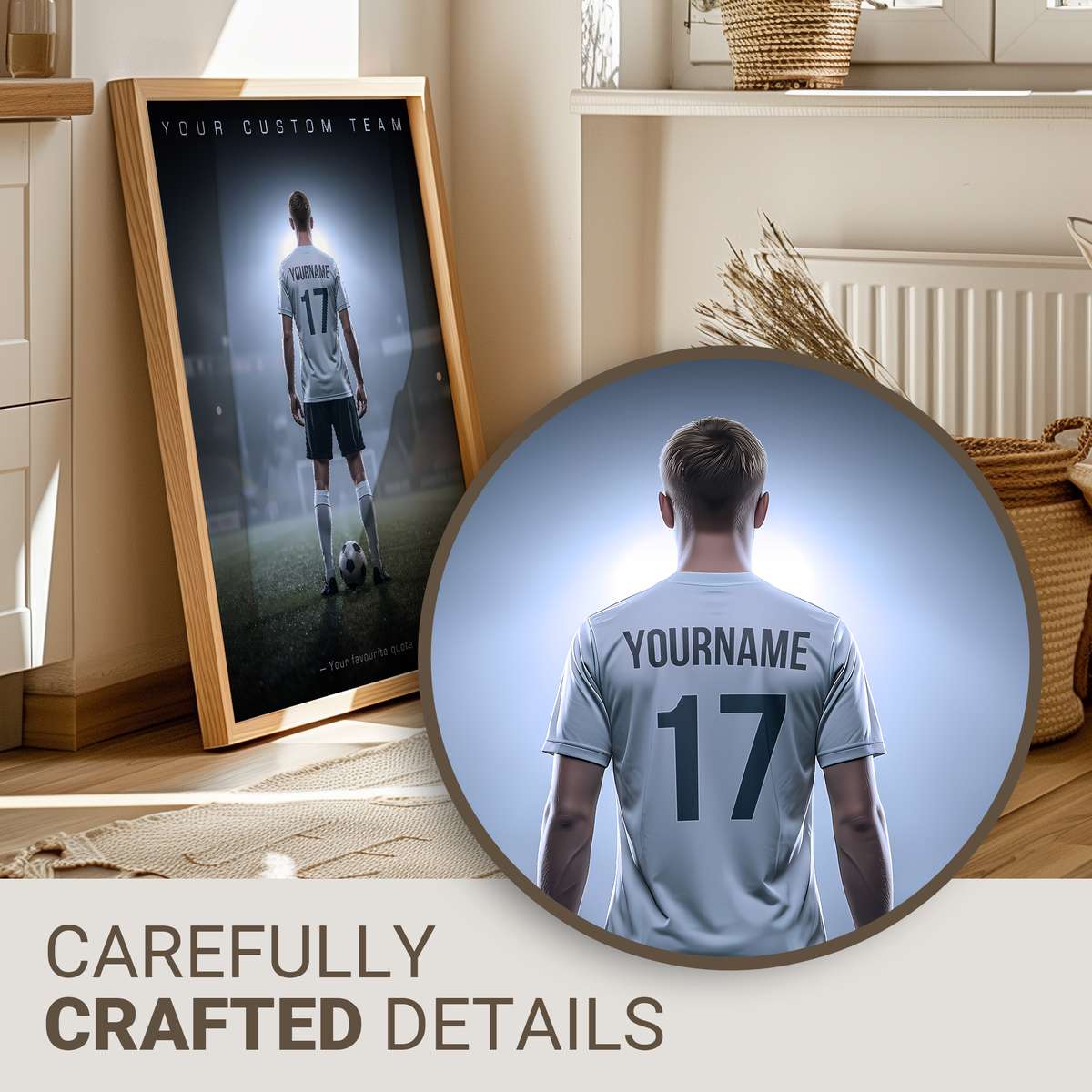
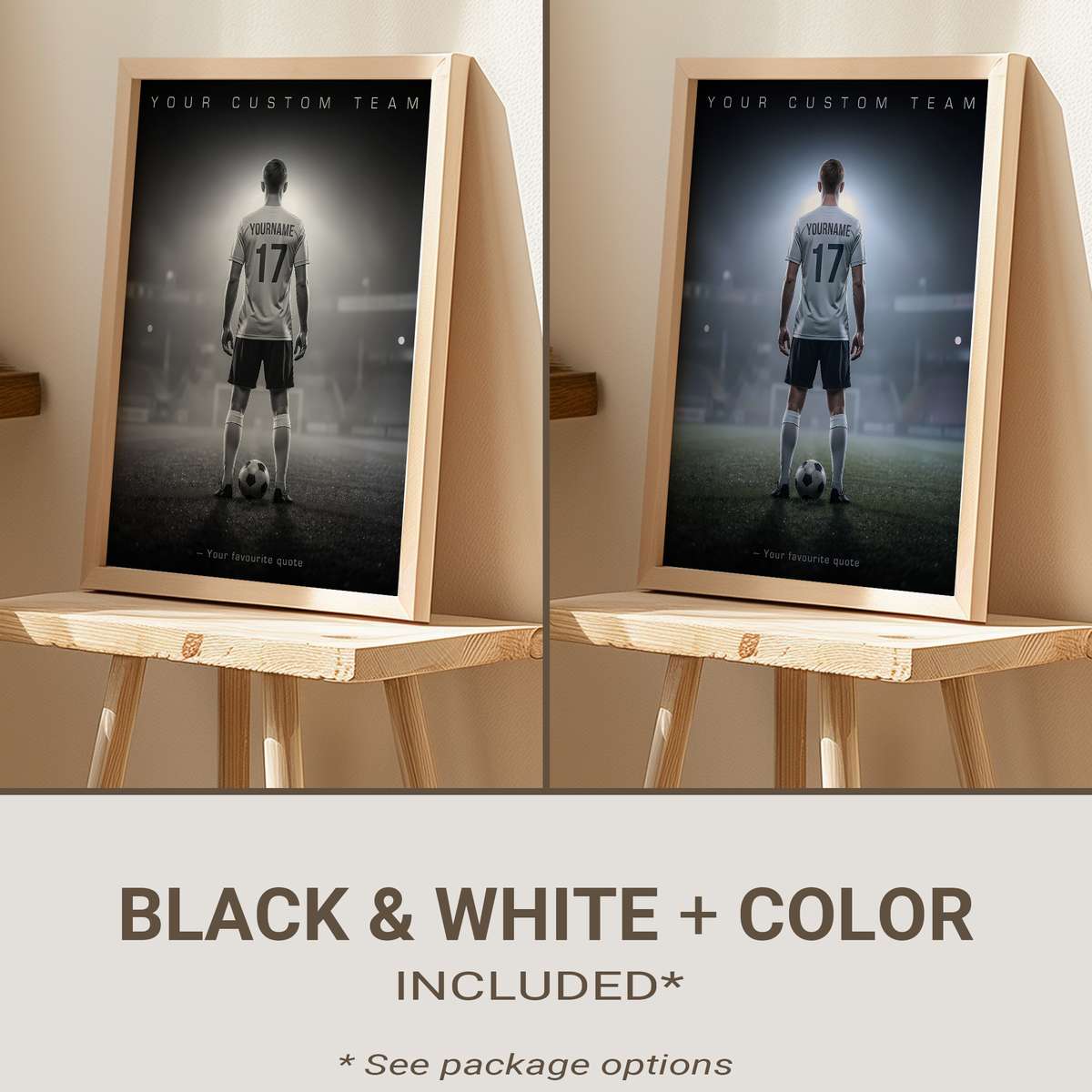
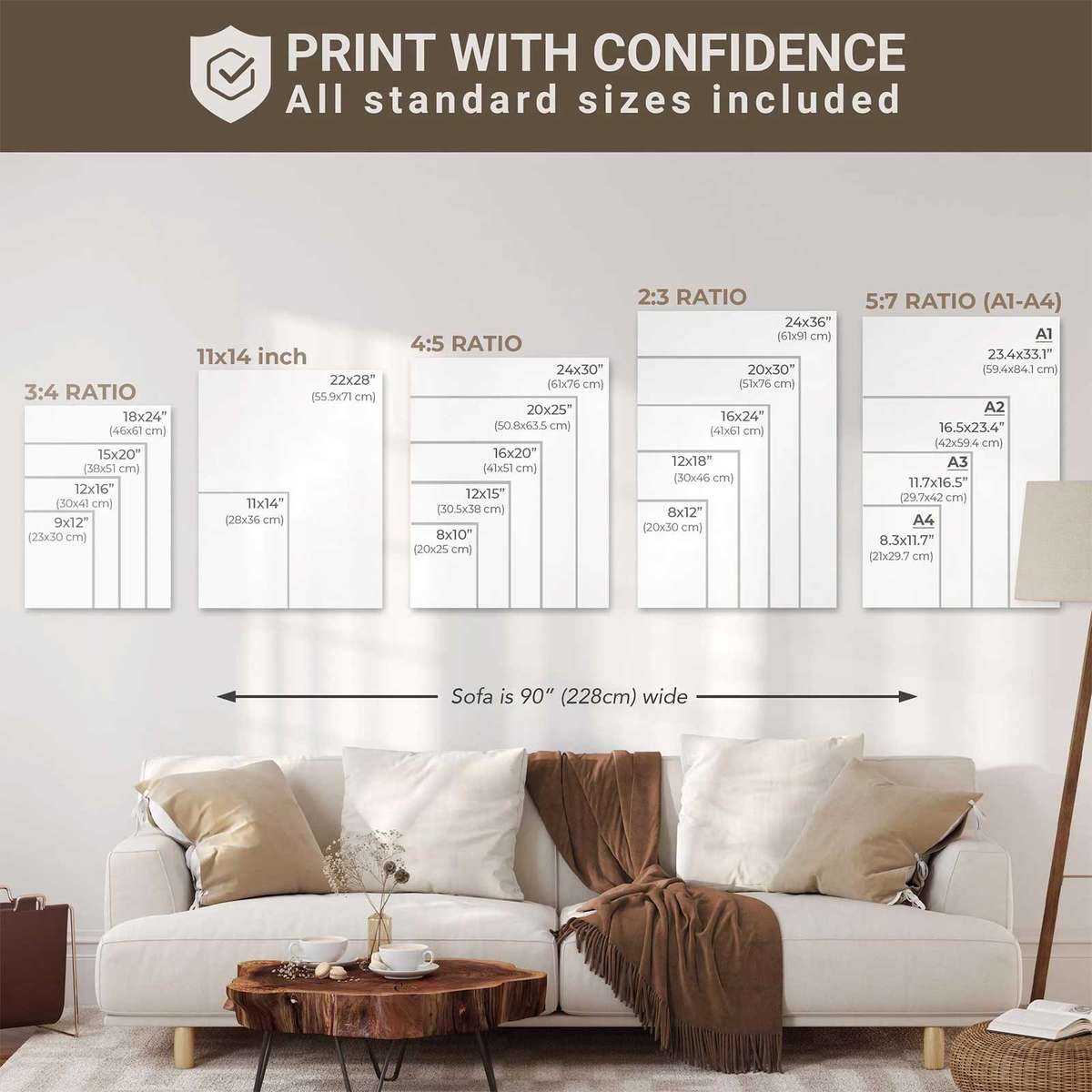
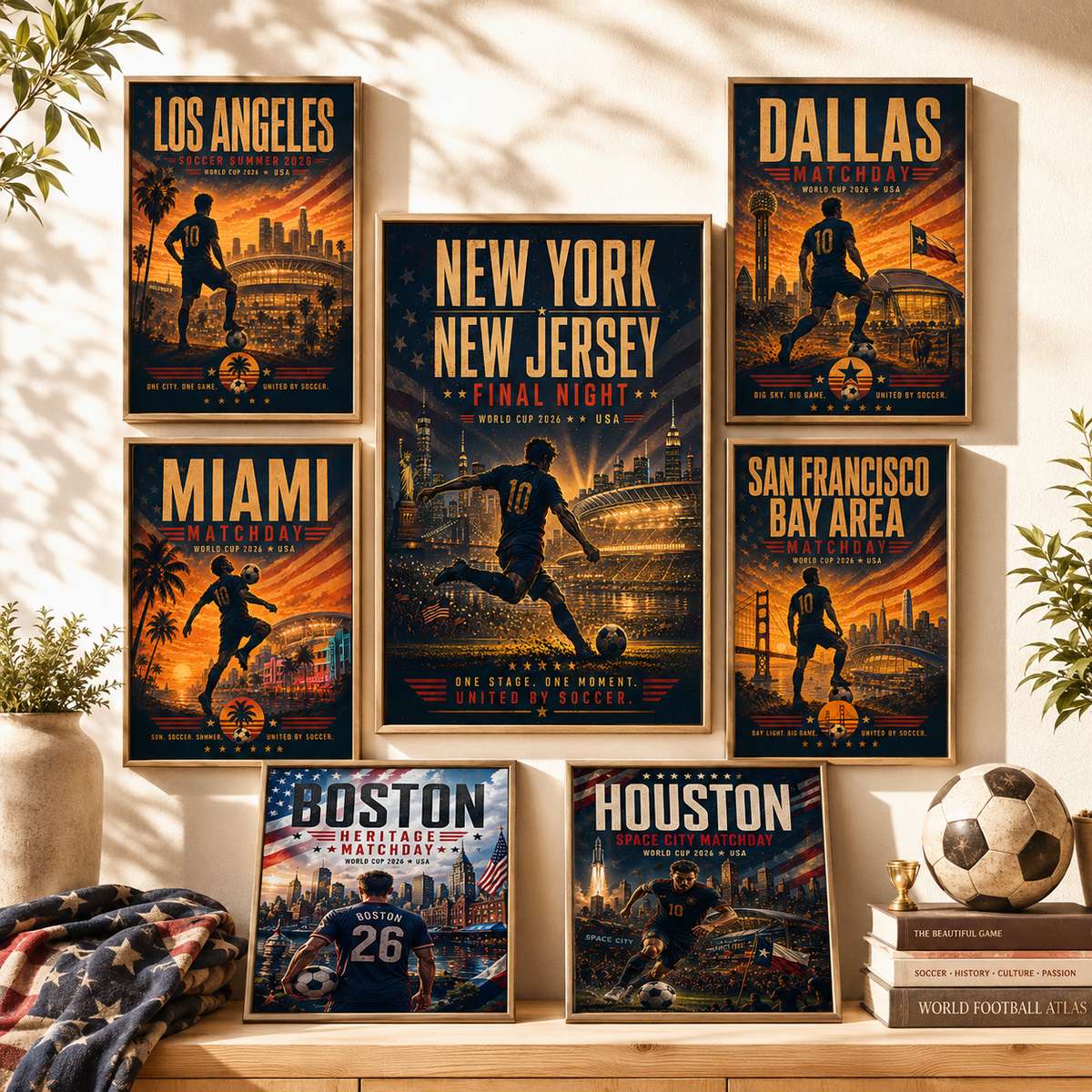
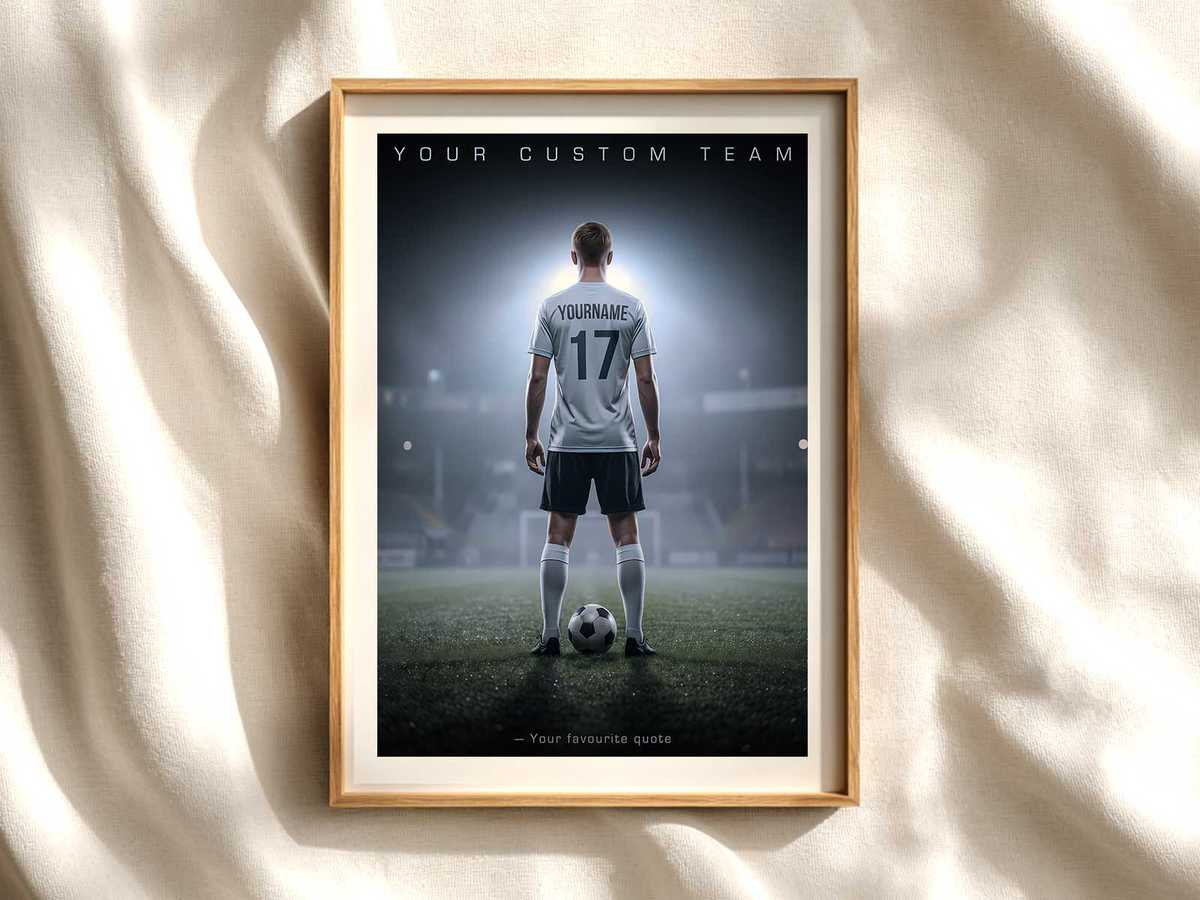
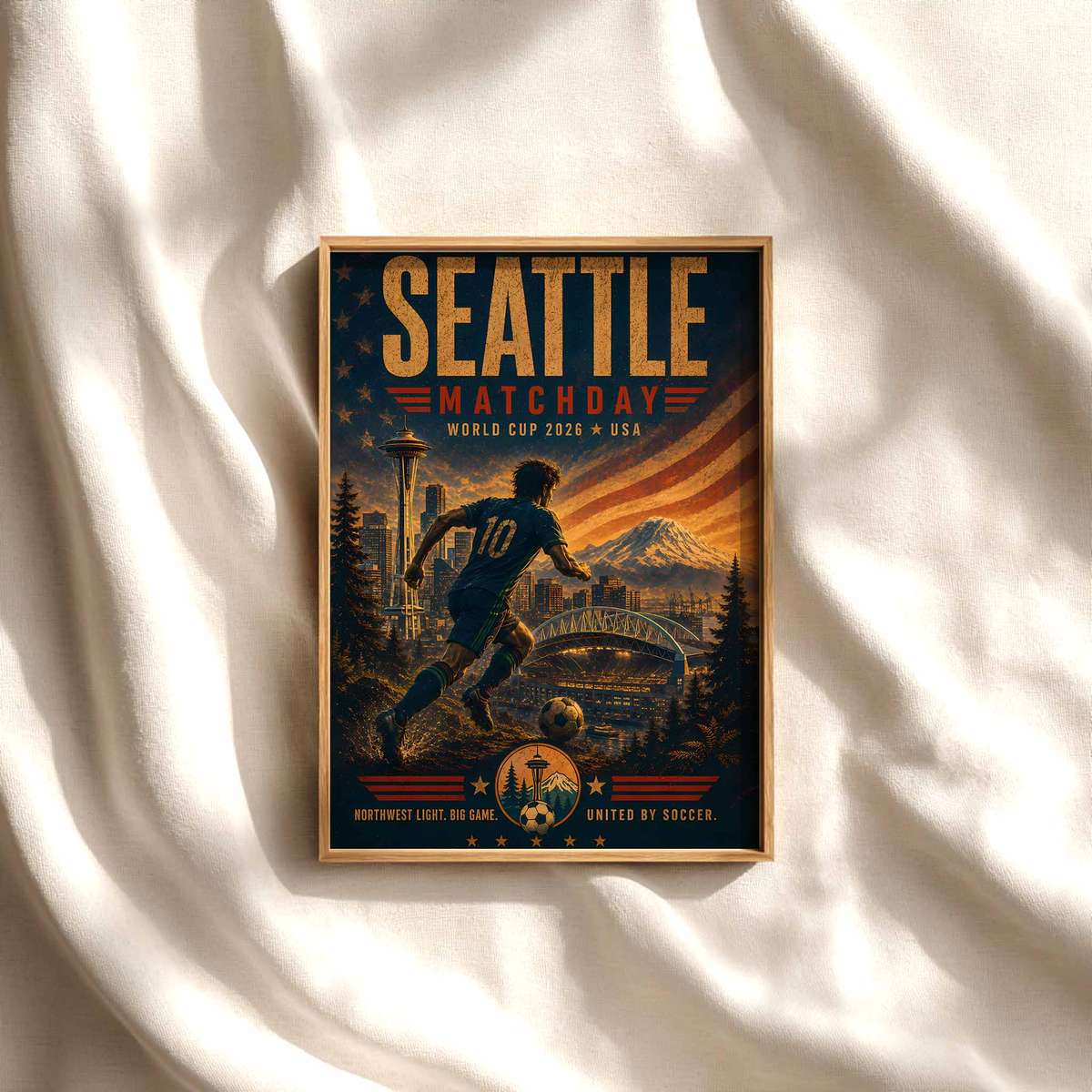
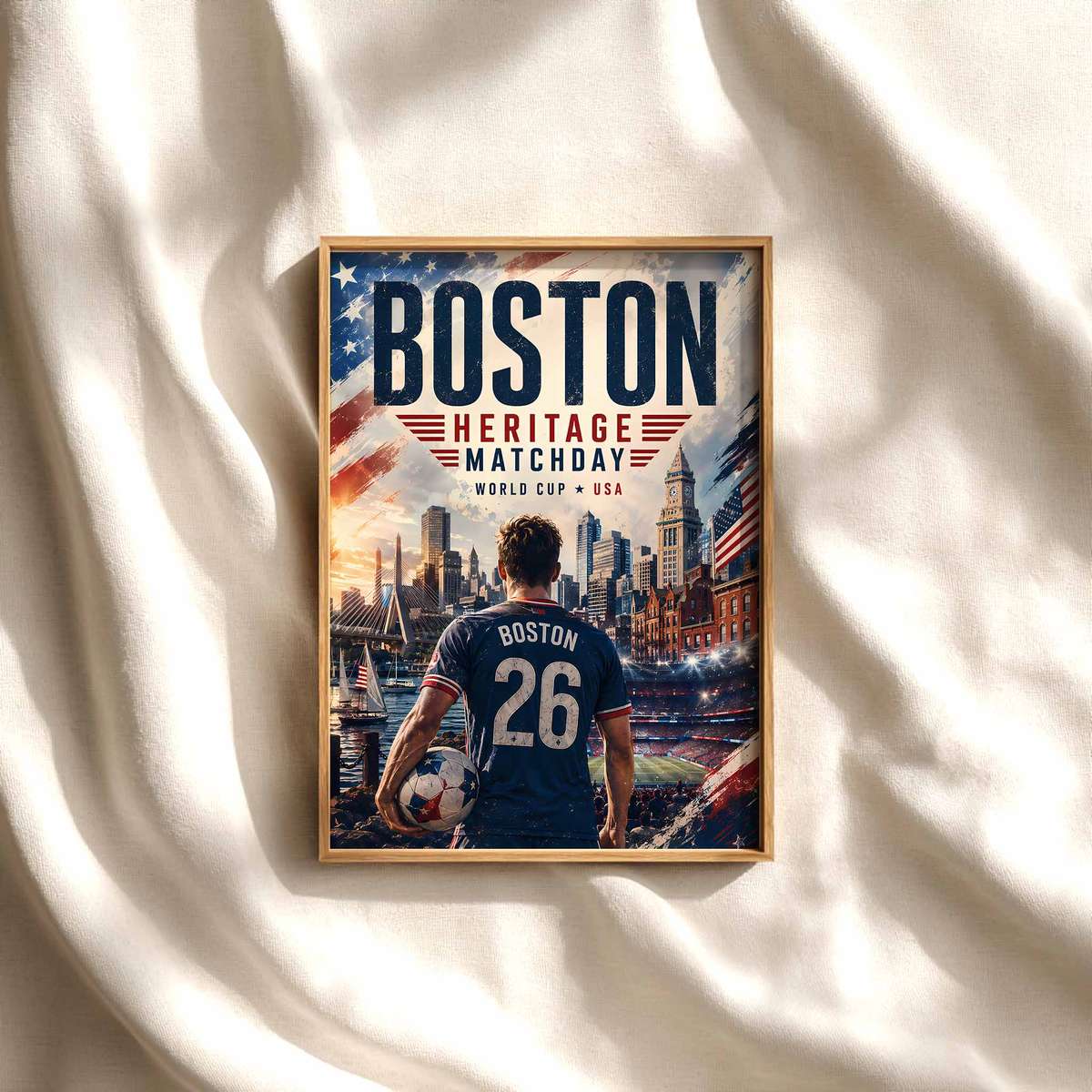
- Custom posters or prints—Work well for younger players who decorate bedrooms; a printed layout can celebrate stats, a memorable photo, or a team motto.
- Medals with engraved tags—Better for ceremonies where many players get recognition without creating excess clutter.
- One-off handcrafted items—Use for emotional awards (coach’s choice, senior tribute) where uniqueness matters more than uniformity.
Wording and engraving that lands
The difference between a generic trophy and a meaningful keepsake is a few well-chosen words. Avoid vague superlatives and prefer specifics: mention the season, a short qualifier ("Most Improved — Fall 2025"), and a one-line memory if space allows ("For your game-winning assist vs. Ridgeview"). Short, tangible references make the award a trigger for a memory rather than a bland accolade.
For funny awards, check tone against the player’s personality and the team culture to avoid embarrassment. Sentimental awards should be explicit about why someone mattered to the group.
[IMAGE_INSERT_ARTICLE_01]
Age-appropriate approaches
Young players (U8–U12) respond to colorful, bold designs and concrete encouragement like "Most Improved" or "Team Spirit." Teens appreciate authenticity: keep language real and avoid patronizing jokes. For high school seniors, choose something display-worthy and durable, and consider an inscription that looks good on a shelf or in a dorm room.
Making awards fit team culture
Reflect on what your team celebrates. If your squad values hustle, reward hustle. If humor is central, include a lighthearted category but balance it with sincerity. When possible, involve players in selecting categories—that increases buy-in and reduces awkwardness.
When a personalized print or poster works
Printed keepsakes earn their place when they capture a season narrative: roster names, an emblematic photo, an inside joke, or season stats. A poster becomes meaningful when it reads like a snapshot—name, role, season highlight—and fits a player’s display context (bedroom, locker, hallway). Use posters as part of a layered award strategy: a small trophy plus a personalized print gives both immediate ceremony and a lasting memory.
Final guidelines and avoidances
Keep awards concise, truthful, and relevant. Avoid categories that single out weaknesses or that could embarrass. Aim for balance—include fun awards but make sure most categories recognize effort, improvement, leadership, and teamwork. When in doubt, choose a keepsake that tells a clear story about why the player mattered to that team in that season.
Author: