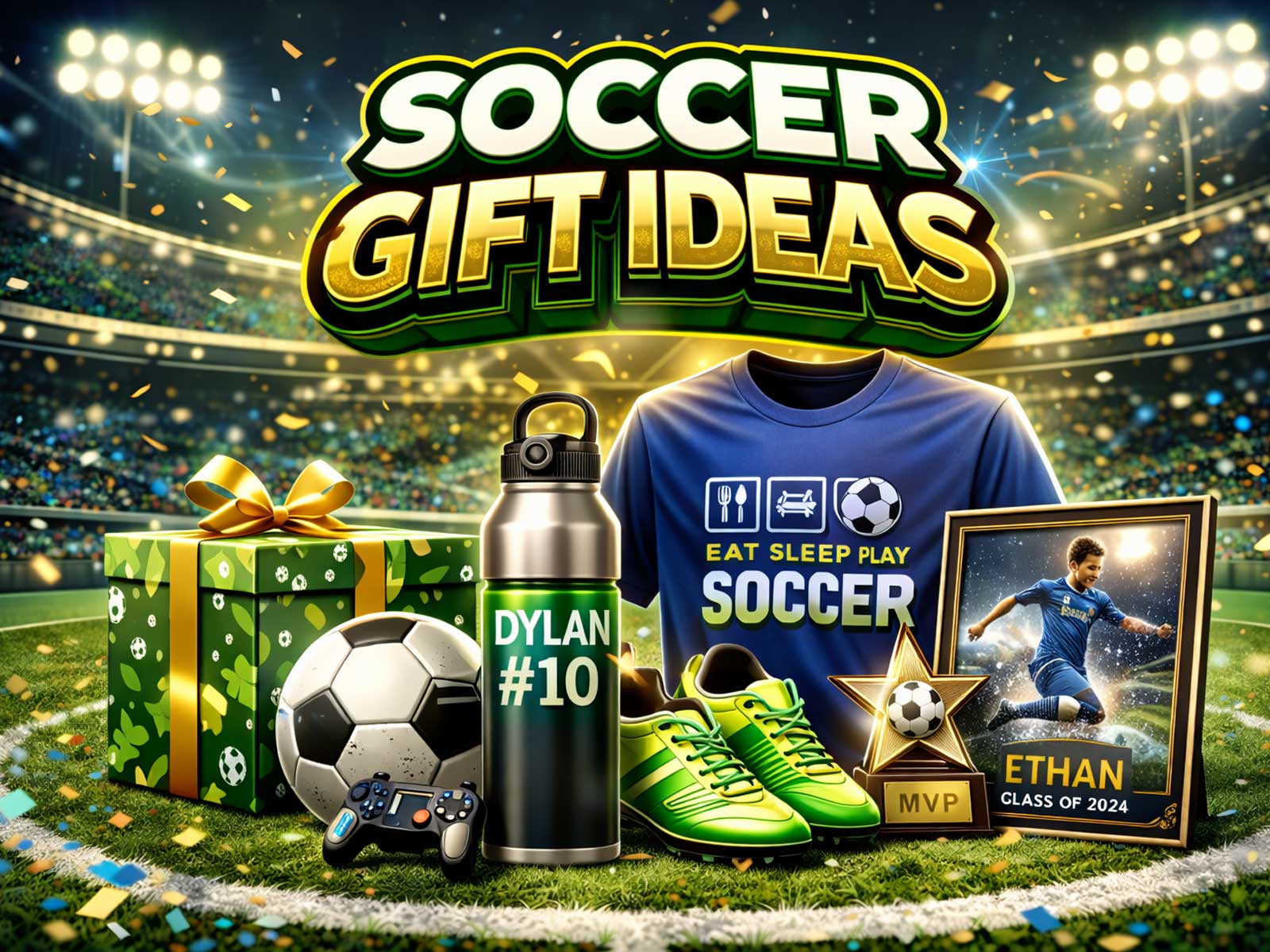
Picking a football gift for a player can feel straightforward until you remember how many generic hats, water bottles, or token medals get lost, unused, or tucked away. The difference between a throwaway accessory and a lasting present is not always price—it's personal meaning. This article explains how to choose gifts that actually reflect a player’s season, role, and relationships with teammates so the item becomes a memory, not clutter.
A memorable gift ties to a specific moment, identity, or relationship. Think about three anchors: the occasion (end-of-season, tournament, promotion), the player’s role (captain, defender, bench regular), and the shared team story (a last-minute win, a travel tournament, an undefeated streak). Anchoring a gift to one of those transforms it from “another piece of gear” into something that triggers a scene, a name, or a feeling.
Useful gear vs. generic merch vs. personalized keepsakes
All three categories have a place, but choosing between them means asking: who is the recipient, what will they actually use, and what memory should the gift preserve?
Useful gear: cleats, practice shirts, or training cones are appreciated when they replace worn items and match the player’s needs. They work best when you know size and preferences. These are practical and appreciated, but rarely remembered as emotional tokens.
Generic merch: mass-produced scarves, novelty keychains, or low-effort trophies are easy to buy for an entire team but often feel impersonal. They mark the event but don't tell a story beyond “we were there.”
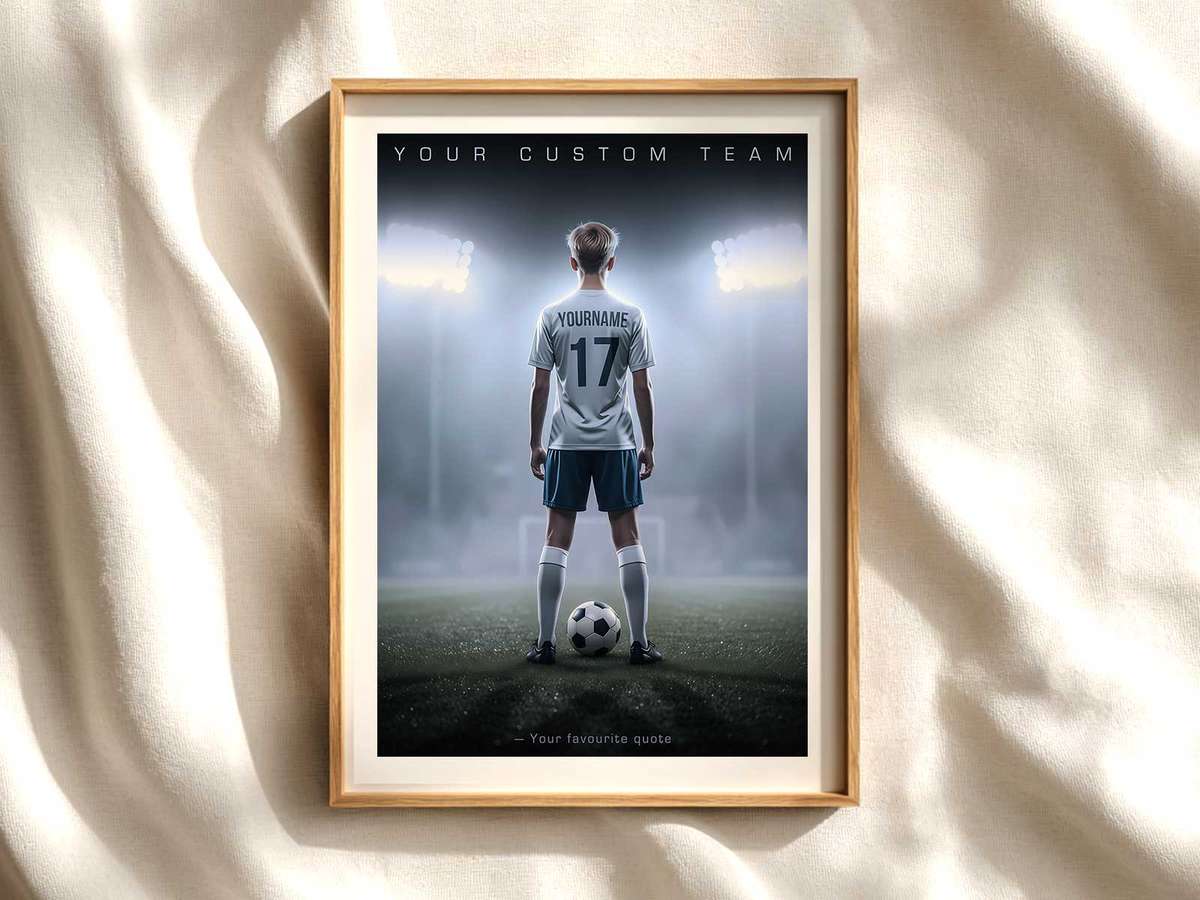
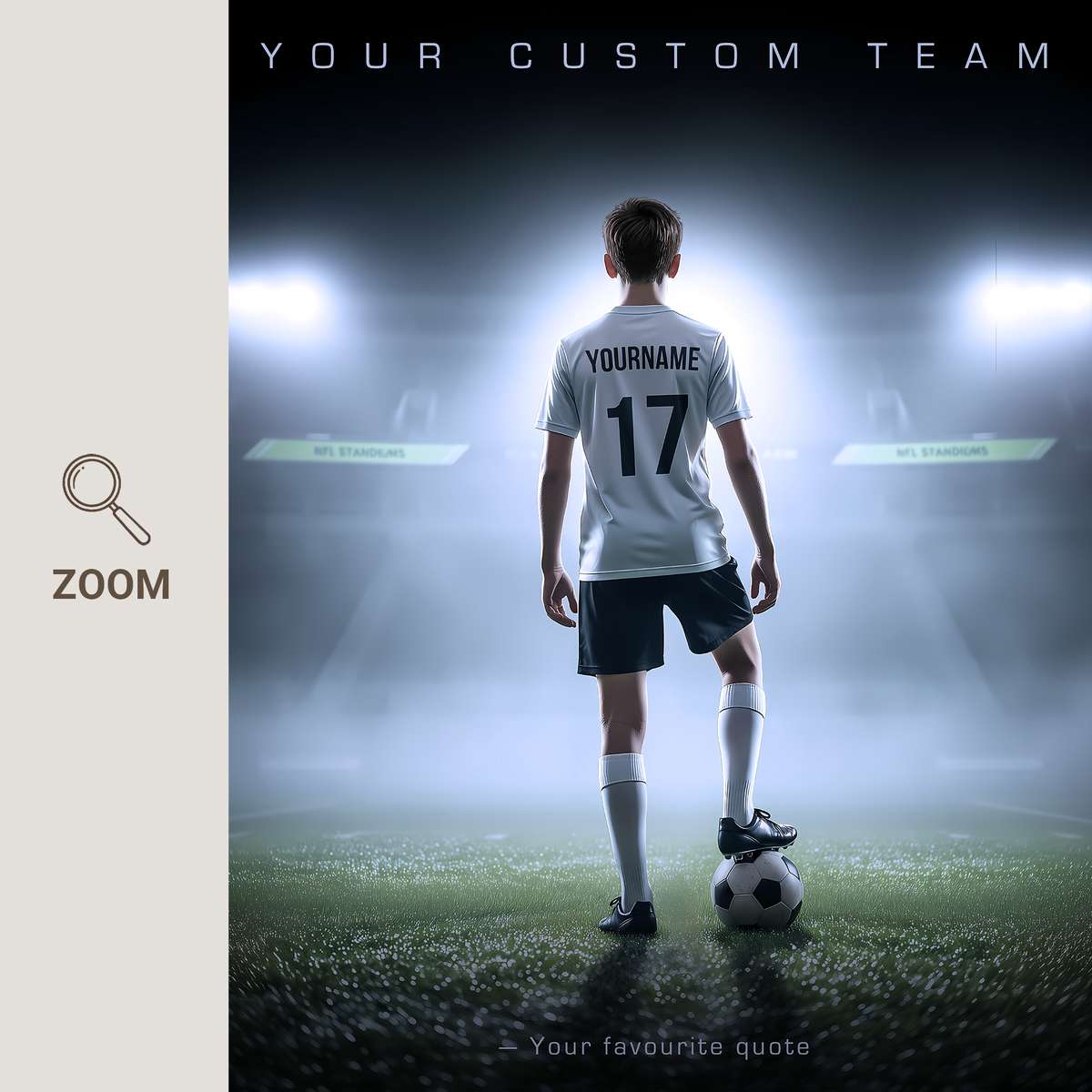
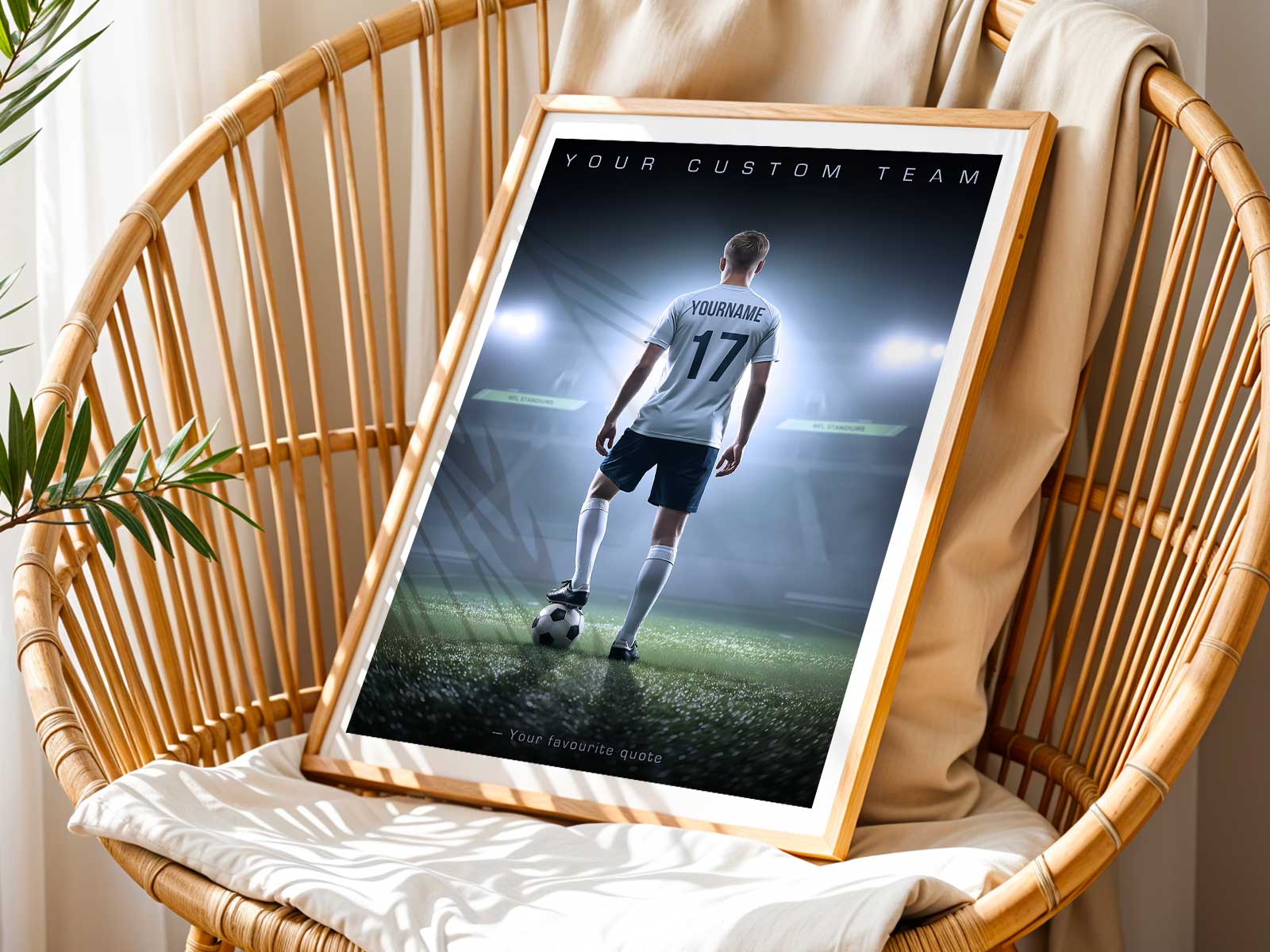
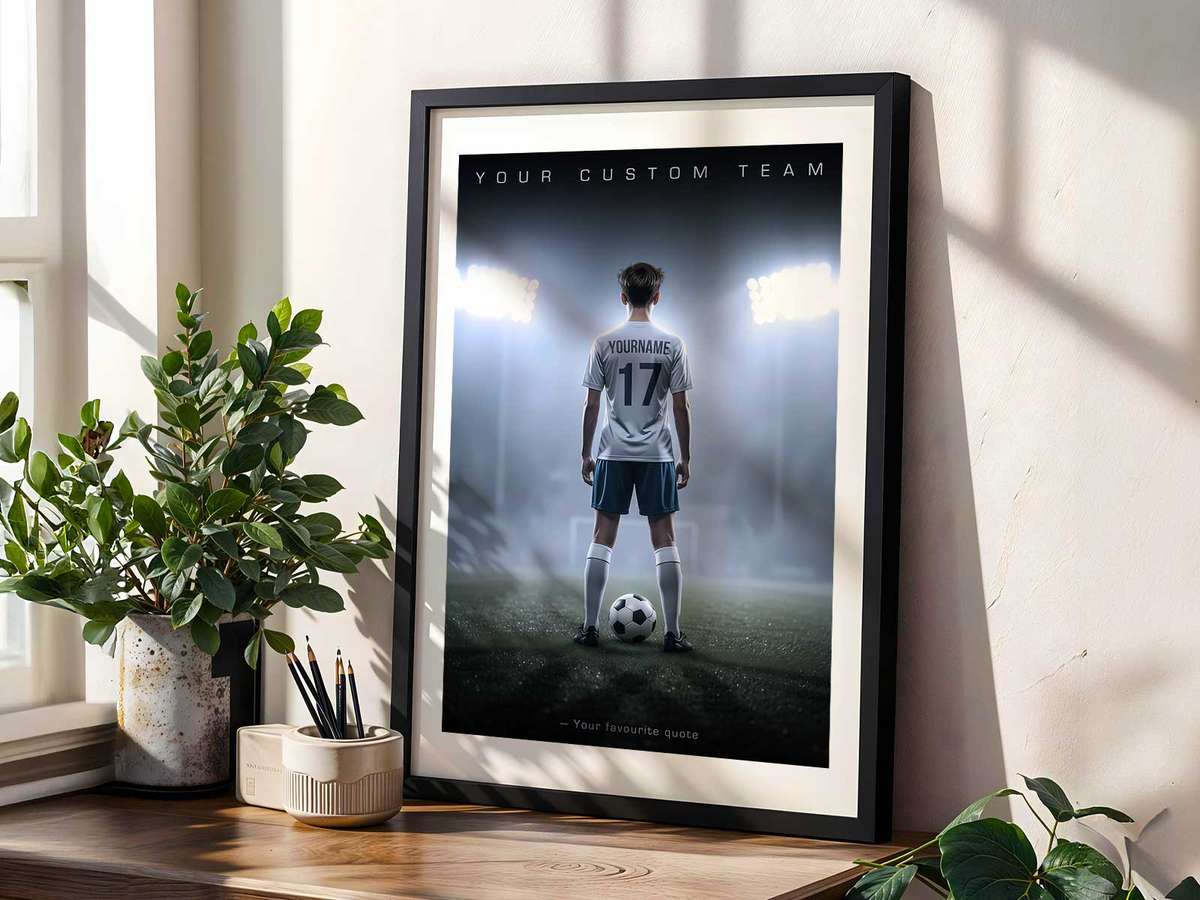
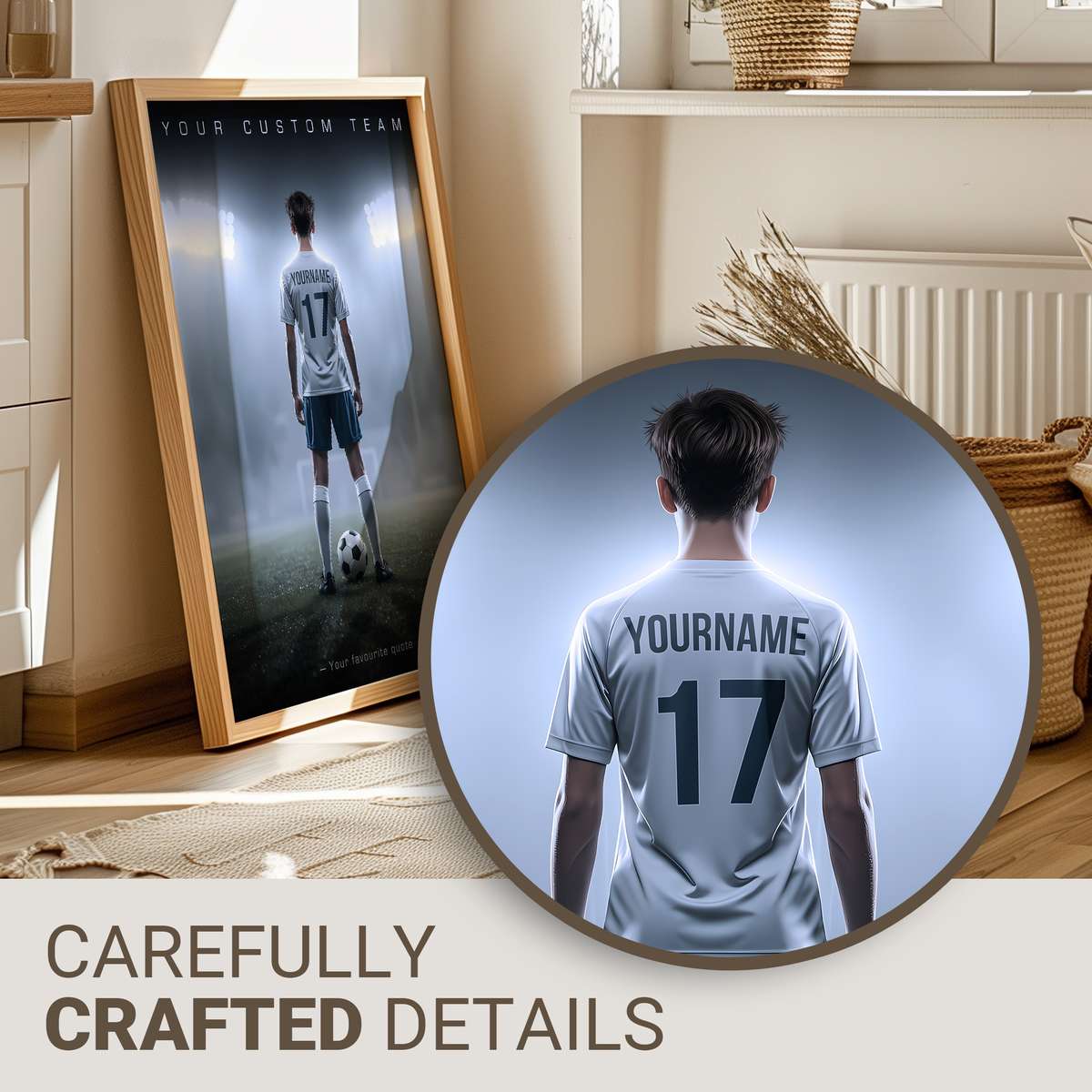
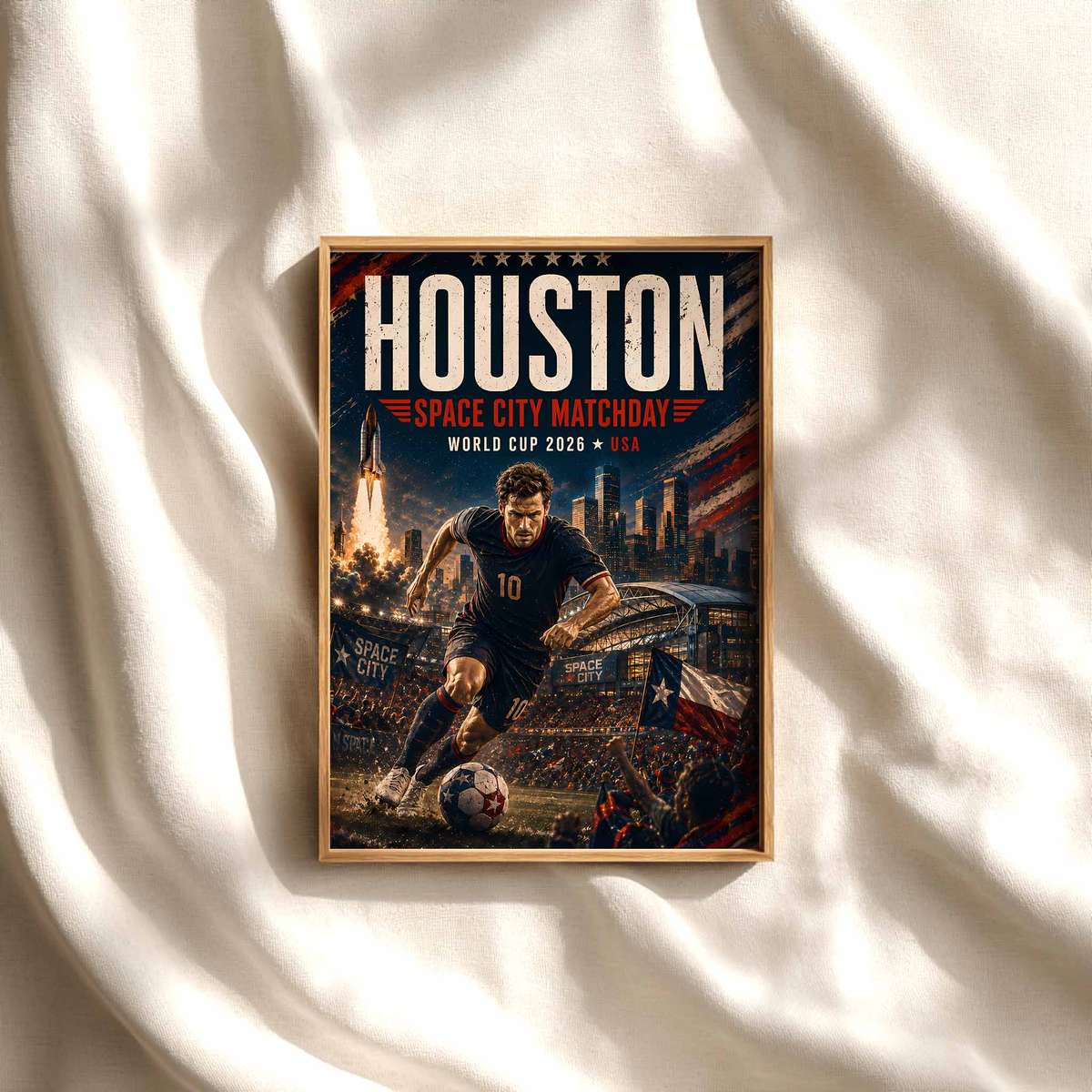
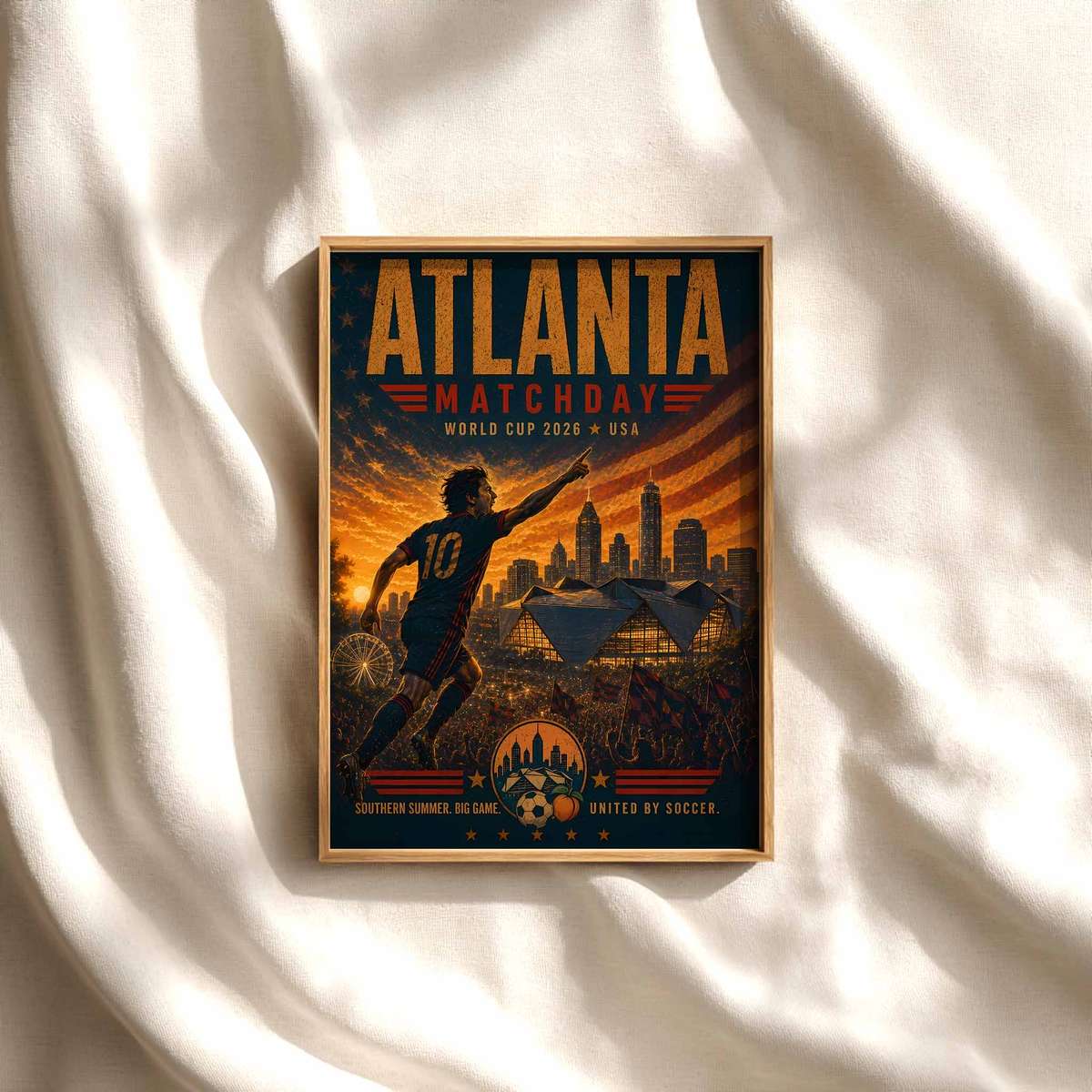
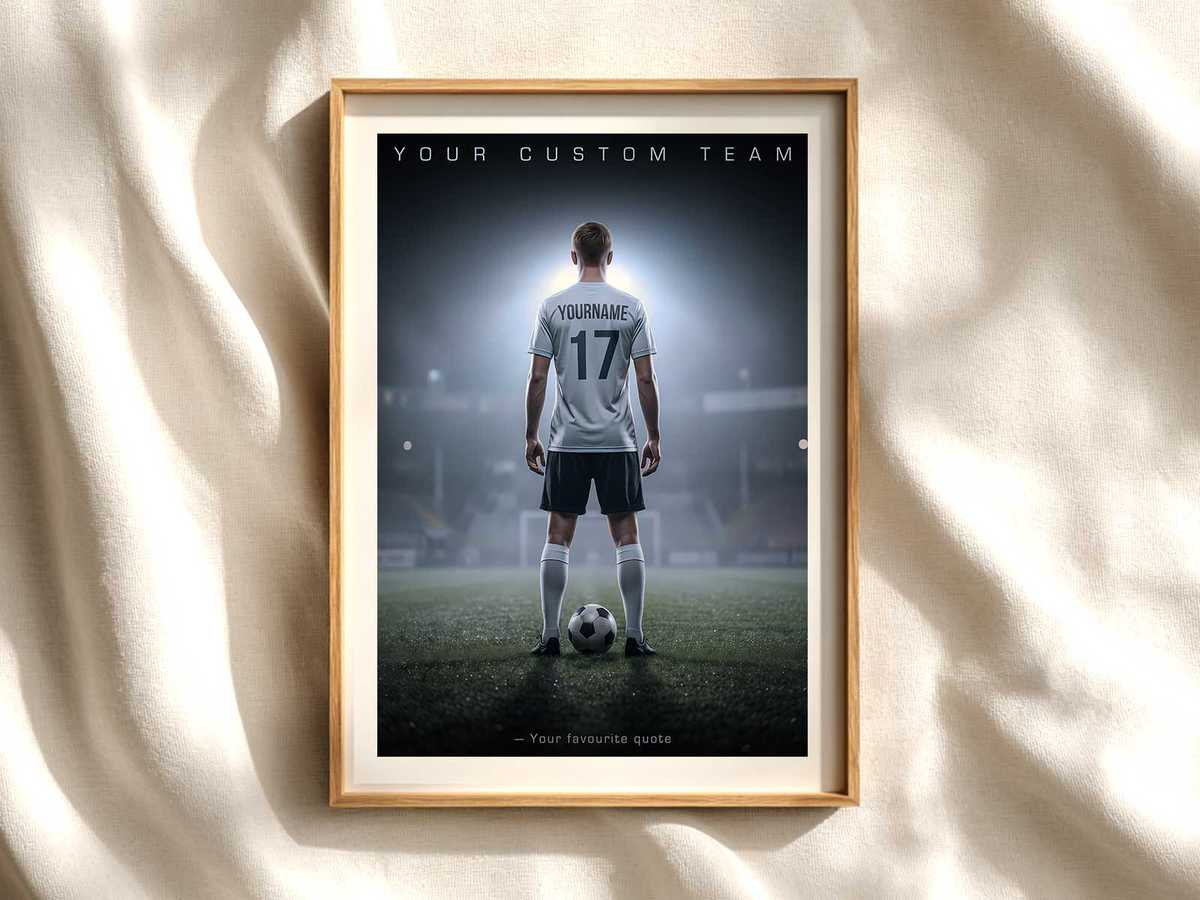
Personalized keepsakes: items that reference names, seasons, specific games, or photos—such as a custom poster with the team photo, a framed roster print listing each player and number, or a small plaque noting a tournament and date—hold memory value. Keepsakes are about recognition and identity. They’re particularly effective when the recipient can display them in a bedroom, locker spot, or family common area where the memory will be revisited.
Match the gift to the player’s age and stage
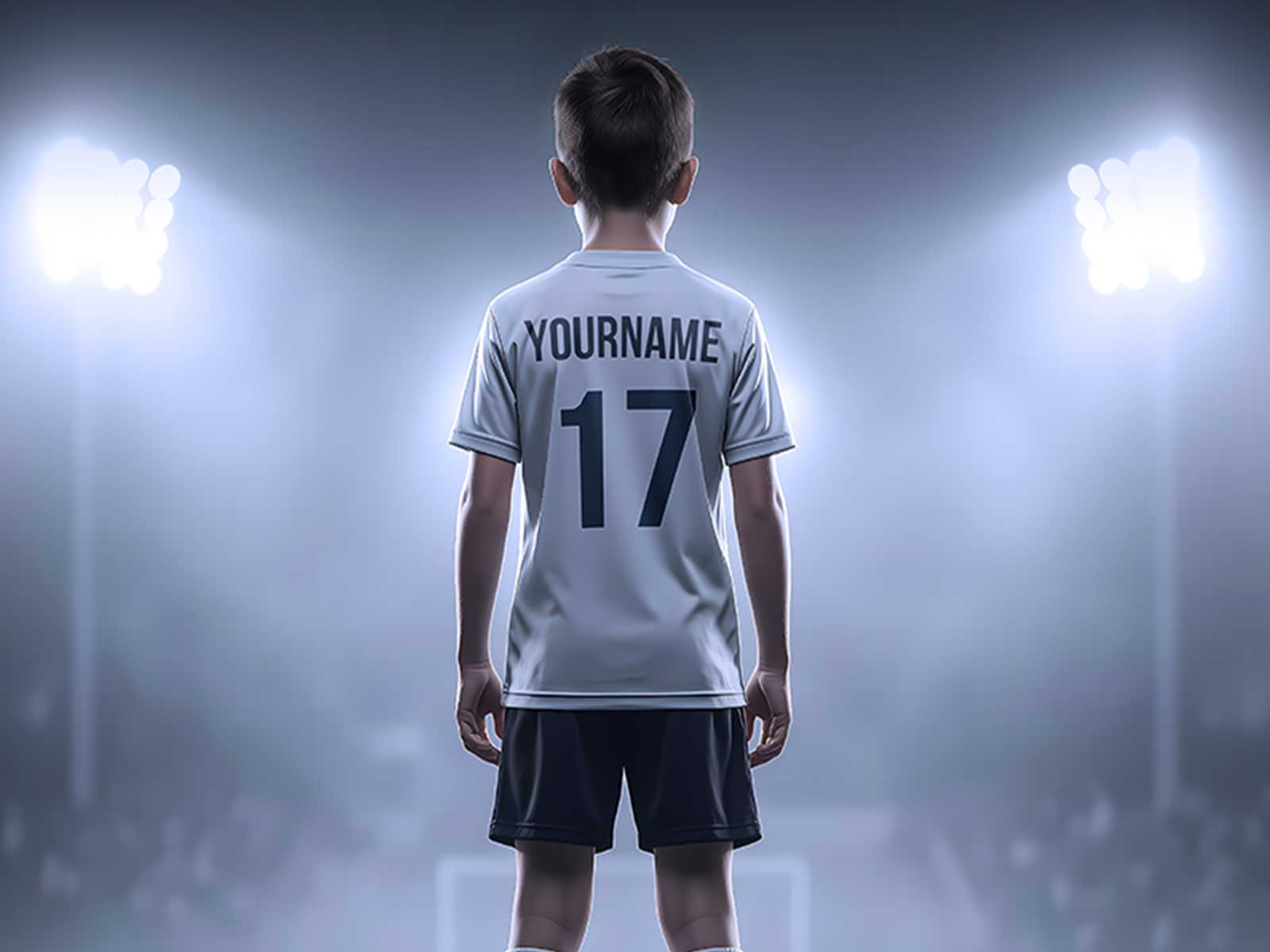
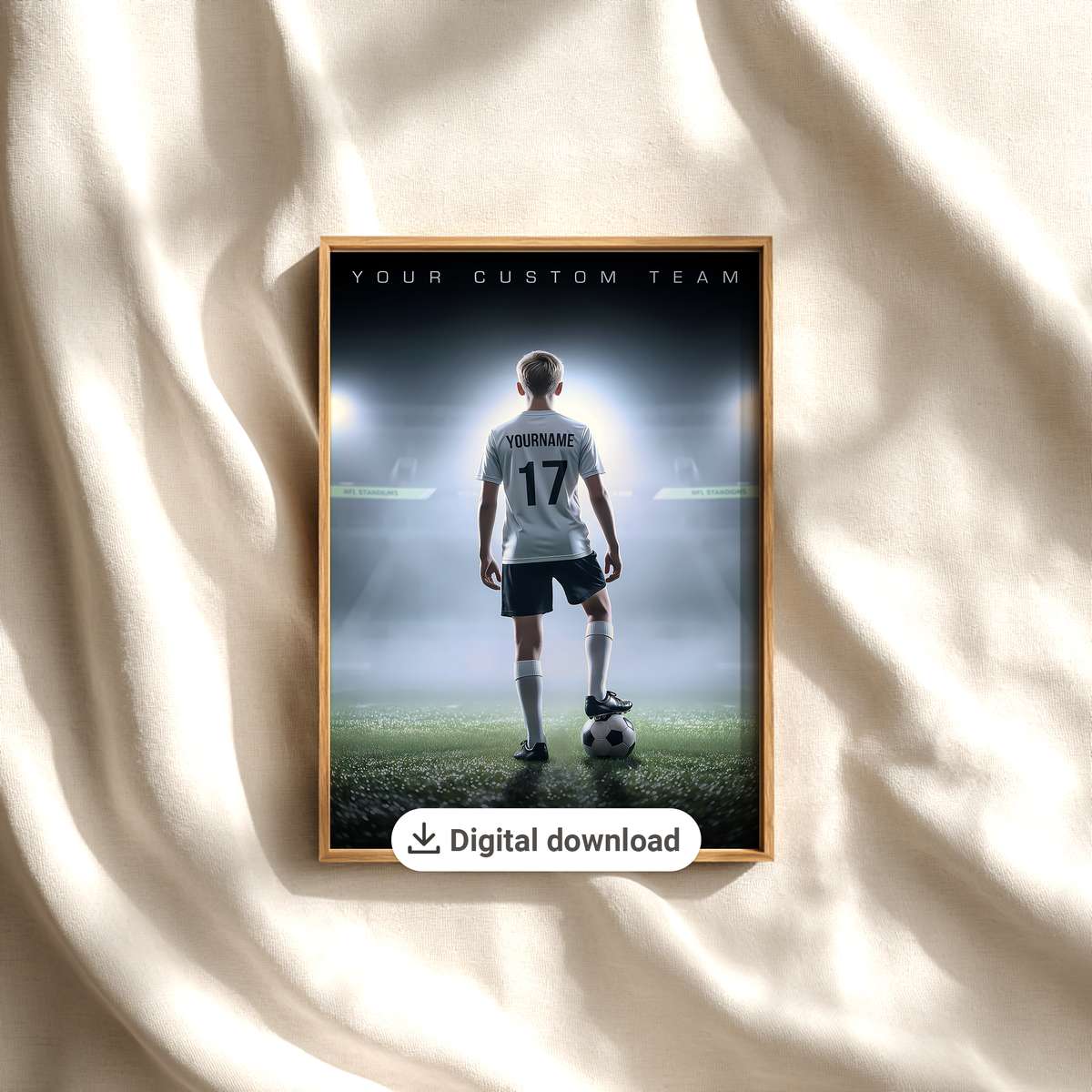
Young children (6–11): Select items that celebrate belonging—team photo posters, a personalized name-and-number poster, or a laminated keepsake card. These are visual and immediate; younger players enjoy seeing their name in print and feeling part of the group.
Teens (12–17): Teen players appreciate recognition of effort and identity. Consider framed season posters that include a roster and coach note, or a minimalist poster highlighting a standout moment. Teens may prefer displayable room decor that doubles as identity—clear, stylish, and not overtly childish.
Young adults and late teens (18+): For older players, focus on keepsakes that acknowledge milestones—captaincy, last season, tournament MVP. Subtle, high-quality prints or framed composite images that fit dorm rooms or apartments tend to be better received than logo-heavy souvenirs.
Tailor the gift to the occasion and team connection
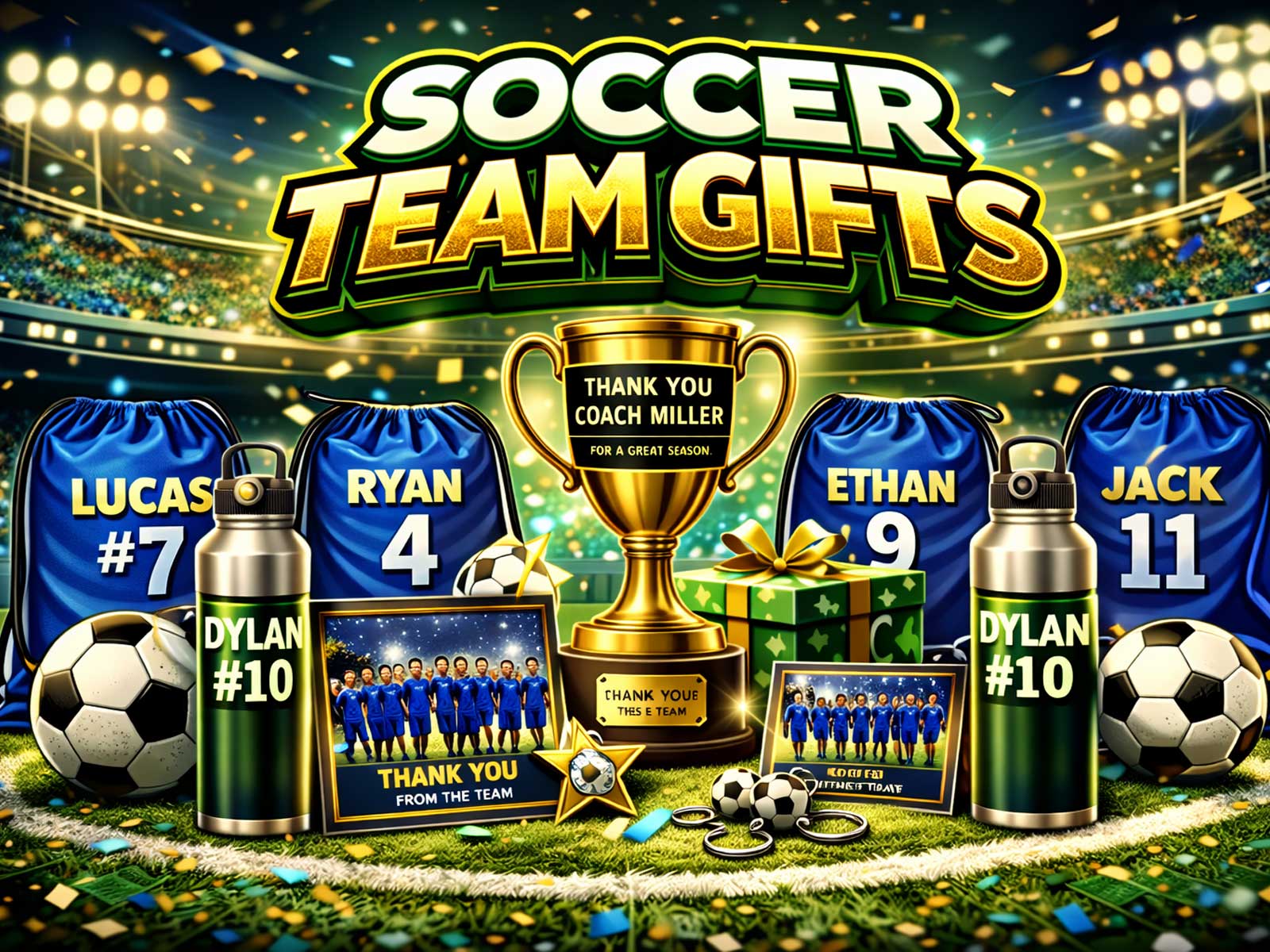
End-of-season: Emphasize the season arc—roster, coach quote, key results. A coordinated set for the roster (same print with individualized names) reinforces shared memory while still giving each player something personal.
Tournament or travel trip: Highlight dates and location. A keepsake that references the trip—map inset, team photo, or tournament crest—locks that shared adventure into a physical object.
Coach or captain recognition: For leadership roles, choose items that name the role and season. A small plaque, a framed team photo with a coach’s note, or a custom print that lists leadership qualities can feel appropriately formal and thoughtful.
[IMAGE_INSERT_ARTICLE_01]
Creating consistent team gifts on a budget
You don’t need a large budget to make gifts feel cohesive and personal. Pick one central design element—team colors, a season title, or a photo—and apply it across all items while personalizing each with a name or number. Matching but individualized posters, laminated keepsake cards, or a shared collage print split into individual frames are budget-friendly ways to balance uniformity and personalization.
Final advice and quick decision checklist
Before buying, run through this short checklist: Who is the recipient and what will they display or use? What single memory or identity should the gift recall? Will the item be personalized with a name, season, or photo? If buying for a whole roster, can you keep a shared visual theme but personalize each piece?
Gifts that last are less about novelty and more about context—a keepsake that names the season, records a shared achievement, or celebrates a role will be revisited and remembered, while a last-minute accessory is likely to be replaced. Choose memory over impulse, and the gift will feel like more than an object: it will be a piece of the season itself.