Giving a soccer gift is easy; giving one that actually means something takes thought. Instead of defaulting to another ball, water bottle, or mass-market jersey, consider three guiding questions: What did the player accomplish? How old are they and what do they care about now? Which moment of the season are you marking — tryouts, a tournament, captaincy, or the final game? Answering those helps you choose between useful gear, generic items, and personalized keepsakes that speak to identity and memory.
Why effort and occasion matter more than generic passion
Generic soccer swag signals a shared interest: “They like soccer.” Personalized or occasion-aware gifts say something different: “We saw the late practices, the improvement, the role you played this season.” A keepsake tied to a specific moment — a tournament name, season year, or “MVP” role — becomes a memory anchor. Practical gifts can celebrate effort too, but only when chosen for context: goalie gloves after a season starter emerges, or a custom tote for a player who volunteered to bring equipment each week.
Useful gear vs. too-generic presents vs. keepsakes
Three broad gift types appear repeatedly at team events:
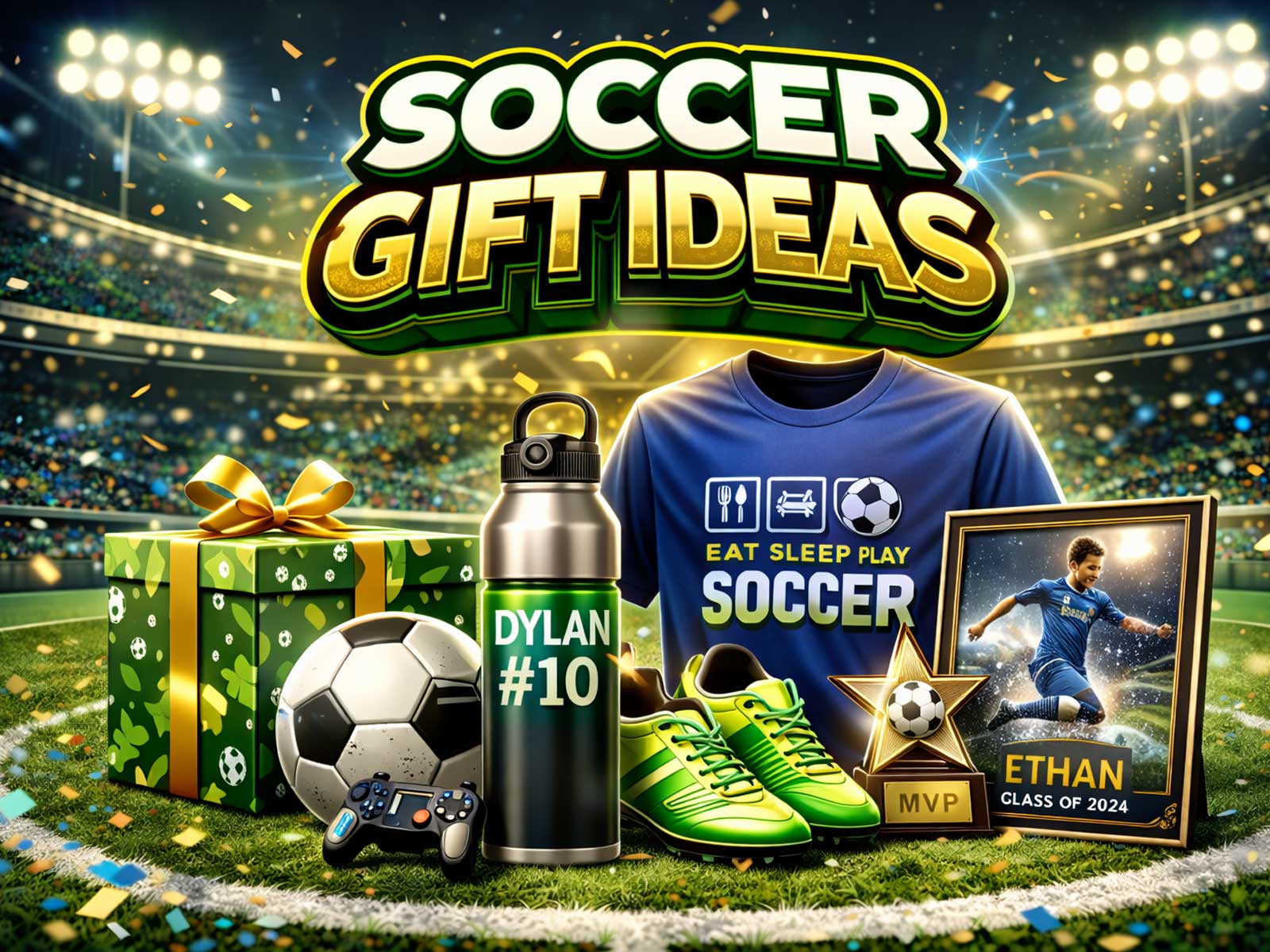
- Useful gear: cleats, shin guards, warmups — high utility but lower emotional resonance unless they mark an upgrade or achievement.
- Too-generic presents: off-the-shelf soccer mugs, novelty keychains, or anonymous fan shirts — quick to buy but easy to forget.
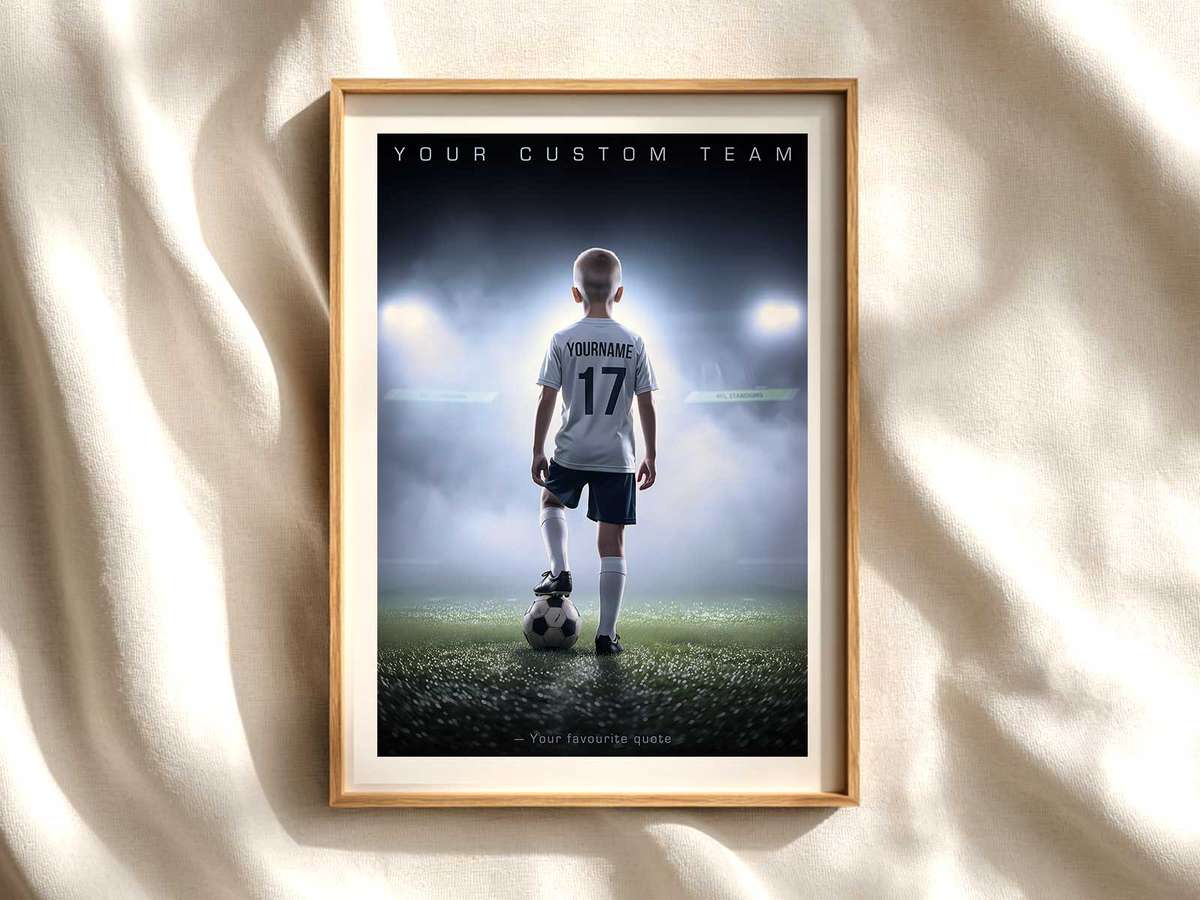
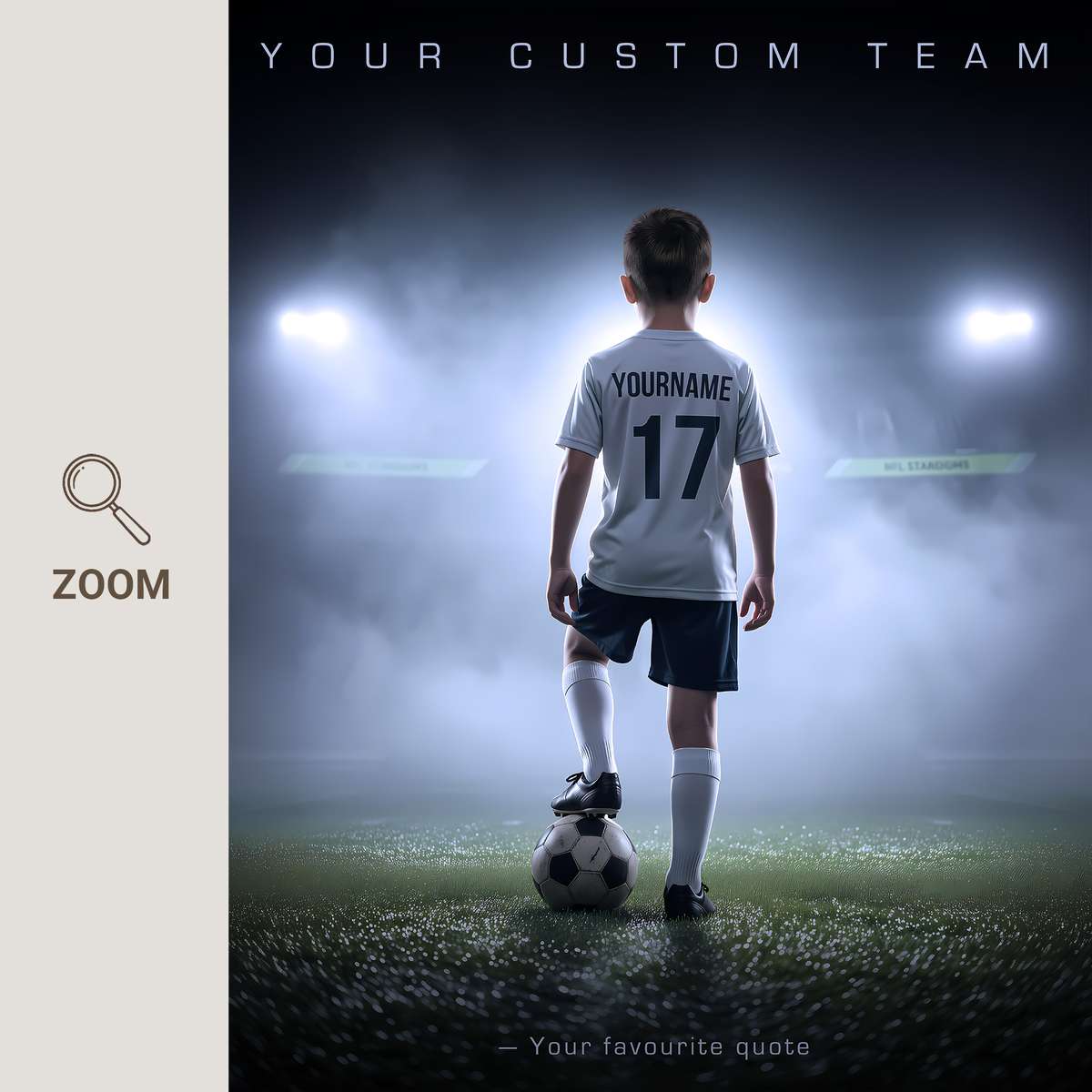
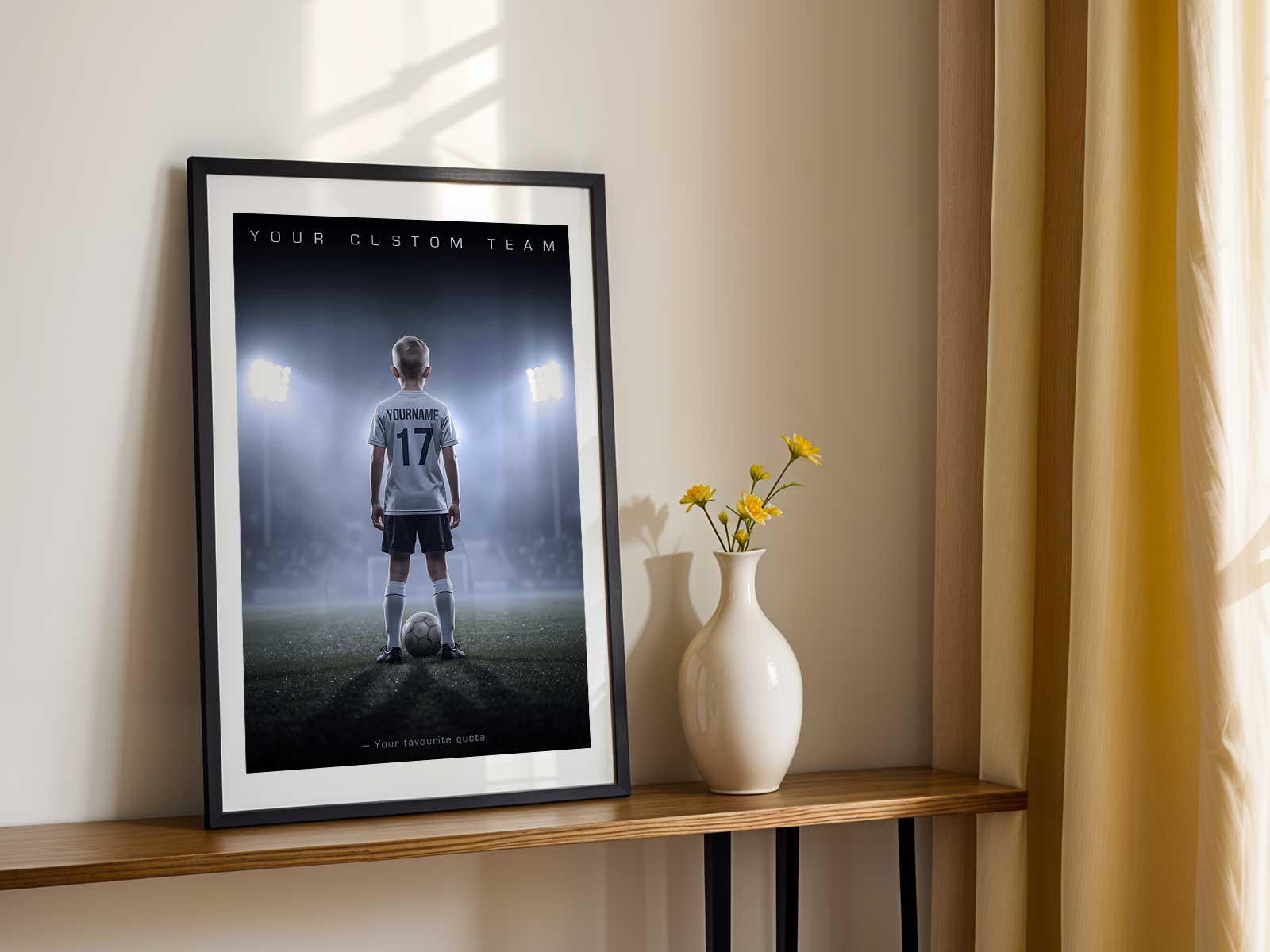
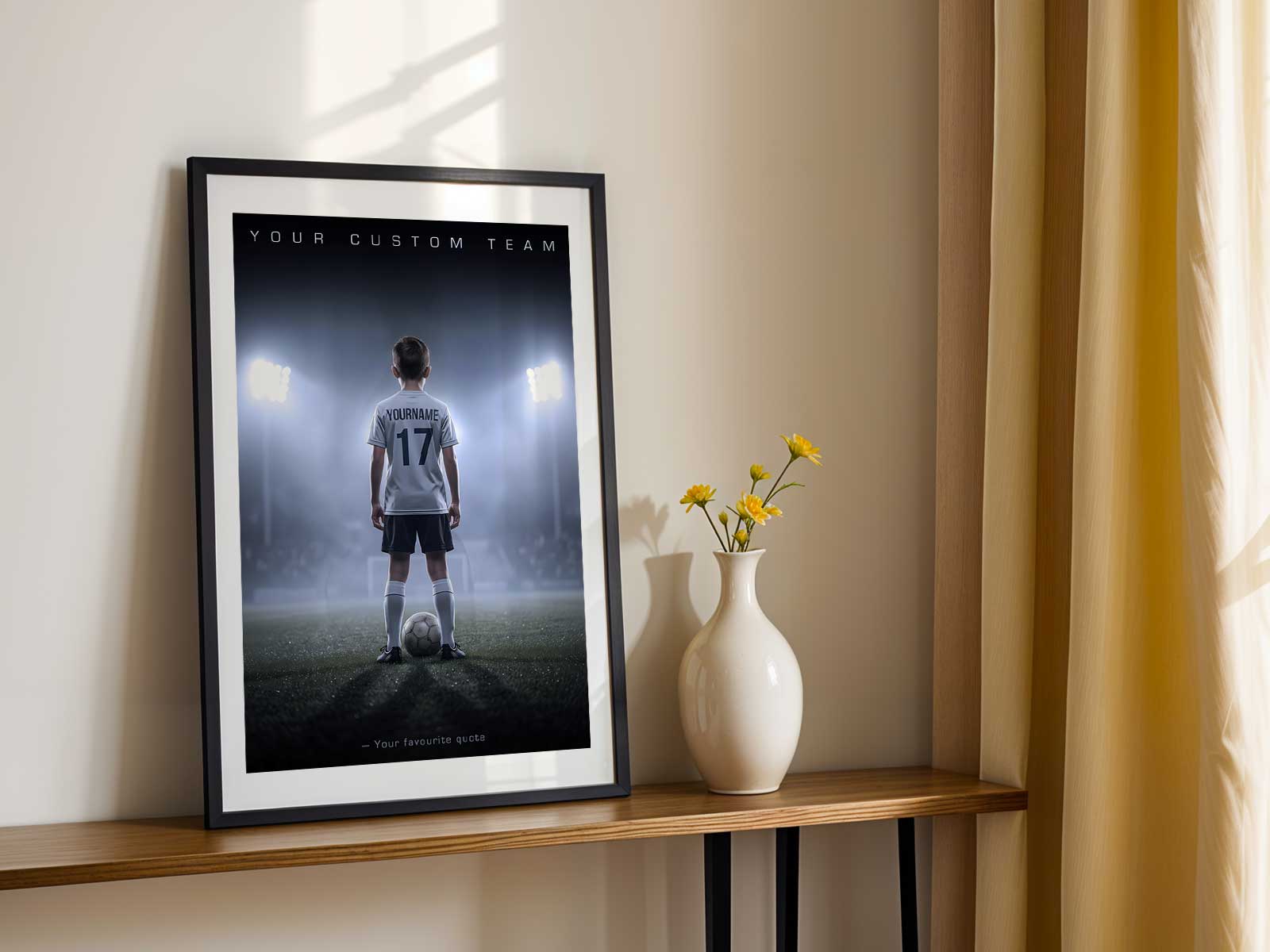
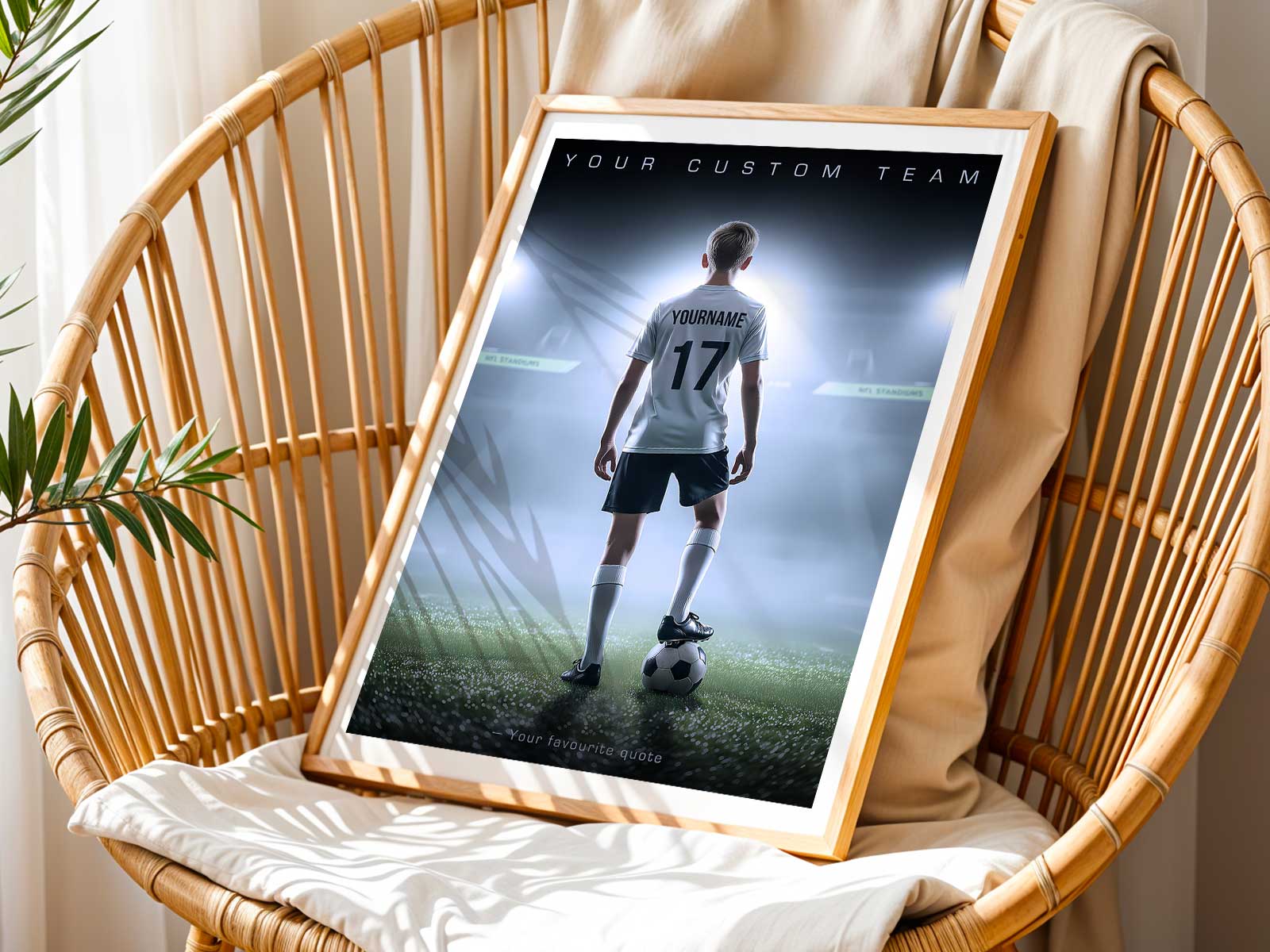
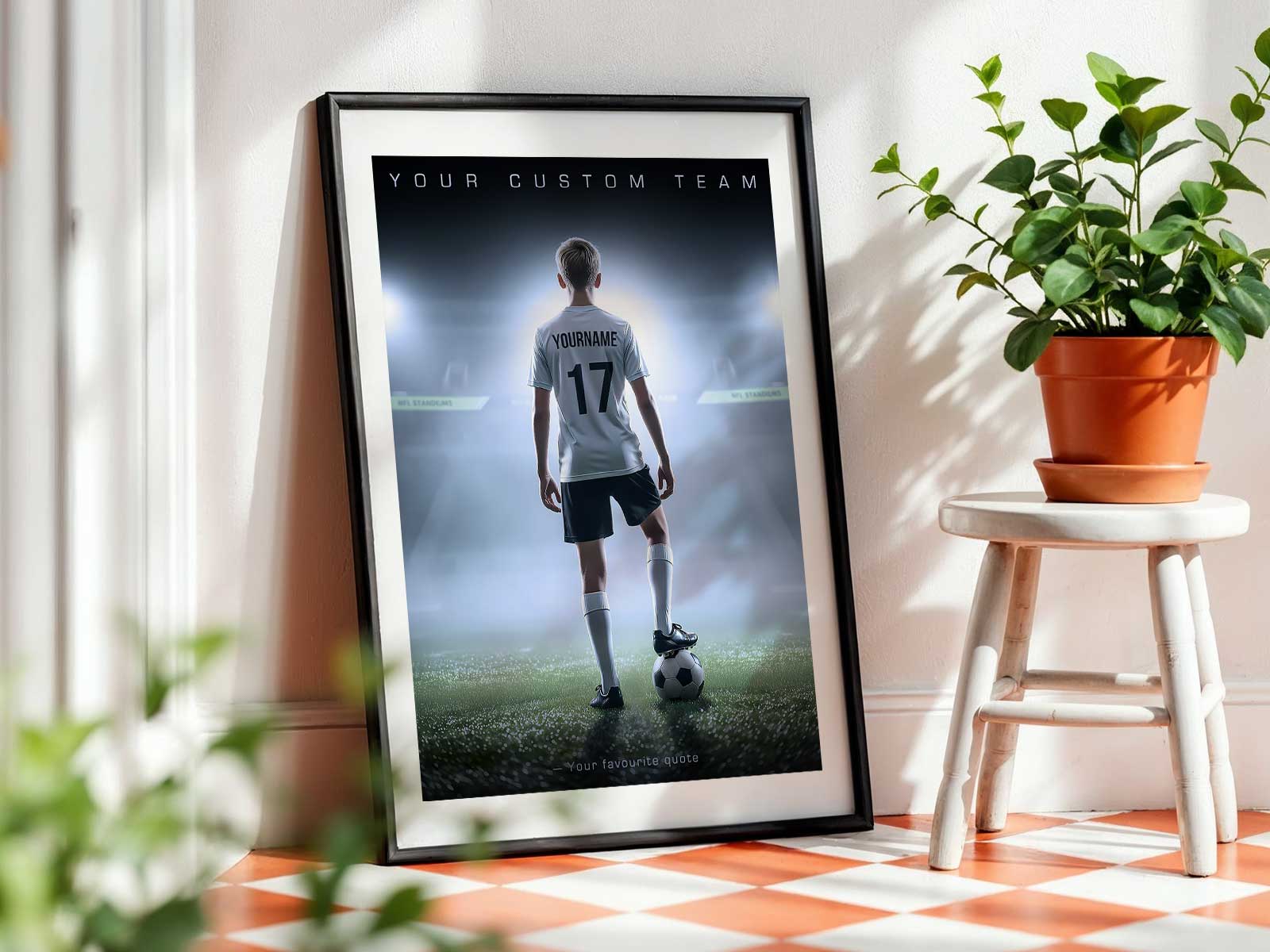
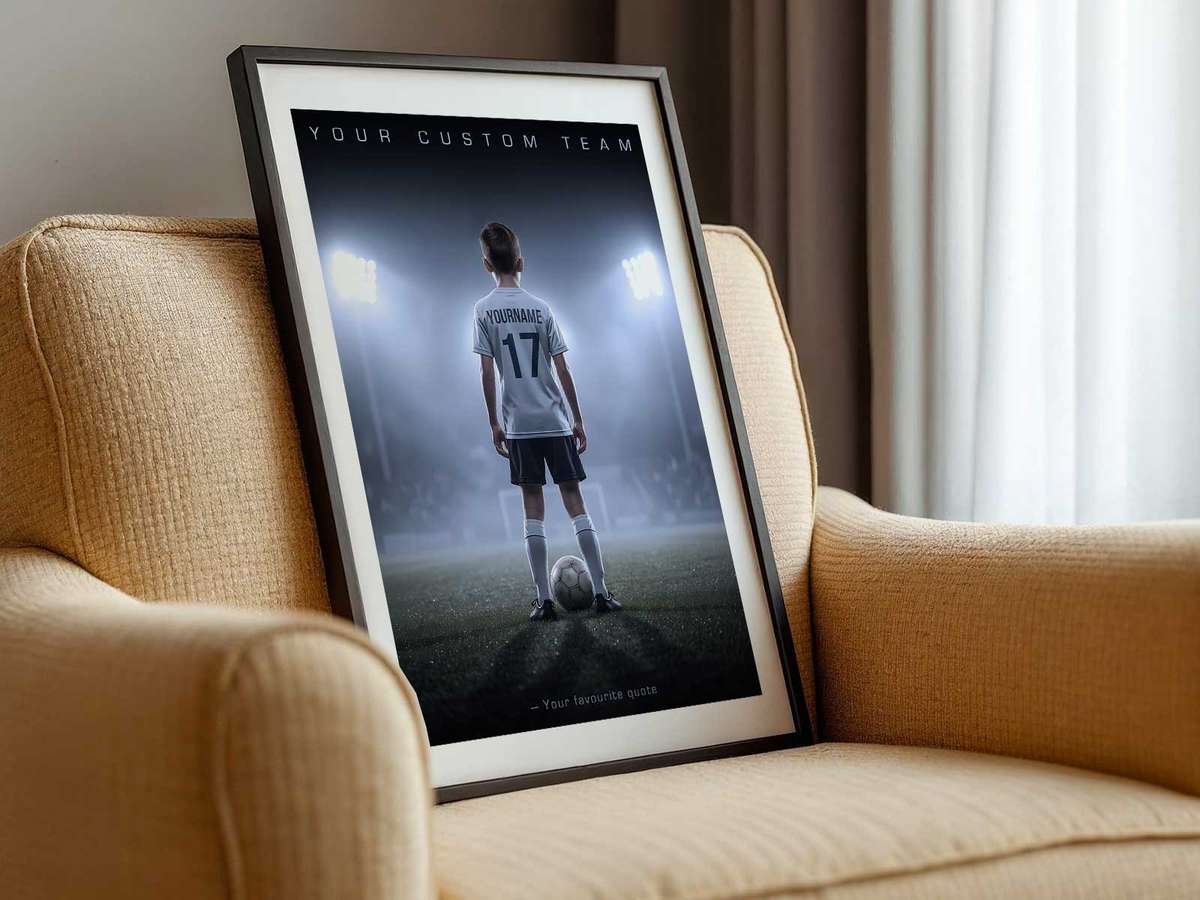
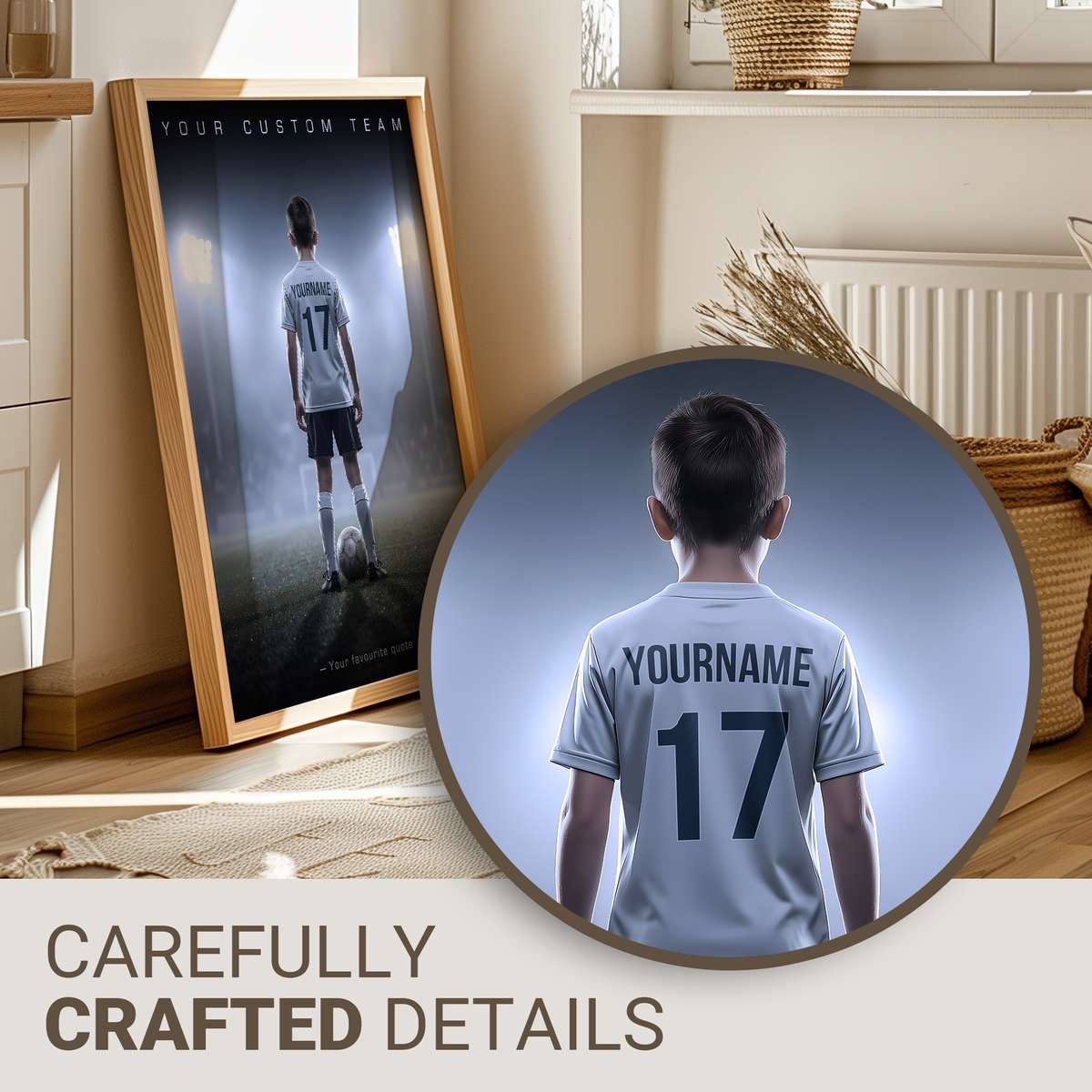
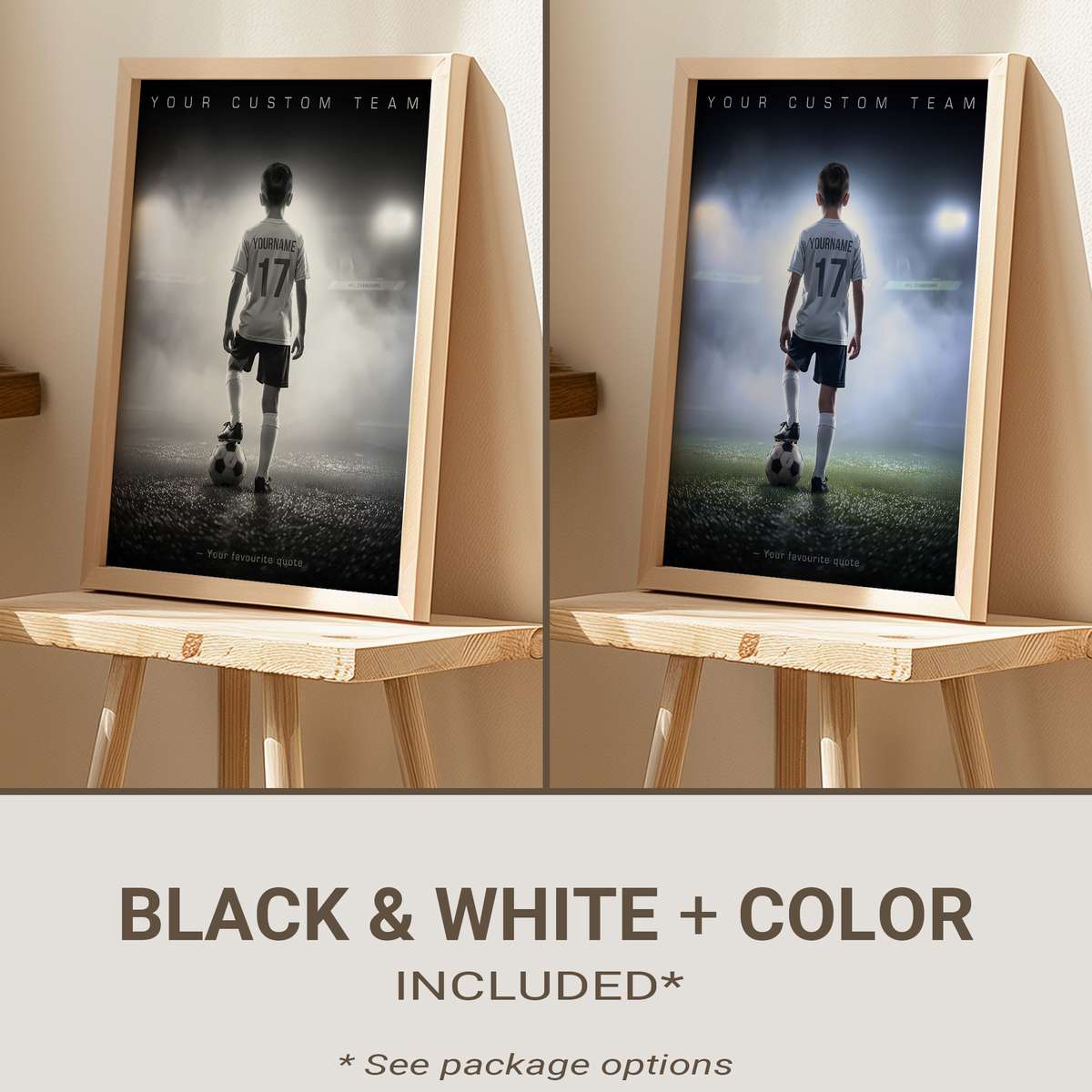
- Personalized keepsakes: items that name the player, reference the season, or display team visuals — stronger memory ties and room-ready meaning.
Match purpose to the recipient. For a budget-conscious rookie, a quality training item might be most useful. For a senior or captain, a keepsake that commemorates leadership or a final season has disproportionate emotional value.
Age-guided gift choices that respect development and taste
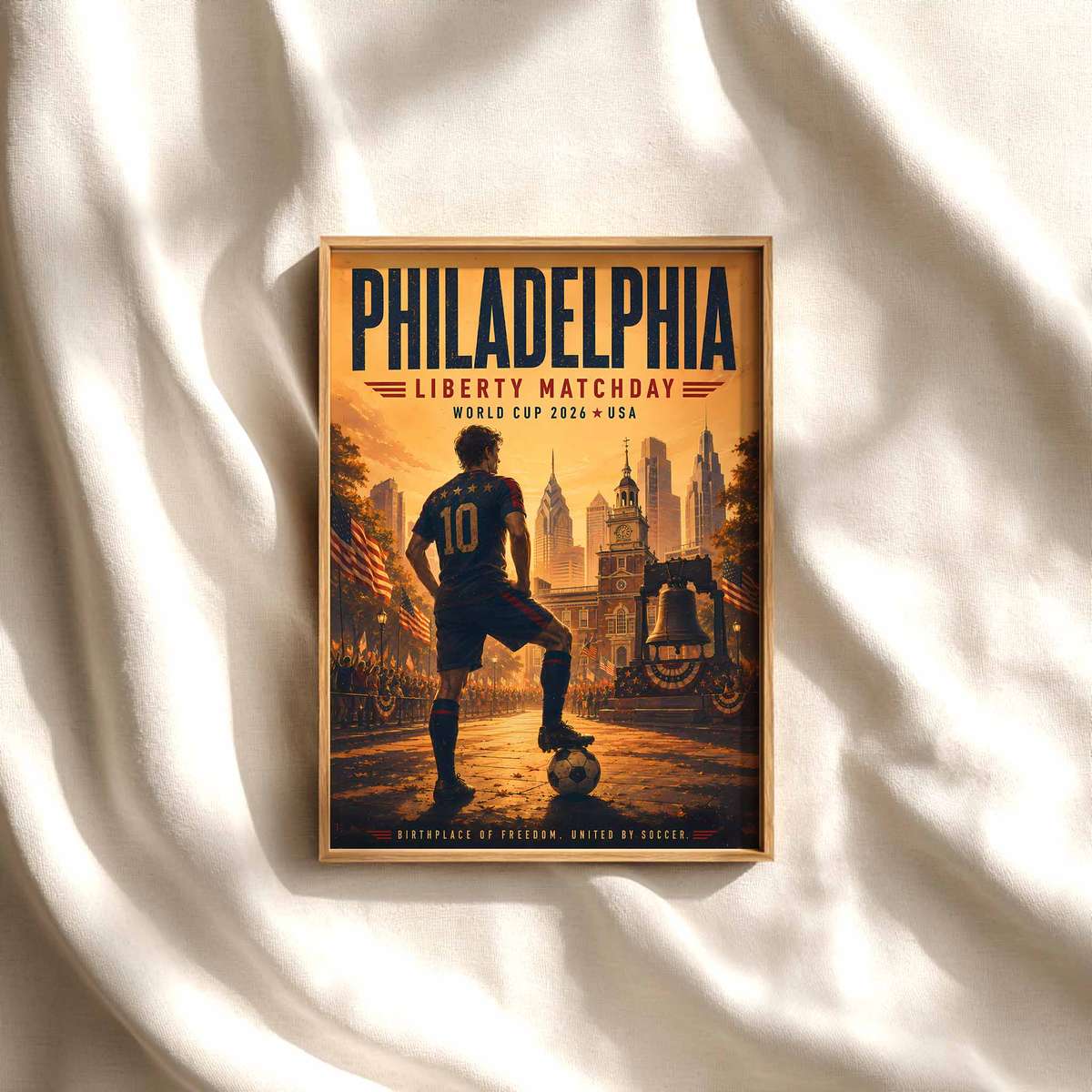
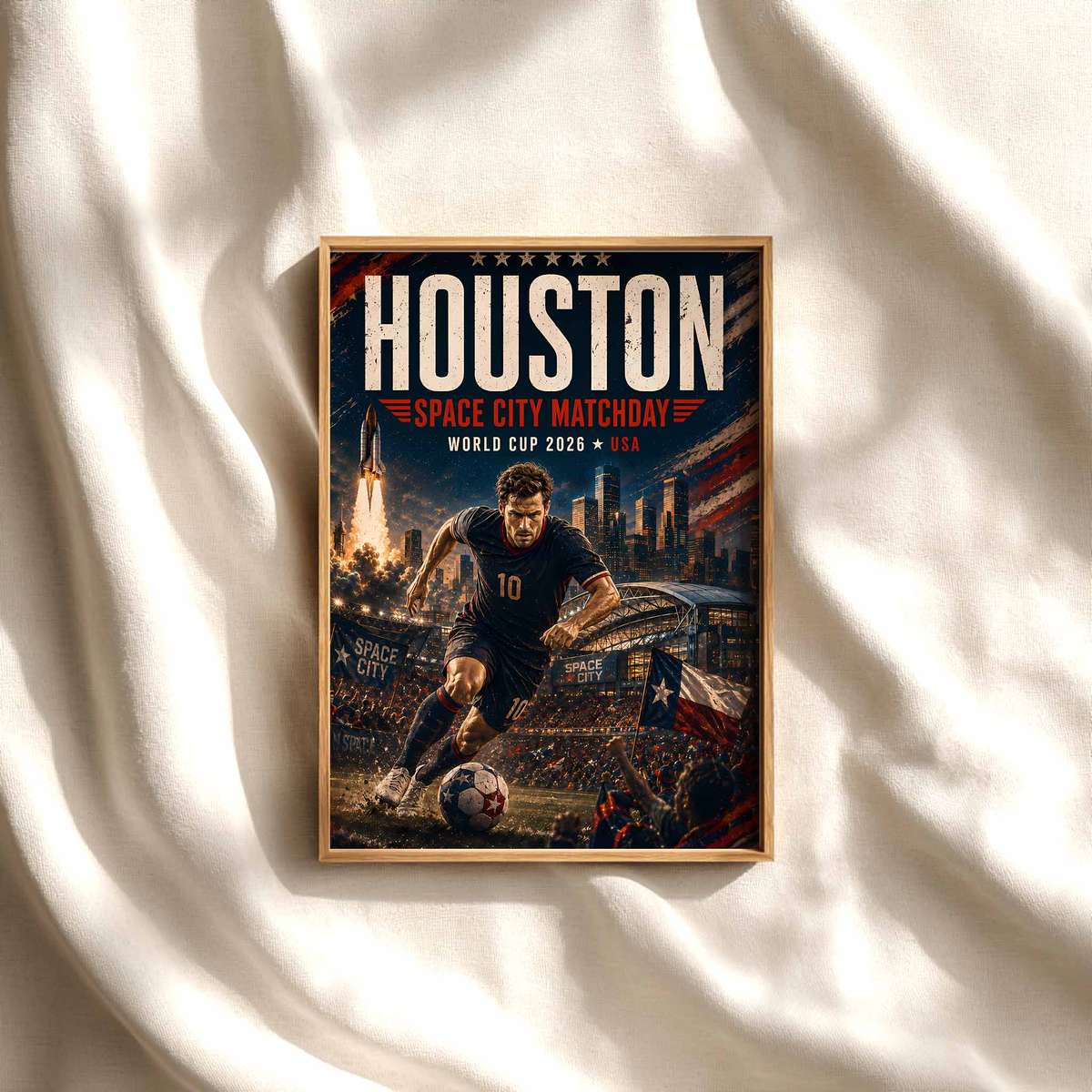
Players grow out of different types of gifts as they age. Younger kids respond to fun, colorful items that celebrate participation: a roster poster with names and cartoon-style silhouettes or a laminated team photo. Tweens appreciate practical upgrades and personalized gear — a bag with their name, or a framed print of a team photo with season stats. Teens often want subtle, maturity-aligned keepsakes: a minimalist poster celebrating the season year and team colors, or a signed roster print that fits on a bedroom wall without shouting “kid decor.”
How to create consistency across a whole roster
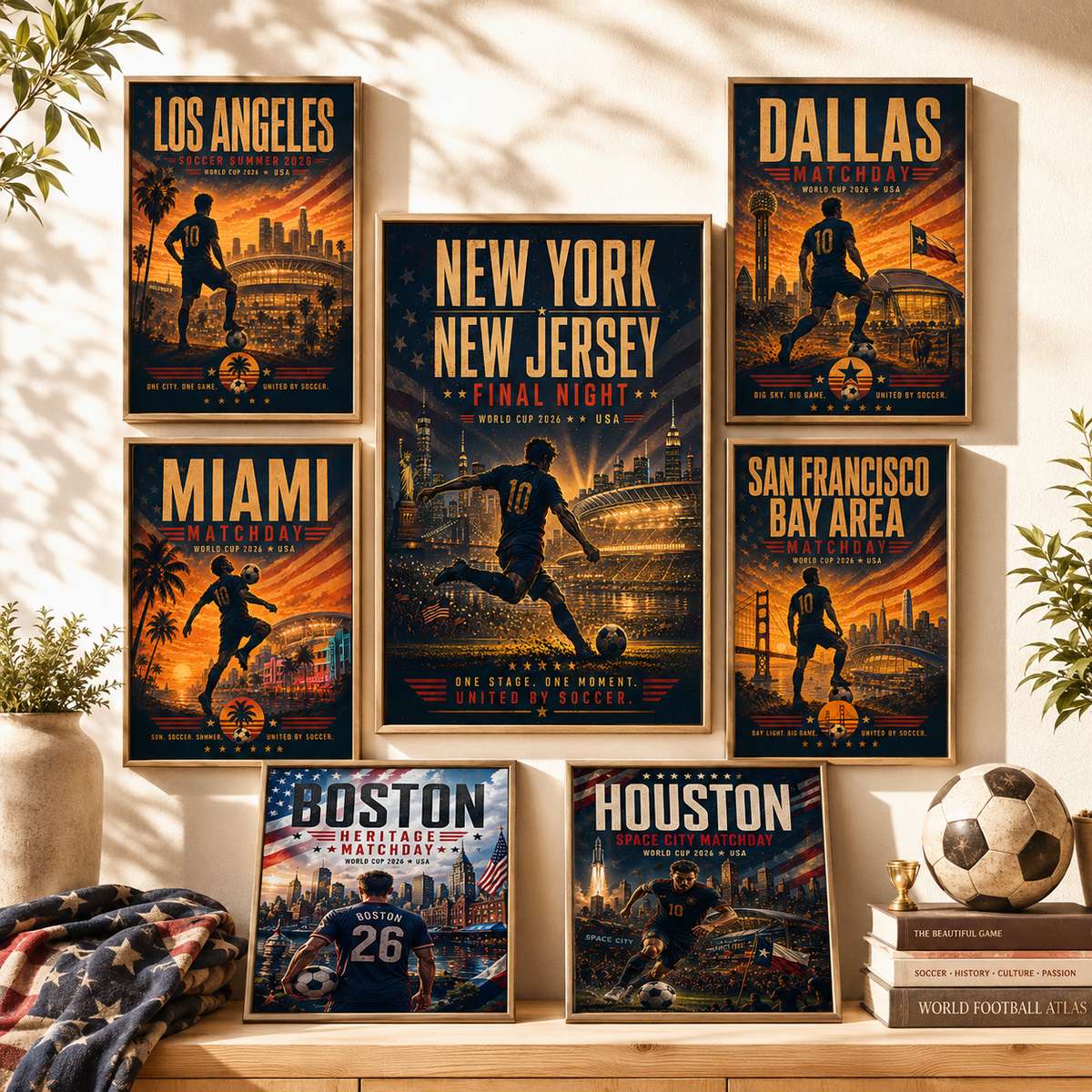
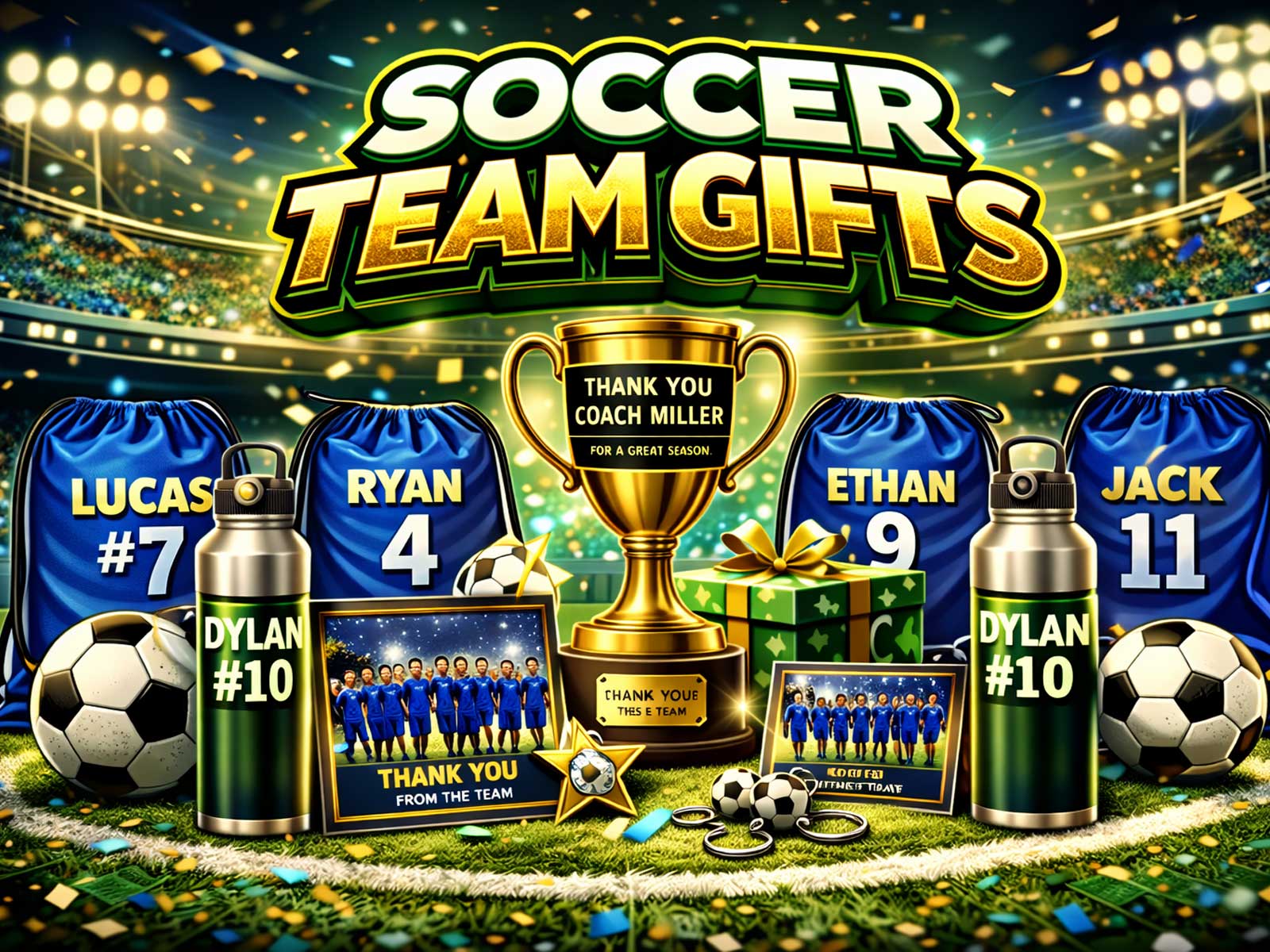
When ordering for a team, consistency makes the set feel like a shared artifact rather than a random grab-bag. Choose one element to personalize for each player — name, number, or role — and keep the core design identical. This works for:
- prints or posters that show the team photo, season, and each player’s name;
- matching keepsake boxes or drawstring bags with a small personalized patch;
- certificate-style awards that use a unified template but name the individual achievement.
Consistent, roster-wide items also tend to photograph well at end-of-season banquets and become collective memories for the whole group.
[IMAGE_INSERT_ARTICLE_01]
Moment-specific keepsakes that capture more than a hobby
Think beyond “they play soccer” to the exact occasion. A tournament plaque, a poster listing the season’s wins and top plays, or a framed lineup from the final championship game anchors a memory to a time and place. These are the gifts that players return to years later because the object triggers a story: a comeback win, a teammate’s inside joke, an injury overcome. Even a modest keepsake feels significant if it names the event and the role the player had in it.
Practical tips for parents, managers, and coaches
- Start with the occasion: season end, tournament, senior night, or coach appreciation. Let that shape what you buy.
- Decide whether the gift should be primarily useful (gear) or primarily commemorative (keepsake). It can be both, but clarity avoids mixed messages.
- Personalize one concrete detail: name, number, season year, or specific achievement. Small personalization increases perceived value dramatically.
- Keep the team set consistent in design so the collection reads as a shared memory.
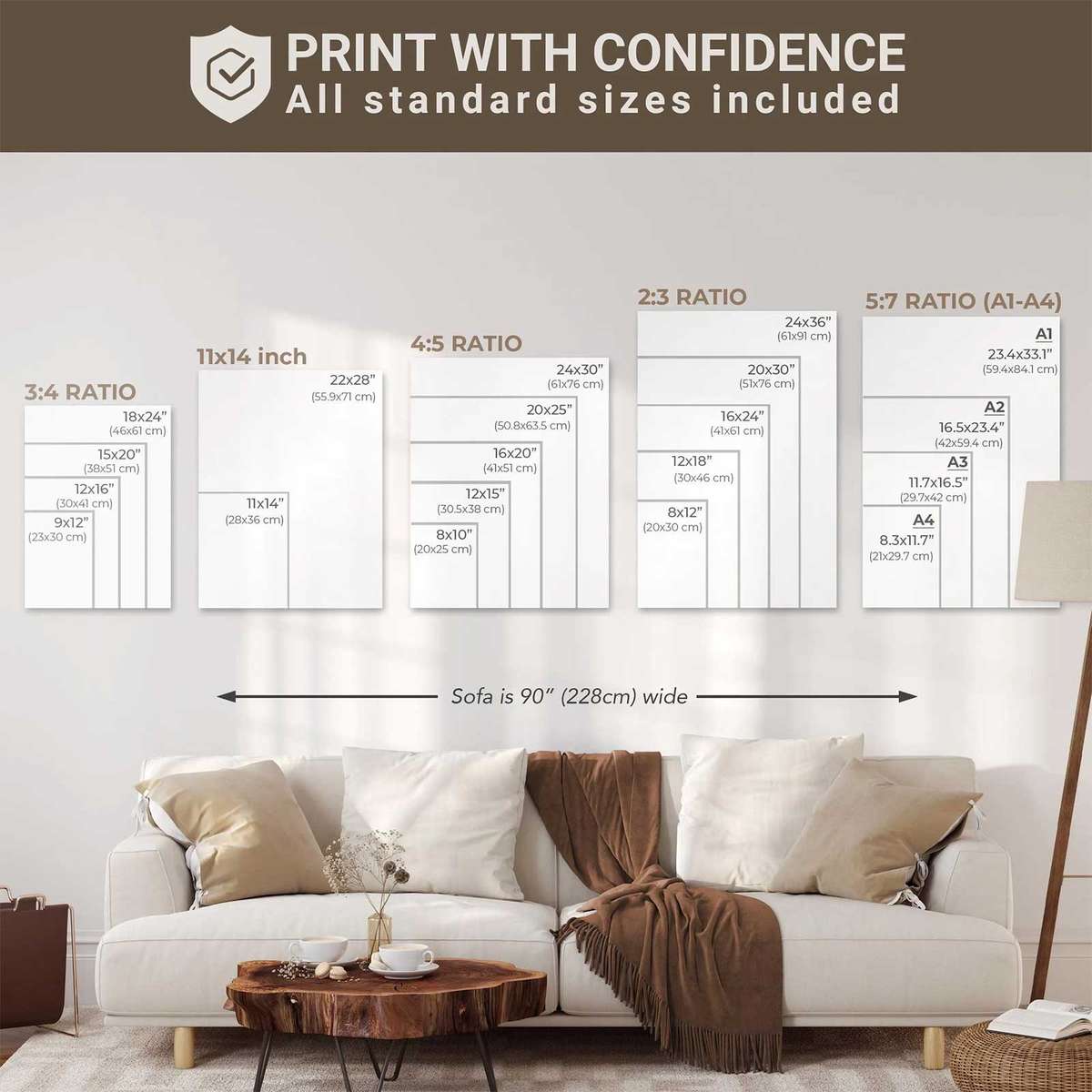
- Consider display: will the item sit in a locker, hang on a wall, or live on a shelf? Choose size and style accordingly.
Closing considerations: memory beats novelty
A thoughtful soccer present recognizes a player's effort, reflects their age, and marks the season or moment it celebrates. Practical gifts matter when they answer a real need tied to the player’s stage; keepsakes matter when they name a shared experience. Avoid the default of anonymous merchandise: with a small personal detail and a clear occasion in mind, your gift is more likely to be kept, displayed, and remembered.