U8 Drills Soccer: Introducing Simple Dribbling Moves Without Losing Session…
For U8 players the coaching aim is clear: give lots of ball touches, keep activities short and game-like, and introduce simple dribbling moves early so learning stays relevant to match play. This article explains how to fit basic 1v1 skills into a flowing session without long instruction periods or lost momentum.
Quick answer
Start dribbling moves in warm-ups or first activities, use short (8–15 minute) game-based blocks, run multiple small grids or rotations, and progress rapidly from unopposed touches to simple 1v1s and then to small-sided games.
What this guide covers
- What dribbling and 1v1 drills actually train for U8 players.
- Key technical points: close touches, pace and direction change.
- Practical session design: short activities, grids, rotations and progressions.
What dribbling and 1v1 drills really train
At U8 level, dribbling and simple 1v1 practice are primarily about decision-making under basic pressure and building mechanical habits: keeping the ball close, changing pace, and learning to attack space. When delivered in short, game-like activities these drills create many repetitions of the same problem — beat a defender or protect possession — which is the useful building block for match moments.
Touch control, speed change, and direction change
Coaching focus should be on close touches (small, frequent touches that keep the ball within striking distance of the feet), brief acceleration after a change of pace, and a clear change of direction. These elements are what let a U8 player create separation after a move: a tight touch to keep control, a slight change in tempo or angle to unbalance the defender, then a ready acceleration into the space created. Cue players simply — "keep it close," "push and go," "turn away" — so the rhythm of play continues.
Feints, deception, and timing
Simple body feints and directional nudges are enough at this stage. The coaching emphasis is not on complex choreography but on timing: the move must happen when the defender commits. Teach the look-for: if the defender leans or reaches, that commitment opens space to exploit. Practise the feint briefly in unopposed warm-ups, then add a live 1v1 where the attacker must choose the moment to use it.
Shielding and ball protection
Protection is part of the dribble. Even basic shielding — body between ball and defender, low centre of gravity, using short touches to keep the ball — helps maintain possession and creates time to pick an exit. In U8 grids encourage players to use their body naturally; keep instructions simple and show protection as a continuation of the dribble rather than a separate action.
How coaches can create useful duel practice
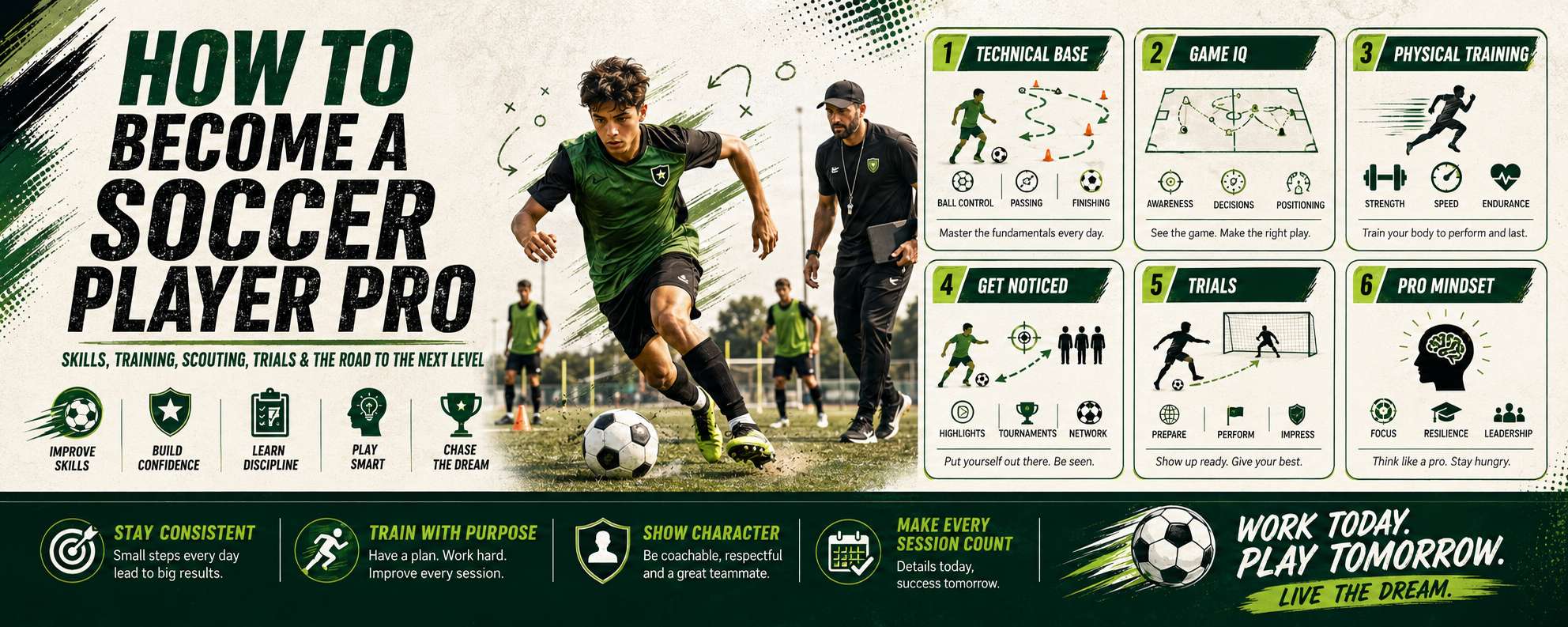
Use short repeated formats and rotations to preserve session rhythm. Run multiple small grids or several stations so children have few queues and many attempts. A practical progression looks like this: ball mastery/unopposed moves (5–8 minutes) → constrained 1v1 to a gate or target (8–12 minutes) → quick small-sided game that invites the same moves. This sequence mirrors verified best practice for U8 sessions: short activities, early dribbling introduction, and game relevance.
Common mistakes in youth 1v1 work
Coaches often slow rhythm by over-instructing between reps or by running long single grids that create queues. Other common errors: encouraging big hits instead of close control, adding too many technical requirements at once, or leaving out decision-making so moves feel artificial. Keep progressions simple and limit verbal detail to a couple of positive cues.
Match transfer and realistic game moments
Drills transfer best when they recreate the match problem: an attacker sees space, a defender shows commitment, a quick choice follows. Short 1v1s to gates or small goals and embedding the move in small-sided games give realistic outcomes — success or turnover — so players learn which decisions actually work in play. Running these formats regularly in the session keeps the learning connected to match behaviour.
Confidence, risk, and player mindset
Confidence grows from repeated, successful attempts during short activities. The coaching mechanism is simple: many brief challenges with immediate feedback build a player’s sense of timing and belief. Keep environments low-risk early (small goals, clear boundaries) and raise challenge gradually by adding defenders or reducing space. Praise specific actions — a good change of pace, a well-timed feint — rather than vague praise.
Closing interpretation
For U8s the most effective approach is concise: start dribbling moves early in the session, keep each block short and game-based, run multiple grids or rotations to maximise repetitions, and use simple progressions from unopposed touches to live 1v1s and then to small-sided games. That structure preserves session rhythm while teaching the technical and decision-making elements that matter in real match moments.
Quick access
Author: Cynthia D.