Spain 1–0 Argentina (AET) — World Cup 2026 Final: Ferran Torres seals Spain’s…
Spain defeated Argentina 1-0 after extra time in the 2026 FIFA World Cup Final on 19 July 2026 at New York New Jersey Stadium (MetLife Stadium). The match was settled by substitute Ferran Torres’ extra-time goal, delivering Spain their second World Cup title and leaving Argentina as runners-up.
Quick answer
Spain beat Argentina 1-0 after extra time (Match 104) at MetLife Stadium on 19 July 2026; Ferran Torres, a substitute, scored the decisive goal and Spain finished the tournament as champions.
Match context and how the final was set up
The 2026 FIFA World Cup final — Match 104 in FIFA’s tournament list — was played on 19 July 2026 at New York New Jersey Stadium (MetLife Stadium) in East Rutherford, New Jersey. The game determined the tournament winner for the 11 June–19 July competition: Spain and Argentina contested the title, with Spain entering the match aiming to claim a second World Cup and Argentina contesting for the championship position.
FIFA’s official reporting and major news agencies confirmed the fixture, the venue and the stakes: a single-match final with the trophy at stake. Tournament statistics noted Spain’s defensive record across the event — a notable backdrop entering the final — and framed the match as the tournament’s decisive contest.
First-half shape and early phases
Official coverage and match reports indicate the final proceeded through regular time without a decisive goal, requiring extra time to split the teams. The opening phases and how each side set up during the first 90 minutes are documented in FIFA’s match report summaries and contemporary news coverage: regulation time ended level, meaning both teams cancelled each other out for the duration of normal time and the contest moved into extra time for a final resolution.
How the match actually unfolded
The match remained goalless through 90 minutes, with neither side producing a match-winning strike in regular time. Details in FIFA’s official report confirm the game was decided in extra time when a substitute, Ferran Torres, scored the winning goal for Spain. That extra-time strike was the decisive moment that separated the sides and determined the title.
FIFA’s coverage logs this sequence as the game’s defining moment: after a stalemate in regulation, Spain found the breakthrough through Torres in extra time, and that single goal proved conclusive. Major reporting agencies echoed the same sequence: no goals in normal time, followed by the match-winning extra-time goal awarded to Spain.
Decisive moments and the winning goal
The verified decisive moment was Ferran Torres’ extra-time goal that made the score 1-0 to Spain. FIFA’s official match report identifies Torres — introduced from the bench — as the scorer whose strike ended the final. That goal is the confirmed turning point; it extinguished Argentina’s chances of claiming the title and handed Spain their tournament victory.
There are no other verified match events in the source block that alter the central narrative: the game remained level through 90 minutes and was concluded by the extra-time winner.
Final result
Final score and primary contributors:
- Final score: Spain 1–0 Argentina (after extra time)
- Winning goal: Ferran Torres (substitute) — extra time
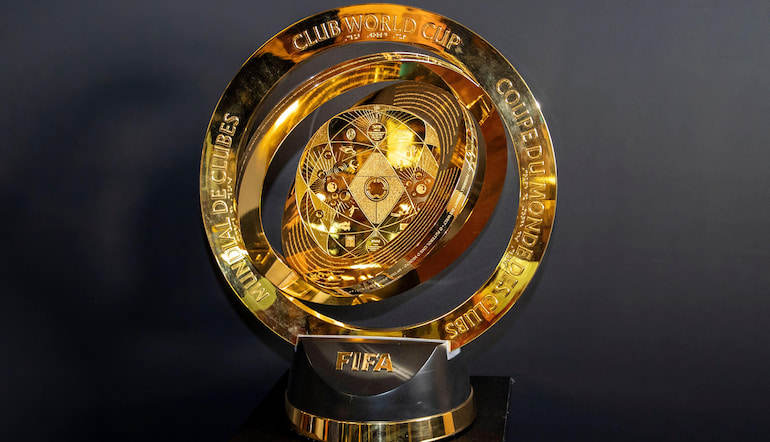
- Competition outcome: Spain crowned 2026 FIFA World Cup champions (their second World Cup); Argentina finished as runners-up
Competition impact and what changed
The result made Spain the 2026 FIFA World Cup winners and finalised the tournament podium: Spain first, Argentina second, and England in third place according to FIFA’s final tournament standings. FIFA’s tournament summary also highlighted Spain’s tournament defensive record (notably conceding only one goal across the competition), underscoring the broader significance of Spain’s title run.
As a tournament final, the match’s consequence is absolute: Spain lifted the trophy, Argentina were confirmed as runners-up, and FIFA’s final classification reflects the definitive end of the 2026 World Cup campaign.
Author: Eric M.