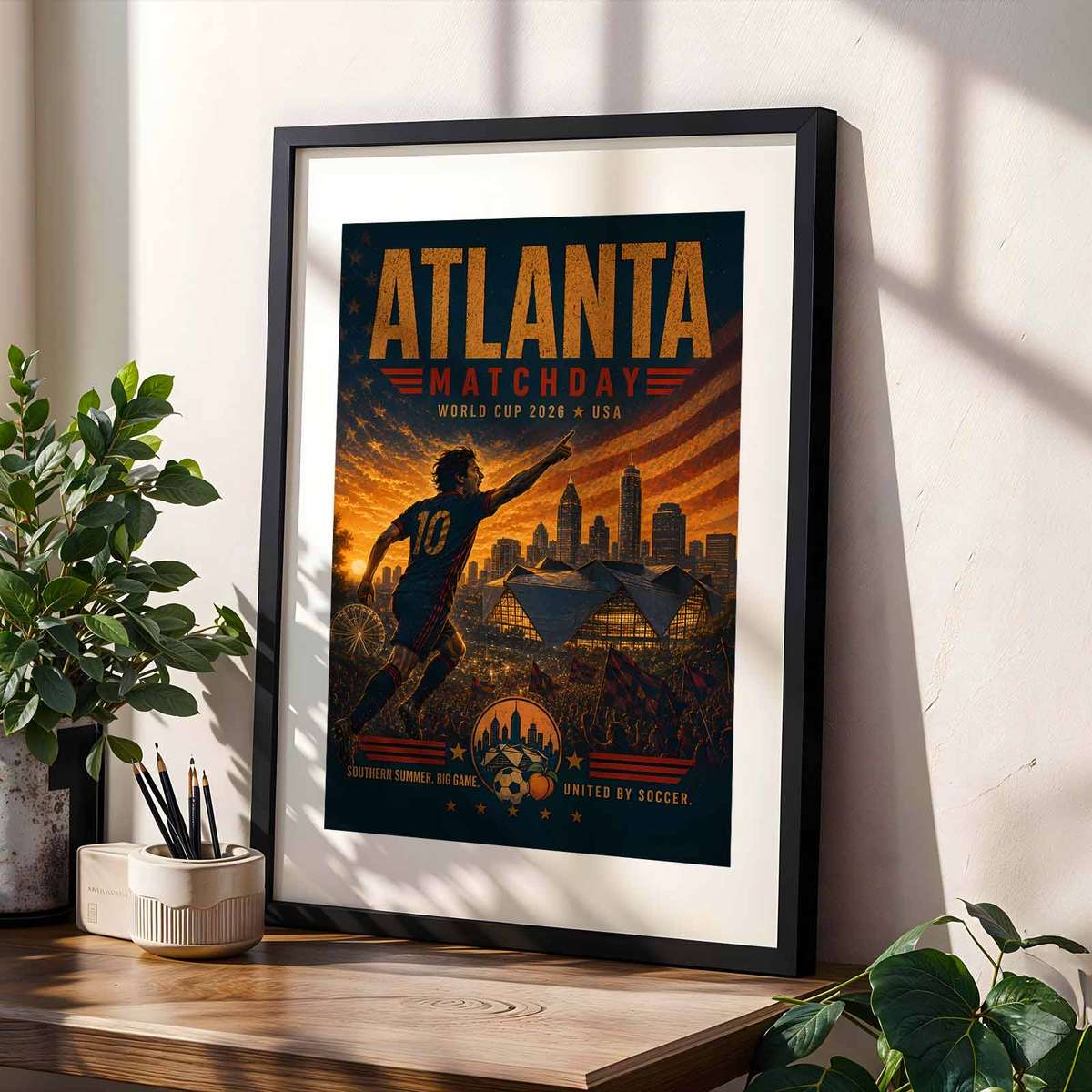
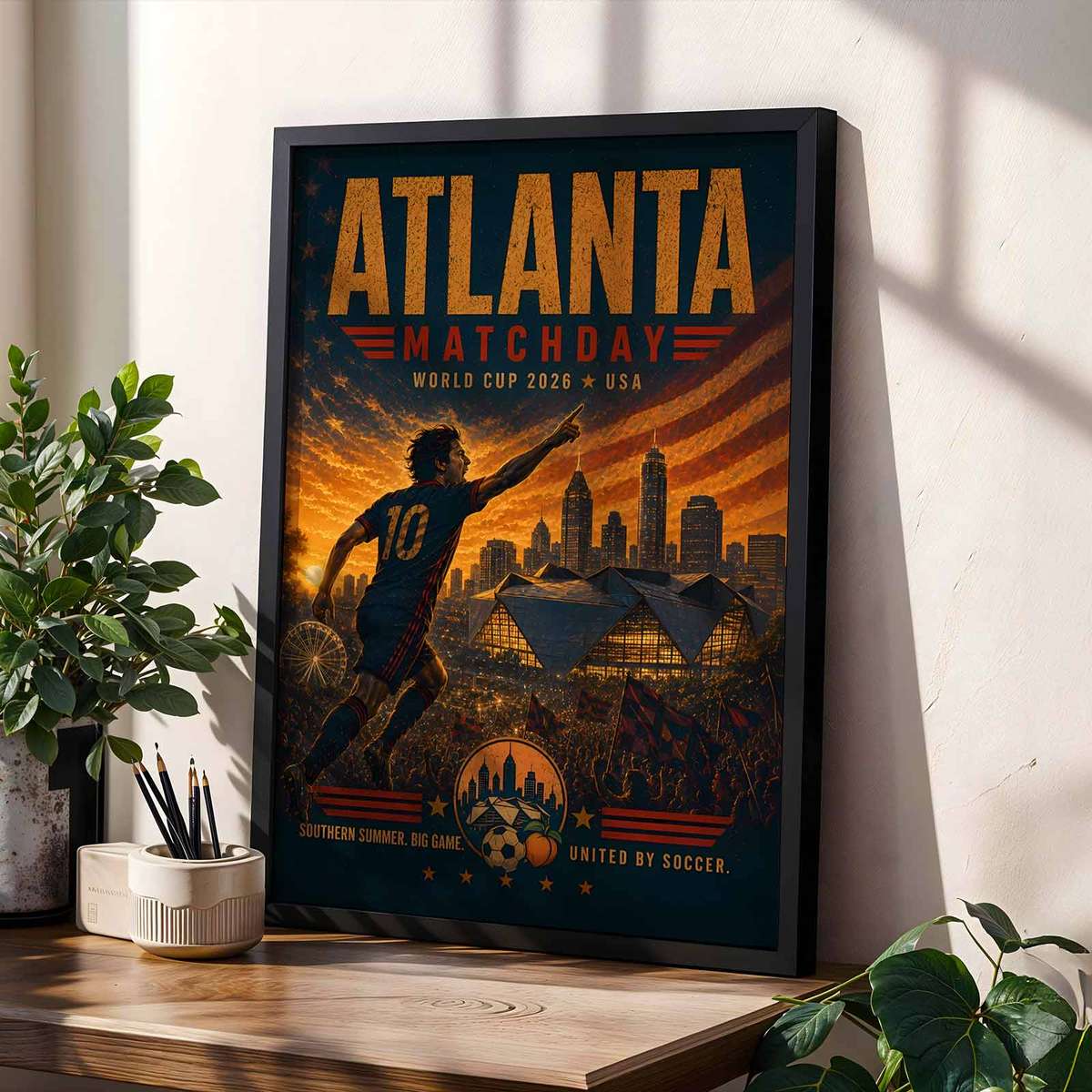
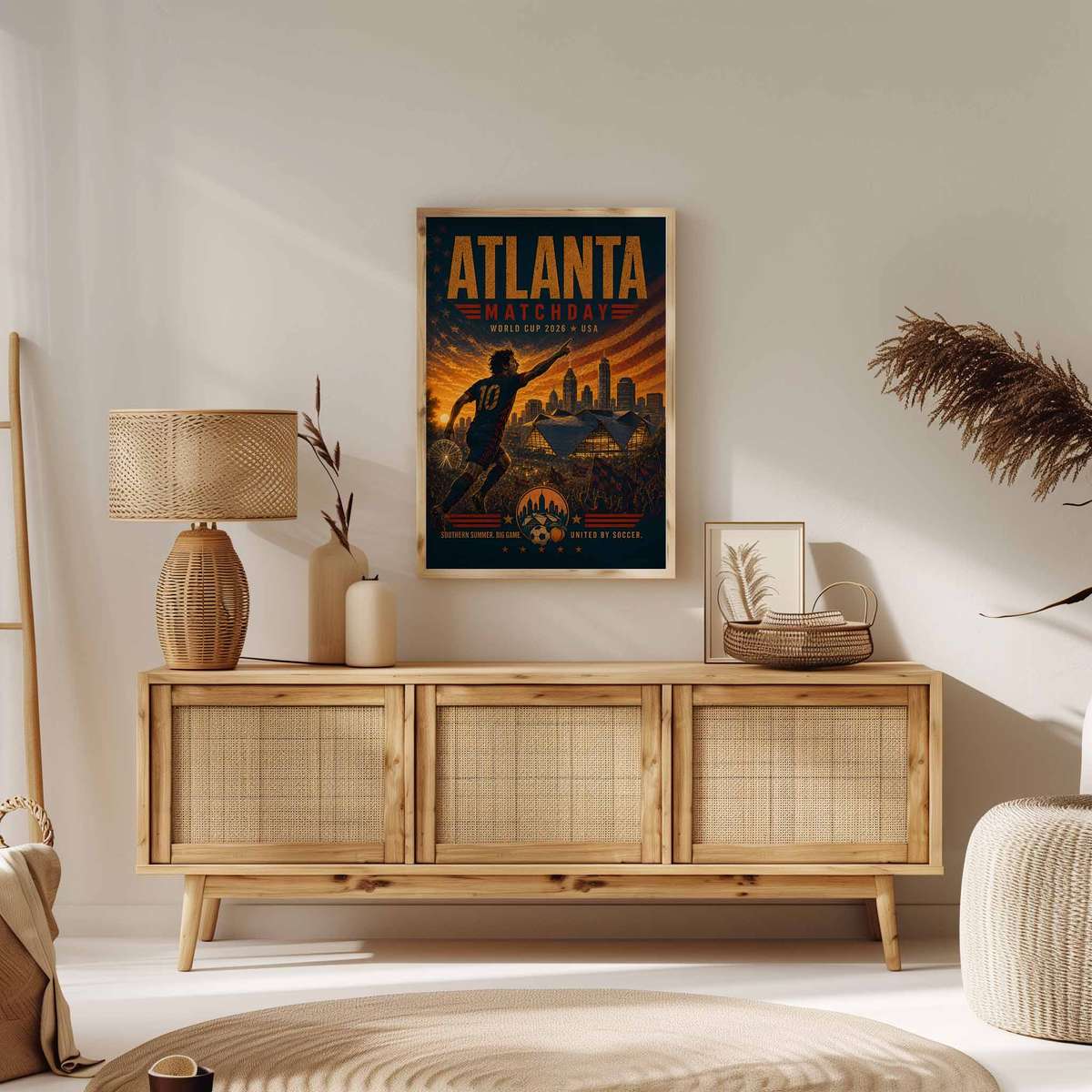
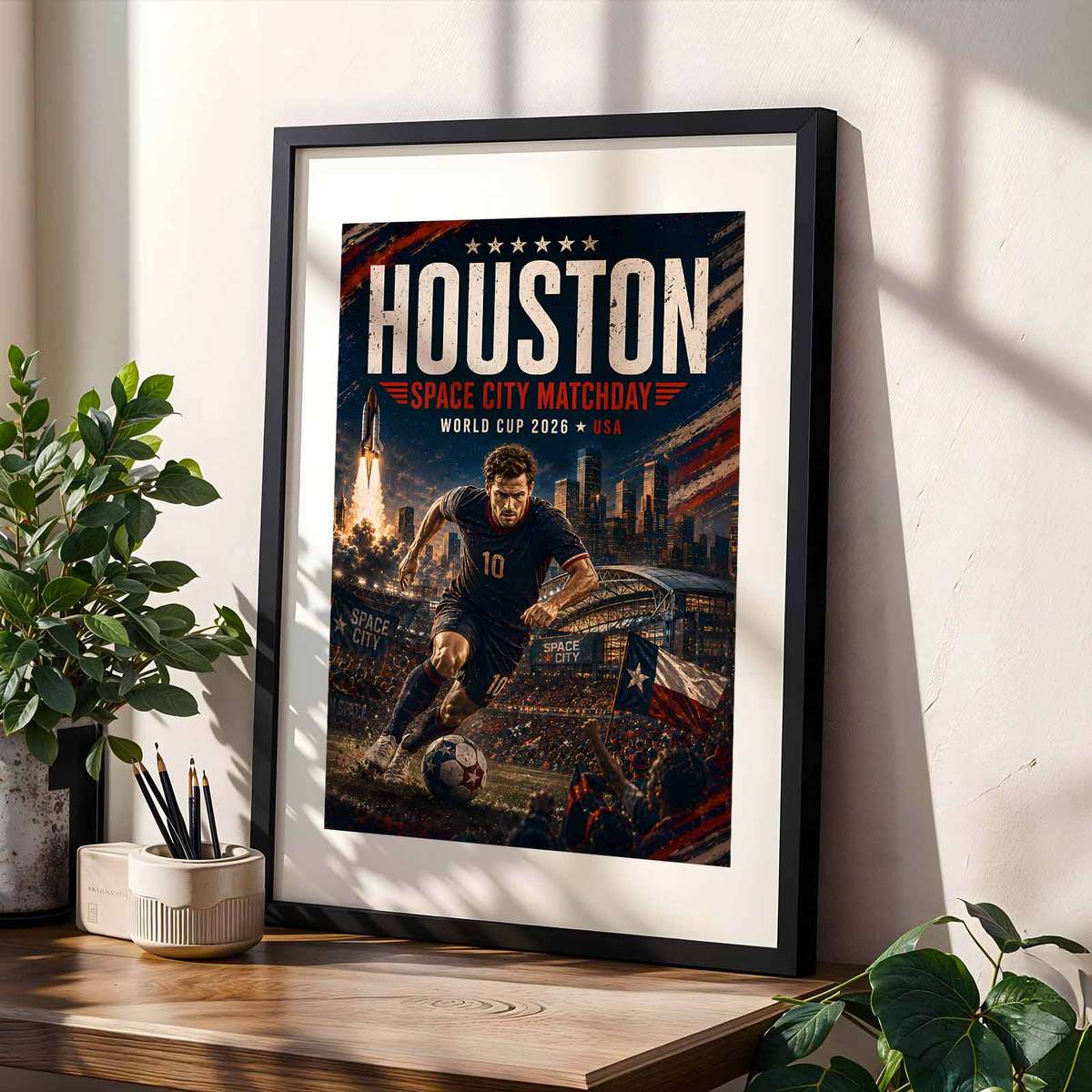
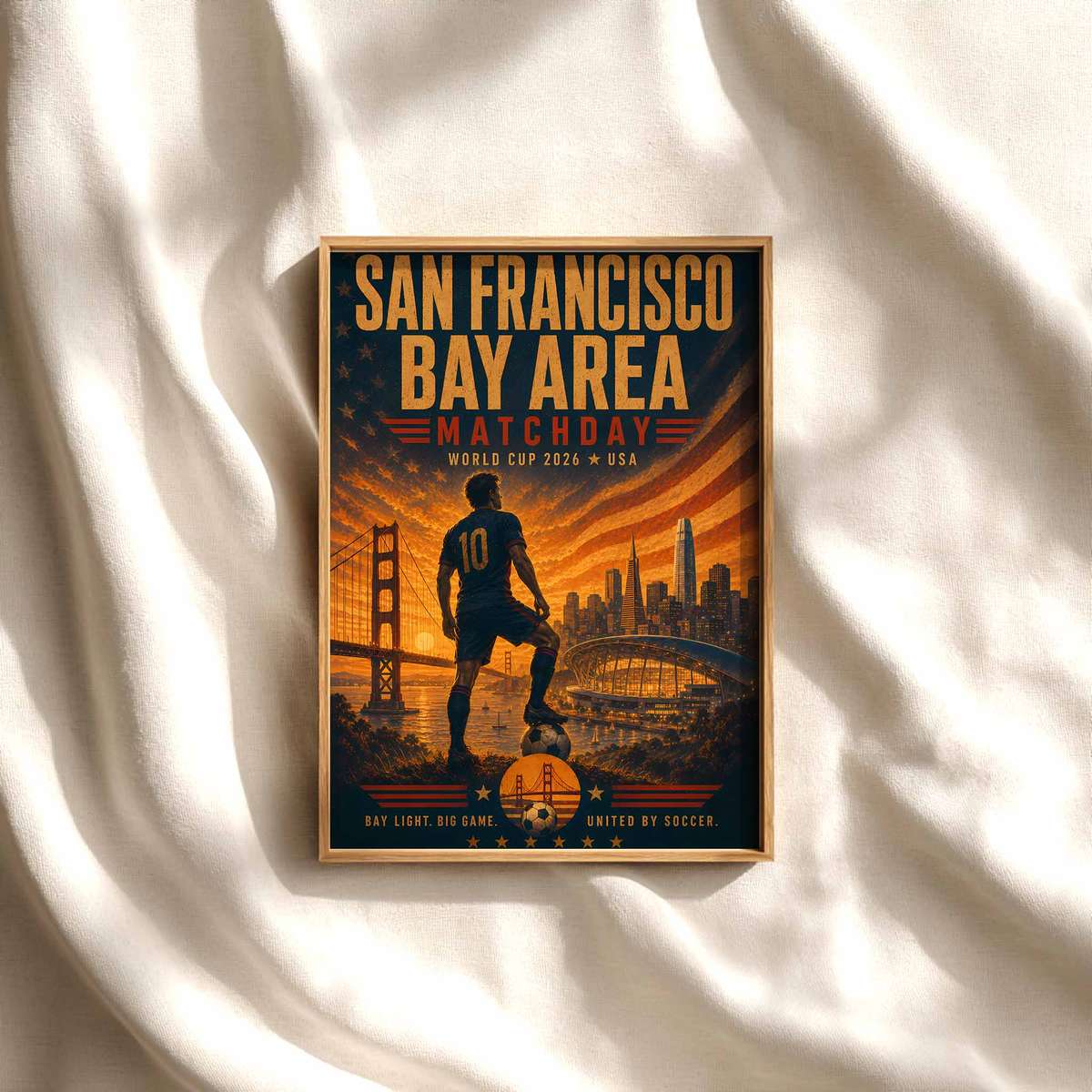
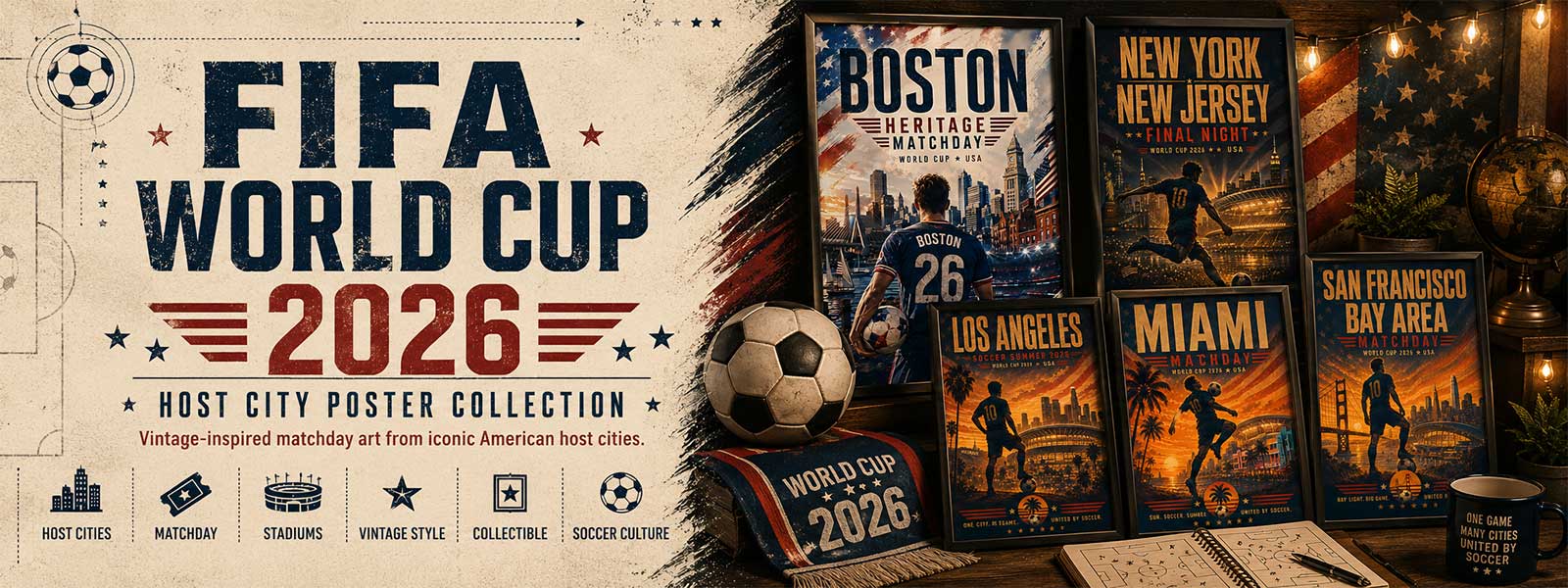
There’s a particular kind of electricity when a World Cup match settles under city lights. In Atlanta, that electricity is shaped by skyline silhouettes, the hum of a stadium, and a crowd that feels both local and global. A custom World Cup 2026 Atlanta poster takes that fleeting atmosphere and turns it into a single, strong image that lives on your wall—more than decoration, a memory that names a season, a player, and a moment.
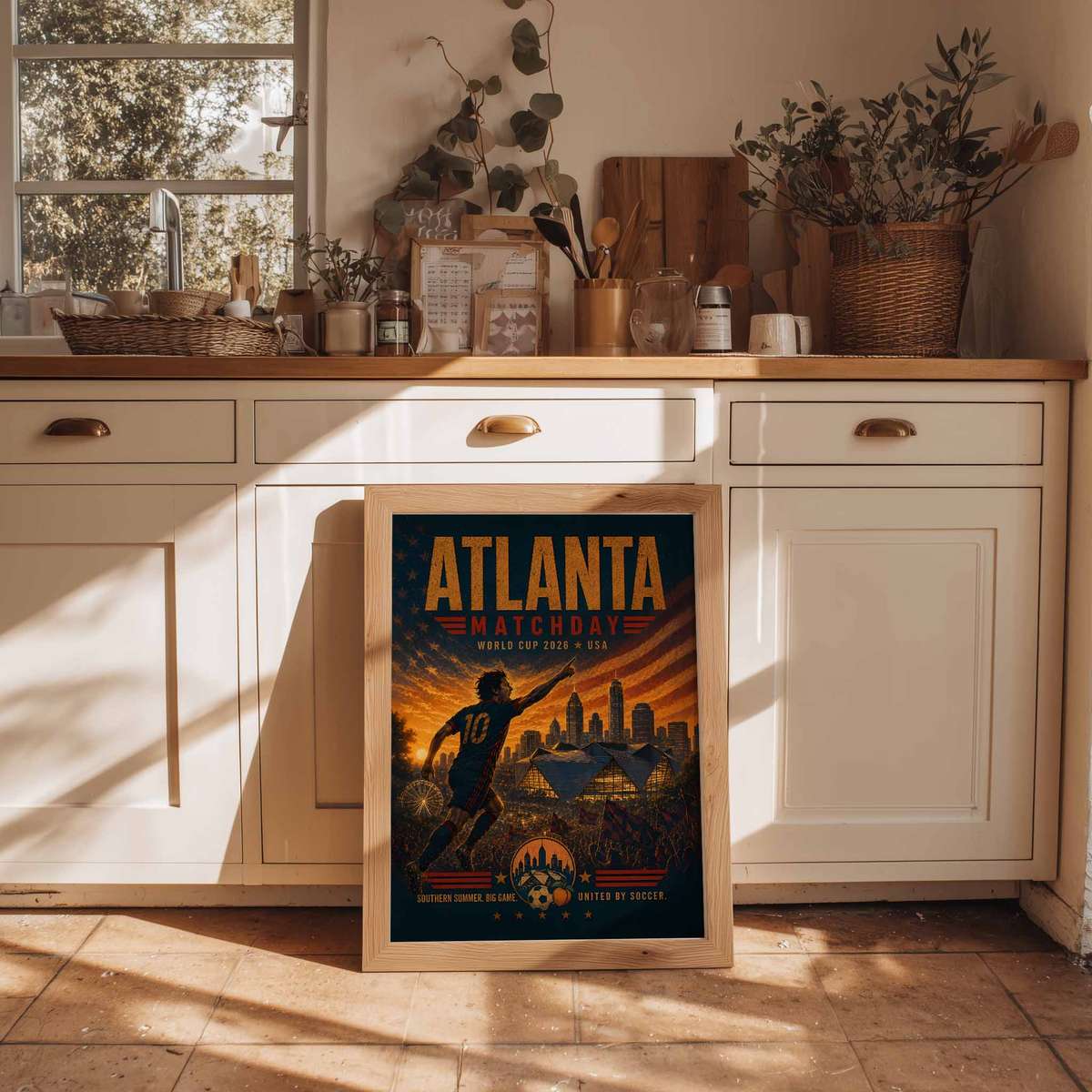
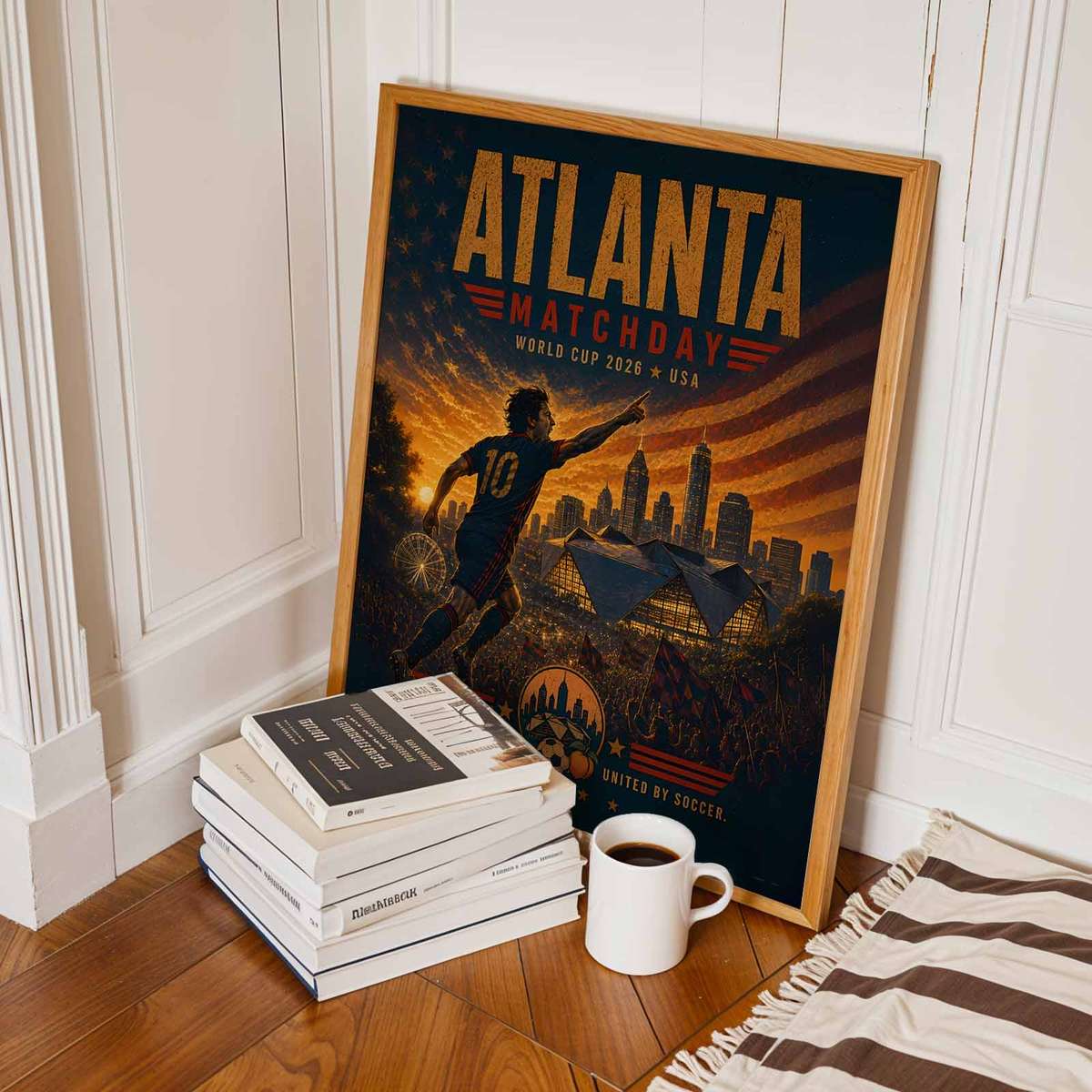
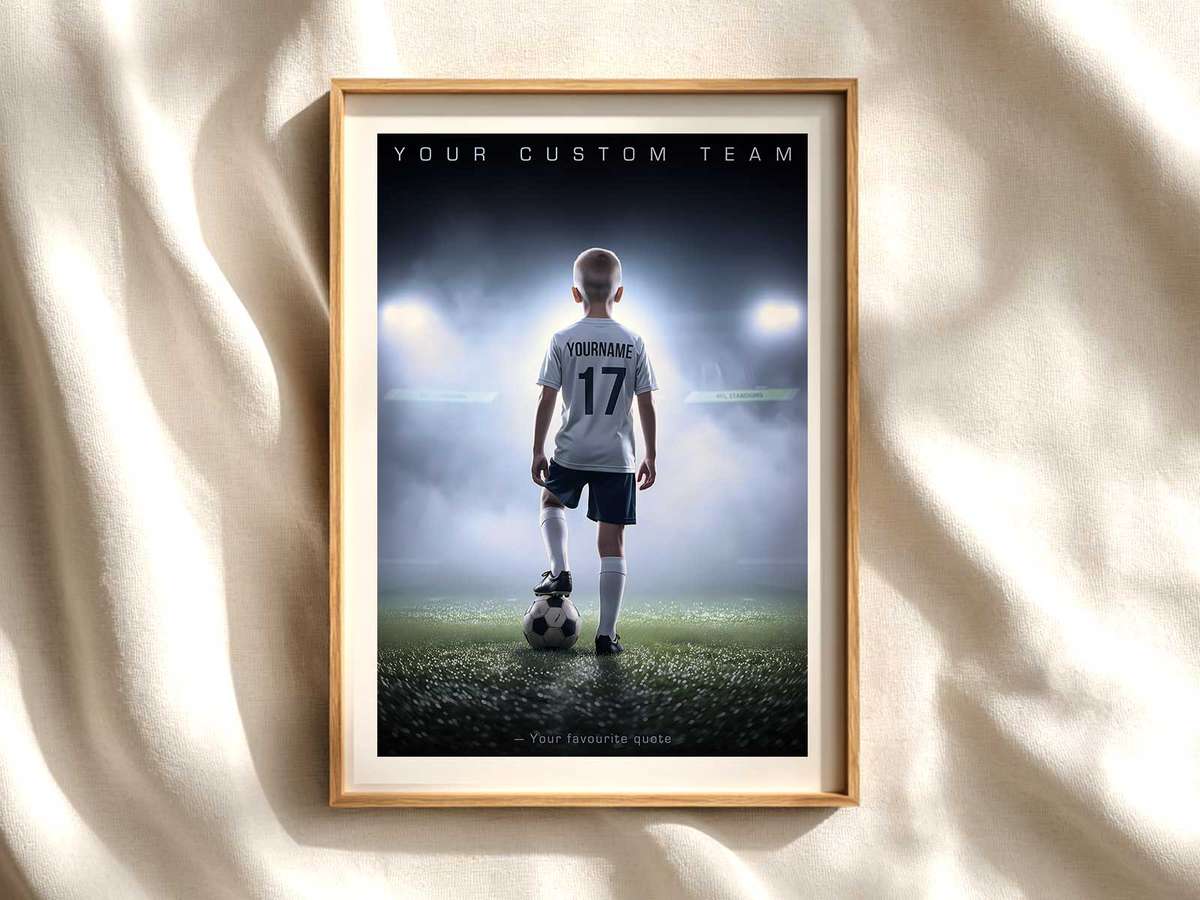
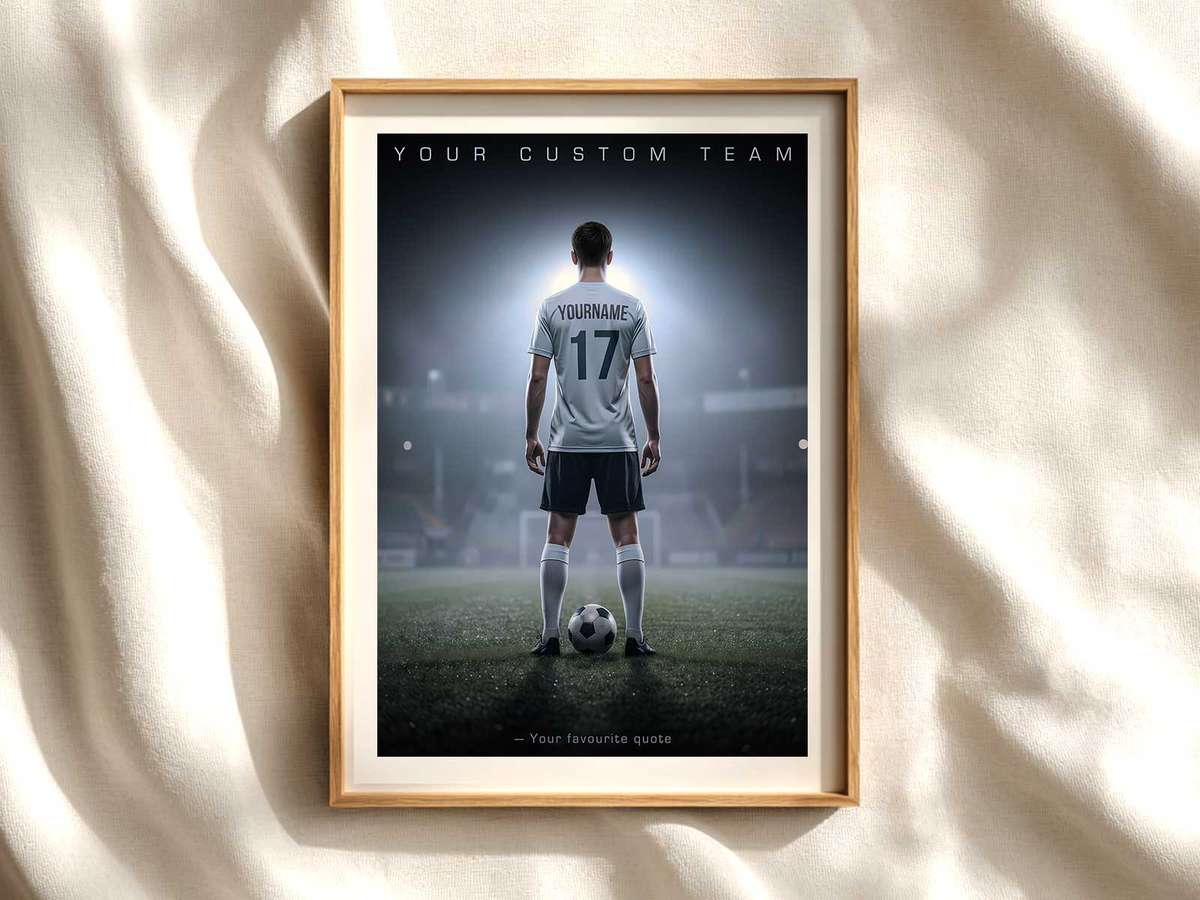
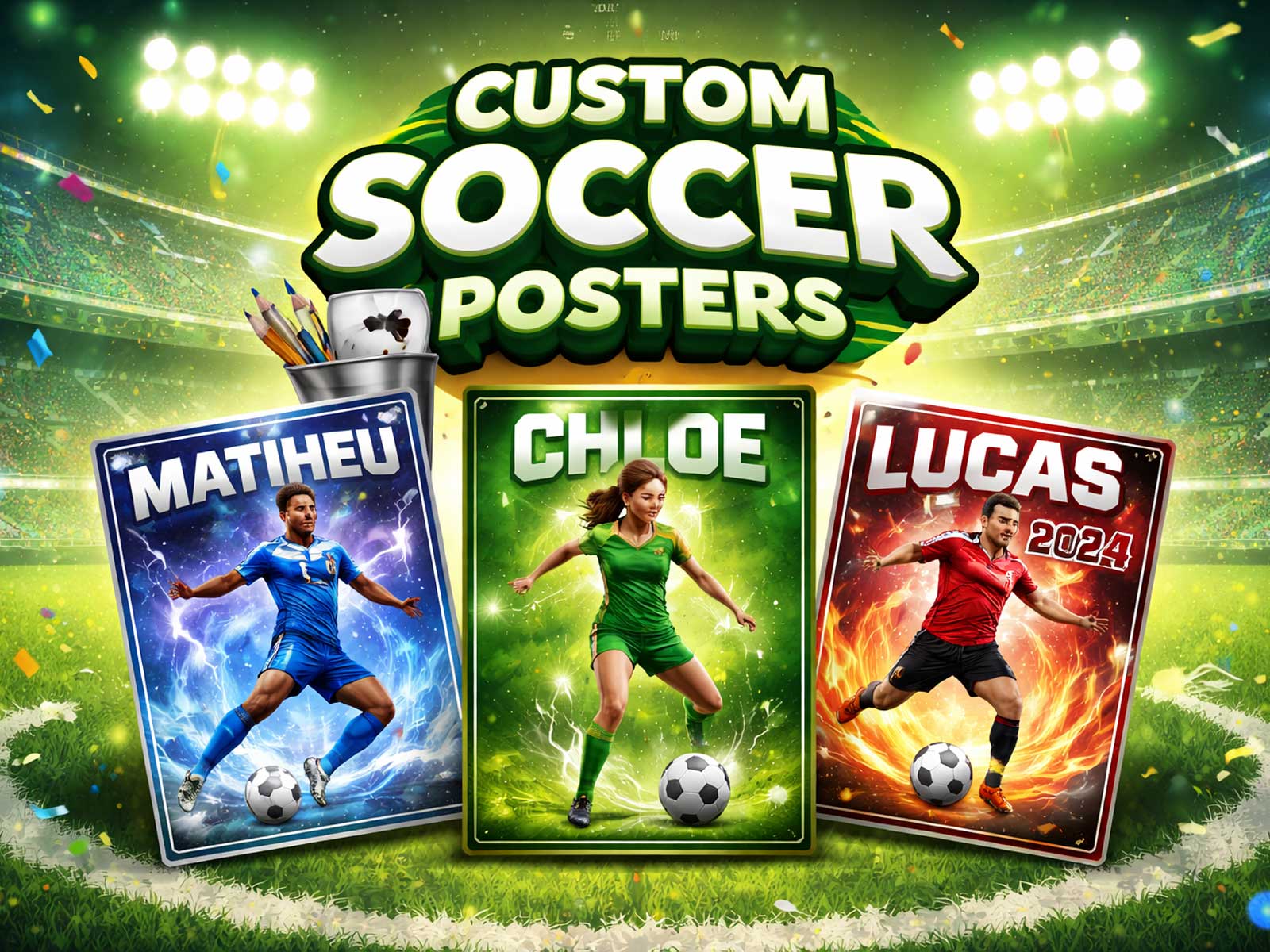
A keepsake-style poster differs from a generic soccer print because it ties identity to place. Simple cues—team colors framed against the Atlanta skyline, the warm glow of final-night floodlights, a player’s number and name—transform the poster from an illustration into a record. For a player, it means their role on the team is visible every day; for parents or teammates, it’s a visual shorthand for the season they shared.
Think about the situations where that kind of poster matters. On a bedroom wall it becomes a personal milestone: the season when a youngster moved from midfield to striker, the tournament when a goalie made the plays that defined their confidence. In a garage or game room it anchors a memory wall—one item among trophies and photos that tells the story of effort and growth. In a coach’s office or locker area, it can recognize leadership, a standout match, or the collective pride of a roster.
What makes a custom poster feel intimate is specificity. A layout that references Atlanta’s silhouette, the final’s warm light, and subtle American pride does not need to shout; it communicates context. Adding a season year, a team name, or a jersey number gives the image a narrative anchor: anyone who sees it understands when and why this match mattered. That combination of place, light, and identity makes the poster a personal artifact rather than generic sports decor.
Design choices also shape how the poster reads in a room. Clean, high-contrast soccer visuals—a player in motion against a simplified skyline—work because they read at a glance from across a room and reward closer inspection with small, meaningful details. The poster’s strong silhouette holds up against other wall items and helps the eye land on the memory it represents: the night, the city, the performance.
The emotional value comes from stories. A parent might hang the poster to remember a last-minute goal that clinched promotion; a player might keep it to mark a breakthrough season; a coach might use it to celebrate a team that learned to compete together. Because the poster names the moment and anchors it to Atlanta’s light and skyline, it becomes a conversation piece—an object that invites people to ask, remember, and retell.
Finally, a well-made World Cup 2026 Atlanta poster grows with the owner. It doesn’t simply celebrate a win; it keeps a stage in the player’s development visible. Years later the poster will still carry the textures of that night: the stadium glow, the skyline outline, the small text that says which season it was. That quiet durability—an everyday reminder of effort, belonging, and pride—is what turns a match’s energy into an iconic wall keepsake.