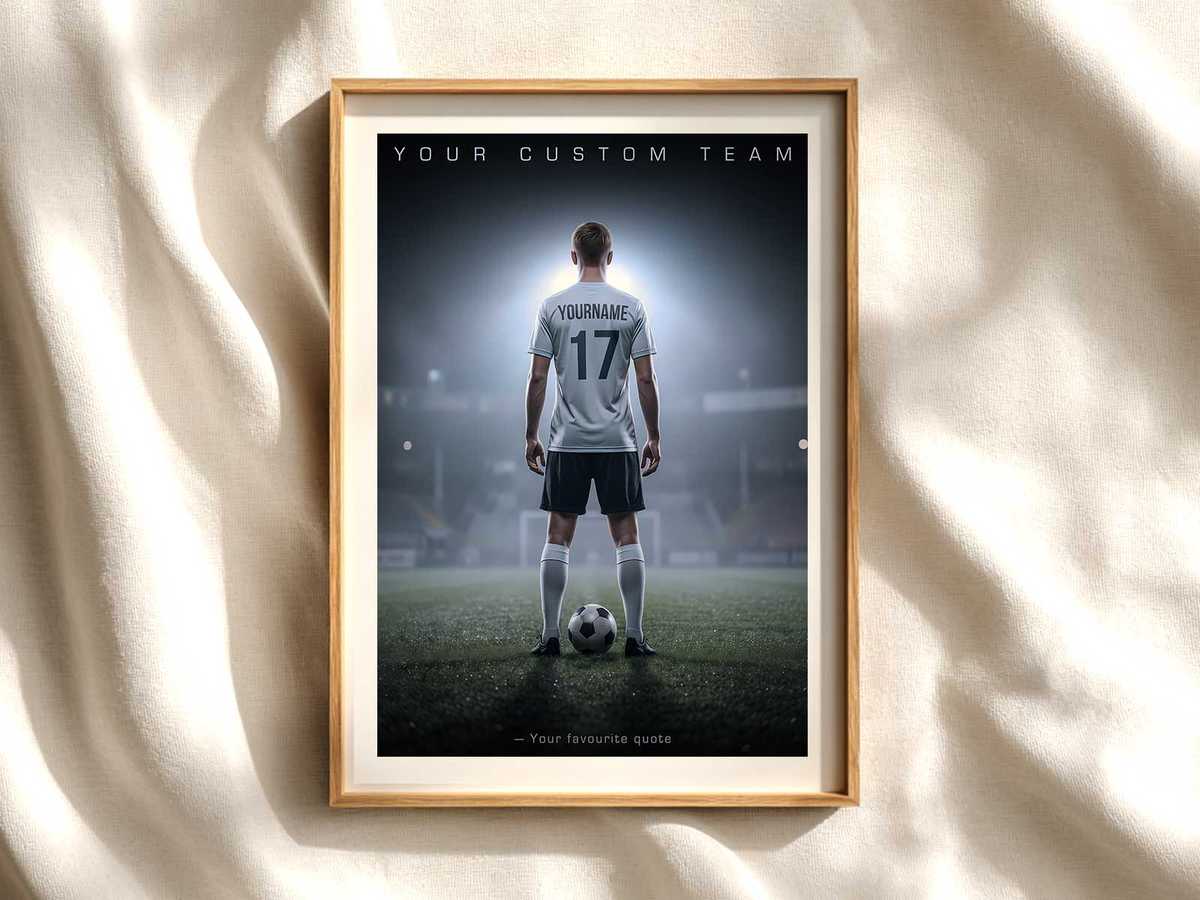
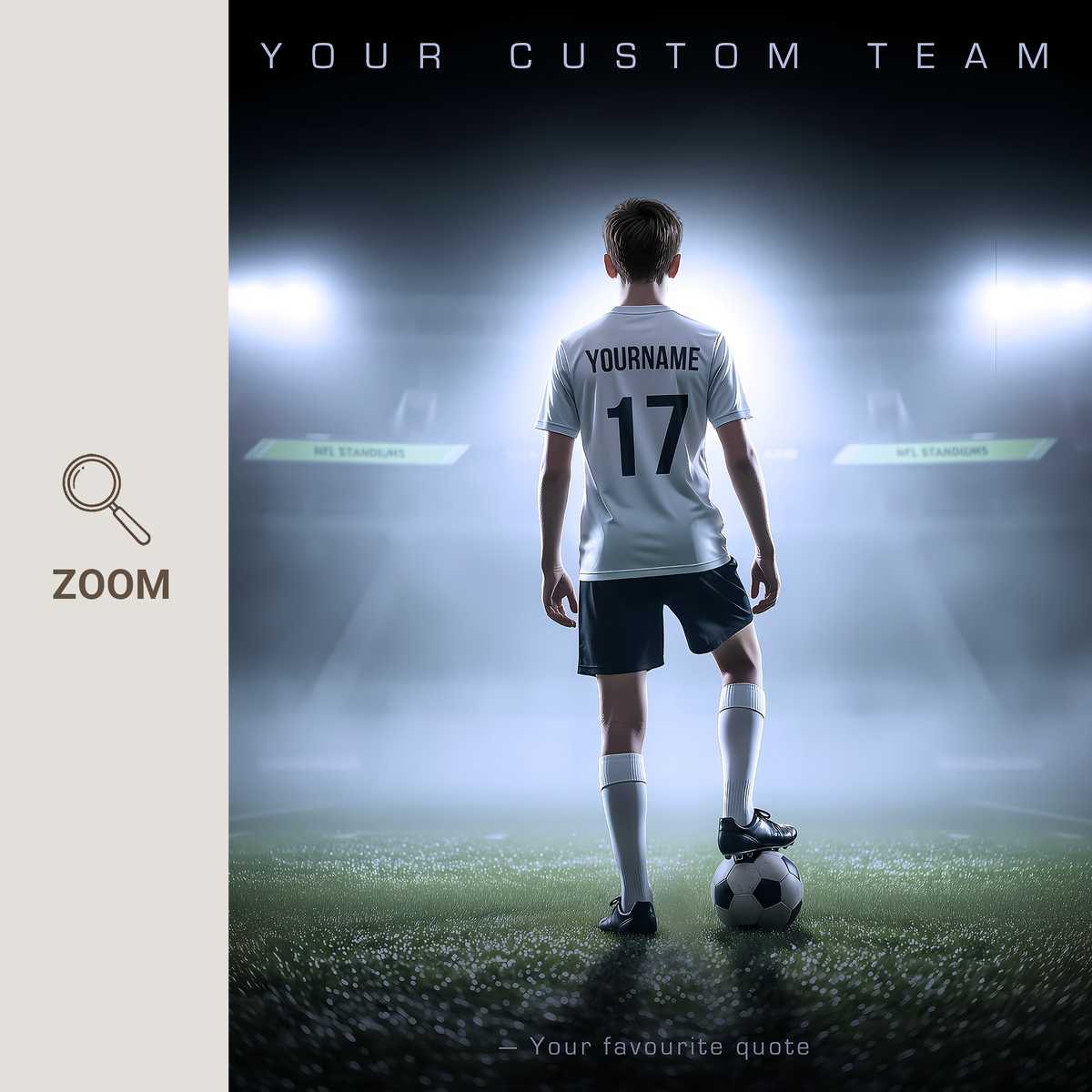
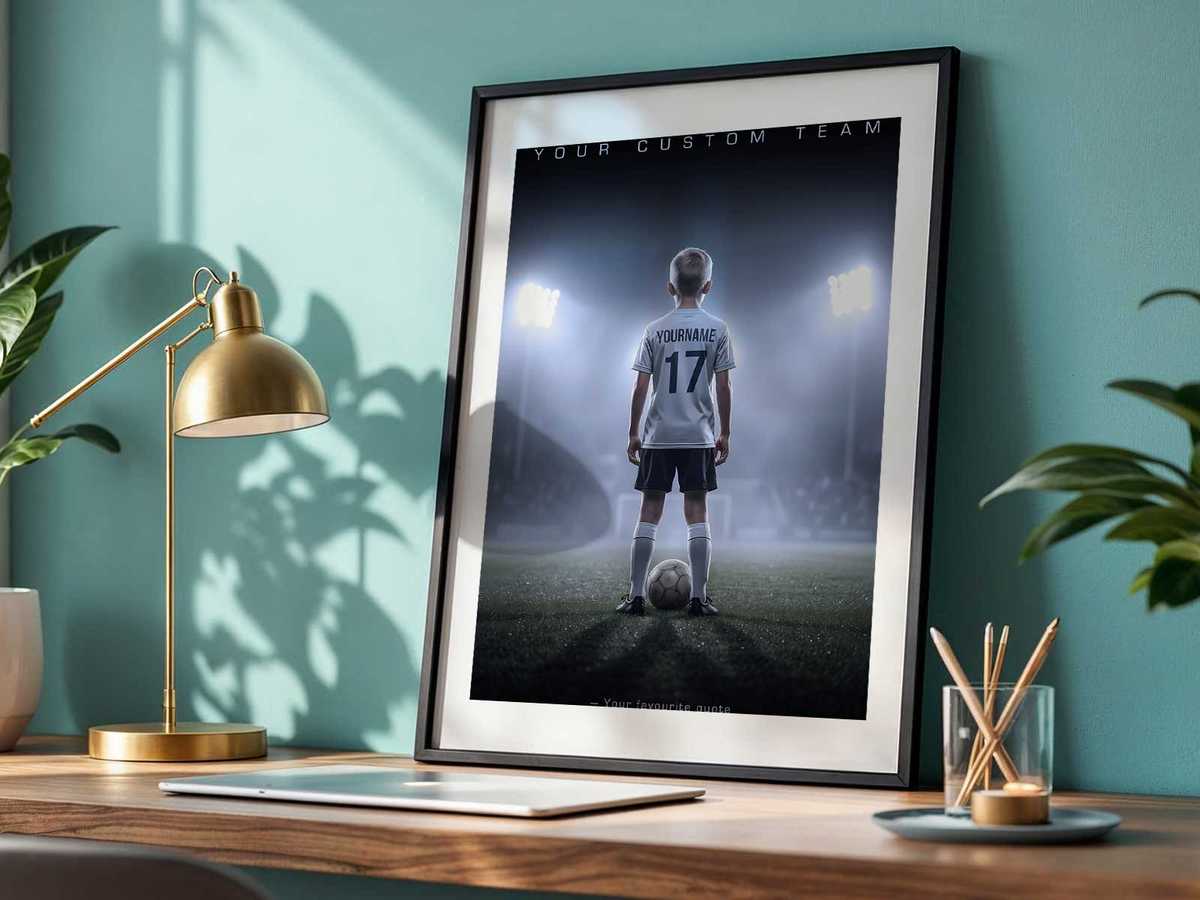
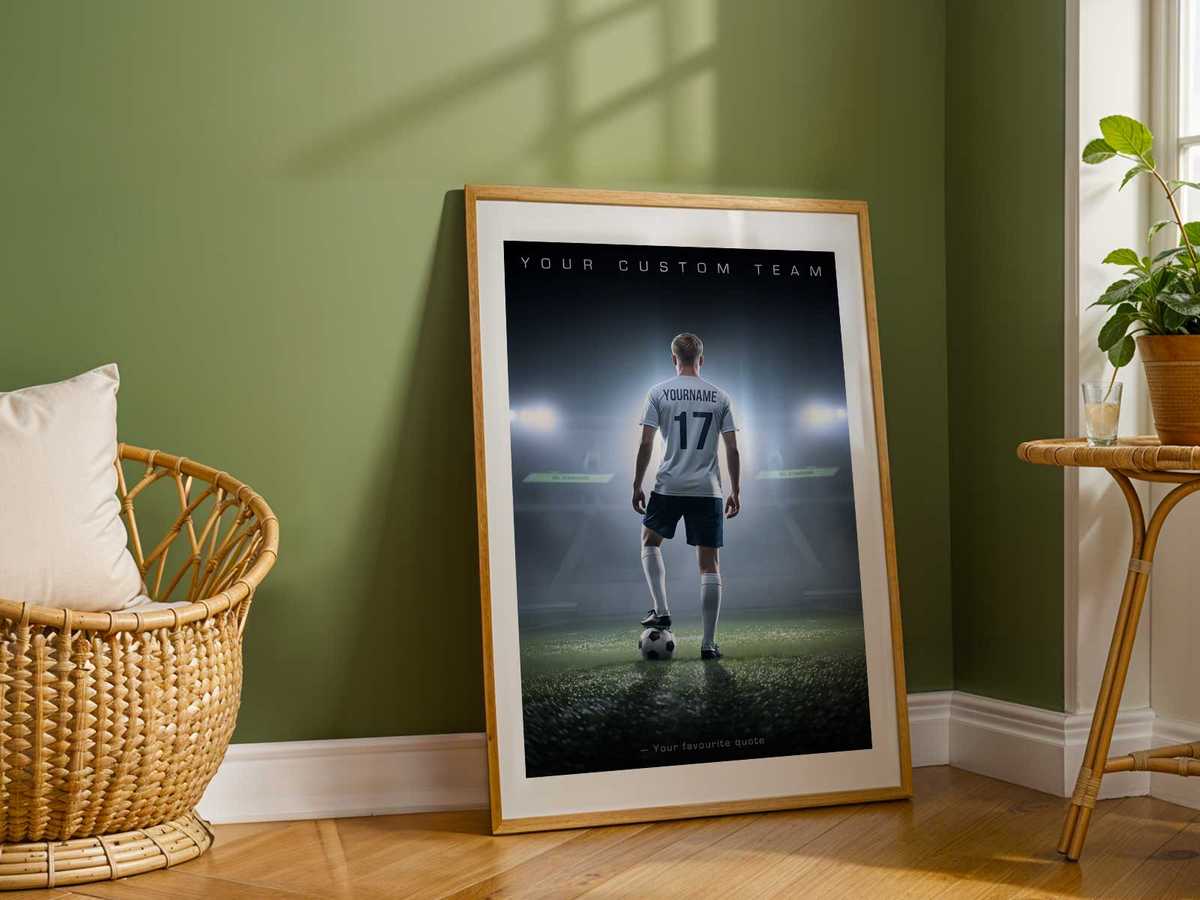
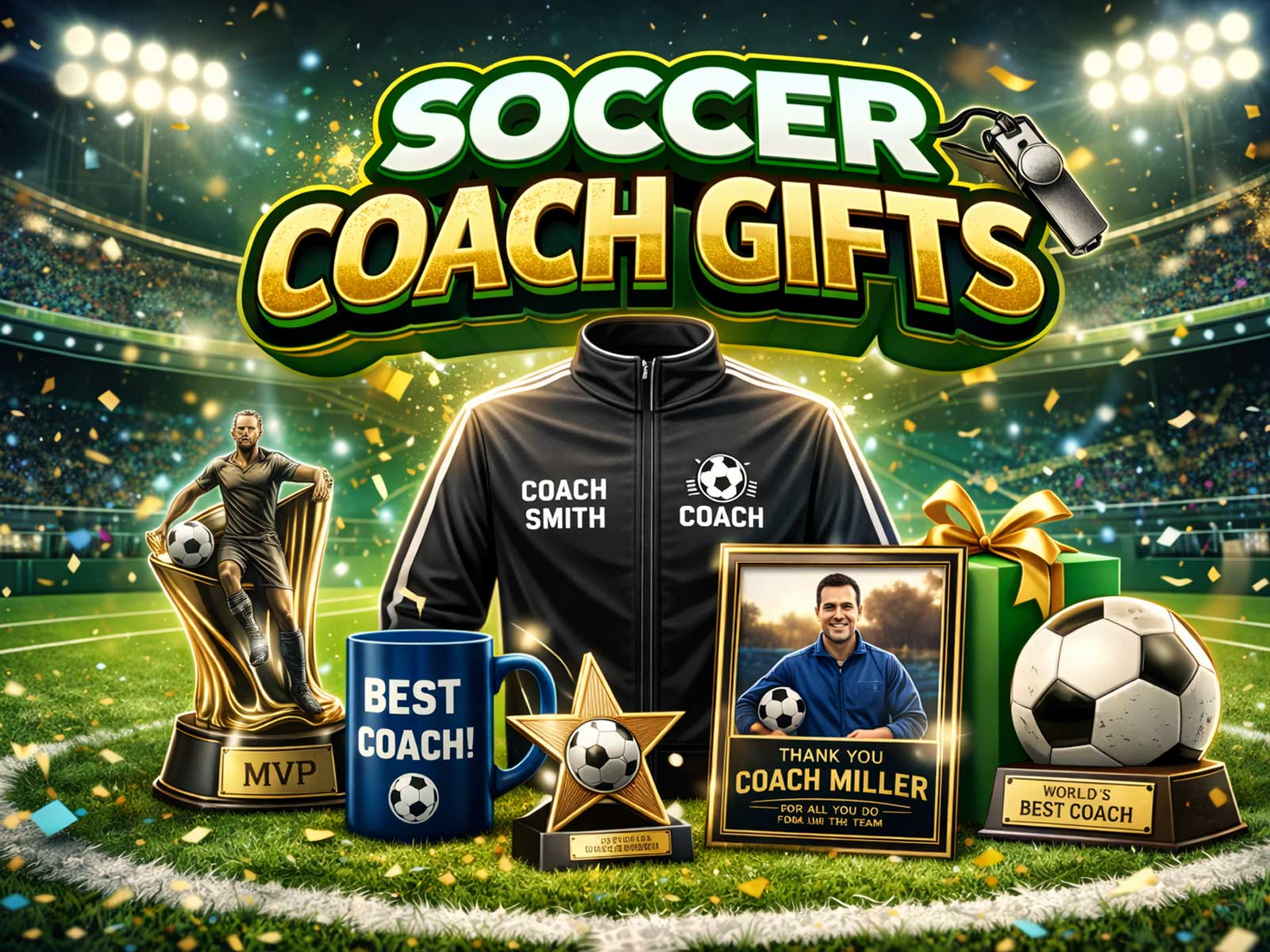
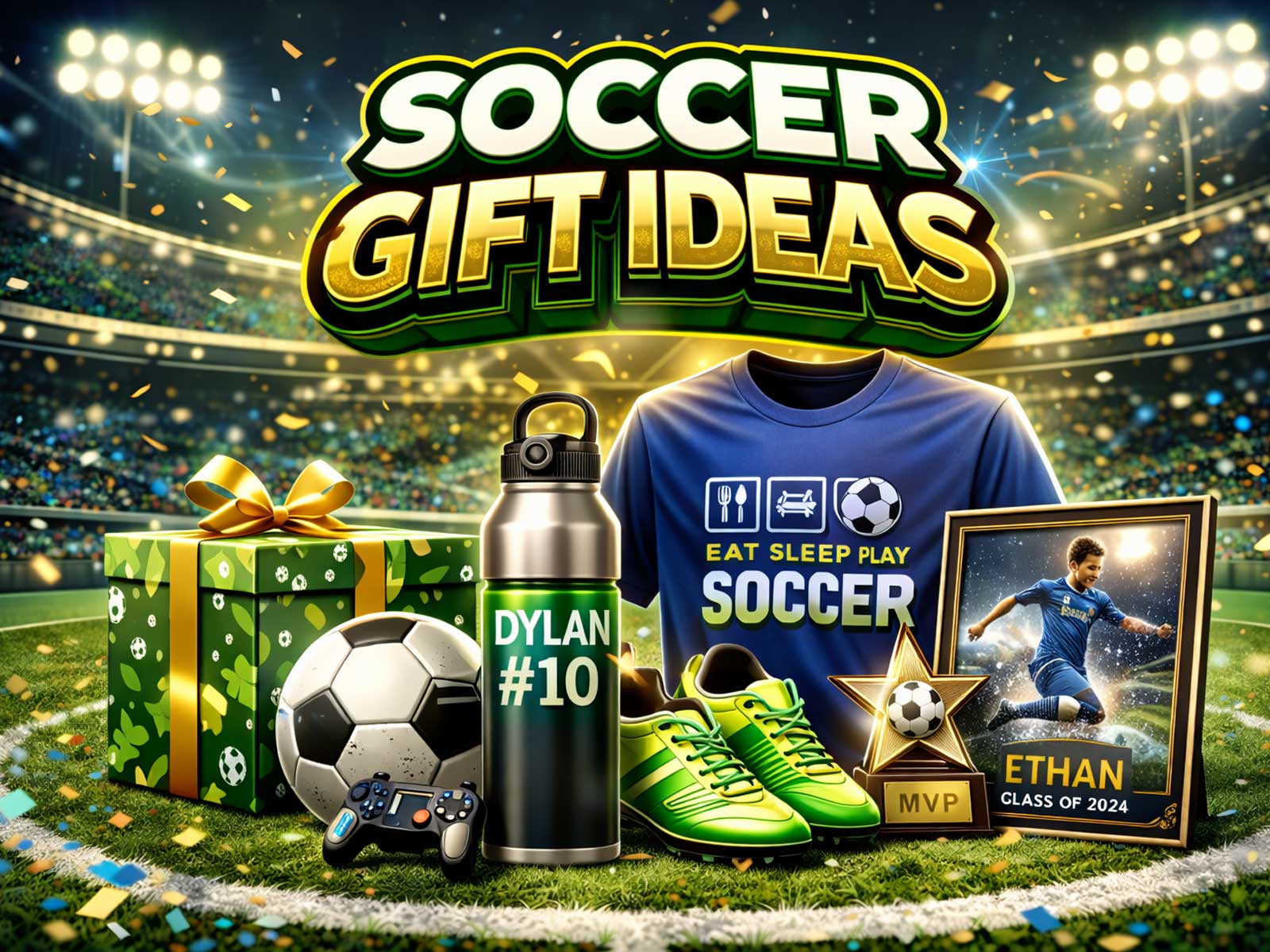
Creating a useful soccer gift guide means thinking beyond one generic list. Break gifts into three clear purposes: match‑day useful items that players and families reach for on game day; emotional keepsakes meant for display and memory; and personalized, lasting ideas that work for public recognition like senior night or coach appreciation. Segmenting by purpose helps readers match purchase intent to relationship and occasion rather than guessing at what ‘‘feels right.’u200b
When the intent is immediate utility — for a child, teen, or adult player — choose items that solve small friction points on game day. Retailers and guides commonly list performance water bottles, match‑day bags or duffels, warmup layers, socks, shin guards, and small organization accessories such as towels, hair ties, and first‑aid items as sensible, tangible choices. These gifts are appropriate when you want to help a player perform, stay comfortable, or keep gear organized.
Emotional keepsakes: displayable items that mark a season or milestone
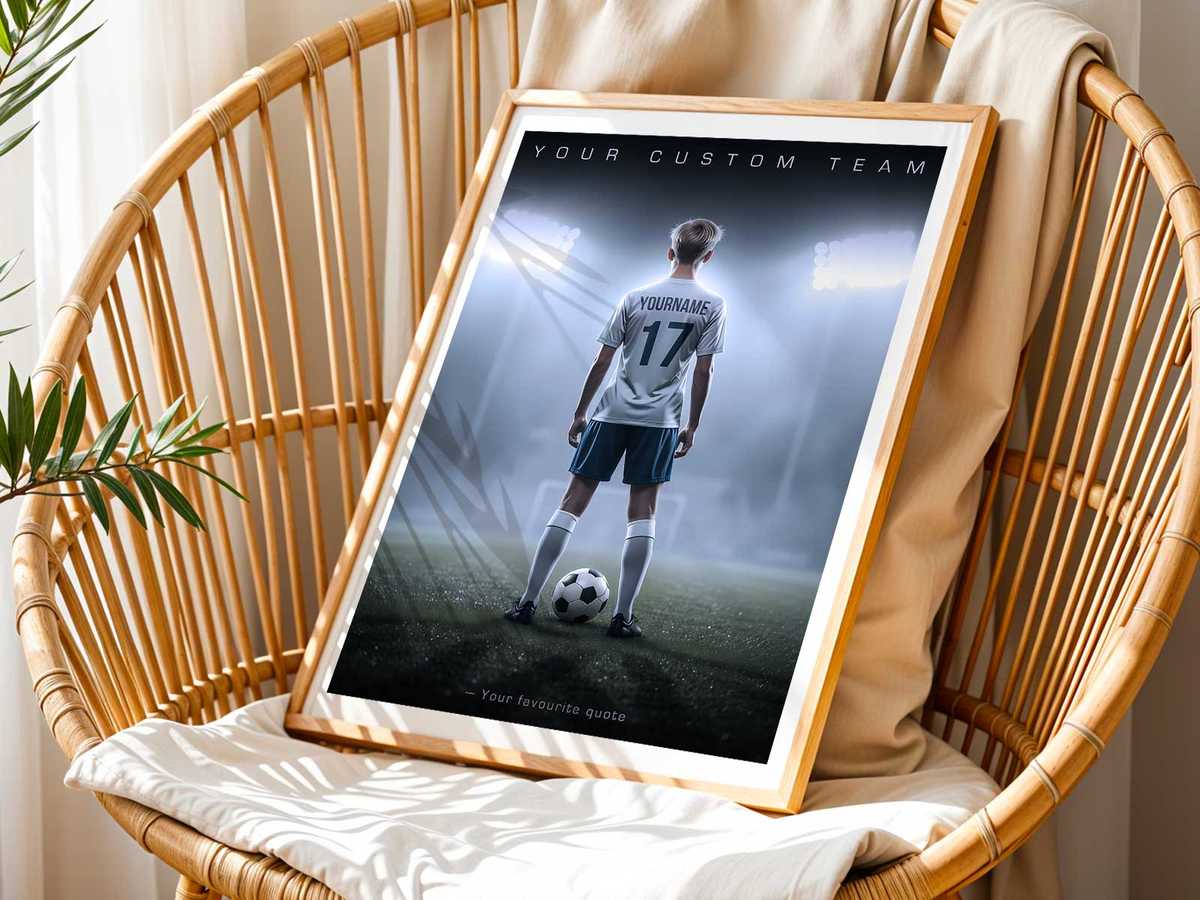
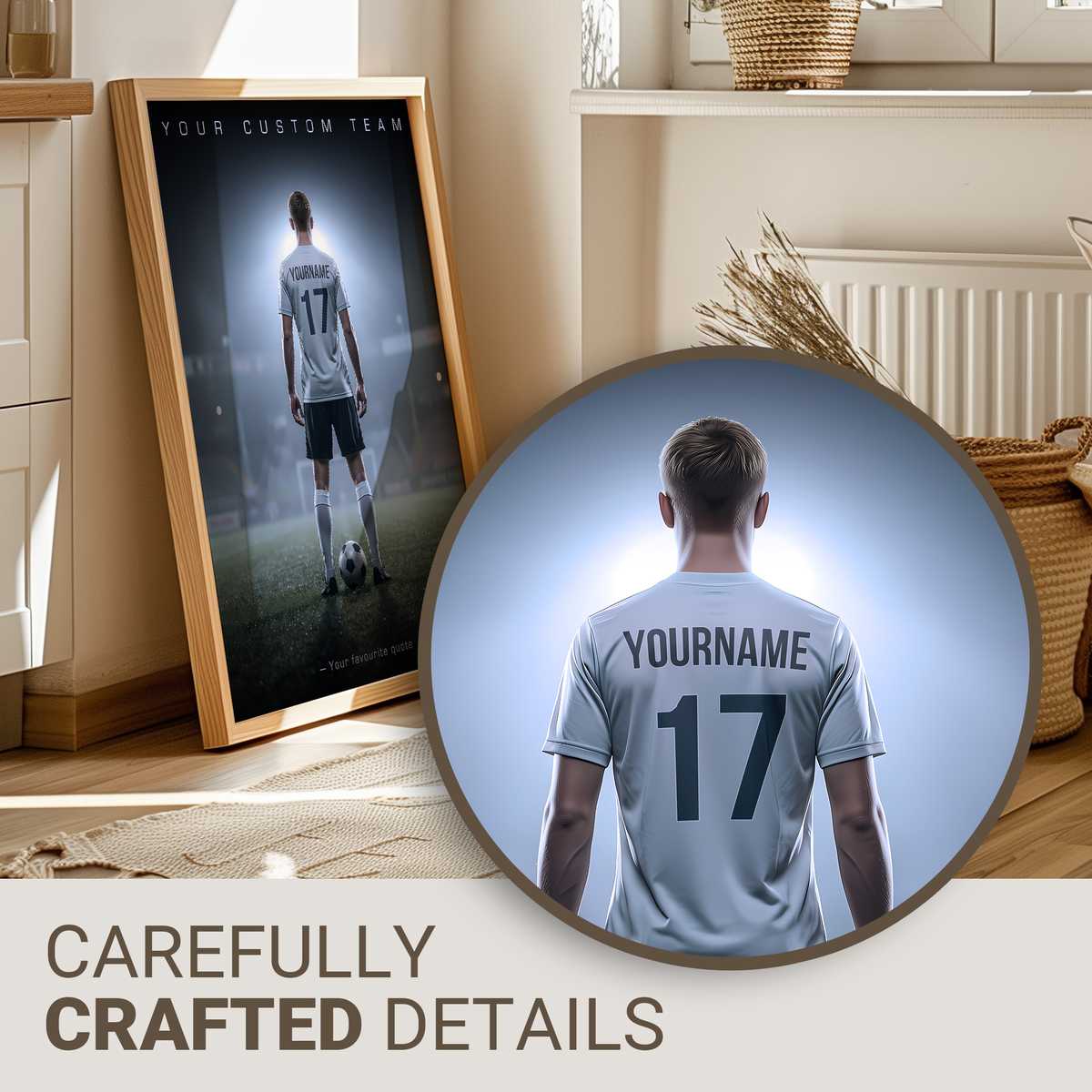
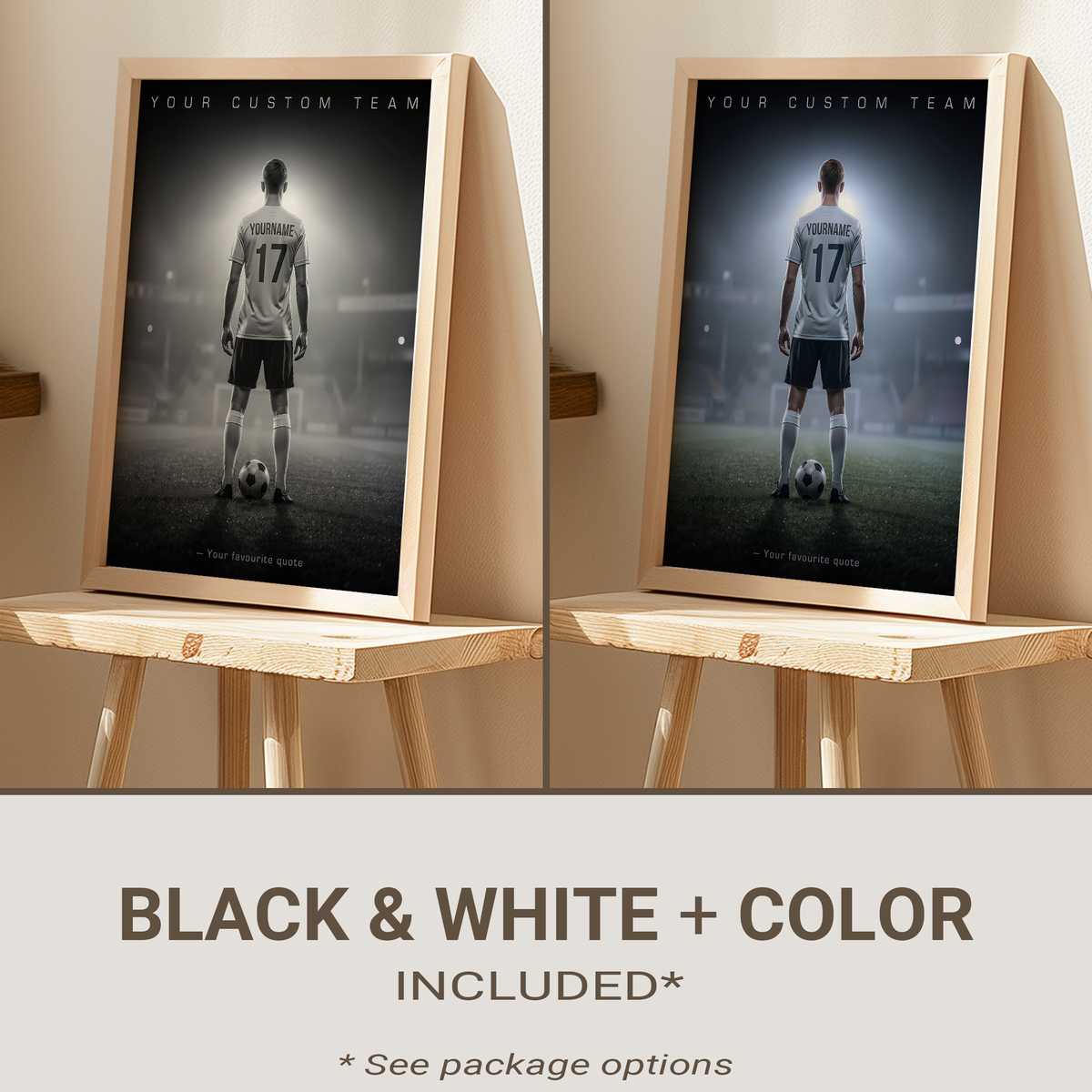
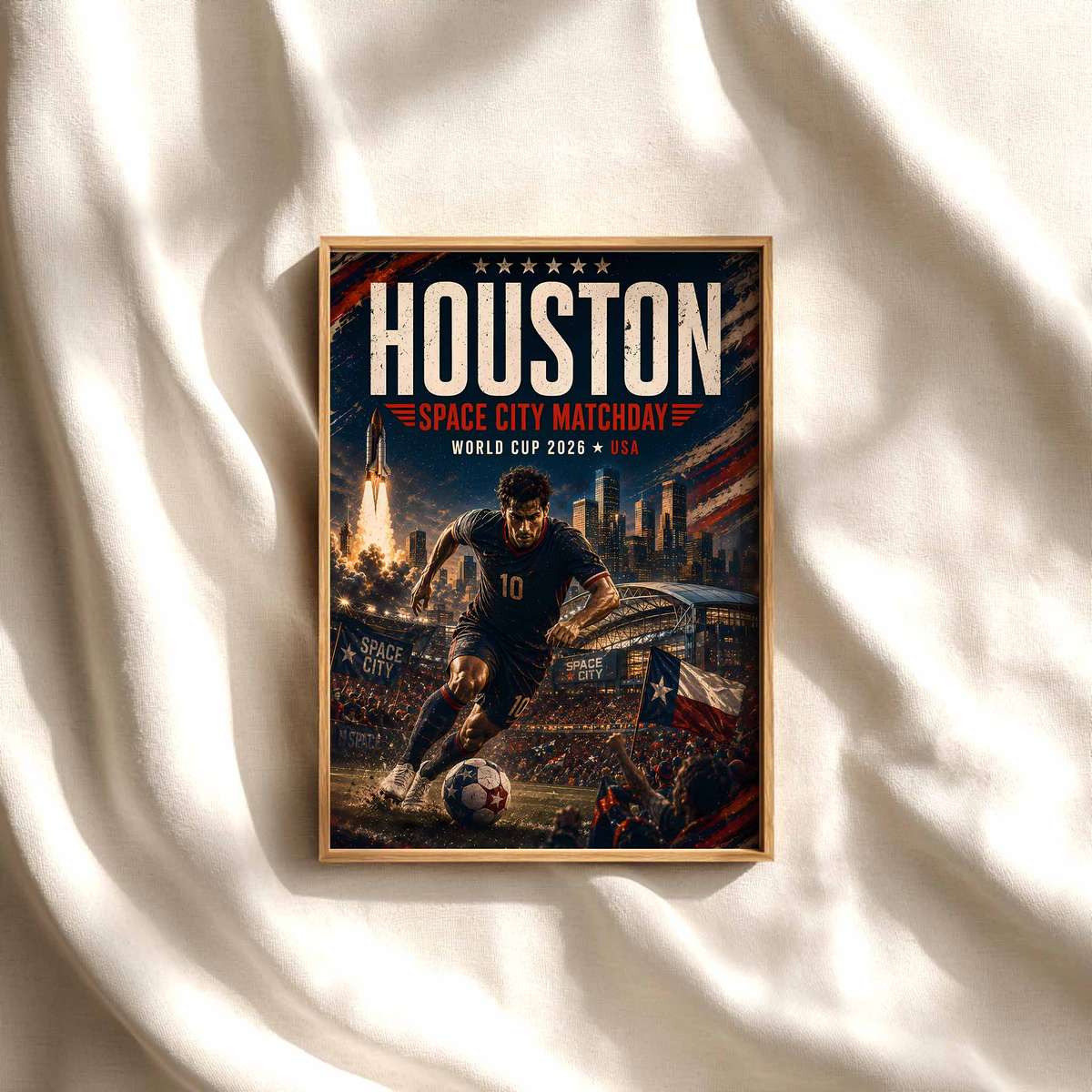
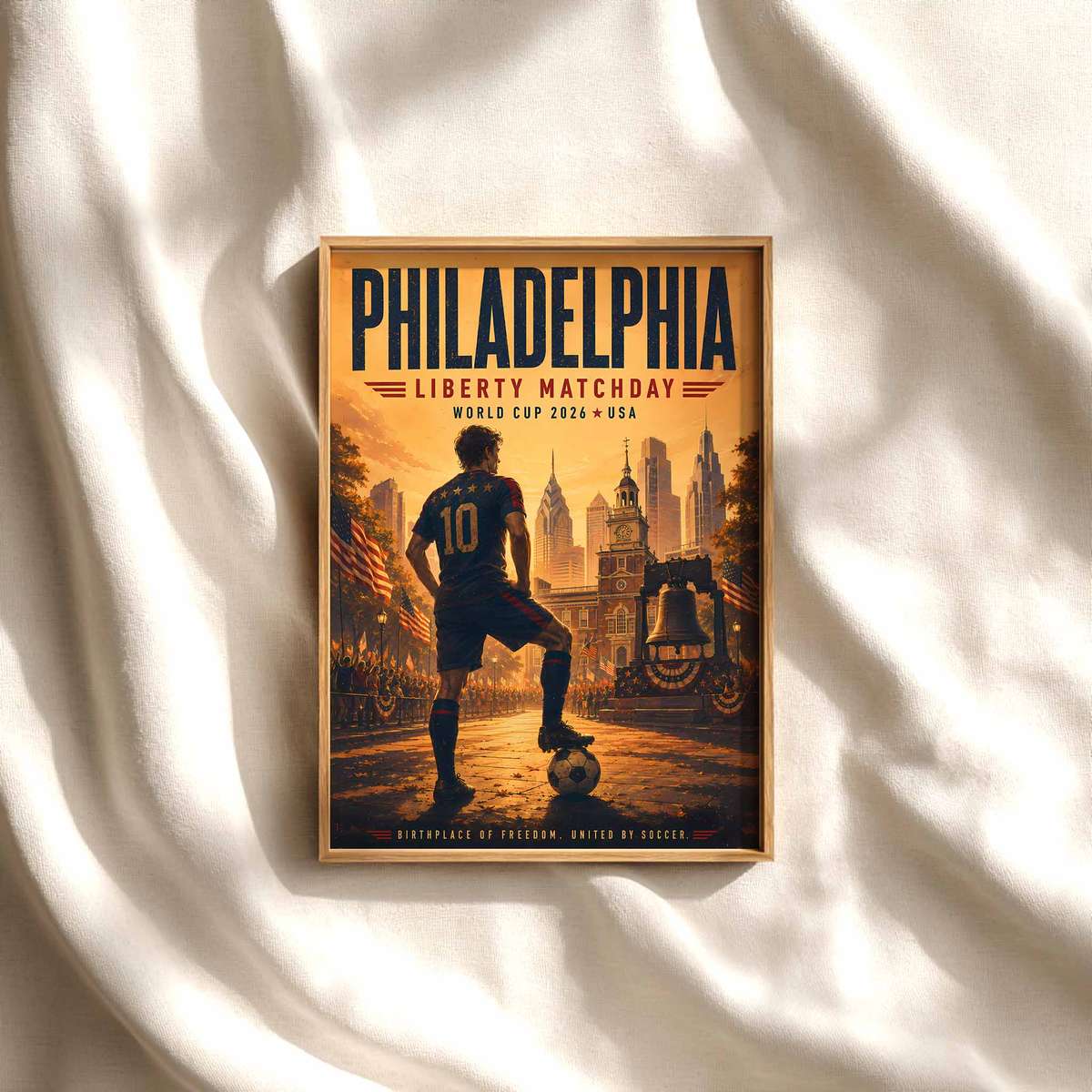
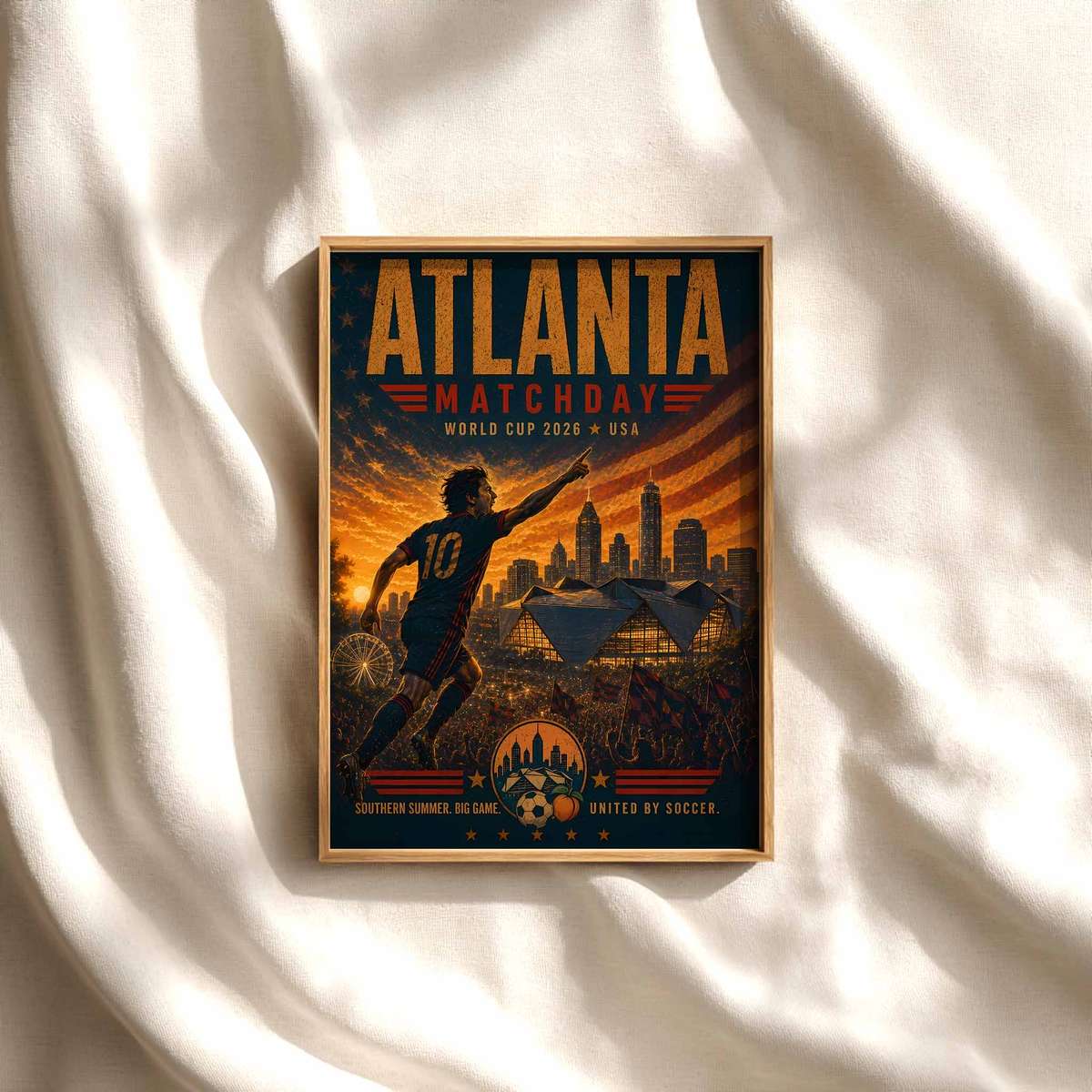
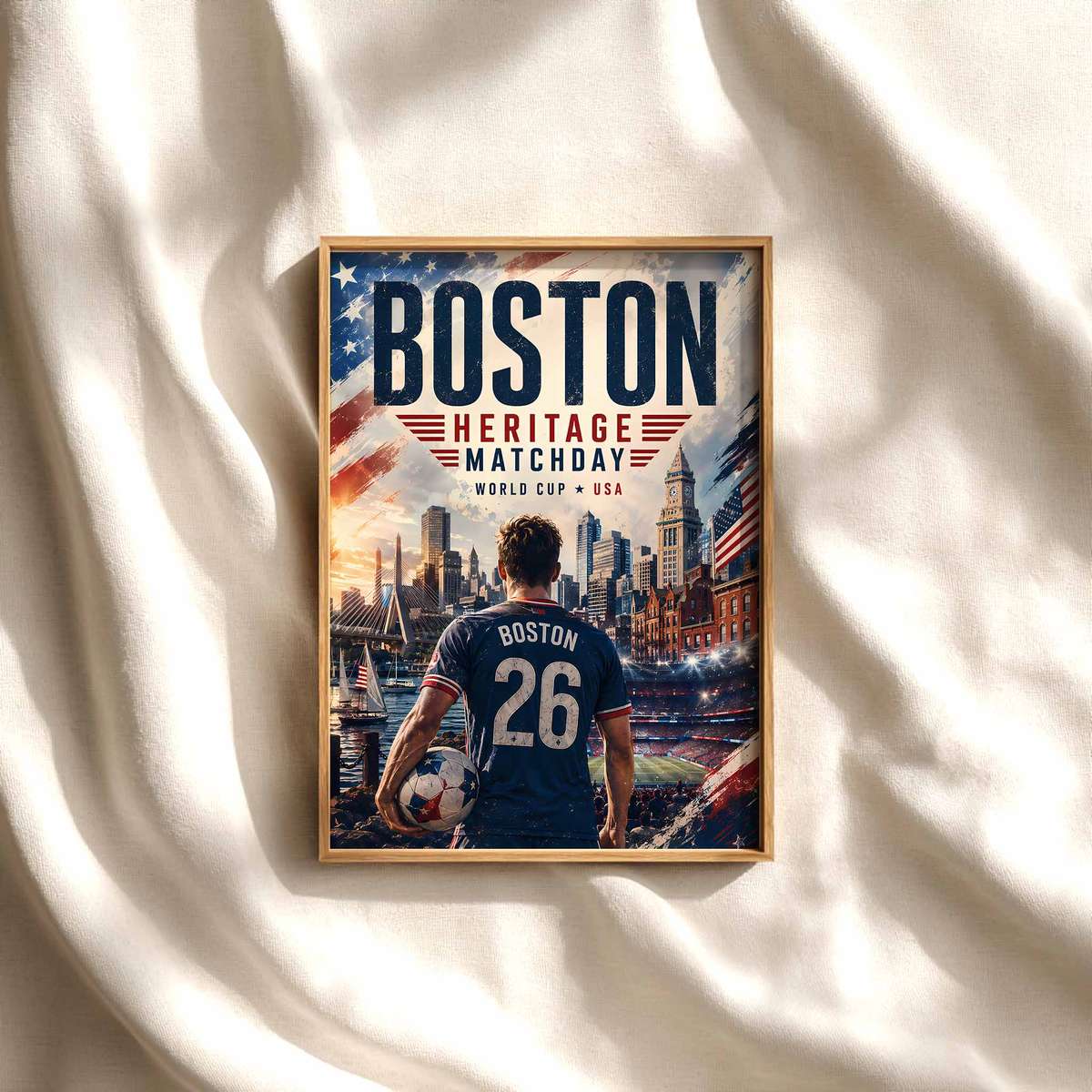
Keepsakes are for long‑term display and memory. Common examples promoted by specialist shops include framed jerseys, custom stadium map or poster prints that include dates or locations, engraved glass trophies or plaques, and custom photo prints. These items are often marketed specifically for end‑of‑season recognition, senior night, coach appreciation, and milestone commemorations because they translate a moment into something the recipient can place on a wall or shelf.
Personalized gifts: make recognition public and specific
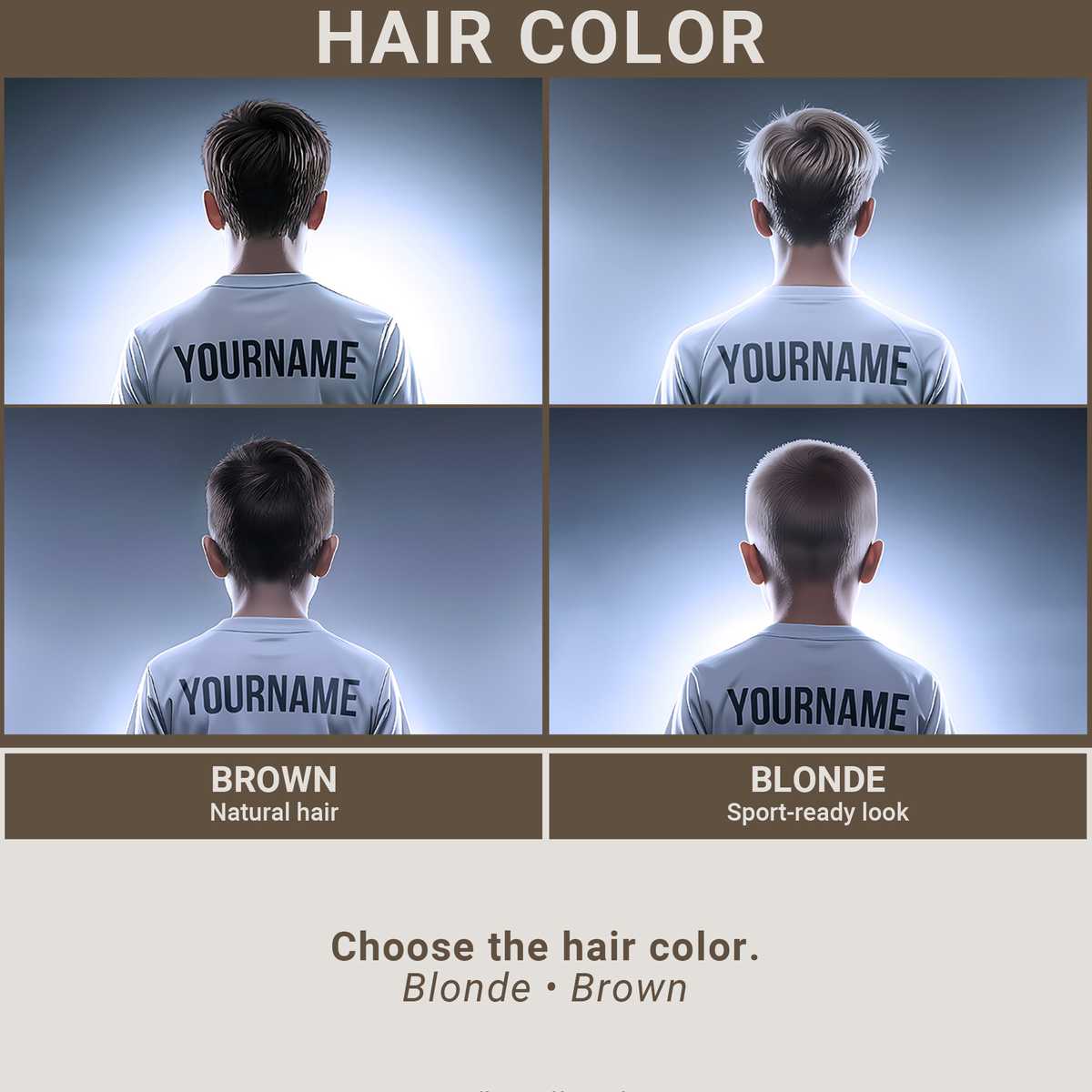
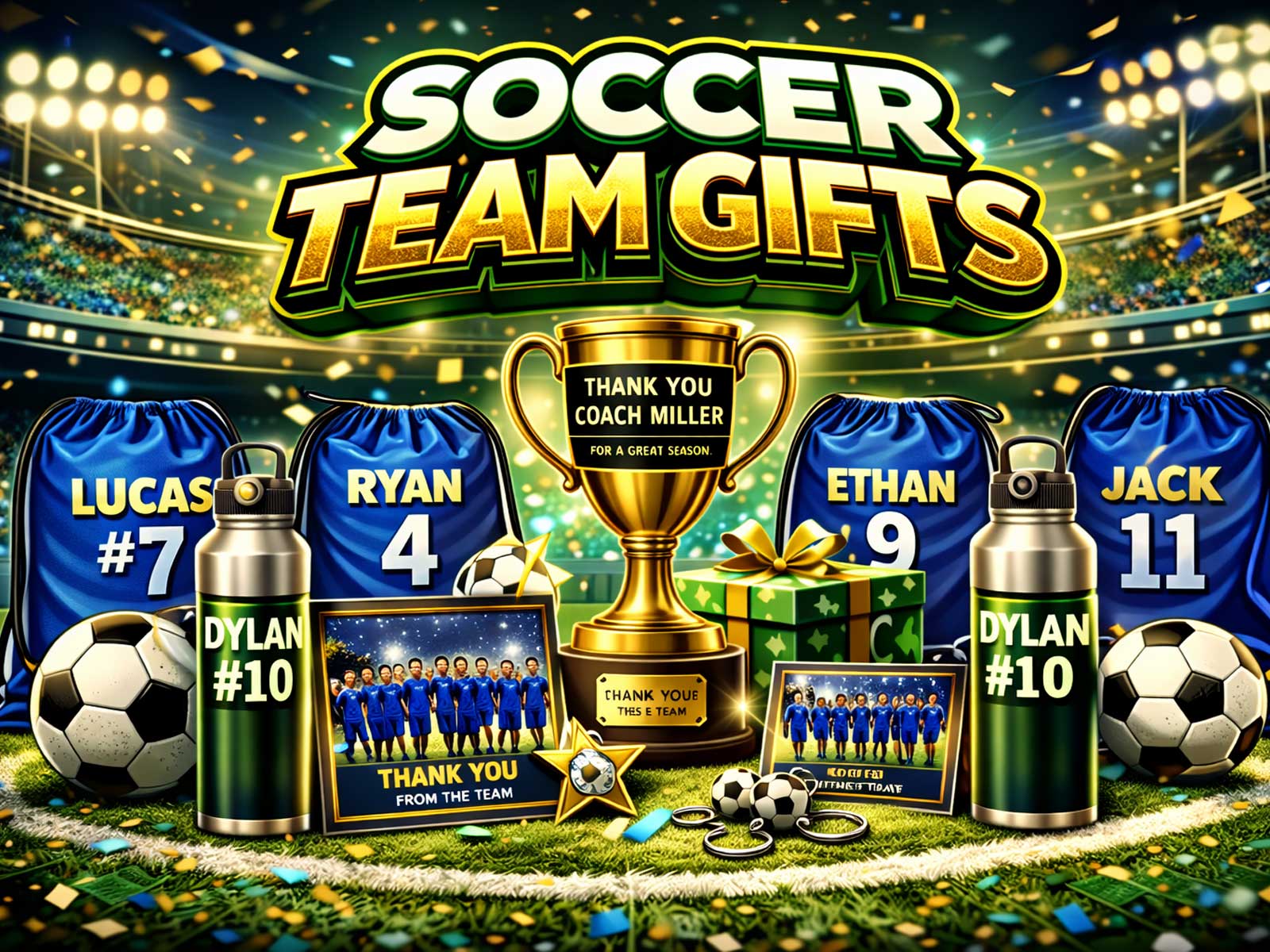
Personalized items — name/number apparel, engraved water bottles or trophies, and custom prints — change the tone of a gift from useful to meaningful. Retailers position engraved or custom pieces as suitable for public recognition moments such as coach presentations, award ceremonies, and senior nights. Personalization signals you noticed who the recipient is and what they achieved, which is why these options are commonly chosen when the gift will be presented in front of a team or crowd.
[IMAGE_INSERT_ARTICLE_01]
Match the gift to the occasion and the giver‑recipient relationship
Think in terms of who is giving the gift and what moment it marks. For everyday support — parents or teammates helping a player on game day — functional match‑day items make sense. For team leaders, boosters, or parents arranging a public recognition, engraved trophies, plaques, or custom prints are frequently recommended by retailers for their ceremony‑ready presentation. Birthdays and holidays can sit between these poles: a practical core item made personal with a name or number.
Why a purpose‑driven guide helps buyers decide
Guides that segment recommendations by use case or emotional purpose make buying intent clearer. Retail and editorial gift lists commonly separate "match‑day essentials," "keepsakes," and "personalized" categories and suggest matching the gift to occasions such as birthdays, end of season, senior night, or coach thank‑yous. That structure reduces guesswork and helps the giver choose an item that fits the relationship, the moment, and the way the recipient will keep or use the gift.
Quick practical tips for curating your guide
Keep a short checklist when you assemble recommendations: identify the recipient type (player, parent, coach, fan), the occasion (game day, season end, senior night), and the emotional aim (help, commemorate, publicly recognize). Use that to prioritize functional items for daily use, keepsakes for display, and personalized options when a public presentation or lasting memory is the goal.
Author: