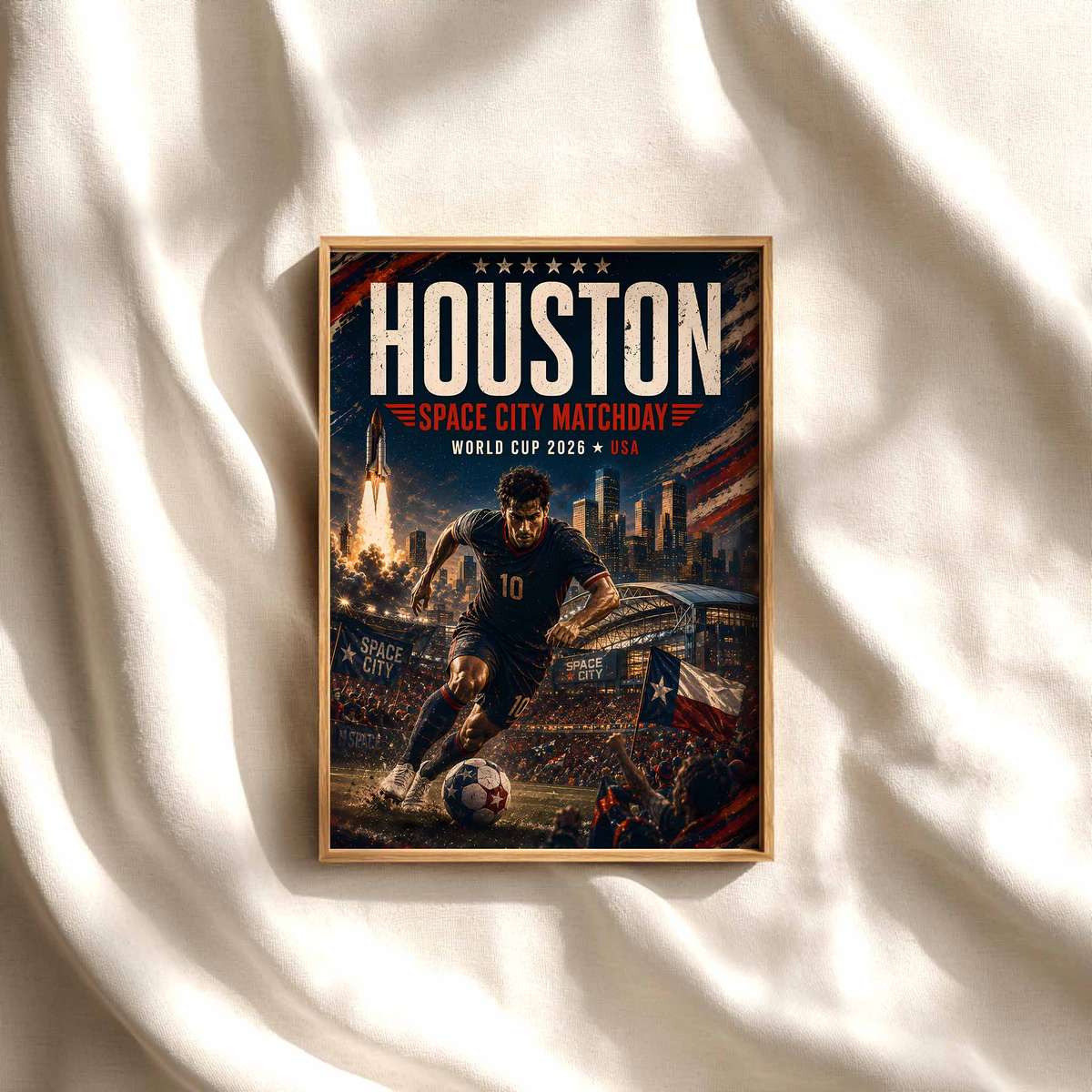
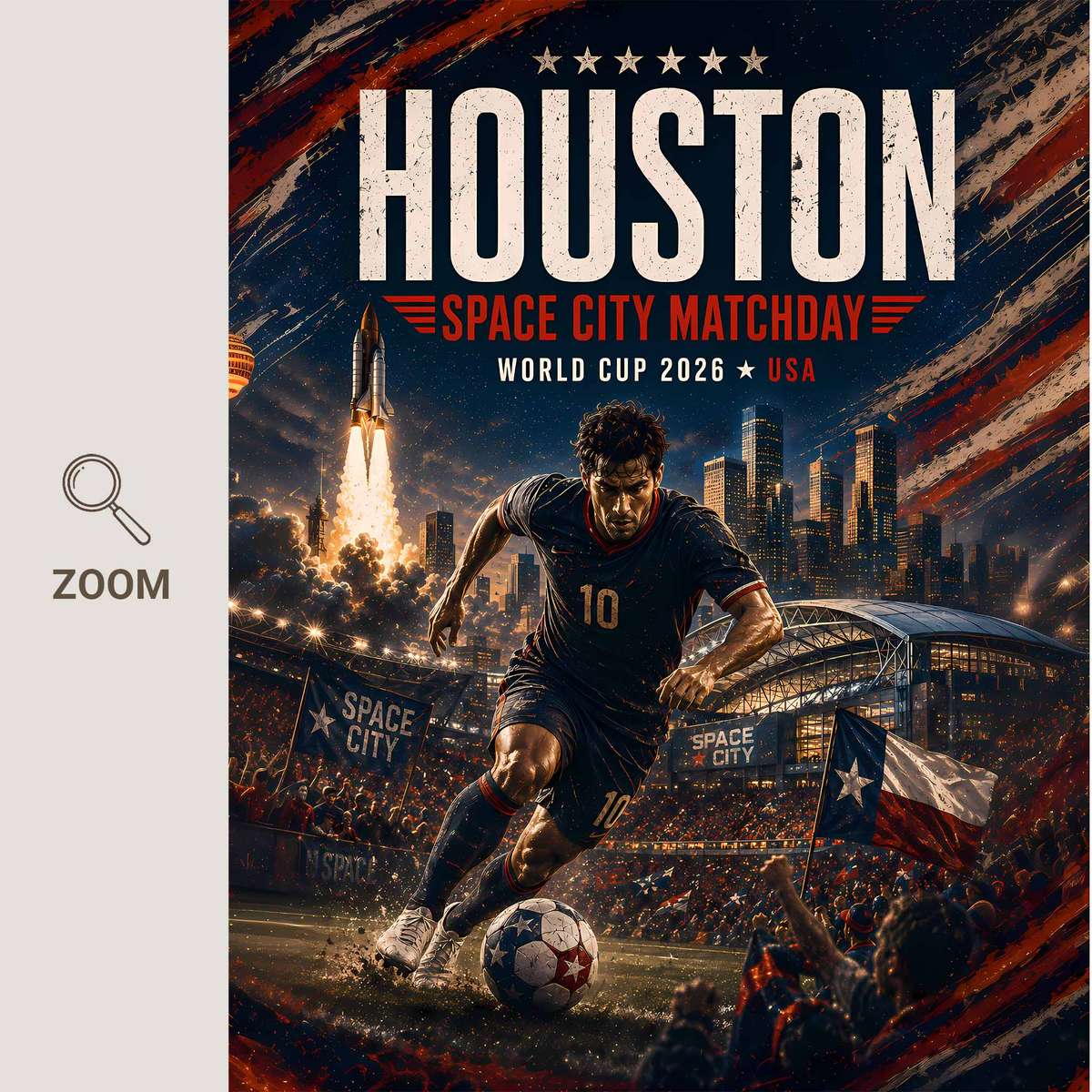
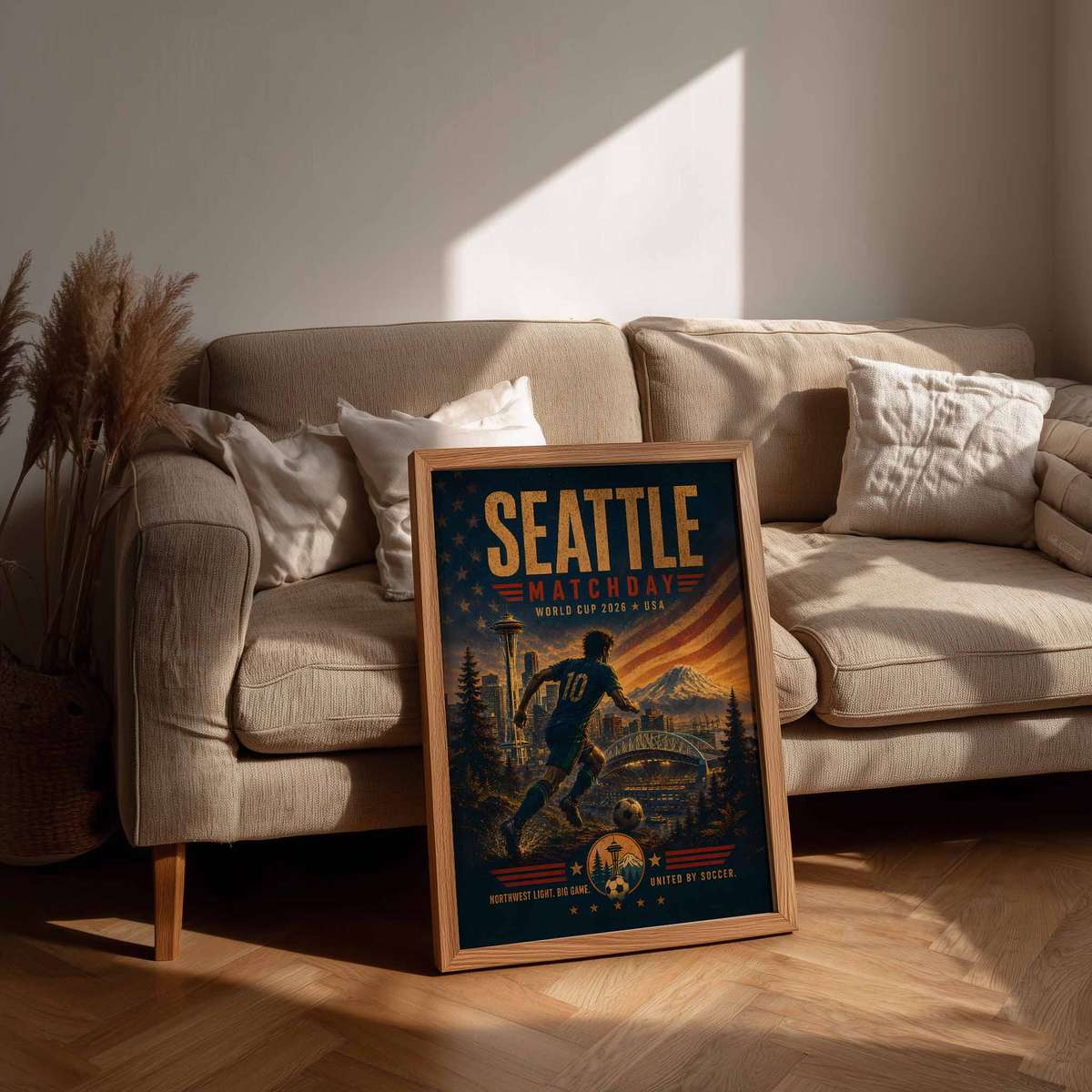
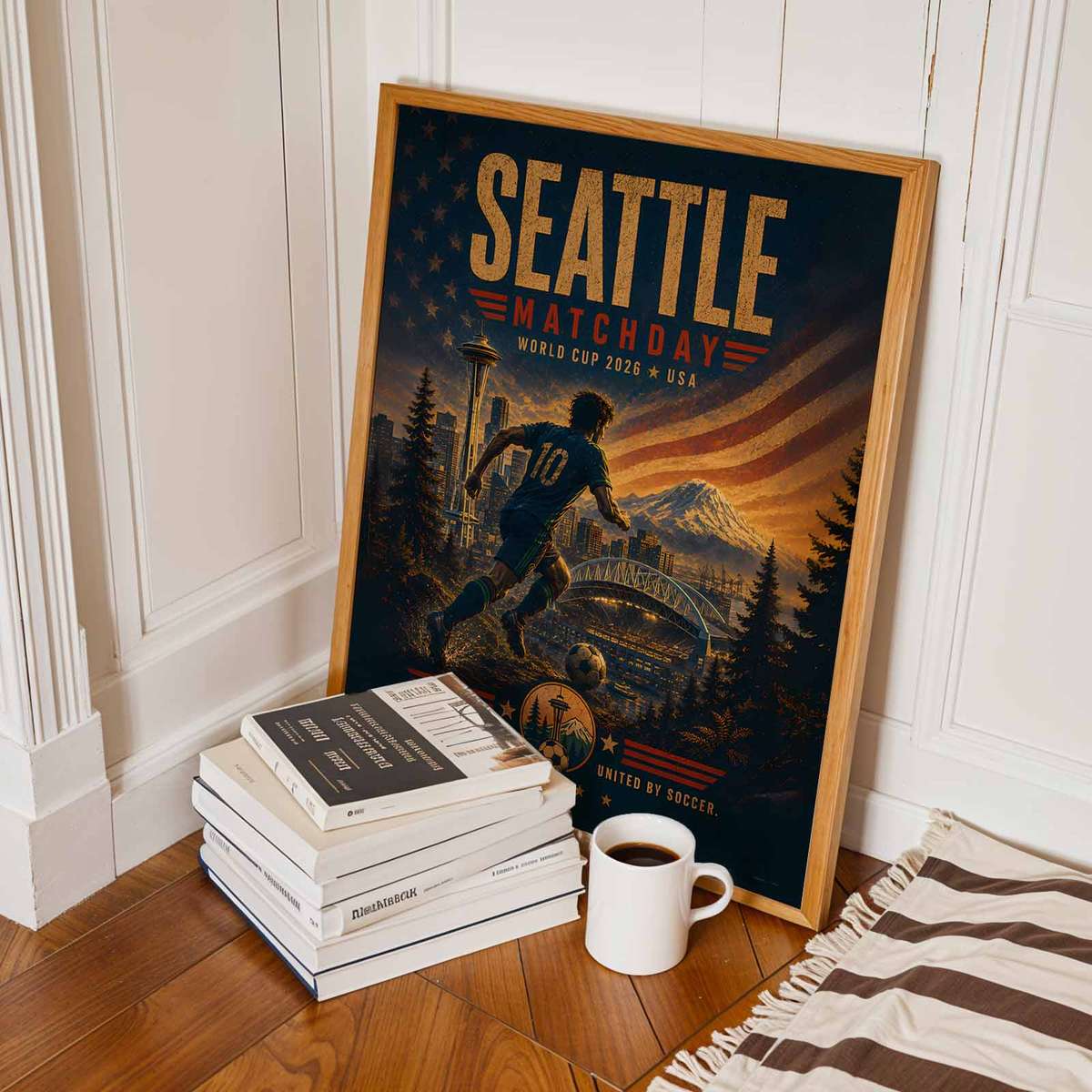
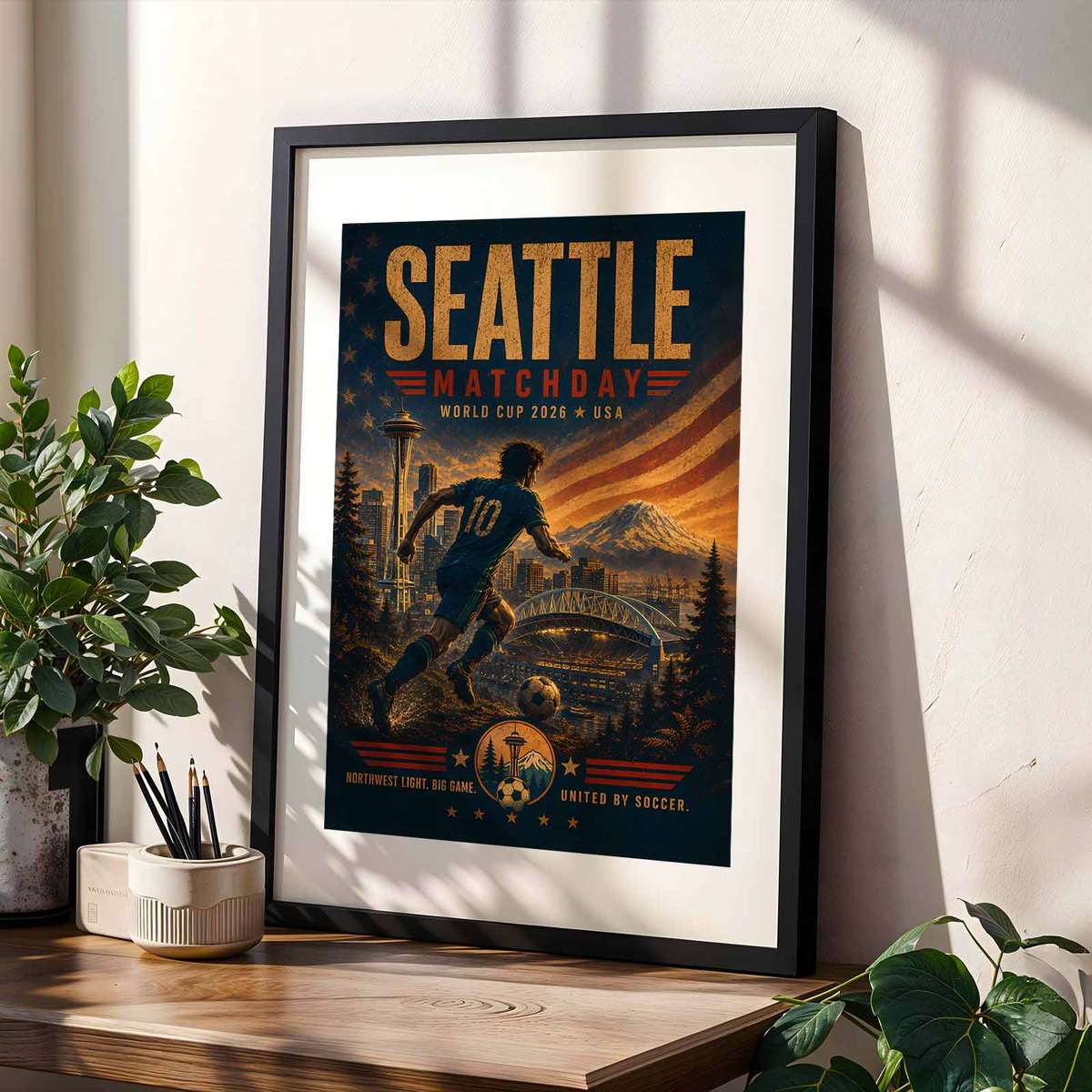
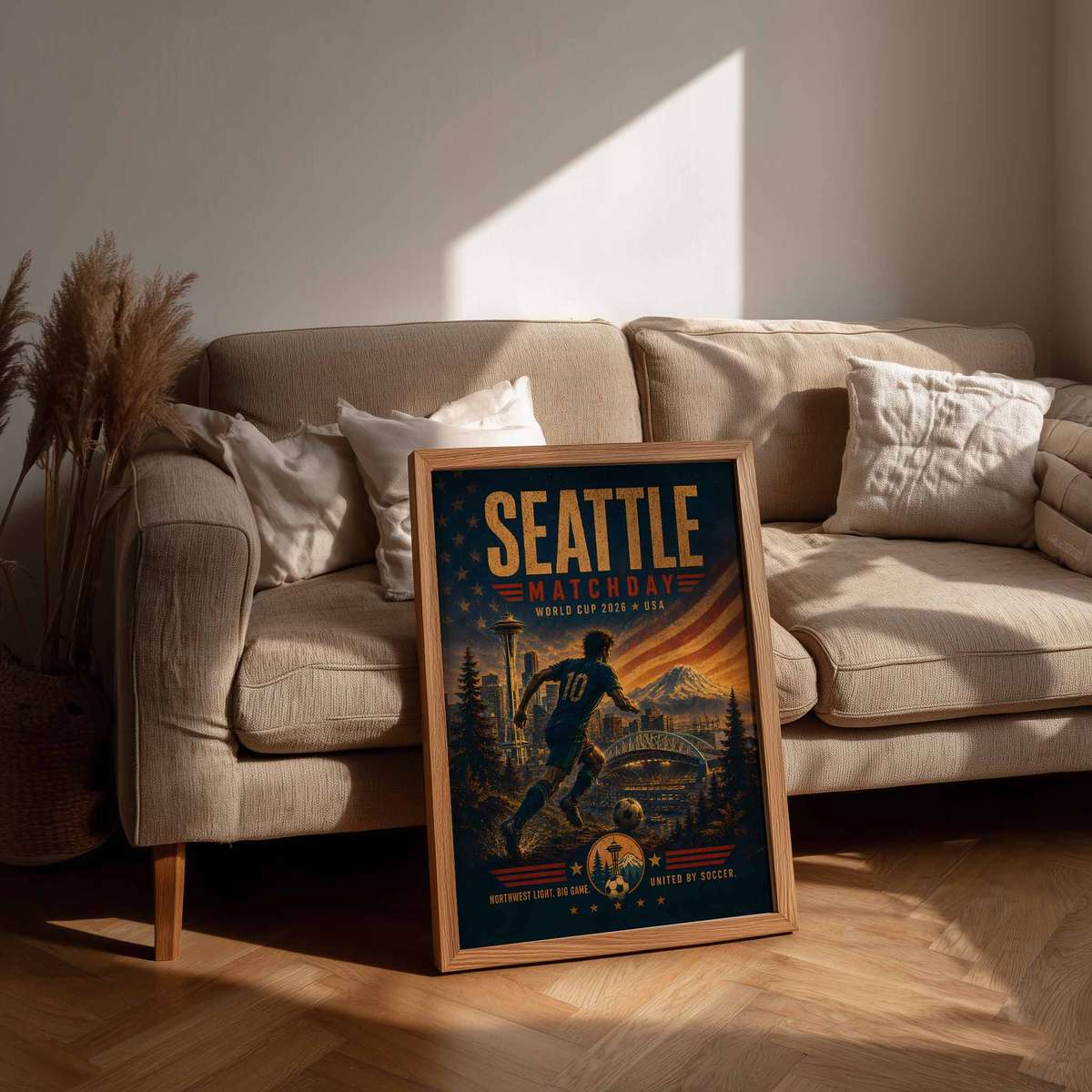
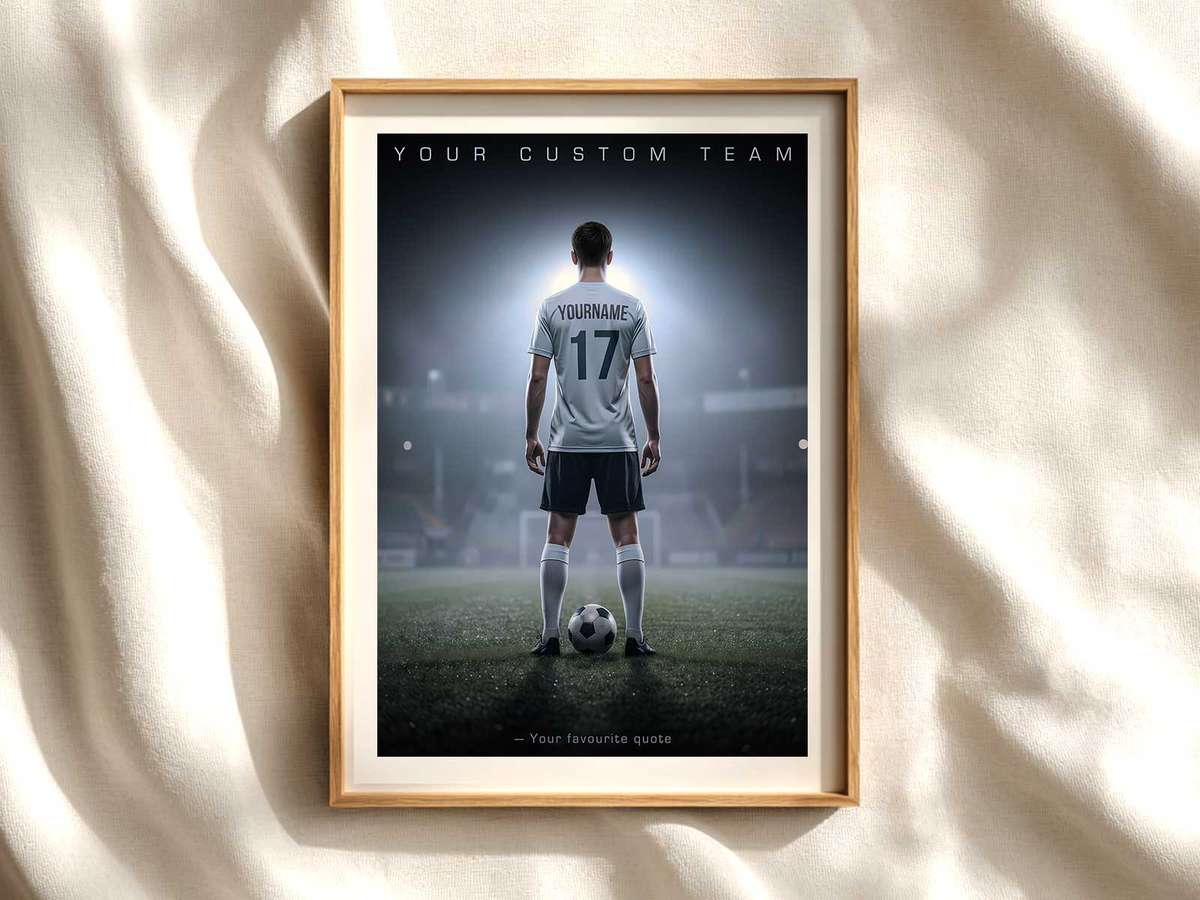
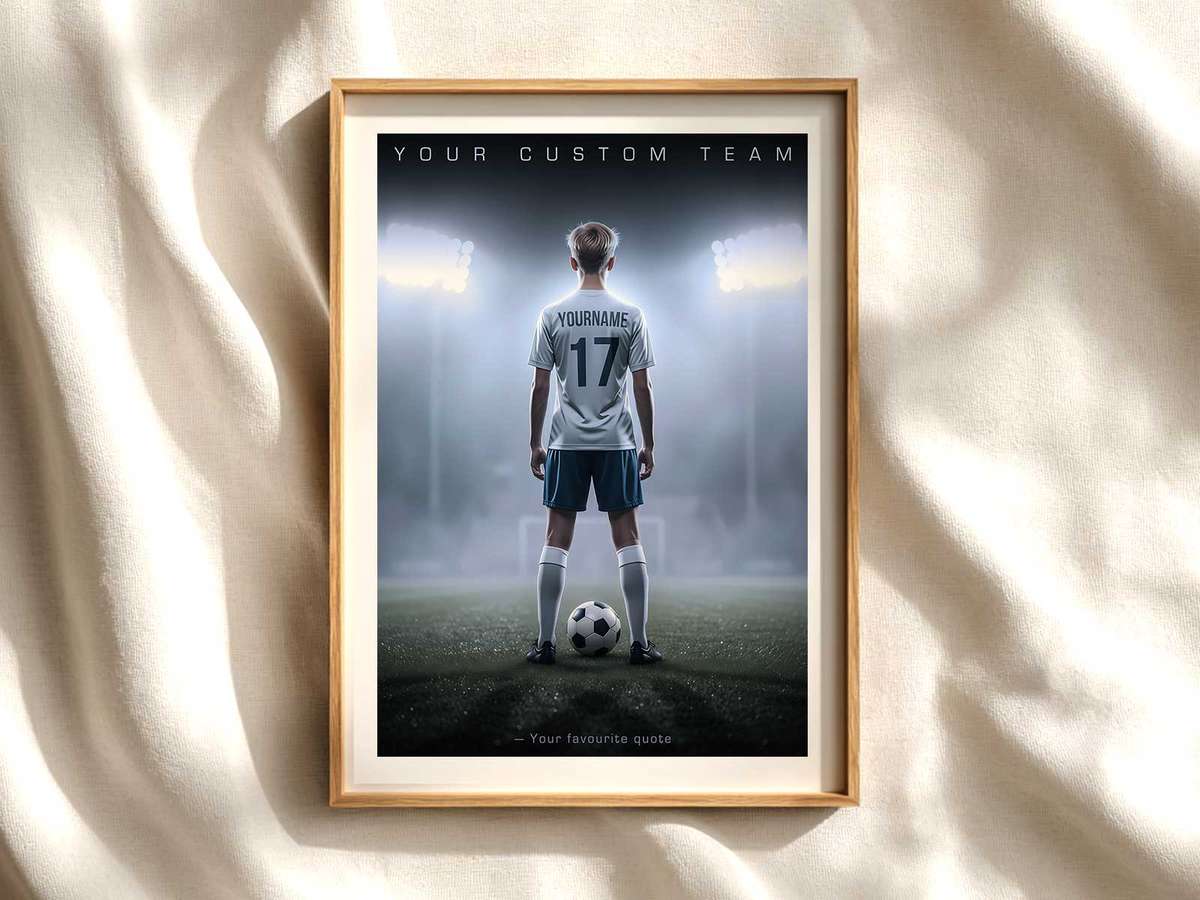
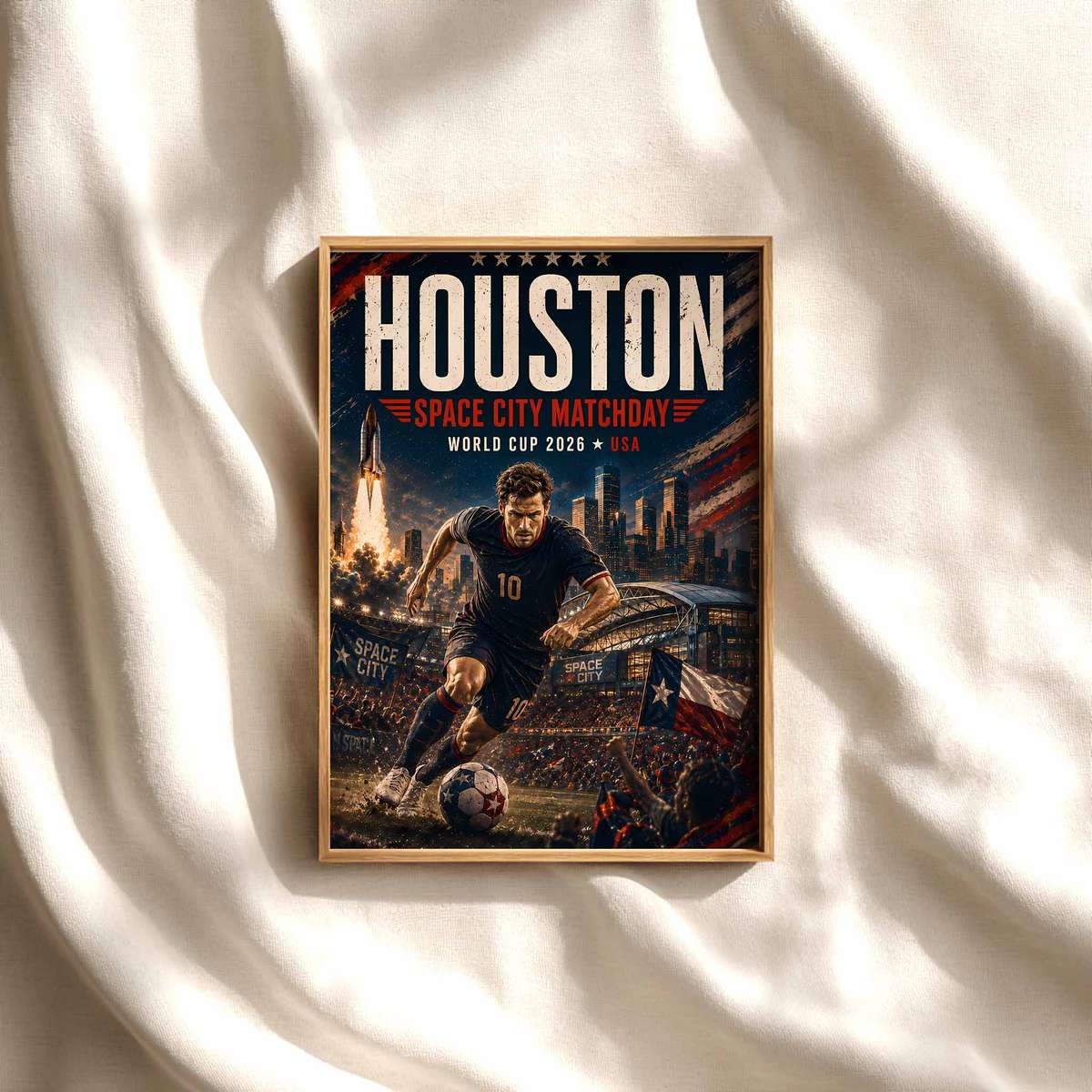
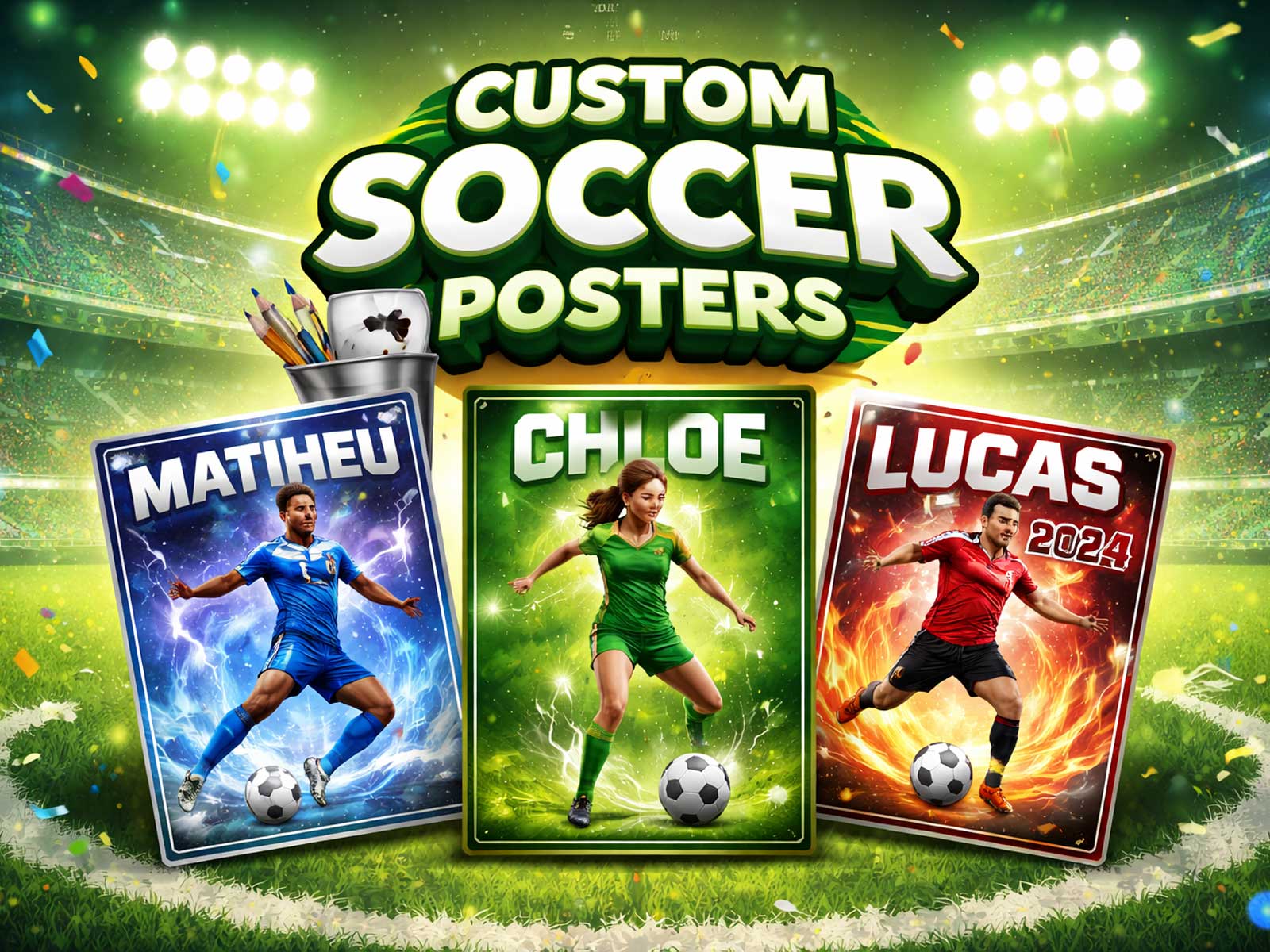
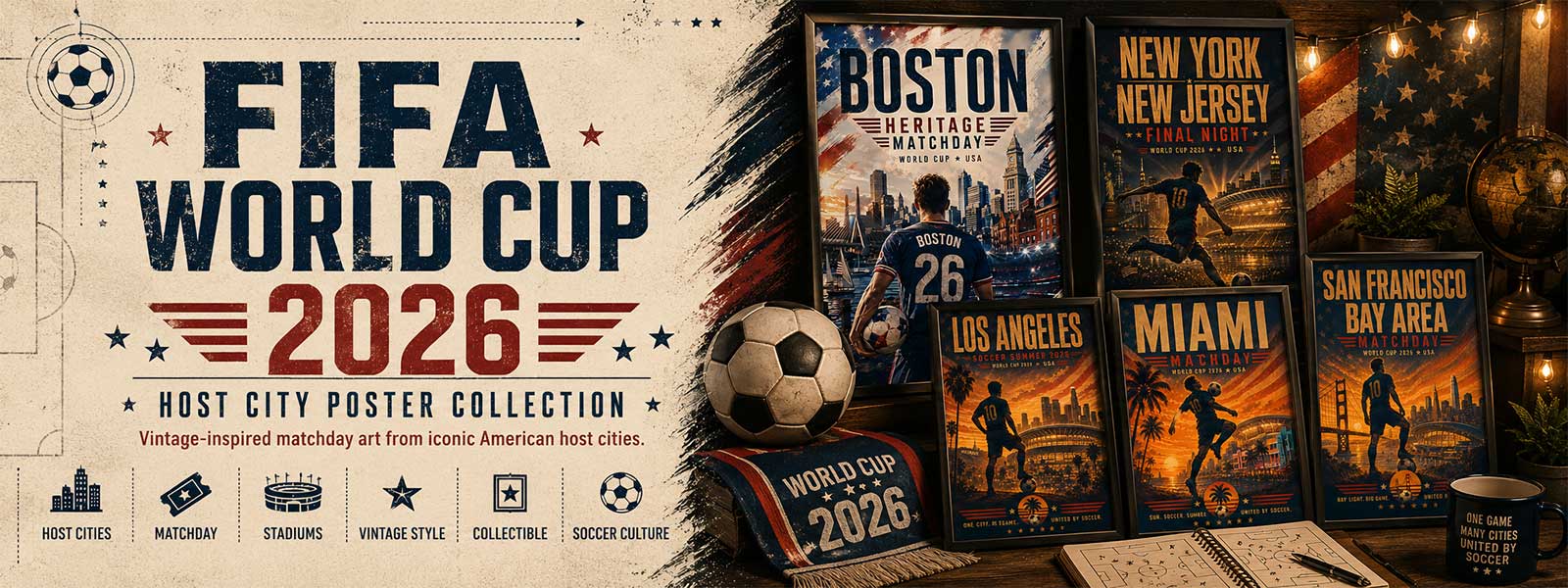
There are moments in sport that feel bigger than a scoreboard: a last-minute goal, a hometown crowd rising as one, the stadium lights folding the city skyline into the frame. A custom World Cup 2026 poster that captures a Seattle match can turn that kinetic, temporary energy into a quiet, permanent object that belongs on a bedroom wall, in a family room, or inside a team locker area.
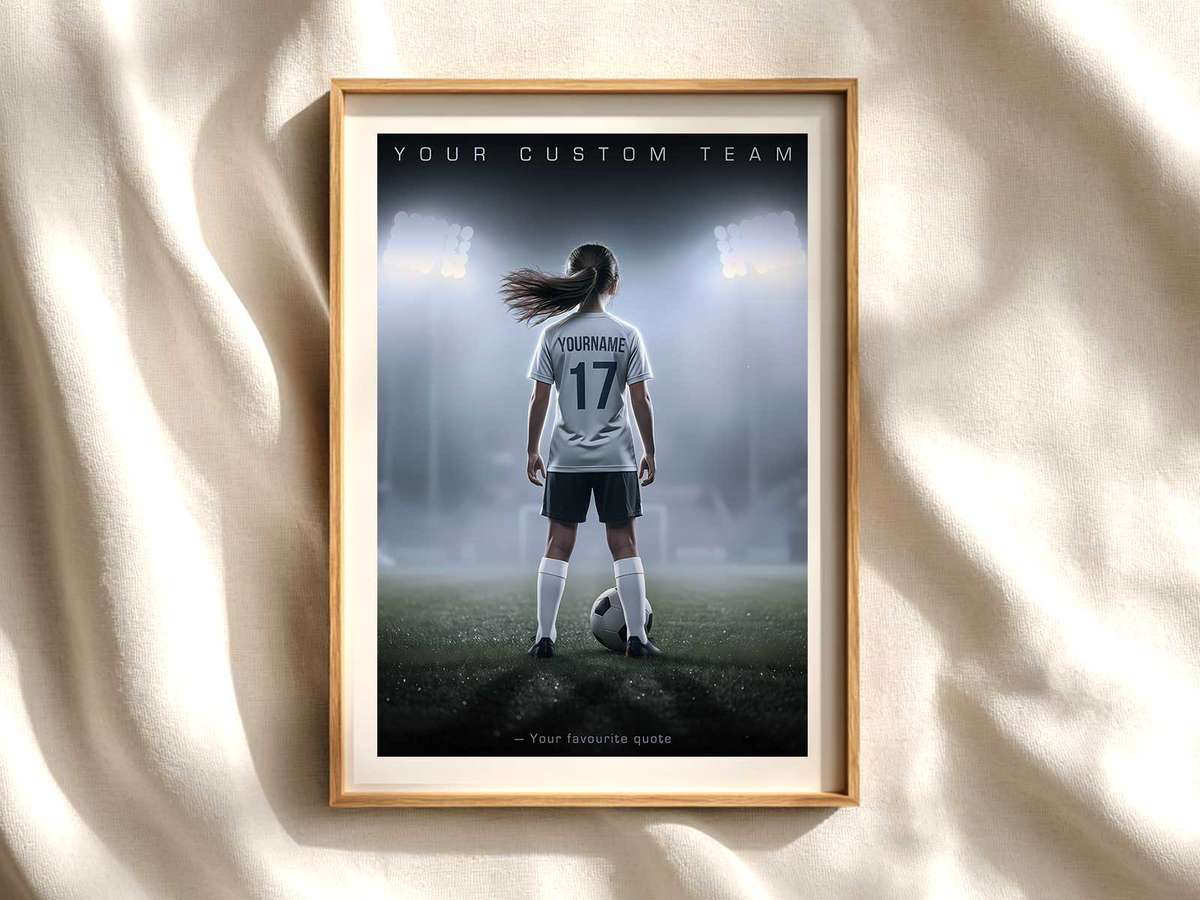
What makes a personalized poster more than a generic print is how it pins identity to memory. When the poster includes a player’s name and number, a team color palette, and a hint of Seattle’s skyline or the stadium lights at night, it does two things at once: it records a specific season and it links that season to a person. For a youth player who spent a year learning a new position or for a parent who never missed a match, that single image becomes shorthand for effort, growth, and pride.
Think about where the piece lives. In a teenager’s bedroom it reads as a marker of who they were at seventeen — the striker who scored the semifinal winner, the captain who learned to lead. In a family room it becomes a conversation starter, an accessible way to share a story about a cold evening in Seattle when everyone stayed late for the final whistle. In a coach’s office or team corridor the poster functions as recognition: a visual nod to a season that mattered.
There is an important visual logic to why these posters work. Clean, bold soccer imagery—silhouettes in motion, a focused portrait, contrasted with an architectural skyline and the glow of final-night lights—translates clearly at wall scale. The human eye reads name, number, and color instantly, so these elements do heavy lifting: they make the image personal without requiring an explanation. That immediacy is what elevates a keepsake-style poster above an anonymous sports print.
More than decoration, a custom World Cup 2026 poster in the Seattle context becomes a marker of place. Seattle’s recognizable profile—whether hinted at with a spire, bridge, or an evening glow—anchors the memory geographically. For American teams and fans, that local anchor adds another layer of pride: this was not just any match, it was our city’s night on a global stage. The poster holds that dual identity of local belonging and global sport.
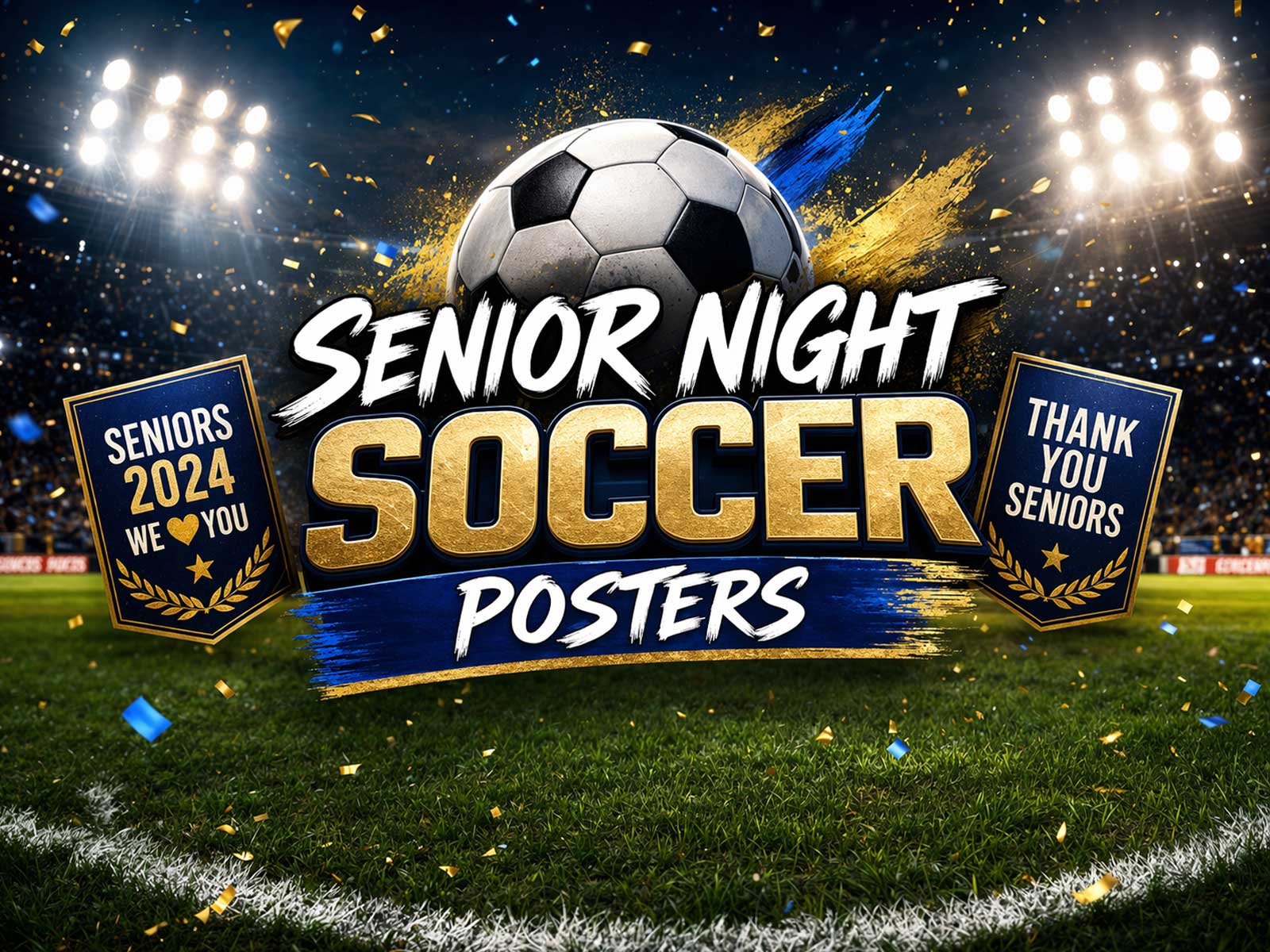
When giving this kind of poster as a gift, specificity matters. A parent might commission a piece after senior night, choosing a photo of their child mid-celebration with season dates and the team name. A coach might present a poster to the starting eleven after a tournament, using a shared team photo and the year as a keepsake of a particular campaign. These choices transform the poster into a marker of relationship — from parent to player, from coach to team — which is why it carries emotional weight beyond aesthetics alone.
Finally, these posters age with the player in a meaningful way. Years down the road the image doesn’t merely decorate a wall; it prompts memory of how the player trained, who they were with, and what that season felt like. A well-composed poster respects that lifespan: it keeps the moment readable and honest, so the story it holds remains clear whether it hangs in a dorm room, a living room, or a coaching office.
In short, a Seattle World Cup 2026 poster becomes an icon when it combines clear visual design with personal details and a strong sense of place. It is not only about celebrating a match but about preserving a particular chapter in a player’s or a fan’s story—a visual anchor that turns a night of light, sound, and shared pride into a lasting mural of memory.