Soccer Foul Explained: What Counts, How Referees Judge, and Why Fouls Change…
A foul in soccer is one of the core match moments that changes possession, sets up free kicks or penalties, and can alter momentum. This guide explains what counts as a foul under Law 12, when contact is legal, how referees judge challenges, and why fouls matter tactically and for teams, players, and families.
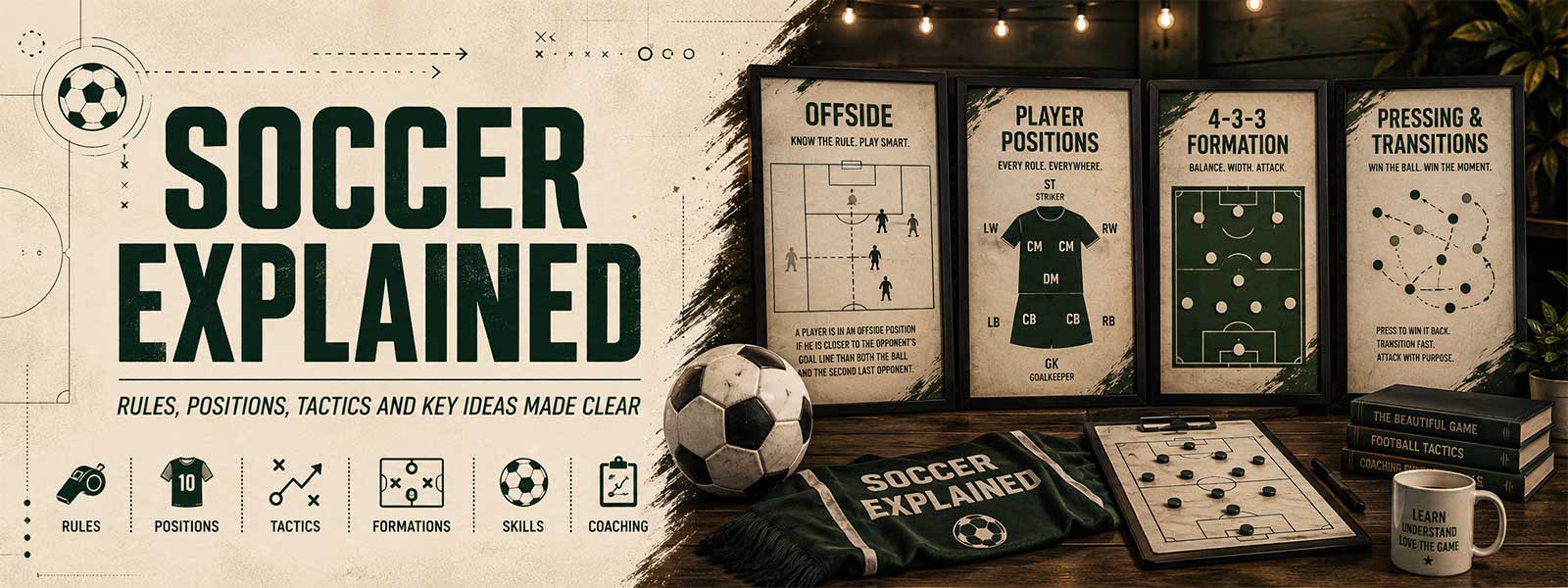
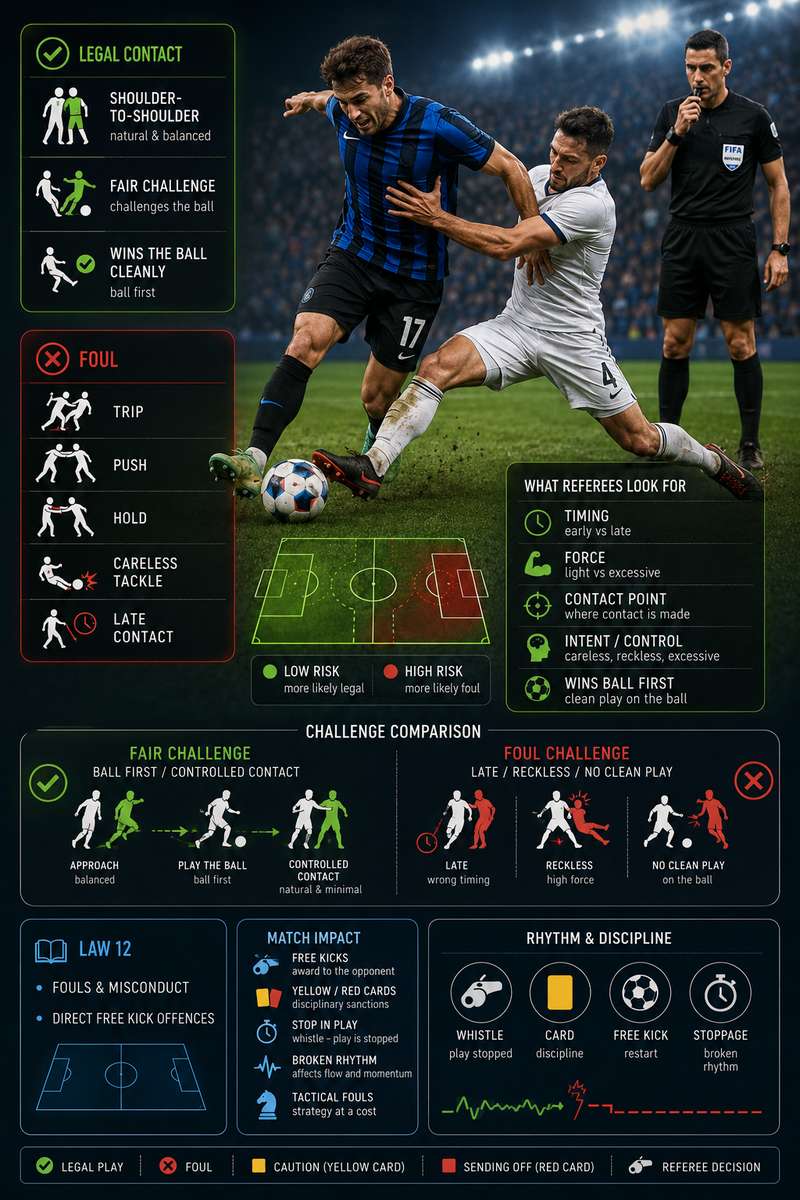
Quick summary: Law 12 of the IFAB Laws of the Game lists foul offences. Direct free-kick offences include kicking, tripping, charging, striking, pushing, careless/reckless/excessive tackles, and deliberate handball. Referees grade contact as careless, reckless, or using excessive force to decide sanctions.
Quick access: Definition • Referee judgement • Match rhythm
CLEAR DEFINITION
Under Law 12 of the IFAB Laws of the Game, a foul is an action by a player that the Laws identify as an offence and that unfairly affects play. The Law lists direct free-kick offences—often called penal fouls—including kicking, tripping, charging, striking, pushing, tackling an opponent carelessly, recklessly or using excessive force, and deliberate handball. When one of these offences occurs inside the offending player's penalty area, the restart is a penalty kick in standard adult soccer.
HOW IT WORKS
Contact is not automatically a foul. Legal contact—often called a "fair challenge"—happens when a player makes a lawful attempt to play the ball without careless, reckless or excessive use of force. A clean tackle that wins the ball can be lawful even if the opponent falls. Some infringements are technical or non-contact and are punished with indirect free kicks, for example dangerous play or impeding an opponent without contact.
RULES AND REFEREEING: HOW REFEREES JUDGE CHALLENGES
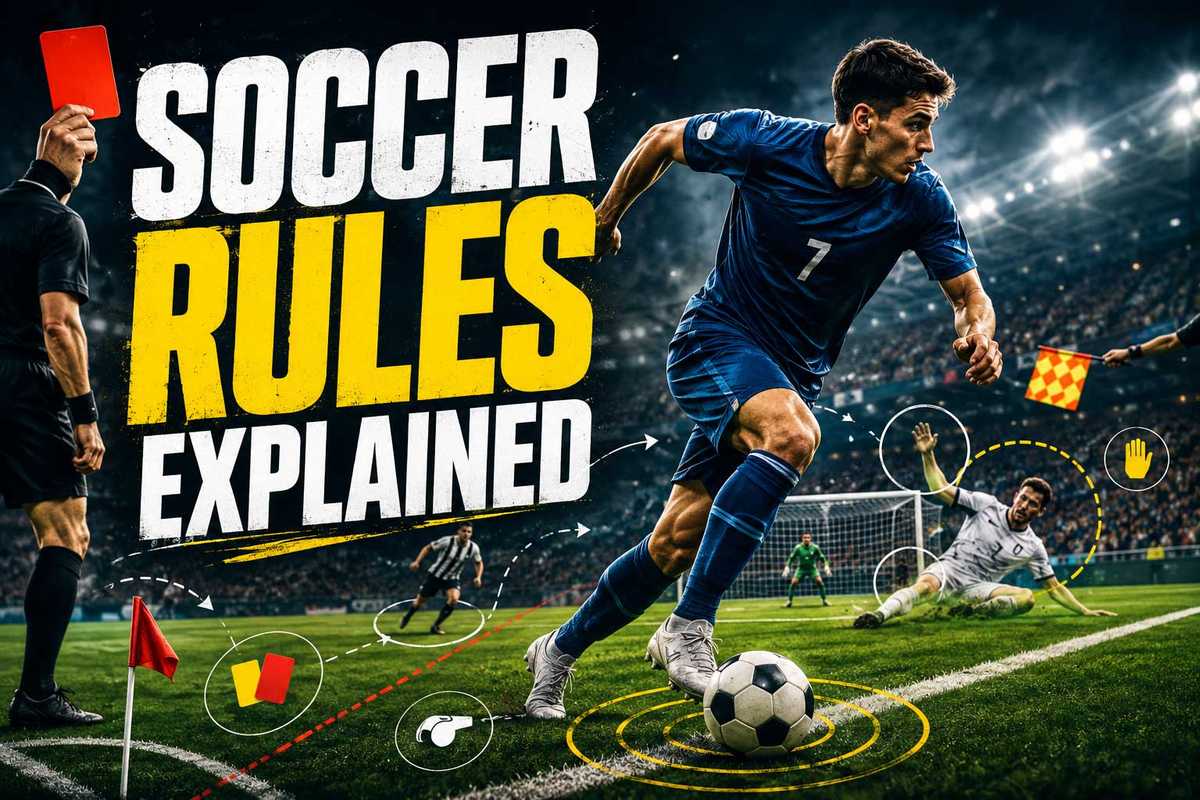
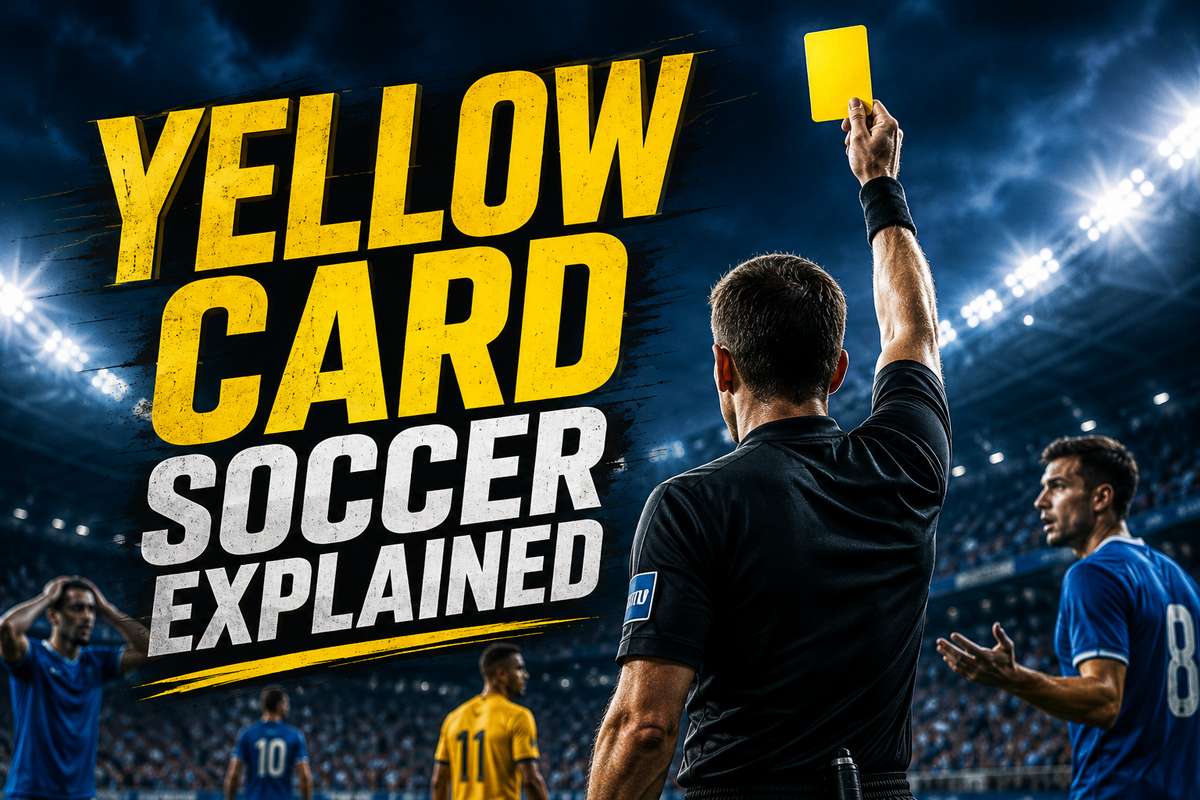
Referees use three subjective gradings to judge contact: careless, reckless, and using excessive force. These gradings guide whether a foul is called and what disciplinary sanction follows. Careless play may result in a free kick without a card; reckless actions typically earn a caution (yellow card); and excessive force or serious foul play can lead to a send-off (red card). Disciplinary outcomes follow the categories laid out in Law 12.
The referee may play advantage when the team offended against benefits from continuing play. If the expected advantage does not materialize within a few seconds, the referee can stop play and penalize the original offence. Advantage is not normally applied for serious foul play, violent conduct, or a second cautionable offence unless a clear opportunity to score exists.
RESTARTS: DIRECT, INDIRECT, AND PENALTIES
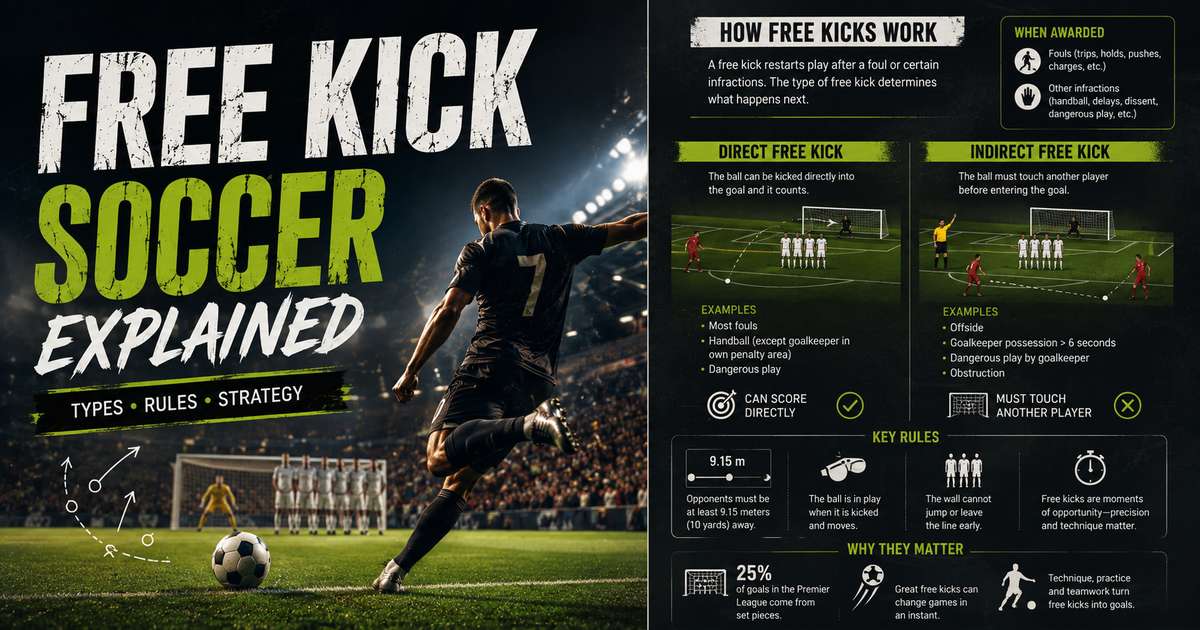
When a direct free-kick offence occurs, the non-offending team receives a direct free kick; if the foul happened in the penalty area of the offender, the restart is a penalty kick in standard adult soccer. Indirect free kicks are awarded for offences such as dangerous play or impeding without contact, and you cannot score directly from an indirect free kick. If a player is sent off for a sending-off offence, the referee shows a red card and the player leaves the field; if the player interferes after an offence before play is stopped, the referee follows the Laws for the appropriate restart.
WHY FOULS MATTER IN SOCCER: TACTICS AND MATCH RHYTHM
Fouls interrupt momentum and can be used tactically. Analysis and commentary describe tactical fouling—sometimes called "taking a foul"—as a deliberate way to stop a promising attack and allow the defending team to reset shape. Repeated stoppages change tempo, disrupt pressing sequences, and alter transitions from attack to defense. Coaches and players plan for these effects: attackers try to draw fouls in dangerous positions, while defenders may accept a tactical foul to prevent a quick break.
TRAINING AND YOUTH SOCCER CONTEXT
In many youth formats, refereeing advice echoes Law 12 but is applied with attention to player development and safety. Coaches teach young players what a fair challenge looks like, how to time tackles, and how to avoid reckless play. Drills that emphasize controlled tackling, body position, and decision-making reduce careless contact and help players stay on the field rather than incur cautions or dismissals.
TEAM CULTURE, RECOGNITION, AND SOCCER ART
Fouls and memorable match moments shape season memories that teams celebrate. For seniors, decisive fouls or dramatic tackles can become part of highlight reels and senior night storytelling. Custom soccer posters and team wall art often capture a player's defining moments—clean tackles, match-winning defensive plays, or key arrests of opposition attacks—linking rule-aware appreciation with player recognition. Posters that note the game moment and the player's role can help families and teams remember how disciplined defending or brave tackling contributed to the season.
COMMON MISUNDERSTANDINGS
Beginners often assume any contact equals a foul. The Laws emphasize intent and degree: a fair challenge that plays the ball cleanly is legal even if the opponent falls. Television angles and crowd reaction can mislead viewers about whether a tackle was careless, reckless, or excessive. Remember that only the referee on the field applies the subjective gradings and that disciplinary sanctions follow the gradings set out in Law 12.
READER VIEWING GUIDE: WHAT TO WATCH FOR
When watching a match, look at the tackler's eyes, body position, and follow-through: are they making a play on the ball or swinging at the player? Note the speed and force of the challenge—this helps distinguish careless from excessive force. Watch how the referee applies advantage and whether play is stopped quickly for a stoppage; that timing often signals how serious the original foul was judged.
CLOSING INTERPRETATION
Understanding fouls under Law 12 gives fans, parents, and players clearer sightlines into refereeing decisions and match tactics. Fouls are not only rule infractions; they are tactical tools, safety concerns, and memorable moments that shape games and seasons. Knowing when contact is legal, how referees judge challenges, and how fouls affect rhythm helps teams play smarter and helps supporters appreciate the decisions that shape match outcomes.
Author: Cynthia D.