Senior Night is one of those evenings when a stadium full of familiar faces pauses to recognize an individual’s years of commitment. Posters prepared for the ceremony do more than decorate: they focus attention, tell a player’s story in a few striking elements, and become a tangible memory afterwards. Below are creative, emotionally intelligent poster ideas for soccer Senior Night that teams, families, and event organizers can use to make the recognition feel clear, personal, and lasting.
Why Senior Night Stands Apart
Unlike a regular game, Senior Night is a ritual with emotional stakes. The crowd expects celebration and reflection: coaches often speak, teammates line up, and families gather. A well-designed poster helps the audience instantly register who is being honored and why that player matters—on-field role, leadership, or simply longevity. It becomes the visual anchor of the moment.
Key Elements That Make a Poster Personal
A few carefully chosen details turn a sign into a tribute. Consider combining these elements rather than overcrowding the layout:
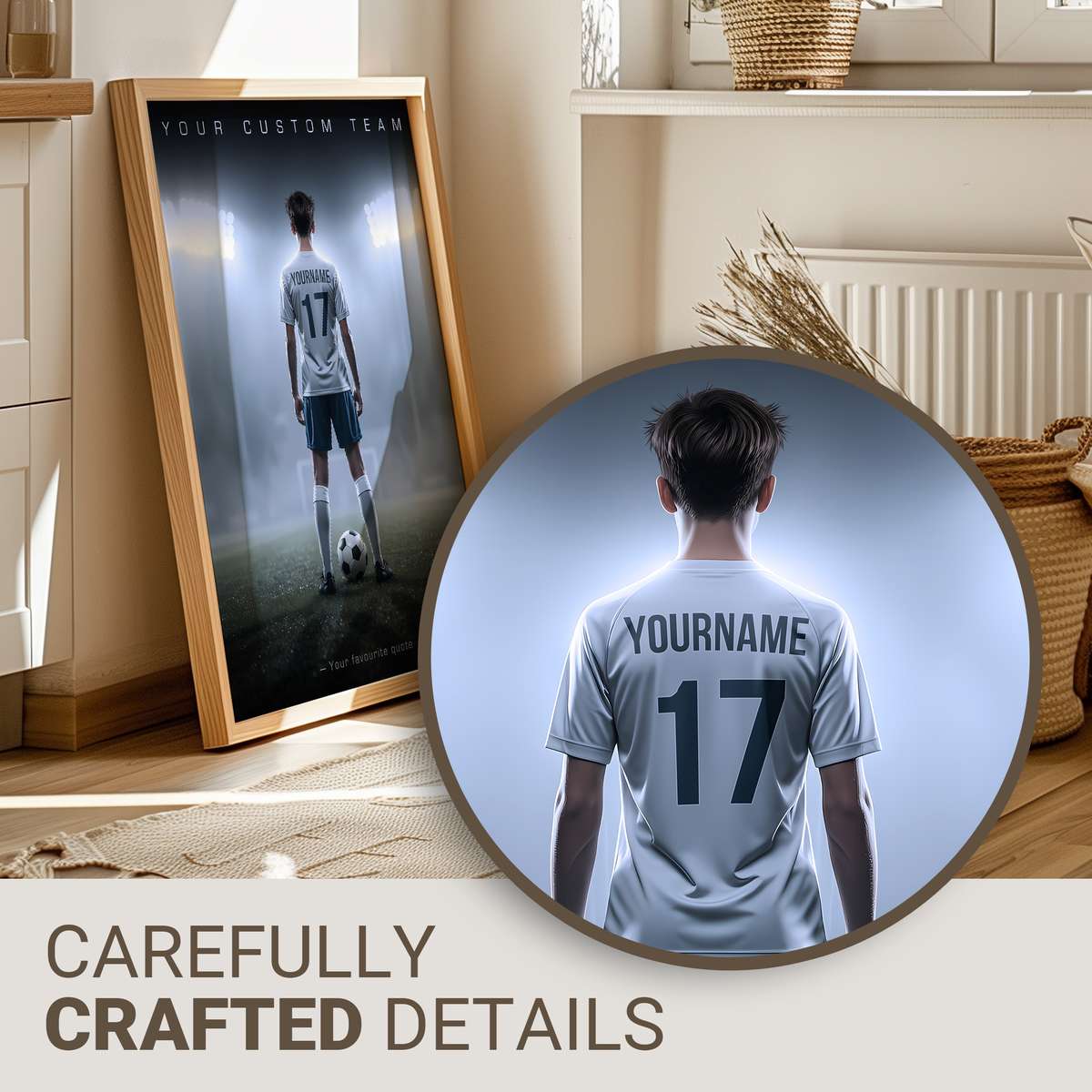
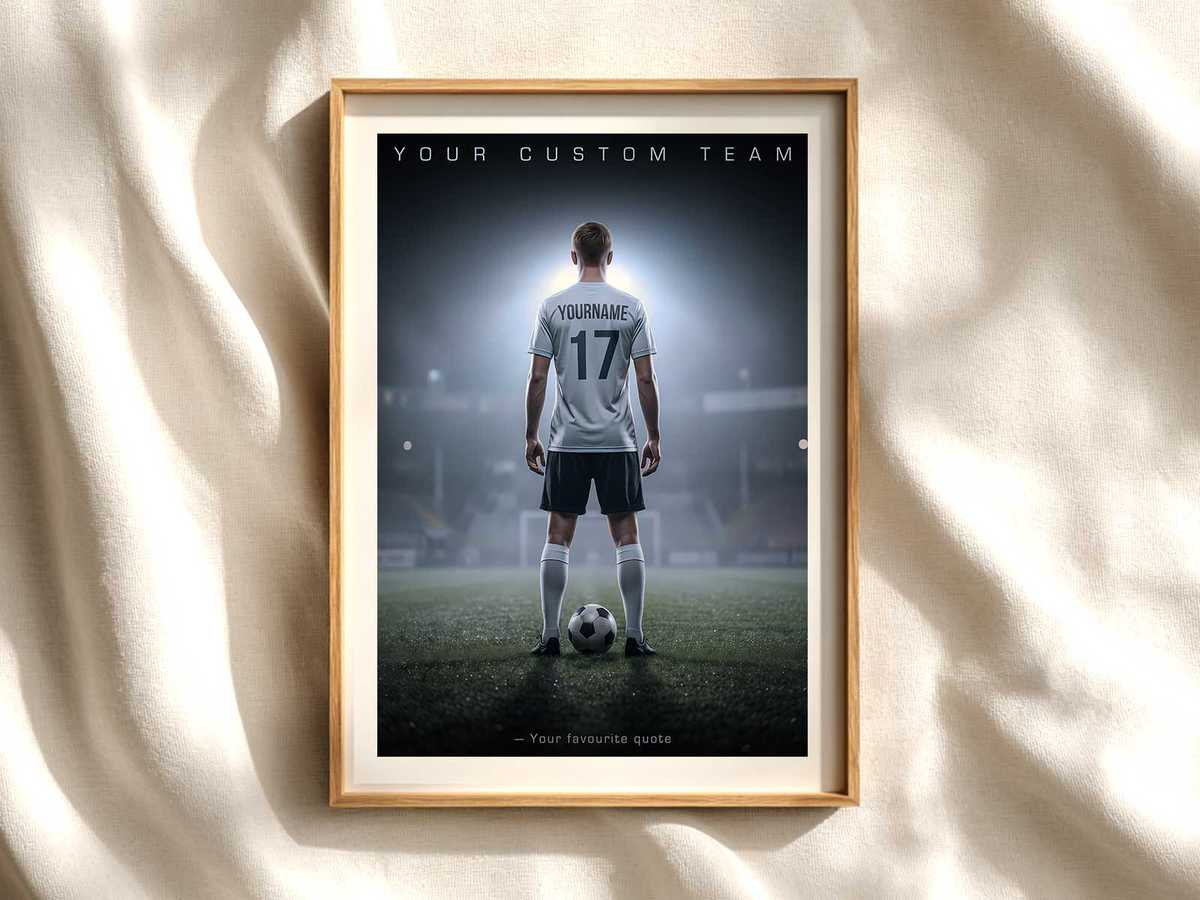
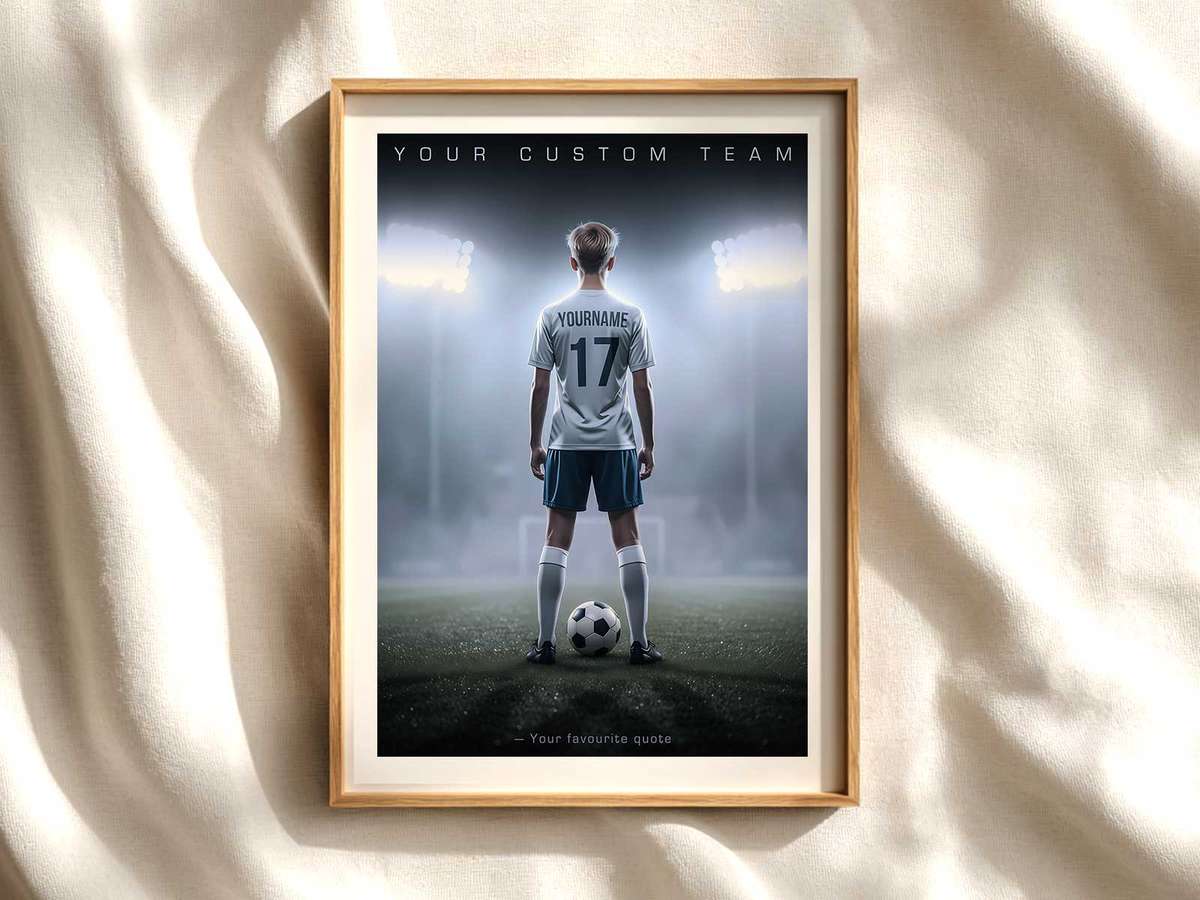
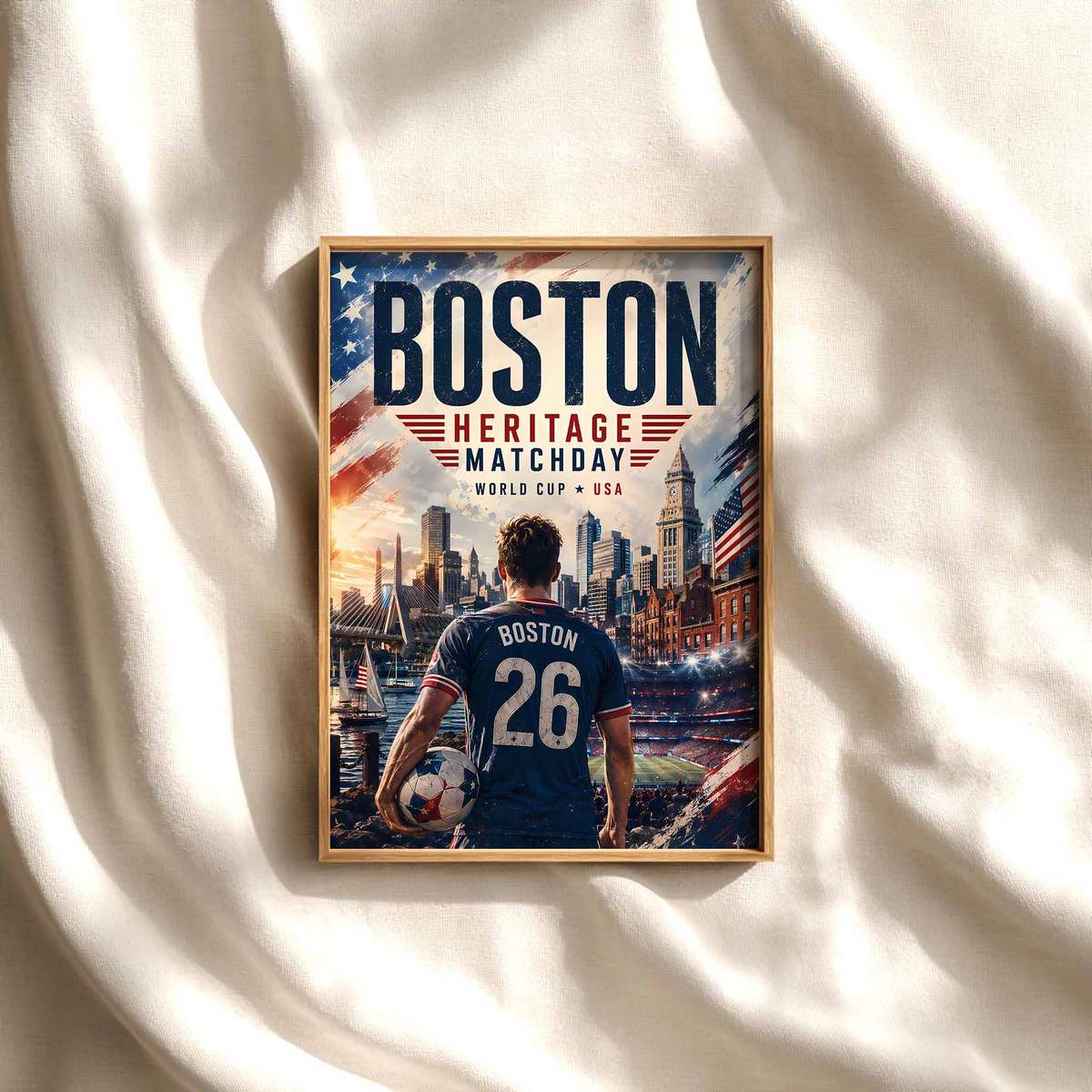
- Name and Number: Large, readable typography keeps the player’s identity front and center for photos and applause.
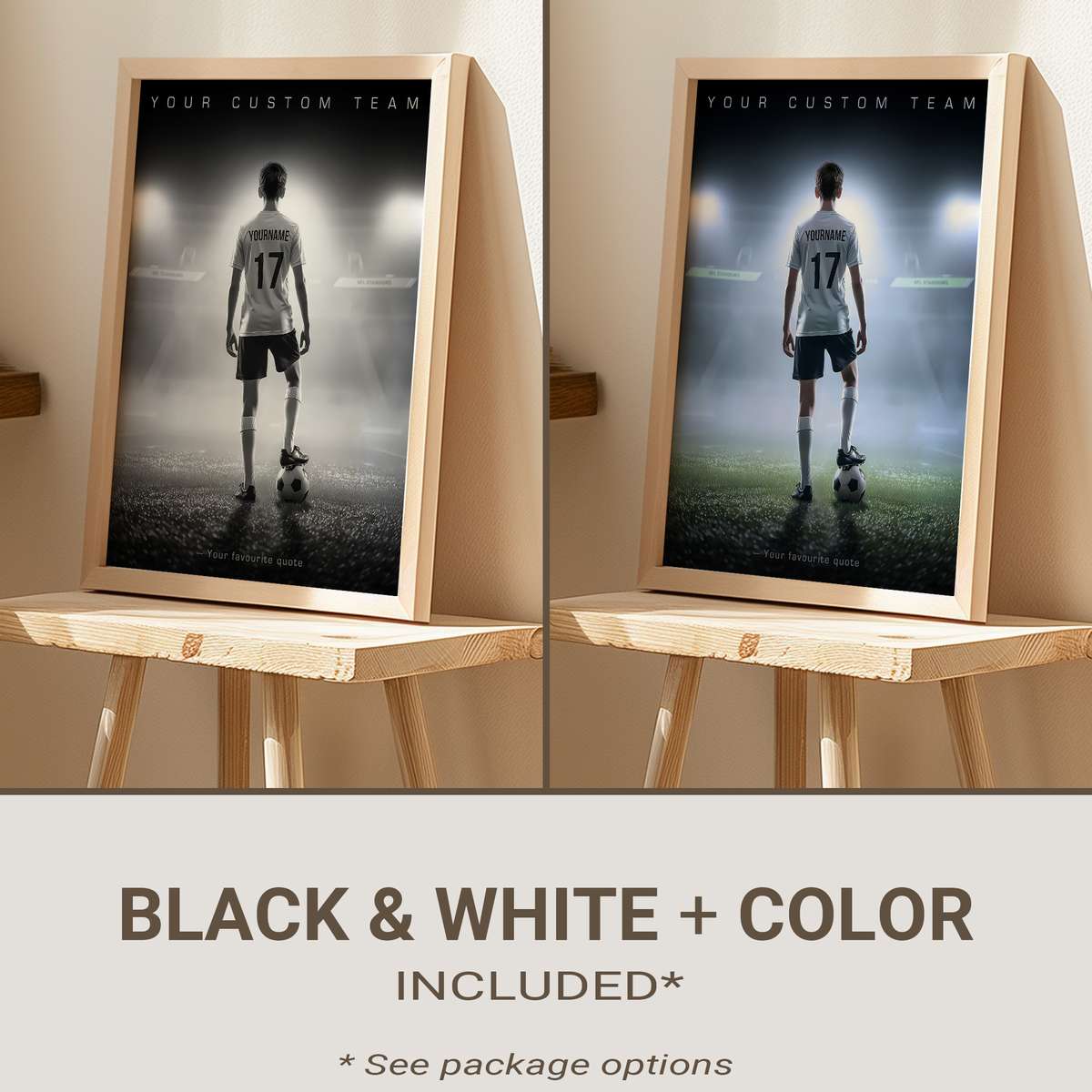
- Action Photo or Portrait: An energetic game shot conveys presence; a close portrait reads as intimate. Use one dominant image so the poster reads clearly from a distance.
- Team Colors and Logo: Including school colors and a subtle logo ties the tribute to team identity and makes it feel official.
- Season or Years Played: A small line noting the seasons played (e.g., “2019–2026”) makes the poster a succinct record of commitment.
- Short Caption or Role: Words like “Captain,” “Midfielder,” or a two-line personal note give context without taking over the design.
Display and Ceremony Setup Ideas
How posters are shown during the ceremony changes the emotional effect. For clear sightlines and a respectful presentation, try these approaches:
- Line posters on easels along the track or sideline so each senior walks to their poster during the announcement. This creates a parade-like moment that directs applause.
- Mount posters on a backdrop board near the center of the field for photographers. A consistent layout across all posters — same height, same margins — reads cohesive and photographs well.
- Use a dual-sided approach: one poster for the ceremony (big, bold) and a smaller keepsake version handed to the family after the game. The ceremony piece anchors the live event; the keepsake carries the memory home.
[IMAGE_INSERT_ARTICLE_01]
Design Choices That Balance Pride and Restraint
Senior Night posters work best when they feel intentional rather than cluttered. Aim for clean contrasts: a large photo, one strong accent color drawn from the team palette, and clear type for name and number. Avoid busy backgrounds that compete with the player image. A touch of texture—subtle gradient, team-pattern watermark—can add polish without distracting from the person being honored.
After the Ceremony: Keepsake Value
Posters often outlive the night. Families display them in bedrooms, home offices, or locker areas as a reminder of the season and relationships formed. A poster that lists the season, position, and a single line about the player’s contribution (e.g., “Four-year starter, team captain”) becomes a contextual keepsake—more meaningful than a generic print because it ties an image to a documented role and moment.
Practical Tips for Organizers and Families
Plan deadlines for photo and text submissions well before the ceremony so layouts can be tested for legibility at distance. Decide whether posters will be uniform (same template for all seniors) or individualized—uniformity looks cohesive at scale, while individualized designs can reflect each player’s personality. Coordinate with the announcer so poster details match spoken remarks for a seamless tribute.
Closing Thoughts on Visual Tributes
When designed with care, a Senior Night poster does two things at once: it sharpens the public recognition in the stadium and becomes a private object that holds memory. Thoughtful choices—clear name and number, a powerful image, team identity, and a concise note about the player’s role—transform a piece of cardboard into a meaningful symbol of a player’s place in a team’s story.