End-of-season awards for youth soccer do their best work when they celebrate growth and belonging instead of ranking players. Research and best-practice guidance from youth-sport organisations recommend award programs that emphasise character, life skills and inclusive recognition rather than focusing only on technical performance. Below are clear, usable ideas and principles coaches, clubs and families can follow to make awards meaningful for children and their families while avoiding awkward or unfair comparisons.
Why simple, positive awards matter
Award programs that focus on positive character development and life skills support holistic player development. Institutions that promote positive youth sports culture recommend recognising effort, improvement, teamwork and sportsmanship in addition to skills. This approach reduces pressure on young players and helps clubs reward behaviors coaches want to reinforce.
Designing age-appropriate recognition
Very young children benefit most from participation-focused, straightforward rewards: stickers, certificates, or a brief mention in front of the team. As players get older, categories can shift toward skill focus, improvement, leadership and contribution to team culture. Keep criteria developmentally aligned so awards feel attainable and relevant.
Award categories that avoid harmful comparison
Use a varied set of categories tied to coaching objectives so recognition doesn’t single out only the most technically advanced players. Practical categories include effort, biggest improver, teamwork, most encouraging teammate, coach’s choice for attitude, and community contribution. Publicly explaining criteria to children and families helps reduce perceptions of unfairness.
Balancing funny and meaningful awards
Lighthearted awards can boost team culture when paired with sincere recognition. If you include playful categories, avoid ones that could embarrass a child or highlight perceived weaknesses. Mix one or two humorous tokens with several awards that affirm effort, improvement and inclusion so the ceremony remains respectful and constructive.
[IMAGE_INSERT_ARTICLE_01]
Keepsakes and personalized recognition
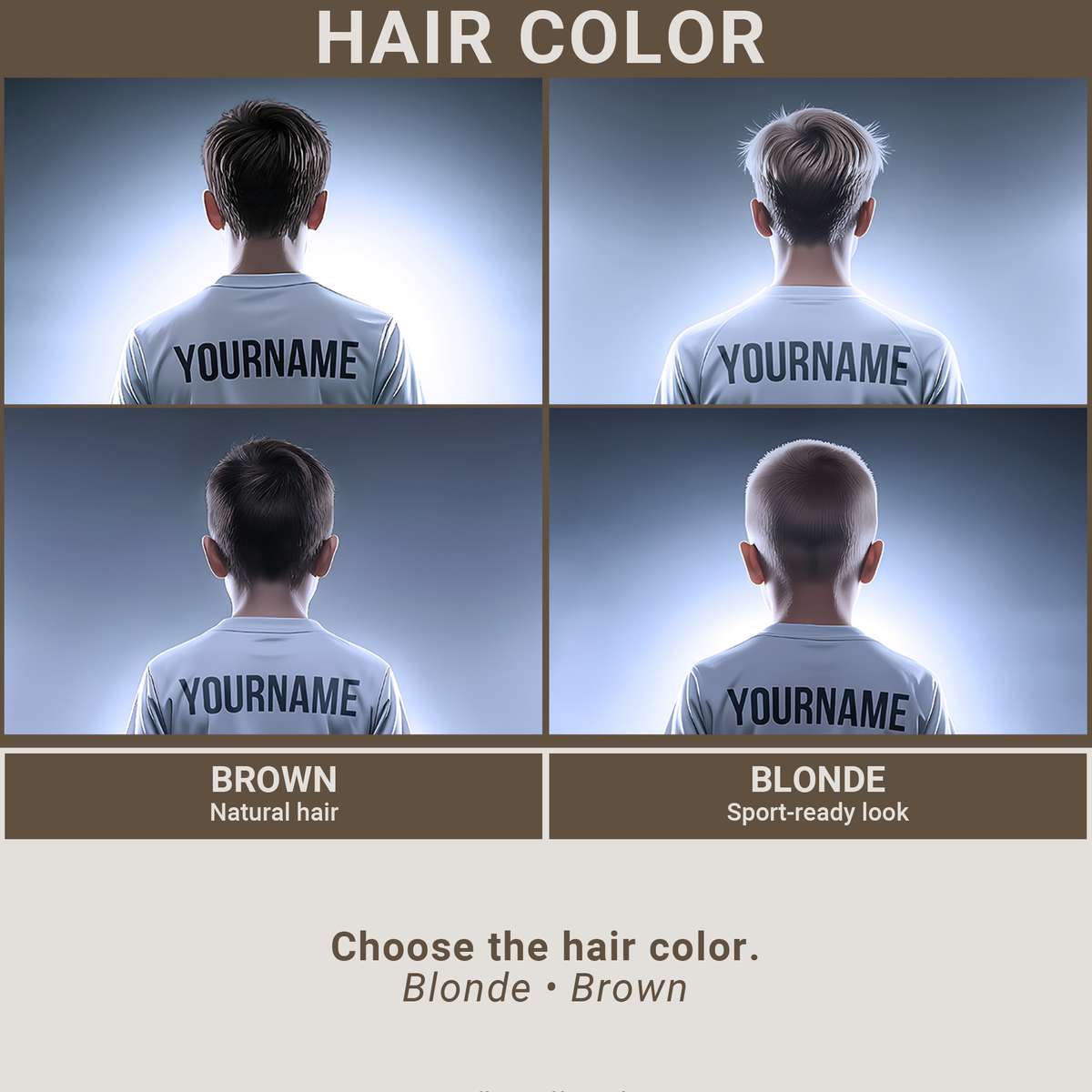
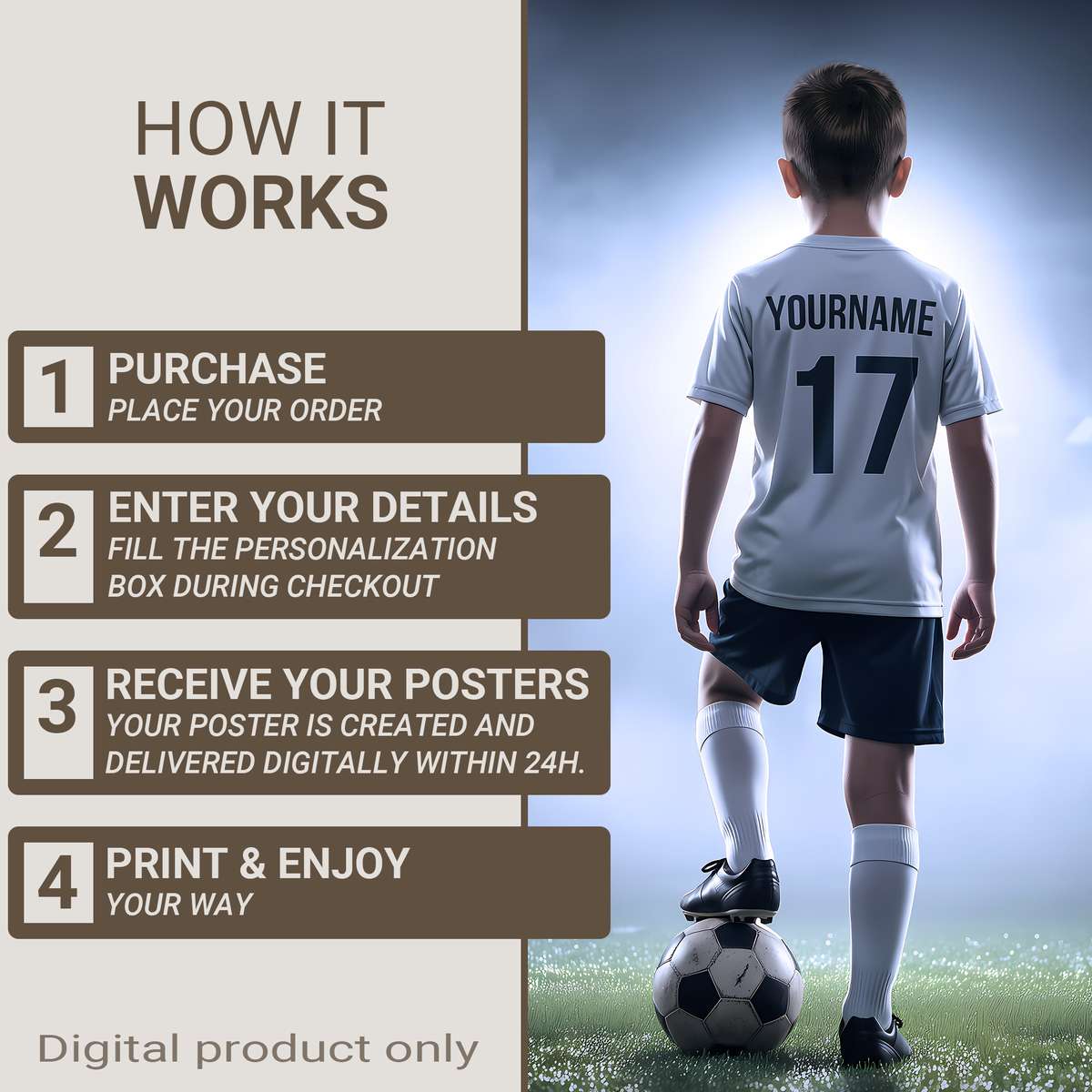
Alternatives to traditional trophies—certificates, tokens, or family‑inclusive recognition events—are commonly recommended for memorable, age-appropriate awards. Personalized keepsakes work best when they record something specific: the season, a player’s role, a concrete contribution, or a team value. That makes the item a memory of participation and growth rather than a rank on a ladder.
Running an inclusive awards event
Make the ceremony feel organized and explained: share categories and criteria beforehand, include brief coach remarks that highlight specific examples of progress, and involve families in celebration. This transparency and structure protect against hurt feelings and reinforces the developmental goals of youth sport.
Practical checklist for coaches
- Choose categories tied to effort, improvement, teamwork, leadership and sportsmanship.
- Keep rewards simple for younger age groups; add meaningful personalization for older players.
- Announce criteria to families before the event to reduce perceived unfairness.
- Limit competitive, rank‑style awards for development‑focused teams.
- Combine a few lighthearted tokens with several sincere recognitions.
The goal of end-of-season recognition is to reinforce learning, belonging and the values your team practices. Simple, positive and age‑appropriate awards do that without creating awkward comparisons—so children leave feeling encouraged and families see the season as a shared success.