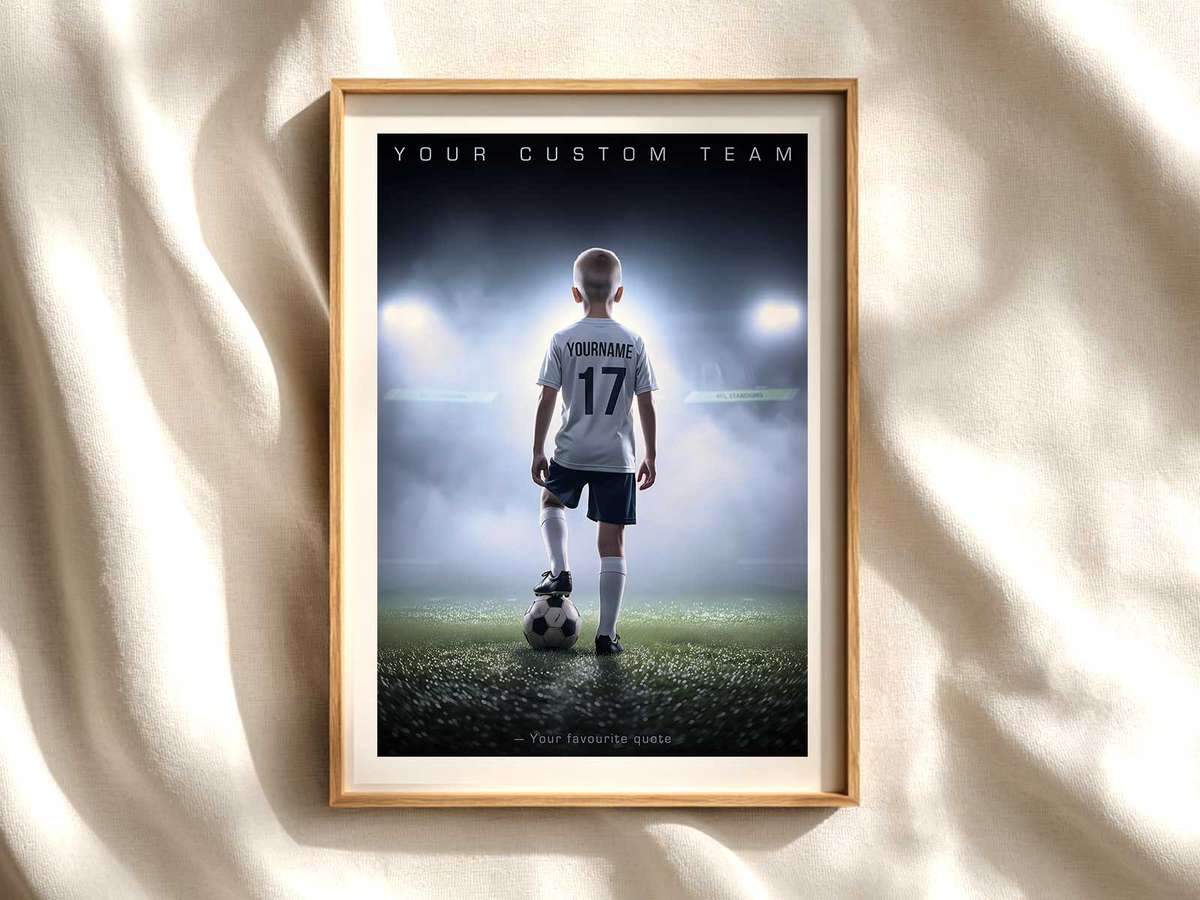
At the end of a season you’ll see two kinds of presents: useful training gear that gets worn, lost, or replaced, and keepsakes that quietly acknowledge time, leadership, and shared effort. The difference matters. One solves a short-term need; the other stores a memory. For parents and team organizers deciding on a football training gift, the choice should match intent: are you rewarding function or recognizing commitment?
What a good coach gift says
A thoughtful gift communicates a few clear messages: we saw the time you gave, we noticed how you led, and we want this memory to last. That’s different from saying, “here’s something you can use next practice.” Keepsakes aim to preserve identity—team name, season, roster, or a short thank-you line—so every glance returns the memory of that specific group and year.
Practical training items versus memory gifts
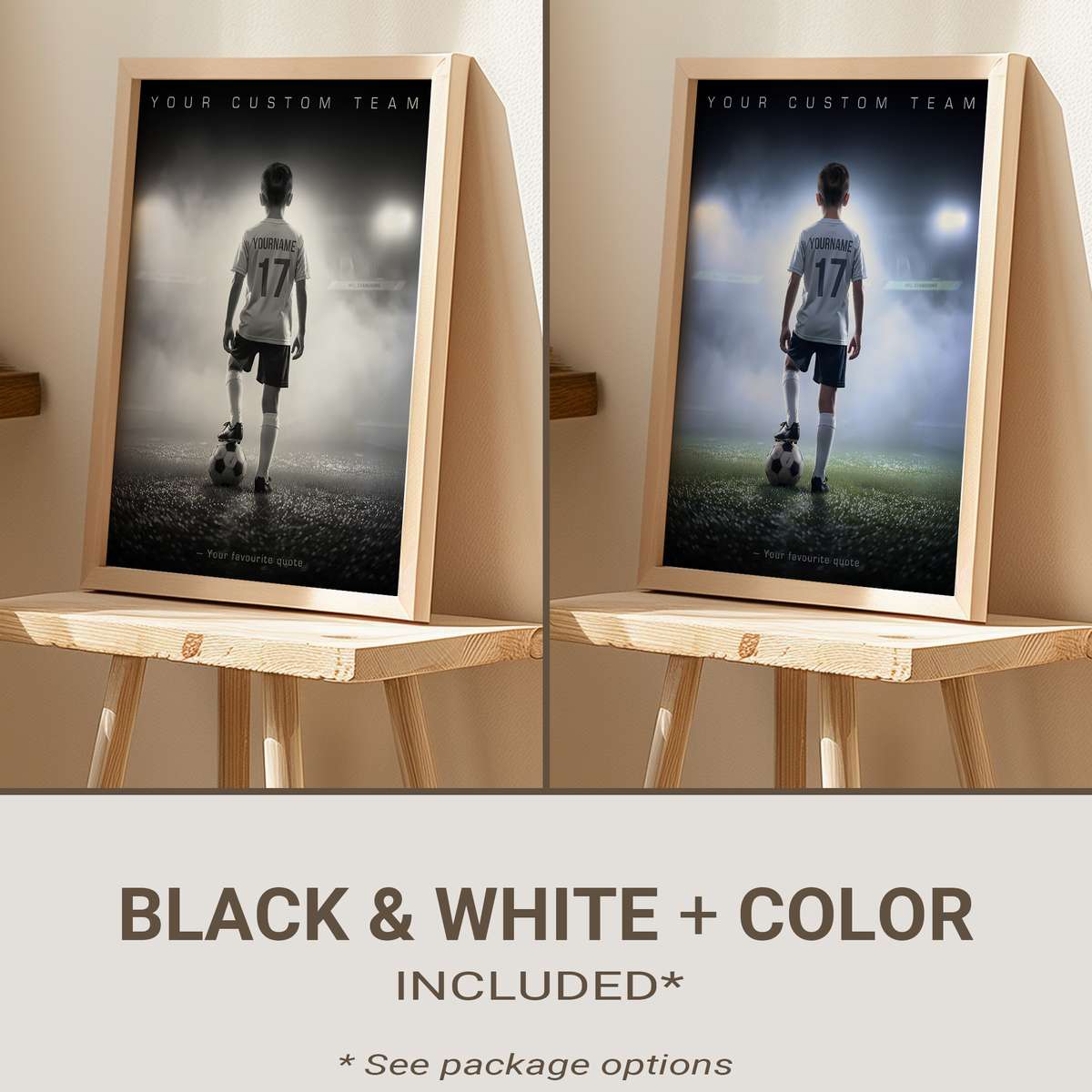
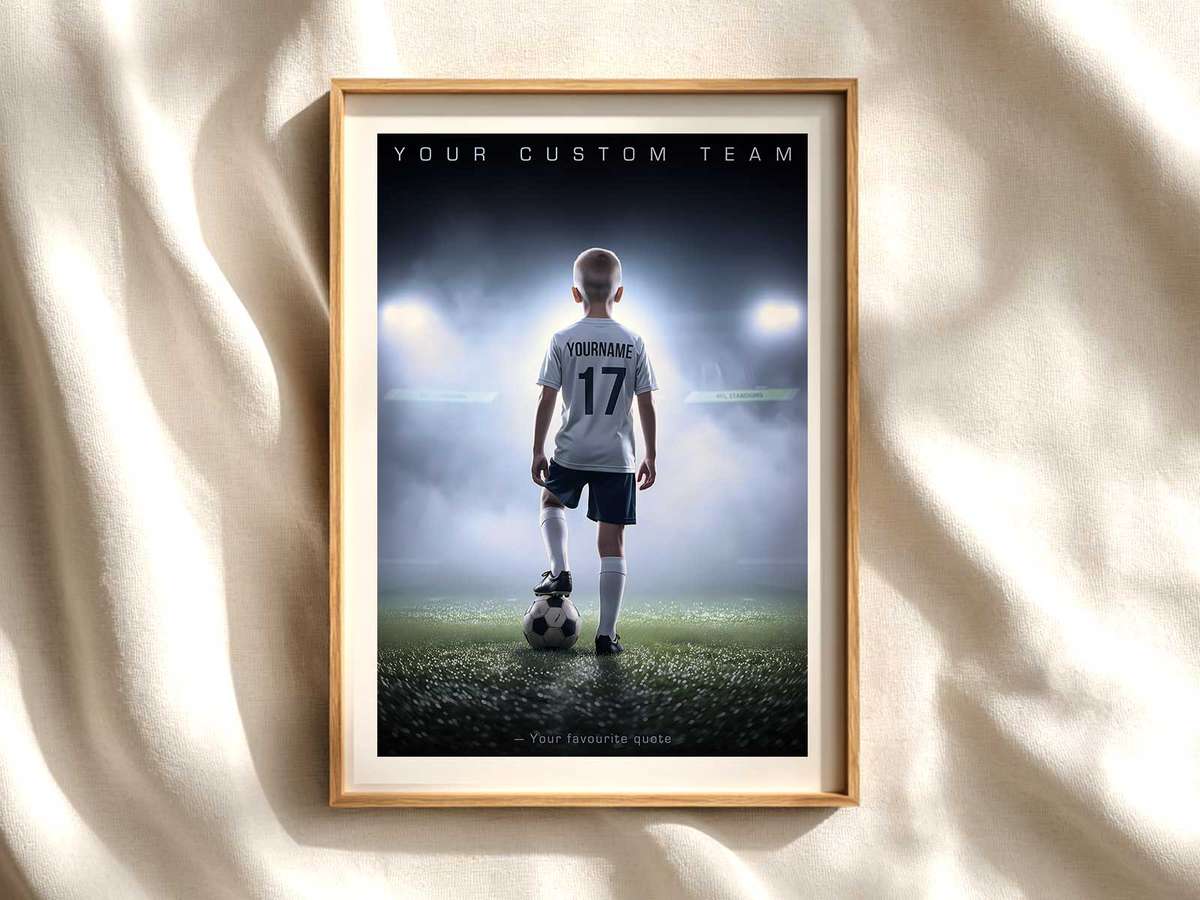
Practical items—cones, recovery tools, training bibs, or a new whistle—are valuable when they solve an immediate gap. They’re utilitarian and often shared across seasons. Memory gifts—custom posters, framed team photos, engraved plaques—are designed to be displayed and to mark a particular season or achievement. Both have value; the trick is matching the gift to your emotional aim.
- Choose practical gifts when the coach or program clearly needs the gear and you want to be useful.
- Choose a memory-focused gift when your goal is acknowledgement: a season wrapped up, a coach leaving, or a milestone year.
Why personalization matters
Personalization turns a generic object into a specific memory. Including the team name, year, roster list, or a short thank-you line anchors the gift to a season and a group. A simple mention—"U12 Eagles, Fall 2025" or a one-sentence note about leadership—signals that the gift was made for this coach and these players, not picked at random.
Team gift versus individual family gift
Gifts from the whole team carry a different weight than single-family presents. A group gift shows collective appreciation and is appropriate for coaches who served the entire squad. Individual-family gifts can be more personal or practical. If you’re organizing a team gift, coordinate a unified message and style so the result reads as a single, sincere thank-you rather than a patchwork of contributions.
[IMAGE_INSERT_ARTICLE_01]
Display and context: where keepsakes live
Consider where the coach is likely to put a keepsake. Will it sit in an office, on a mantel, or in a garage? Visual pieces that hang—posters, framed collages, or minimalist plaques—are useful because they make the memory visible without requiring daily use. Practical items rarely remain visible and so lose that symbolic function.
Keeping the tone sincere without over-sentiment
Sincere gifts strike a balance: specific enough to feel personal, concise enough to avoid clichéd language. Avoid long, flowery messages that can feel performative. A line that notes the season, a brief comment on leadership, and signatures or a roster list will usually feel authentic without being overbearing.
Final tips and timing
Decide early whether the gift’s purpose is utility or recognition. If recognition, collect small bits of personalization from families (names, a short quote, or a memorable moment) and choose a display-oriented object. Give the gift at a moment that fits the emotion—end-of-season night, a final practice, or a team dinner—so the presentation matches the meaning.
Choosing between a useful football training gift and a keepsake is really a choice of message. Be deliberate about which message you want to send.