Thanking a coach at the end of a season is about more than a present — it’s a clear, measured way to acknowledge time, leadership, and the small moments that shaped a team. A well-chosen gift says: I saw the effort, I value the role, and I want you to keep a memory that feels right. The challenge is doing that without slipping into overly sentimental trophies or generic novelty items. This article guides parents and team organizers through choosing gifts that feel genuine, respectful, and display-ready.
Coaches often invest hours planning, teaching, and managing personalities. A gift marks the close of a shared cycle — a season, a tournament run, or a graduation to the next age group. It’s less about the dollar value and more about acknowledging consistency, patience, and leadership. When done thoughtfully, a gift becomes a small public record of appreciation the coach can look back on.
Thoughtful Versus Cliché: What to Avoid
Cliché gifts (generic plaques, meaningless medals, or mass-produced novelty items) can undermine sincerity because they say more about the giver’s convenience than the recipient’s role. Avoid items that scream “last-minute” or don’t reflect the coach’s personality. Instead, choose something with a personal detail — team name, season year, or a short note — that anchors the gift to a specific shared experience.
Individual Gifts vs. Team Presents
Deciding whether a gift should come from one family or the whole team depends on the relationship and budget. Individual gifts are a good choice when a player has a particularly close rapport with the coach or wants to recognize a specific moment. Team gifts create a stronger emblem of collective gratitude and avoid singling out one voice. If funds are pooled, you can afford a higher-quality keepsake that’s suitable for display.
Keepsakes That Coaches Will Actually Display
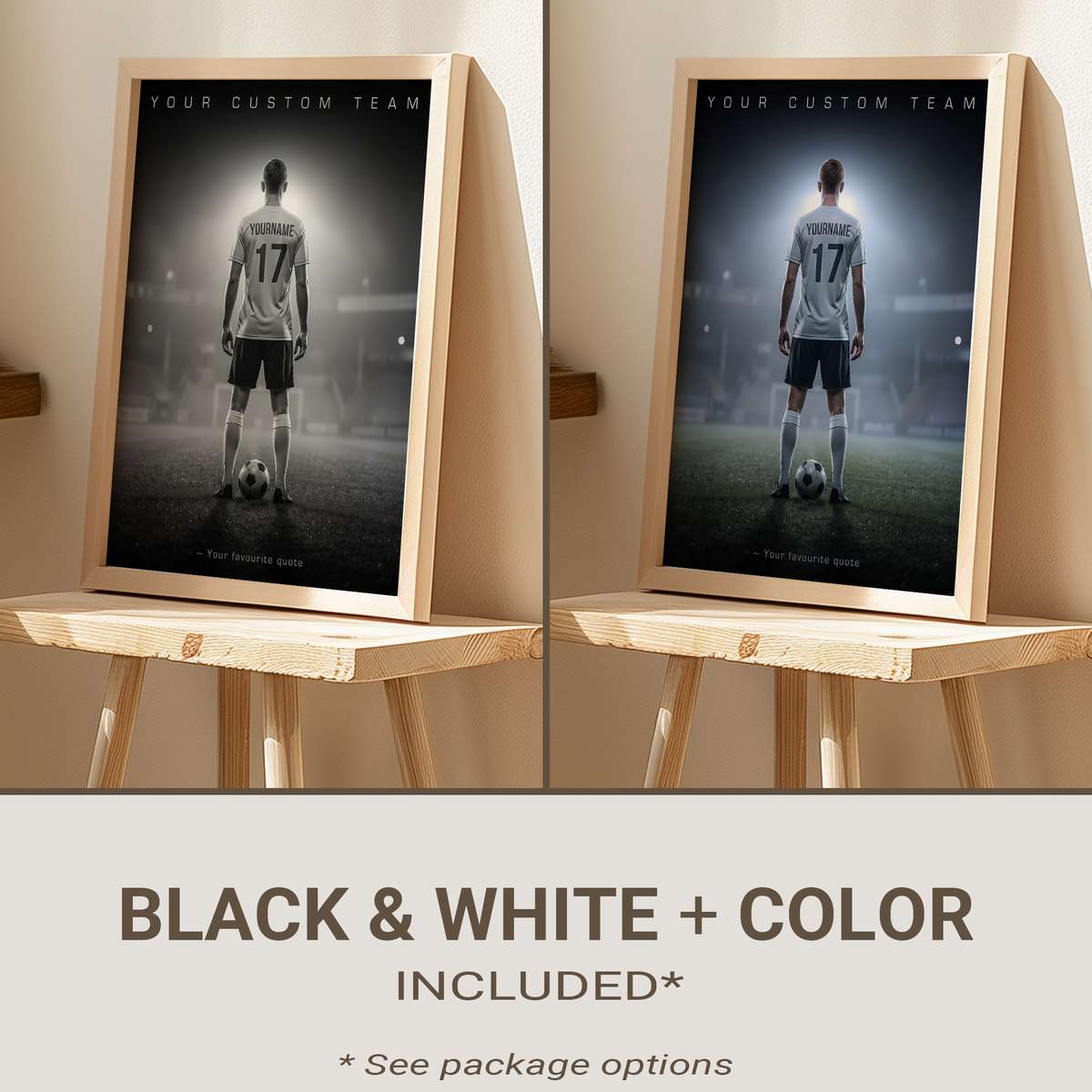
Visible keepsakes outlast novelty items because they tell a story at a glance. Consider custom posters or framed prints that combine the team roster, season record, and a concise thank-you line. Practical display items that work in an office or family room — framed collages, minimalist plaques, or a tasteful team photo with a tasteful inscription — are more likely to be kept and shown than gag gifts or bulky trophies.
[IMAGE_INSERT_ARTICLE_01]
Keeping Tone Personal Without Overdoing It
Sincerity comes from specificity, not excess. Short messages that name a quality (patience, leadership, belief) feel more genuine than flowery paragraphs. Personalization options that work well: the team name and year, a one-line quote the coach uses, or each player’s first name on a subtle roster strip. Avoid overwrought adjectives or inside jokes that might not translate when the coach displays the item publicly.
Practical Tips for Organizers
1) Start planning early: pooling names and contributions takes time. 2) Keep costs transparent and optional so families can choose participation. 3) Collect a few short notes from players rather than one long letter — they’re easier to incorporate into design. 4) Choose neutral colors and classic typography for display pieces so they fit in an office or home.
Closing Guidance: Make It a Moment, Not a Performance
A great coach gift is quiet and intentional. It creates a moment of thanks that fits the team’s culture: sincere, team-centered, and easy to keep. Whether it’s a simple framed poster with the season roster, a custom print that lists milestones, or a small team-funded keepsake, aim for clarity of intent. That clarity — more than flash or sentimentality — is what makes a gift truly meaningful.