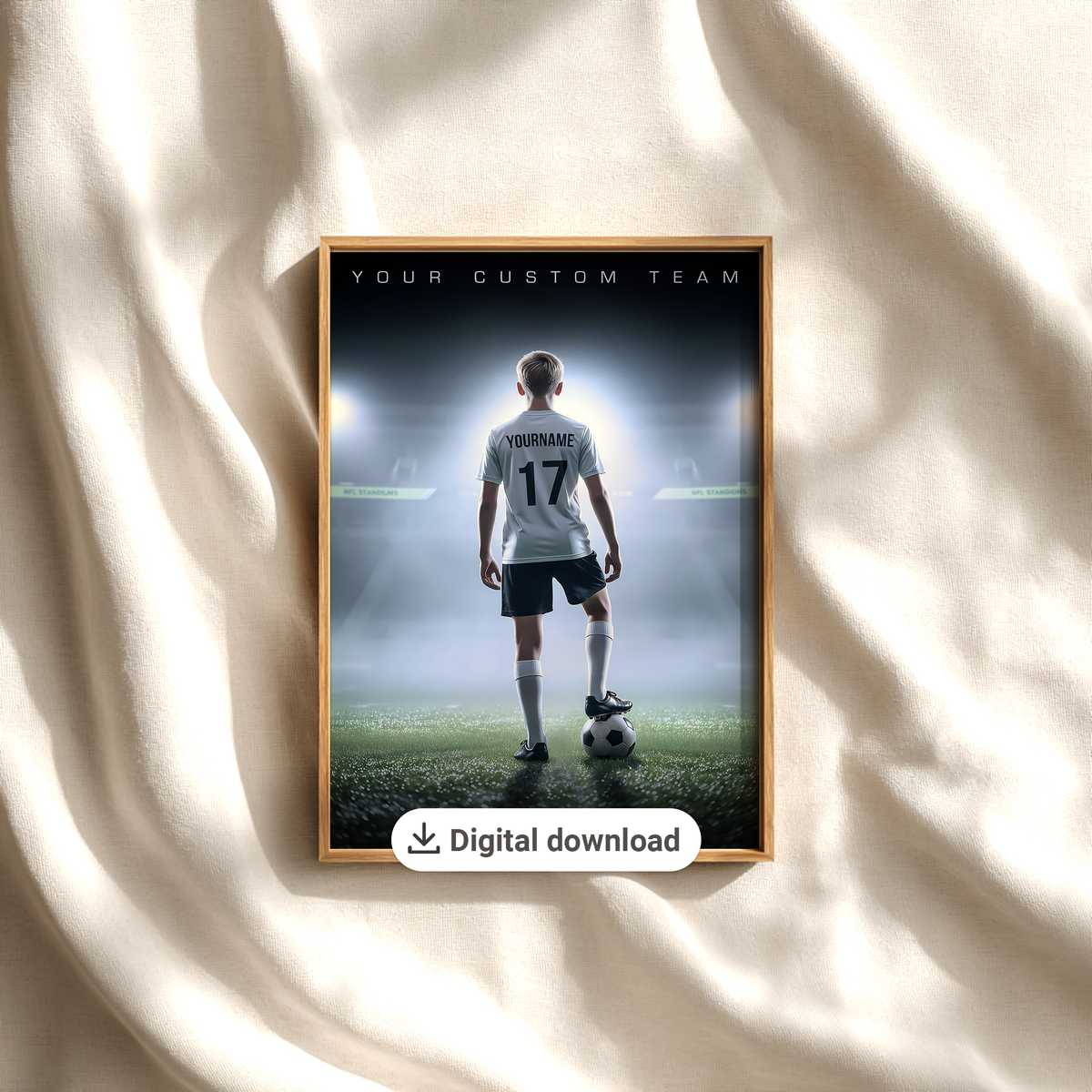
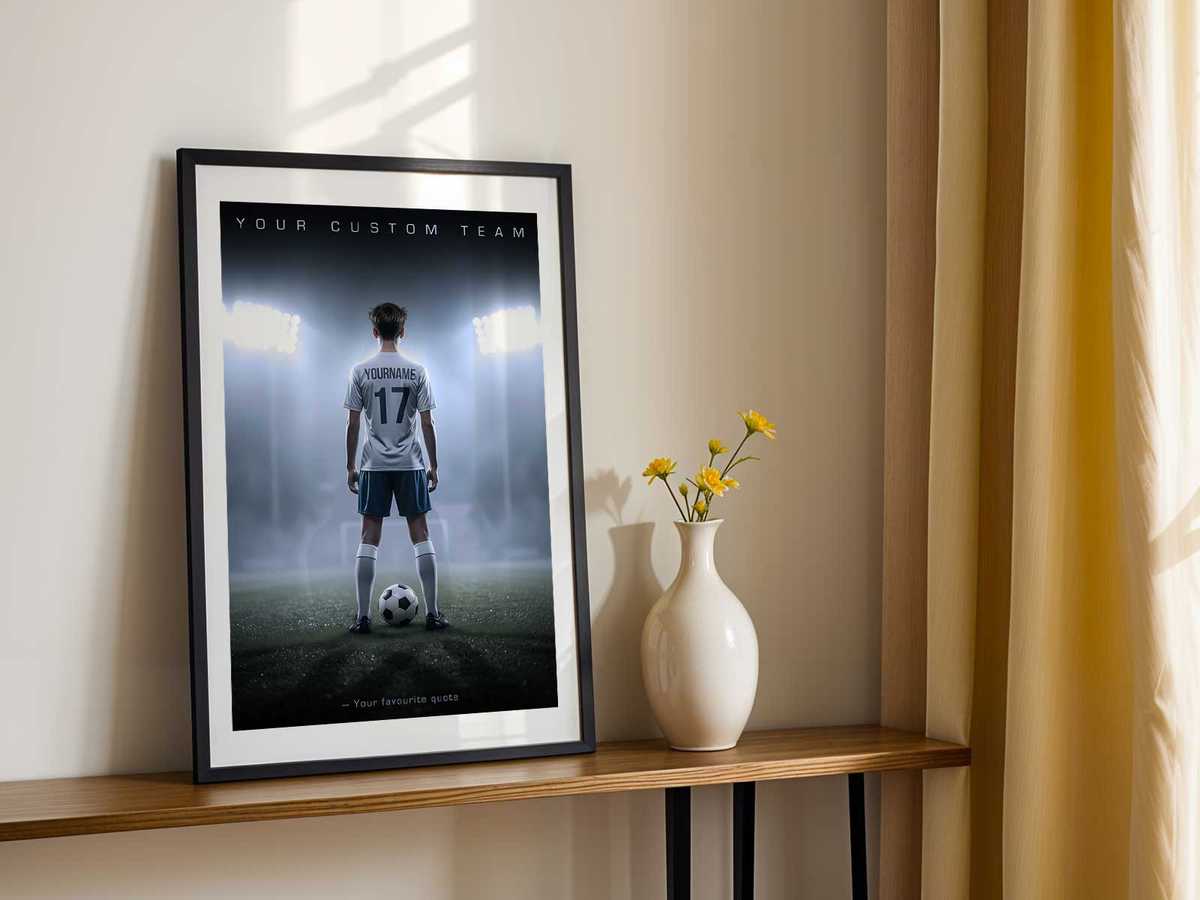
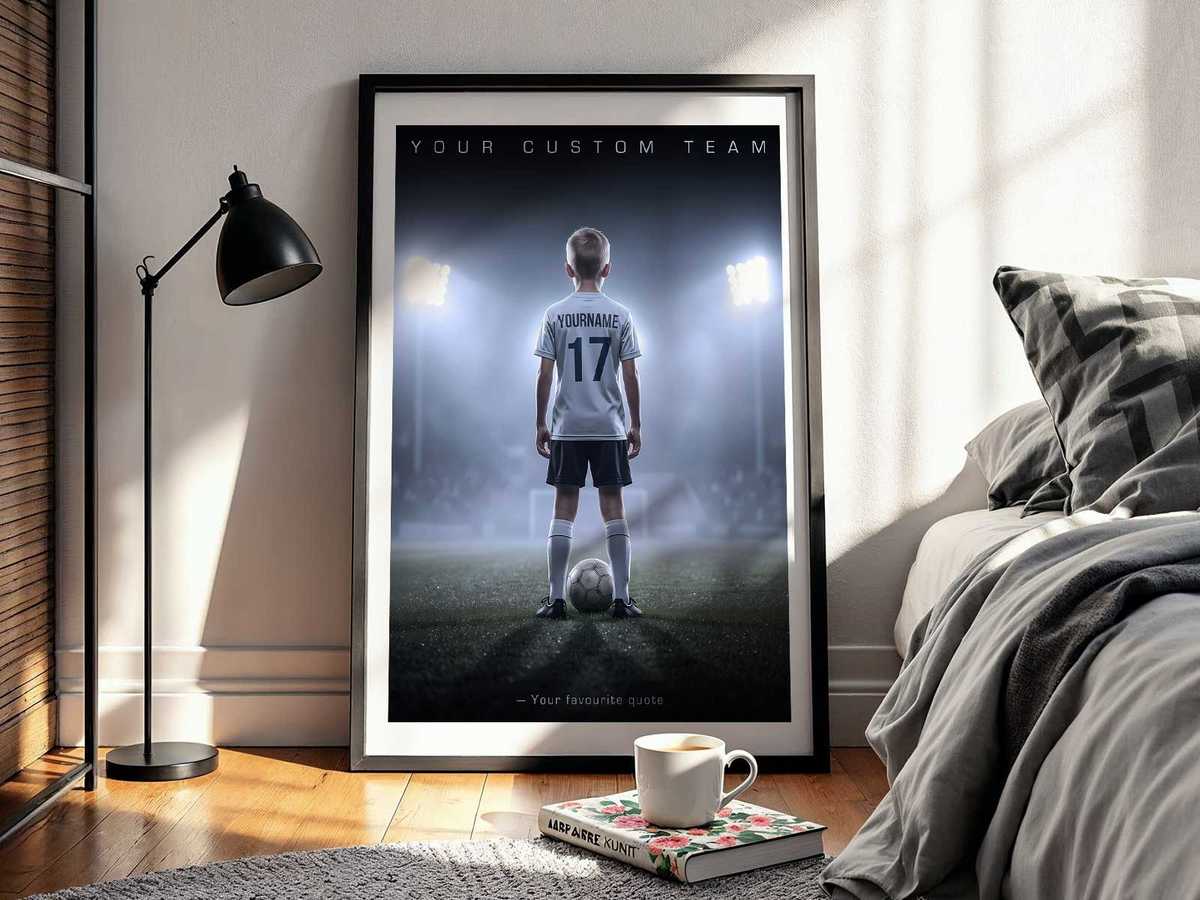
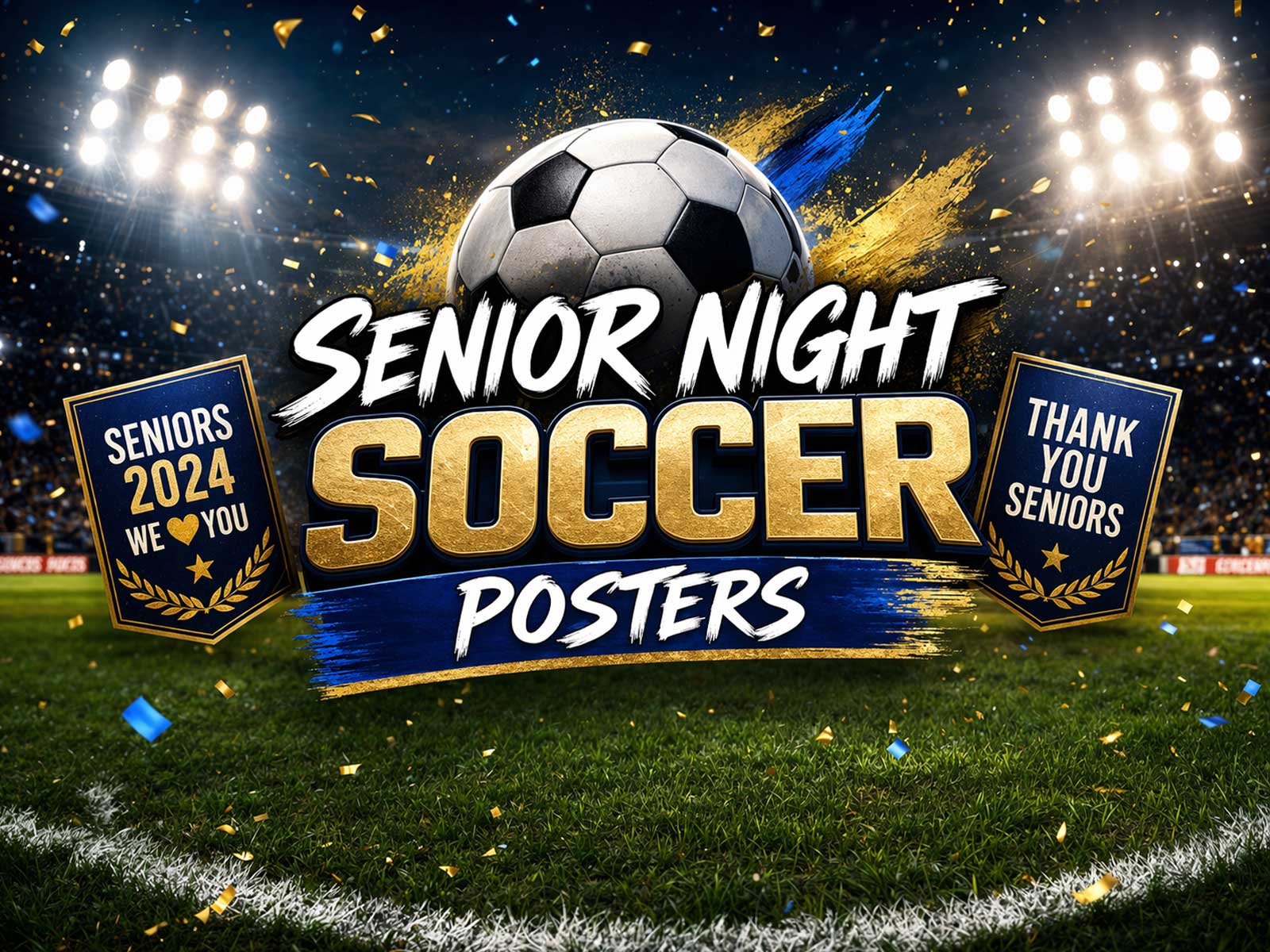
Senior Night carries a different weight than any regular game: it compresses years of practices, travel, and small victories into a single public moment. A well-designed senior poster does three jobs at once—it shapes what happens on the field that night, it supports the player’s walk in front of the crowd, and it becomes a durable keepsake long after the final whistle. Treating the poster as a ceremonial prop and a memory object gives families, teammates, and schools a way to honor identity and signal closure without being gimmicky.
Why Senior Night Feels Different From a Regular Match
Senior Night is a formal recognition: the player is not just part of a roster but the focus of gratitude and attention. That shift changes expectations for visuals. Spectators want to see clear identity cues—name, number, position or role, team colors, and a season reference—so the poster should foreground those elements in a calm, readable layout. When the design reflects the wearer’s on-field identity, the ceremony feels authentic rather than staged.
What Makes a Senior Poster Personal and Respectful
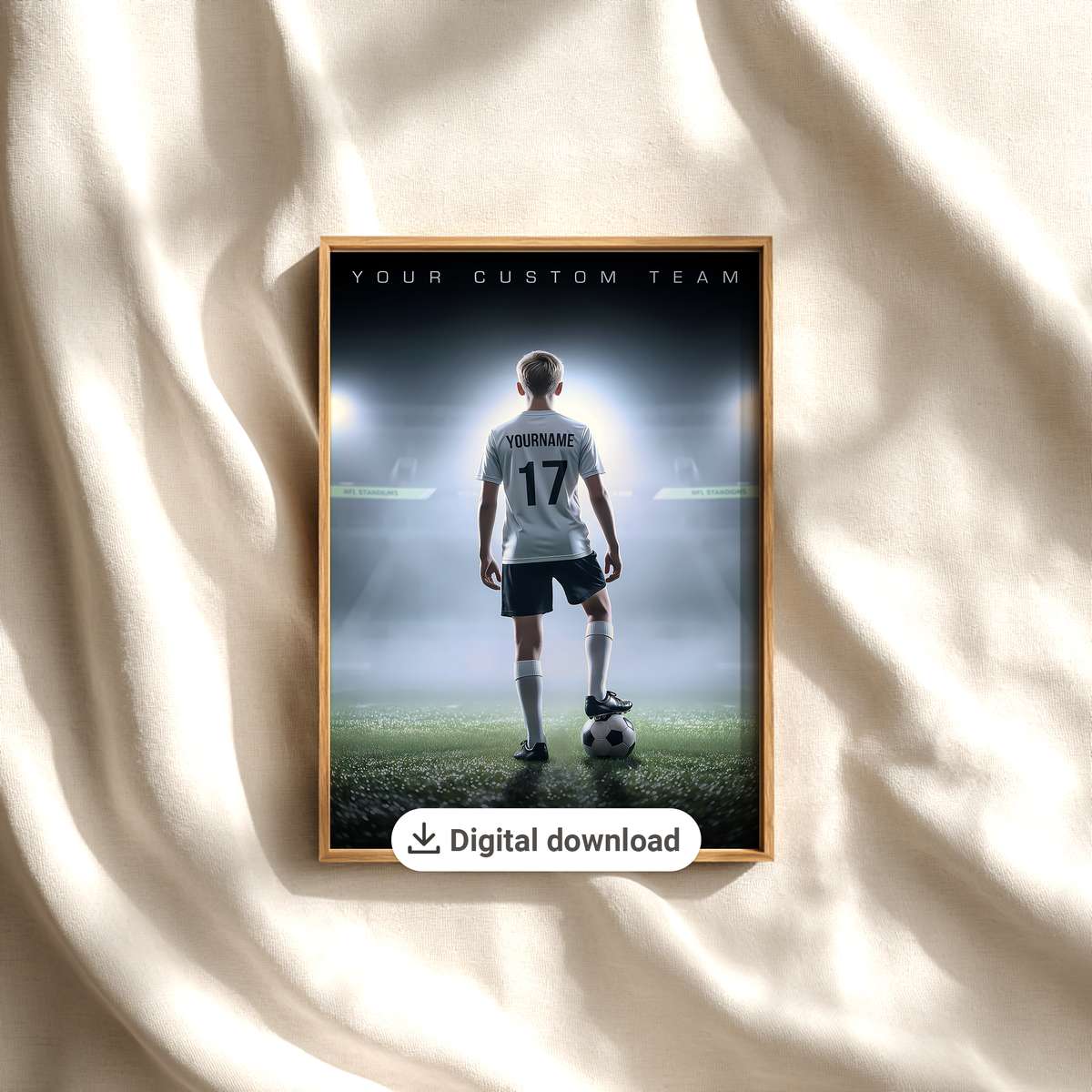
Personalization goes beyond adding a name. Thoughtful posters include a good portrait or action photo, the player’s number, the school or club mark, and subtle season cues (year, league patch, or captain badge). A restrained color palette tied to team colors and clean typographic hierarchy keeps the poster dignified. Small touches—like a short line noting position or a hometown—turn it into a tribute rather than mere decoration.
Display Ideas for the Ceremony
How you use the poster during the event affects its emotional impact. Options that work well:
- Hand-held or easel display for the player’s walk so the audience sees both face and number up close.
- Line-up banners along the sideline that create a visual rhythm as each senior is introduced.
- A spotlight table at mid-field where posters rest while names are read, then handed to families afterward.
These setups help the crowd connect the live moment to an image they can remember and later display at home.
[IMAGE_INSERT_ARTICLE_01]
How Posters Bridge the Night and the Keepsake
During the ceremony the poster functions as a public token: it identifies and honors. Afterward, it becomes a private object that carries memory into bedrooms, family rooms, or the player’s future dorm. Designs that balance readability for a crowd with craftsmanship—balanced margins, a clear photo, and high-contrast text—translate well from stadium lights to home walls. That continuity is what turns a moment into a memory.
Balancing Pride, Emotion, and Clean Design
It’s easy to overload a poster with slogans and logos. The stronger approach is restraint. Let the player’s image and key identity markers lead; use team colors as accents rather than background noise. Emotional language can appear as a short line—"Class of 20XX" or "Thank you for your leadership"—but avoid long paragraphs. The result should feel composed, not cluttered, so viewers can experience the emotion without decoding the design.
Who Gives the Poster and What It Means Afterwards
Posters are often a collaborative gesture: families commission or receive them, teammates sign or pose with them, and coaches curate the presentation. That shared authorship makes the poster both a personal memento and a social record of the team’s esteem. Years later the poster acts as a concrete prompt for stories—the game-winning goal, a coach’s line—that a plain photograph might not trigger.
Practical Tips for Organizers and Families
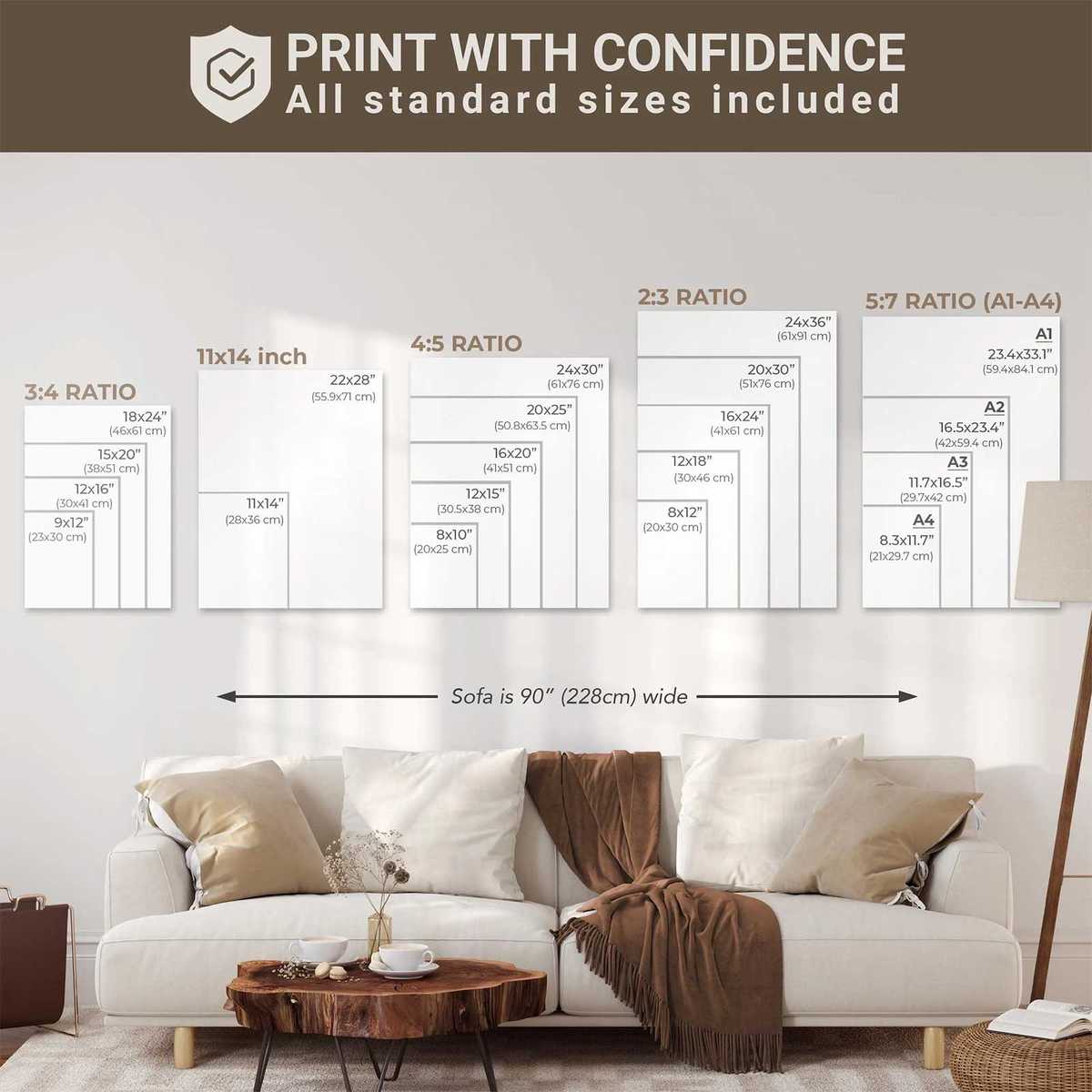
Plan the poster’s role ahead of time: decide whether it will be carried, displayed at mid-field, or mounted for photos. Choose a portrait or action shot with good facial clarity at a distance. Keep copy short and prioritize the name and number. Finally, think ahead about how the poster will be stored or framed so it survives the transition from ceremony prop to keepsake.
Author: